Prieto Manuel, Yue Hangbo, Brun Nicolas, Ellis Gary J, Naffakh Mohammed, Shuttleworth Peter S
Instituto de Ciencia y Tecnología de Polímeros (ICTP-CSIC), Juan de la Cierva, 3, 28006 Madrid, Spain.
Escuela Técnica Superior de Ingenieros Industriales, Universidad Politécnica de Madrid (ETSII-UPM), José Gutiérrez Abascal, 2, 28006 Madrid, Spain.
Polymers (Basel). 2024 Sep 18;16(18):2633. doi: 10.3390/polym16182633.
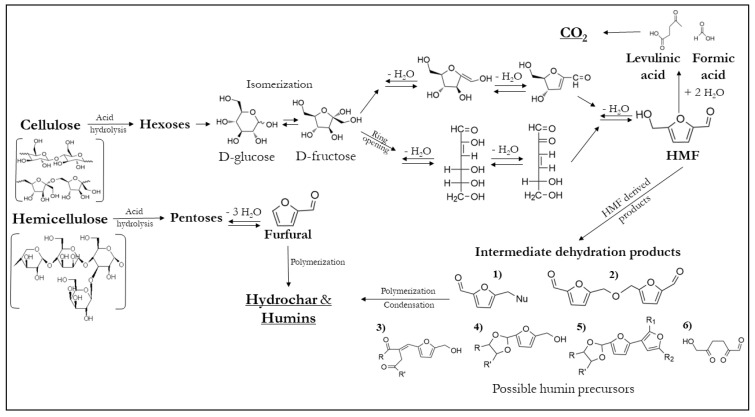
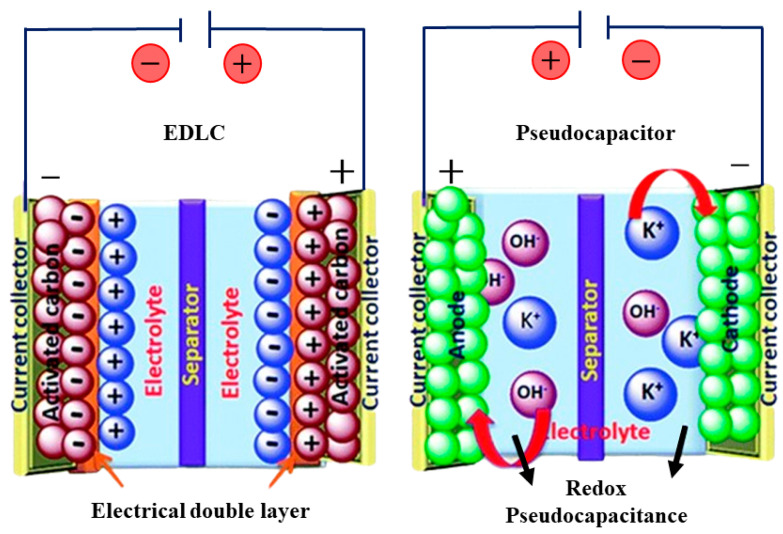
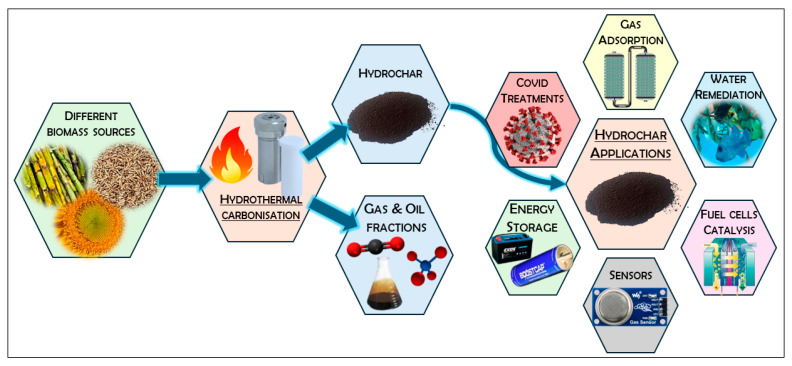
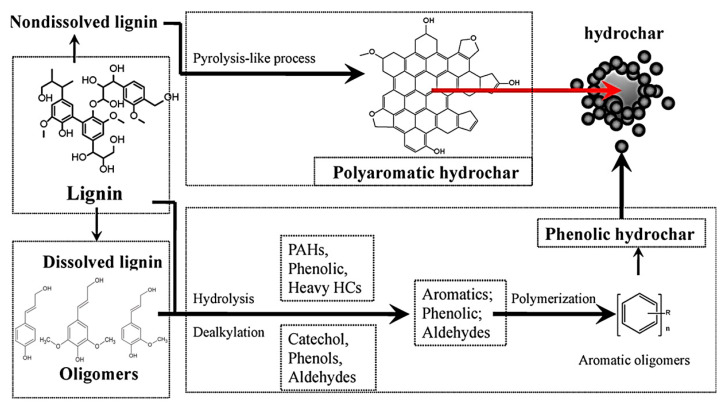
Given the pressing climate and sustainability challenges, shifting industrial processes towards environmentally friendly practices is imperative. Among various strategies, the generation of green, flexible materials combined with efficient reutilization of biomass stands out. This review provides a comprehensive analysis of the hydrothermal carbonization (HTC) process as a sustainable approach for developing carbonaceous materials from biomass. Key parameters influencing hydrochar preparation are examined, along with the mechanisms governing hydrochar formation and pore development. Then, this review explores the application of hydrochars in supercapacitors, offering a novel comparative analysis of the electrochemical performance of various biomass-based electrodes, considering parameters such as capacitance, stability, and textural properties. Biomass-based hydrochars emerge as a promising alternative to traditional carbonaceous materials, with potential for further enhancement through the incorporation of extrinsic nanoparticles like graphene, carbon nanotubes, nanodiamonds and metal oxides. Of particular interest is the relatively unexplored use of transition metal dichalcogenides (TMDCs), with preliminary findings demonstrating highly competitive capacitances of up to 360 F/g when combined with hydrochars. This exceptional electrochemical performance, coupled with unique material properties, positions these biomass-based hydrochars interesting candidates to advance the energy industry towards a greener and more sustainable future.
鉴于紧迫的气候和可持续发展挑战,将工业流程转向环保做法势在必行。在各种策略中,绿色、柔性材料的生成与生物质的高效再利用脱颖而出。本综述全面分析了水热碳化(HTC)过程,这是一种从生物质开发含碳材料的可持续方法。研究了影响水热炭制备的关键参数,以及控制水热炭形成和孔隙发展的机制。然后,本综述探讨了水热炭在超级电容器中的应用,考虑电容、稳定性和结构性质等参数,对各种基于生物质的电极的电化学性能进行了新颖的比较分析。基于生物质的水热炭成为传统含碳材料的有前途的替代品,通过掺入石墨烯、碳纳米管、纳米金刚石和金属氧化物等外在纳米颗粒有进一步增强的潜力。特别值得关注的是过渡金属二硫属化物(TMDCs)相对未被探索的用途,初步研究结果表明,与水热炭结合时,其电容高达360 F/g,具有很强的竞争力。这种卓越的电化学性能,再加上独特的材料特性,使这些基于生物质的水热炭成为推动能源行业迈向更绿色、更可持续未来的有趣候选材料。