Department of Biochemistry and Molecular Biotechnology, University of Massachusetts Chan Medical School, Worcester, MA 01605, USA.
Viruses. 2024 Sep 5;16(9):1419. doi: 10.3390/v16091419.
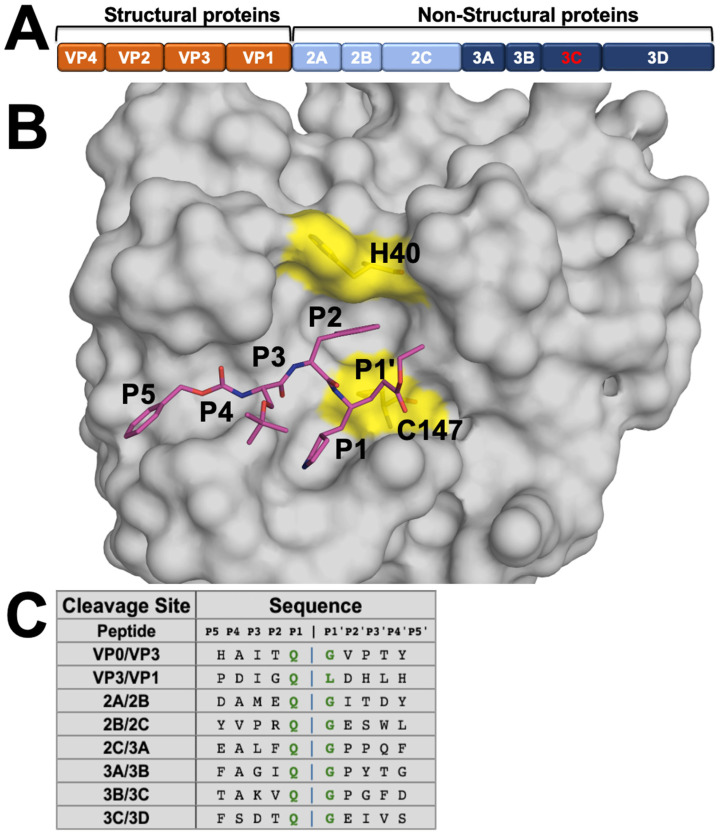
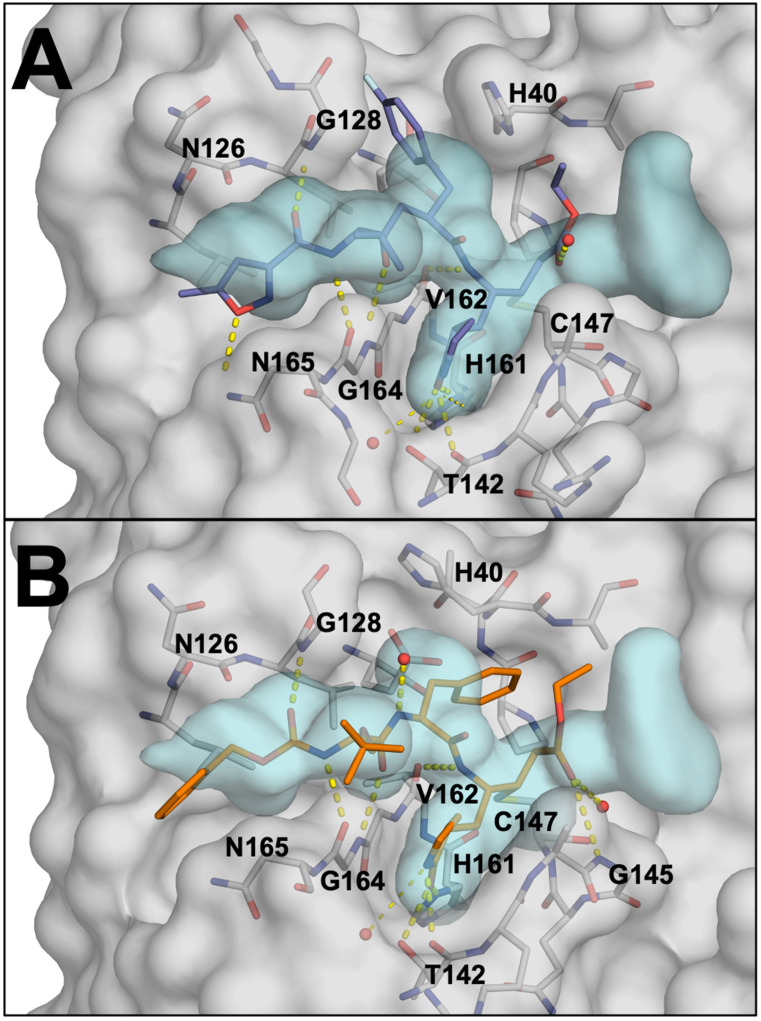
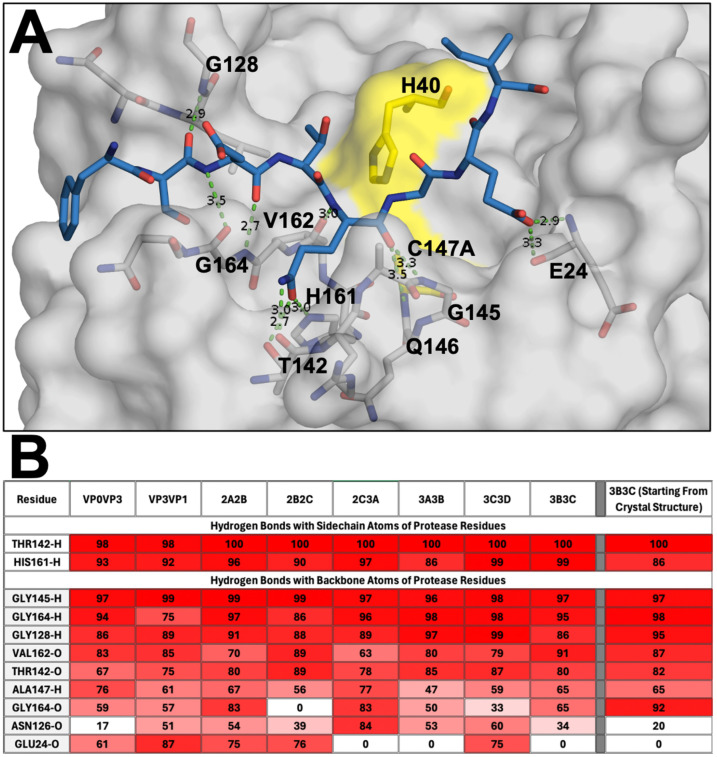
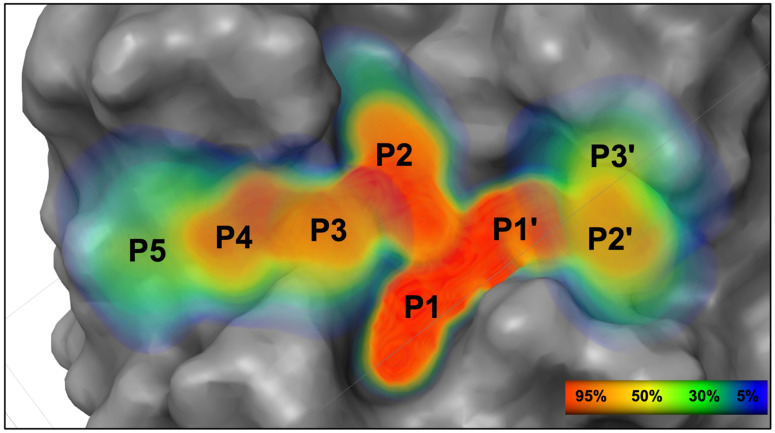
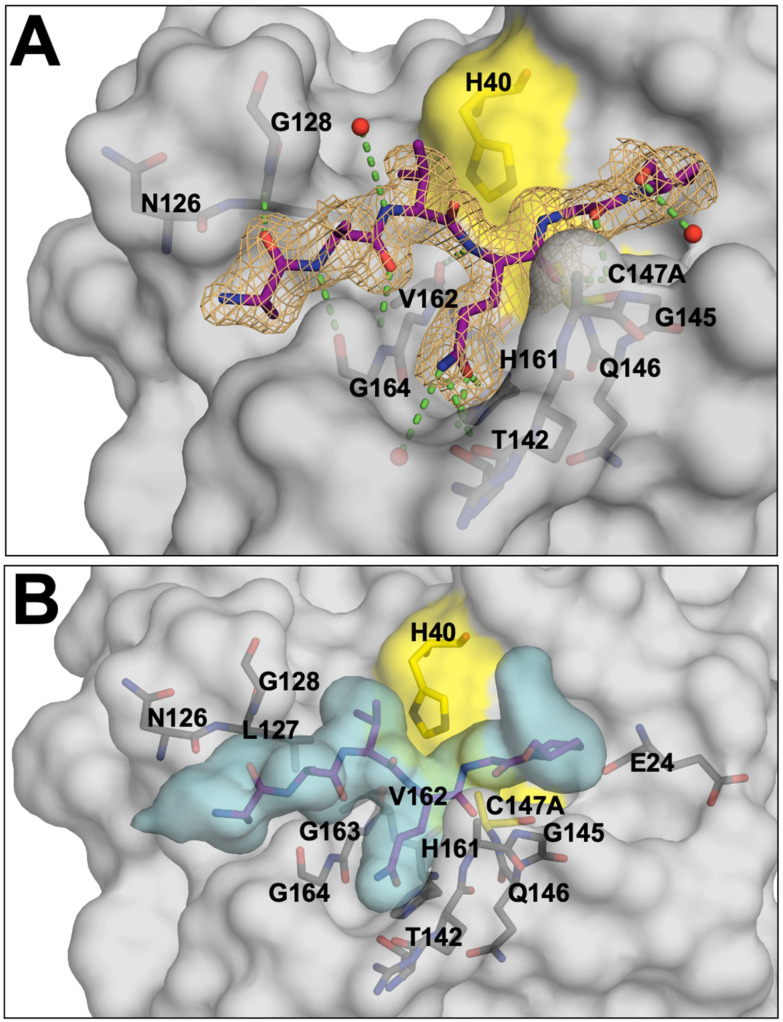
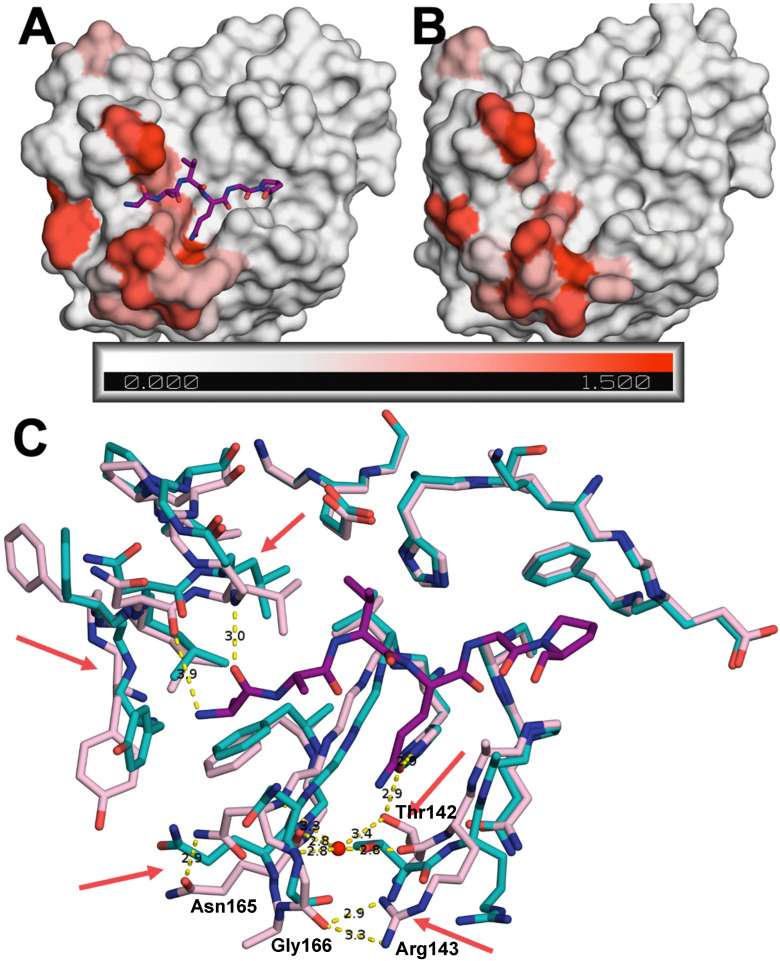
Enterovirus-D68 (EV68) has emerged as a global health concern over the last decade with severe symptomatic infections resulting in long-lasting neurological deficits and death. Unfortunately, there are currently no FDA-approved antiviral drugs for EV68 or any other non-polio enterovirus. One particularly attractive class of potential drugs are small molecules inhibitors, which can target the conserved active site of EV68-3C protease. For other viral proteases, we have demonstrated that the emergence of drug resistance can be minimized by designing inhibitors that leverage the evolutionary constraints of substrate specificity. However, the structural characterization of EV68-3C protease bound to its substrates has been lacking. Here, we have determined the substrate specificity of EV68-3C protease through molecular modeling, molecular dynamics (MD) simulations, and co-crystal structures. Molecular models enabled us to successfully characterize the conserved hydrogen-bond networks between EV68-3C protease and the peptides corresponding to the viral cleavage sites. In addition, co-crystal structures we determined have revealed substrate-induced conformational changes of the protease which involved new interactions, primarily surrounding the S1 pocket. We calculated the substrate envelope, the three-dimensional consensus volume occupied by the substrates within the active site. With the elucidation of the EV68-3C protease substrate envelope, we evaluated how 3C protease inhibitors, AG7088 and SG-85, fit within the active site to predict potential resistance mutations.
肠道病毒 D68(EV68)在过去十年中成为了一个全球性的健康关注点,其严重的症状感染导致了持久的神经功能缺陷和死亡。不幸的是,目前还没有 FDA 批准的用于 EV68 或任何其他非脊髓灰质炎肠道病毒的抗病毒药物。一类特别有吸引力的潜在药物是小分子抑制剂,它们可以针对 EV68-3C 蛋白酶的保守活性位点。对于其他病毒蛋白酶,我们已经证明,通过设计利用底物特异性进化限制的抑制剂,可以最大限度地减少耐药性的出现。然而,EV68-3C 蛋白酶与底物结合的结构特征仍然缺乏。在这里,我们通过分子建模、分子动力学(MD)模拟和共晶结构确定了 EV68-3C 蛋白酶的底物特异性。分子模型使我们能够成功地描述 EV68-3C 蛋白酶与对应病毒切割位点的肽之间的保守氢键网络。此外,我们确定的共晶结构揭示了蛋白酶的底物诱导构象变化,涉及新的相互作用,主要围绕 S1 口袋。我们计算了底物包络,即在活性位点内被占据的底物的三维共识体积。随着 EV68-3C 蛋白酶底物包络的阐明,我们评估了 3C 蛋白酶抑制剂 AG7088 和 SG-85 如何适合在活性位点内,以预测潜在的耐药性突变。