Artiaga Bianca L, Madden Daniel, Kwon Taeyong, McDowell Chester, Keating Cassidy, Balaraman Velmurugan, de Carvahlo Madrid Darling Melany, Touchard Laurie, Henningson Jamie, Meade Philip, Krammer Florian, Morozov Igor, Richt Juergen A, Driver John P
Department of Diagnostic Medicine & Pathobiology, College of Veterinary Medicine, Kansas State University, Manhattan, KS 66506, USA.
Division of Animal Sciences, University of Missouri, Columbia, MO 65211, USA.
Vaccines (Basel). 2024 Sep 18;12(9):1068. doi: 10.3390/vaccines12091068.
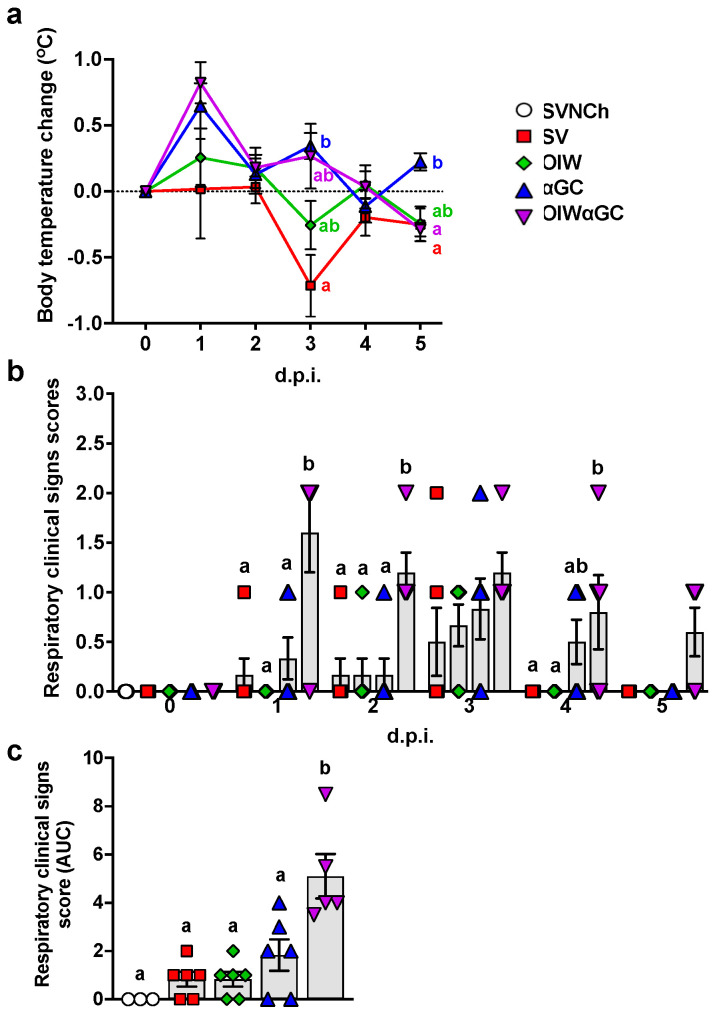
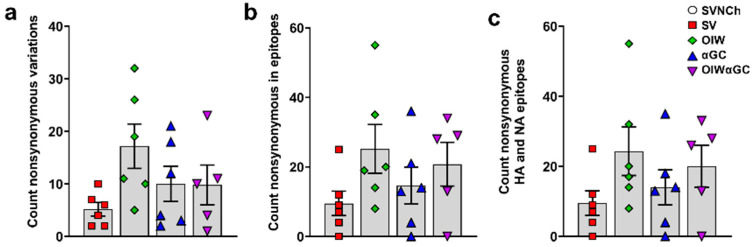
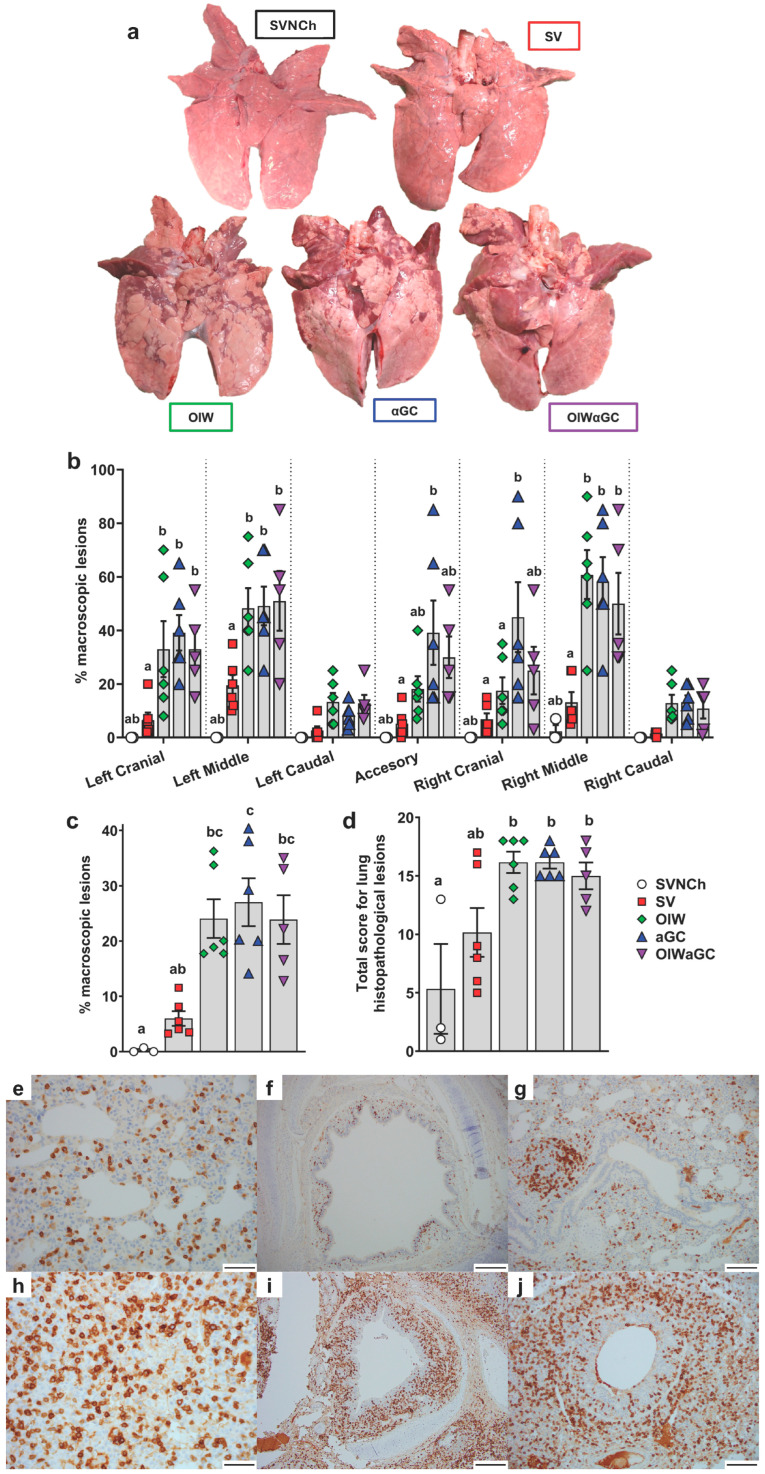
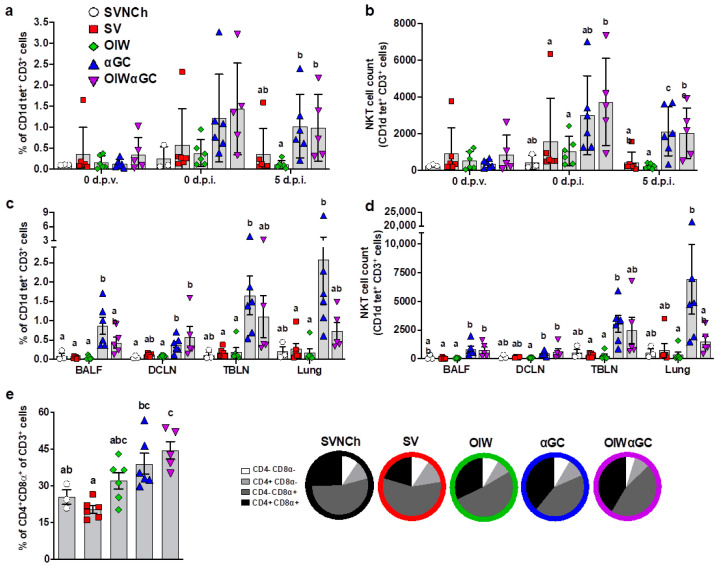
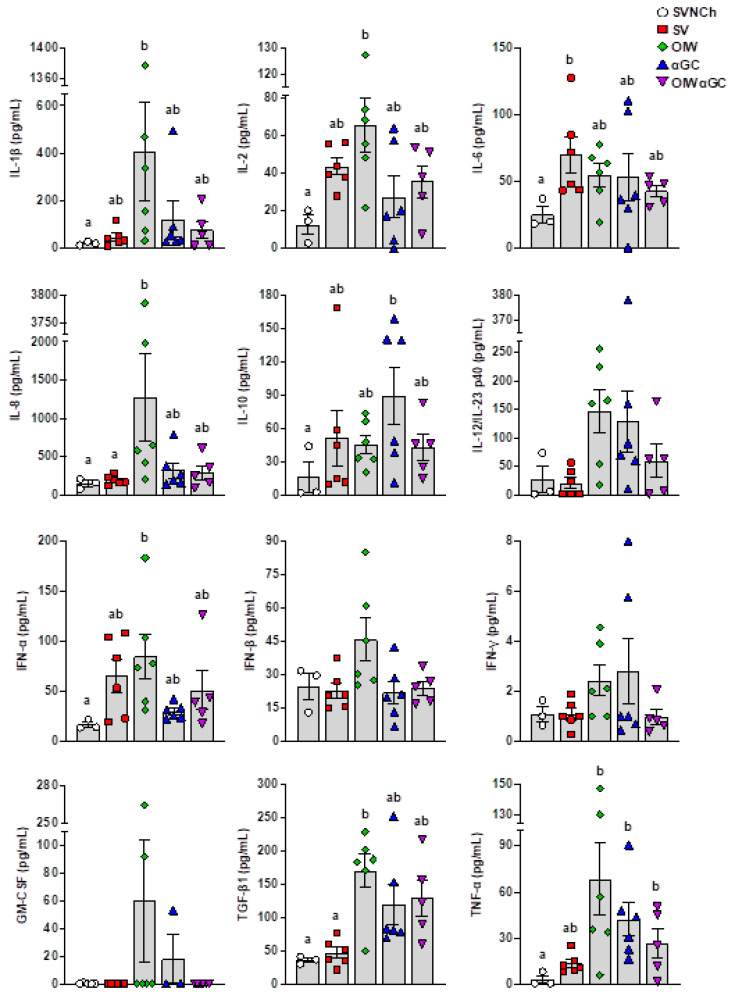
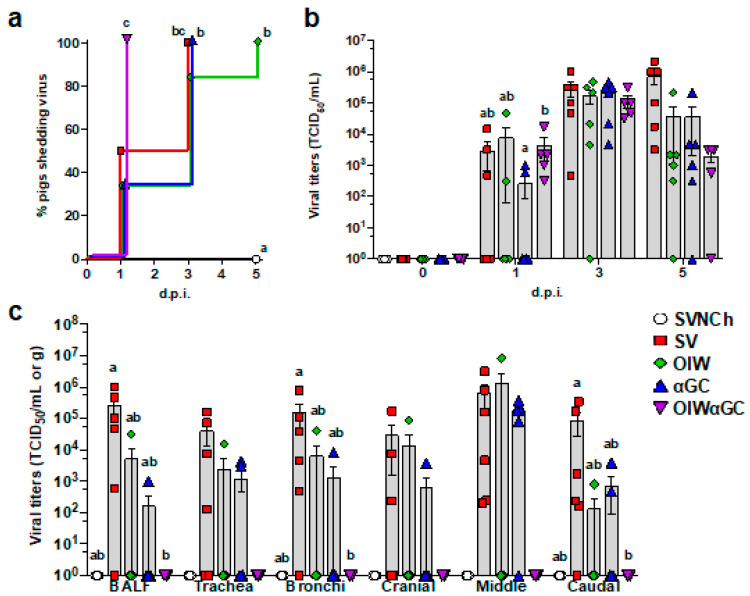
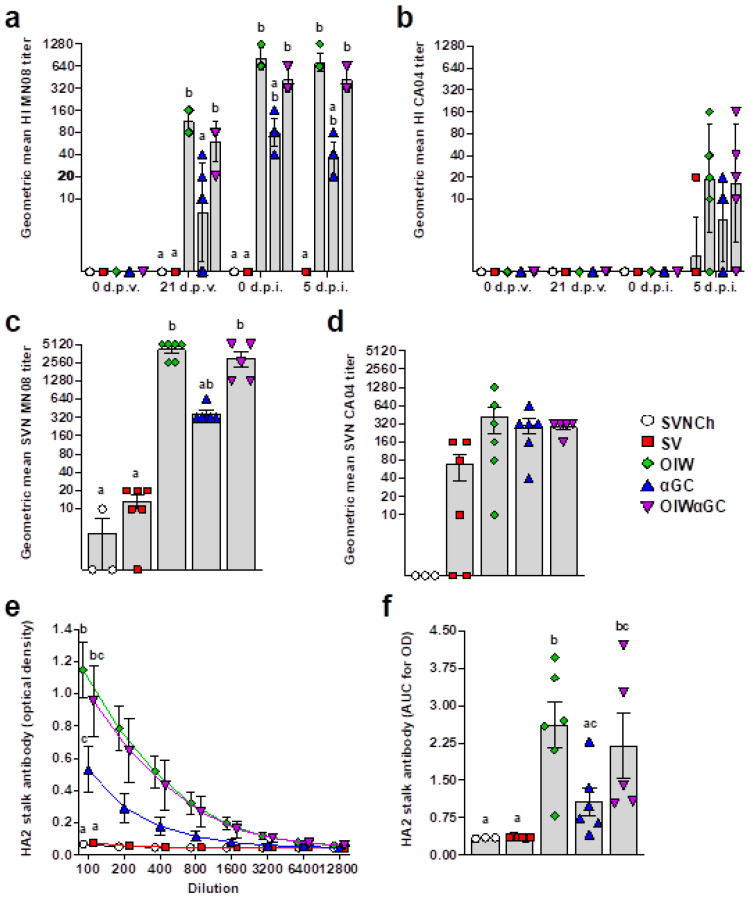
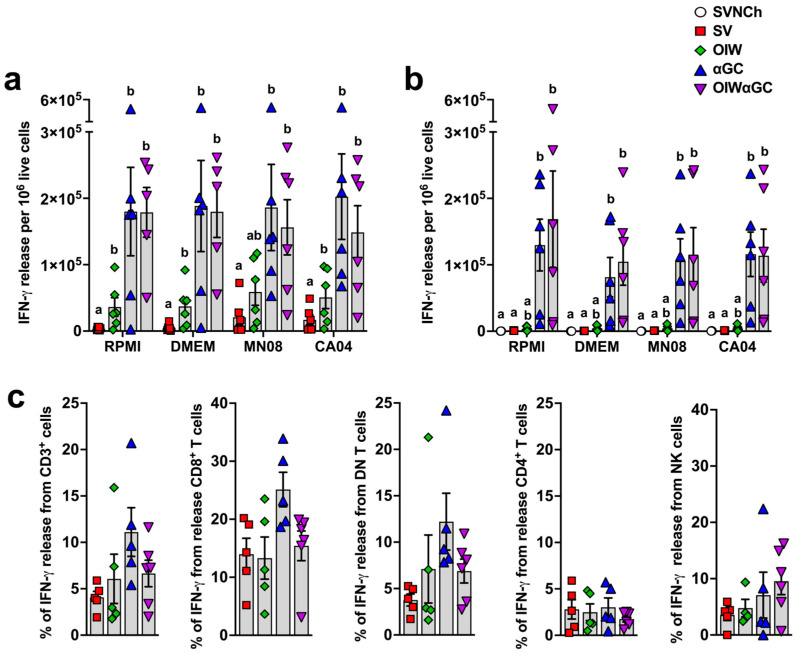
Invariant natural killer T (iNKT) cells are glycolipid-reactive T cells with potent immunoregulatory properties. iNKT cells activated with the marine-sponge-derived glycolipid, α-galactosylceramide (αGC), provide a universal source of T-cell help that has shown considerable promise for a wide array of therapeutic applications. This includes harnessing iNKT-cell-mediated immune responses to adjuvant whole inactivated influenza virus (WIV) vaccines. An important concern with WIV vaccines is that under certain circumstances, they are capable of triggering vaccine-associated enhanced respiratory disease (VAERD). This immunopathological phenomenon can arise after immunization with an oil-in-water (OIW) adjuvanted WIV vaccine, followed by infection with a hemagglutinin and neuraminidase mismatched challenge virus. This elicits antibodies (Abs) that bind immunodominant epitopes in the HA2 region of the heterologous virus, which purportedly causes enhanced virus fusion activity to the host cell and increased infection. Here, we show that αGC can induce severe VAERD in pigs. However, instead of stimulating high concentrations of HA2 Abs, αGC elicits high concentrations of interferon (IFN)-γ-secreting cells both in the lungs and systemically. Additionally, we found that VAERD mediated by iNKT cells results in distinct cytokine profiles and altered adaptation of the challenge virus following infection compared to an OIW adjuvant. Overall, these results provide a cautionary note about considering the formulation of WIV vaccines with iNKT-cell agonists as a potential strategy to modulate antigen-specific immunity.
不变自然杀伤T(iNKT)细胞是具有强大免疫调节特性的糖脂反应性T细胞。用海洋海绵衍生的糖脂α-半乳糖神经酰胺(αGC)激活的iNKT细胞提供了一种通用的T细胞辅助来源,已显示出在广泛治疗应用中的巨大潜力。这包括利用iNKT细胞介导的免疫反应来辅助全灭活流感病毒(WIV)疫苗。WIV疫苗的一个重要问题是,在某些情况下,它们能够引发疫苗相关的增强型呼吸道疾病(VAERD)。这种免疫病理现象可能在用油水(OIW)佐剂的WIV疫苗免疫后出现,随后感染血凝素和神经氨酸酶不匹配的攻击病毒。这会引发结合异源病毒HA2区域免疫显性表位的抗体(Abs),据称这会导致病毒与宿主细胞的融合活性增强和感染增加。在这里,我们表明αGC可在猪中诱导严重的VAERD。然而,αGC不是刺激高浓度的HA2 Abs,而是在肺部和全身引发高浓度的分泌干扰素(IFN)-γ的细胞。此外,我们发现与OIW佐剂相比,iNKT细胞介导的VAERD在感染后导致不同的细胞因子谱和攻击病毒适应性改变。总体而言,这些结果为将WIV疫苗与iNKT细胞激动剂联合使用作为调节抗原特异性免疫的潜在策略提供了警示。