Ashmore-Harris Candice, Antonopoulou Evangelia, Aird Rhona E, Man Tak Yung, Finney Simon M, Speel Annelijn M, Lu Wei-Yu, Forbes Stuart J, Gadd Victoria L, Waters Sarah L
Centre for Regenerative Medicine, Institute for Regeneration and Repair, University of Edinburgh, Edinburgh BioQuarter, Edinburgh, UK.
Mathematical Institute, University of Oxford, Oxford, UK.
NPJ Regen Med. 2024 Sep 30;9(1):26. doi: 10.1038/s41536-024-00371-1.
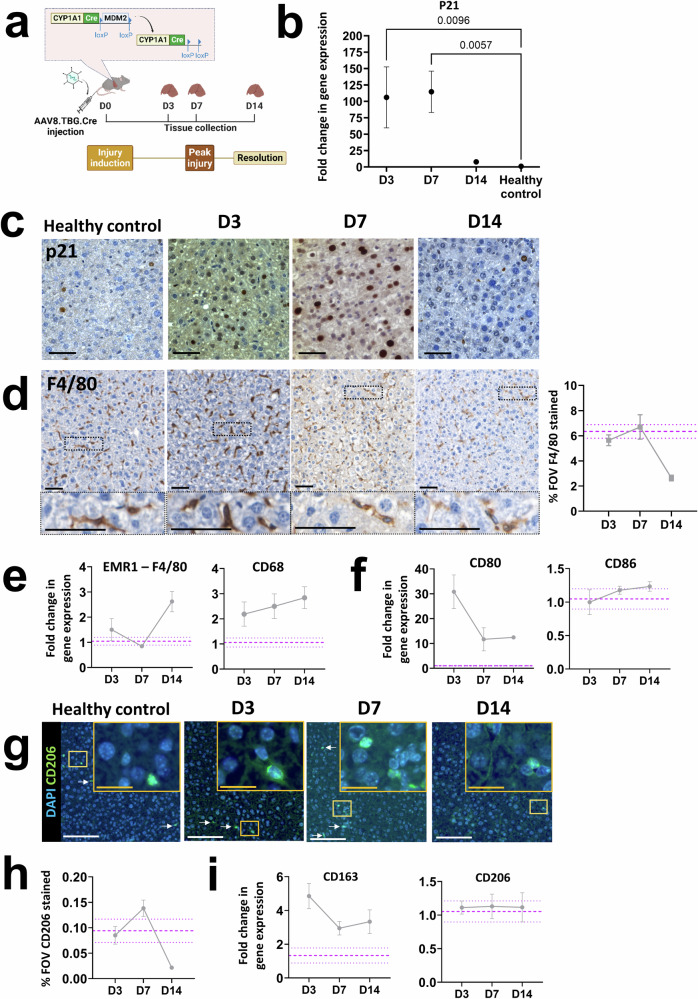
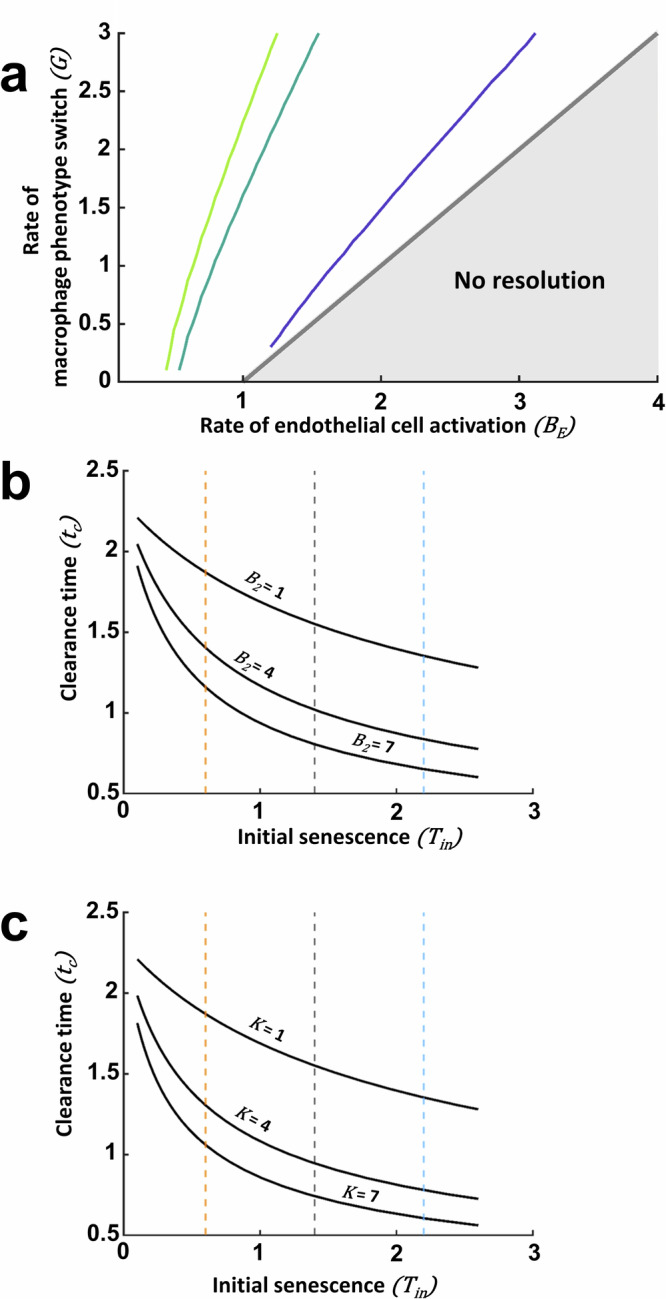
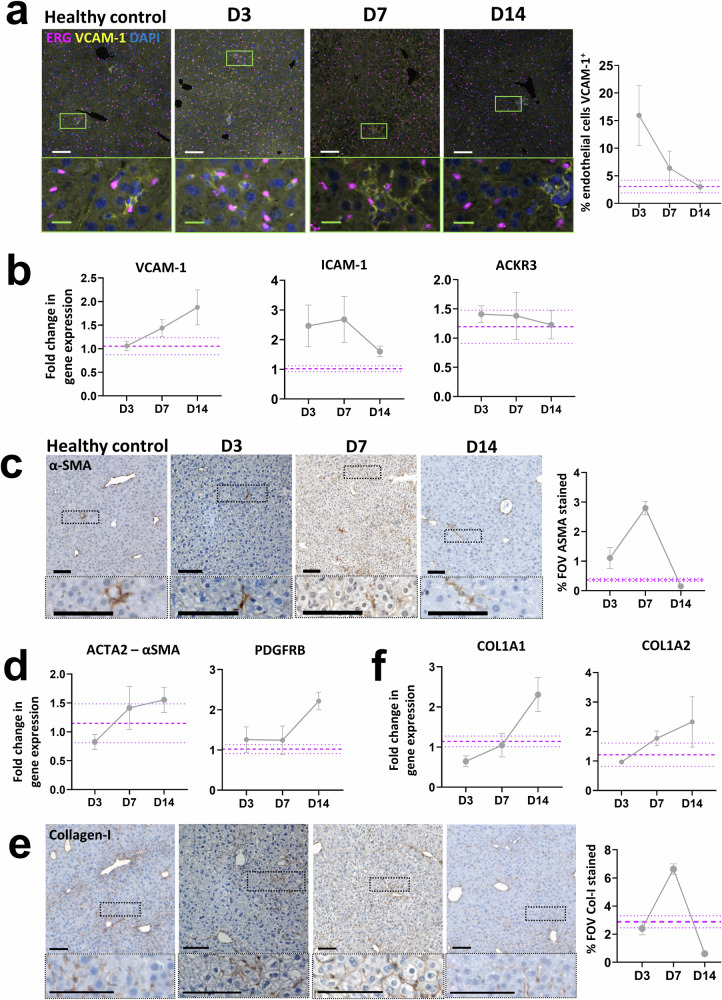
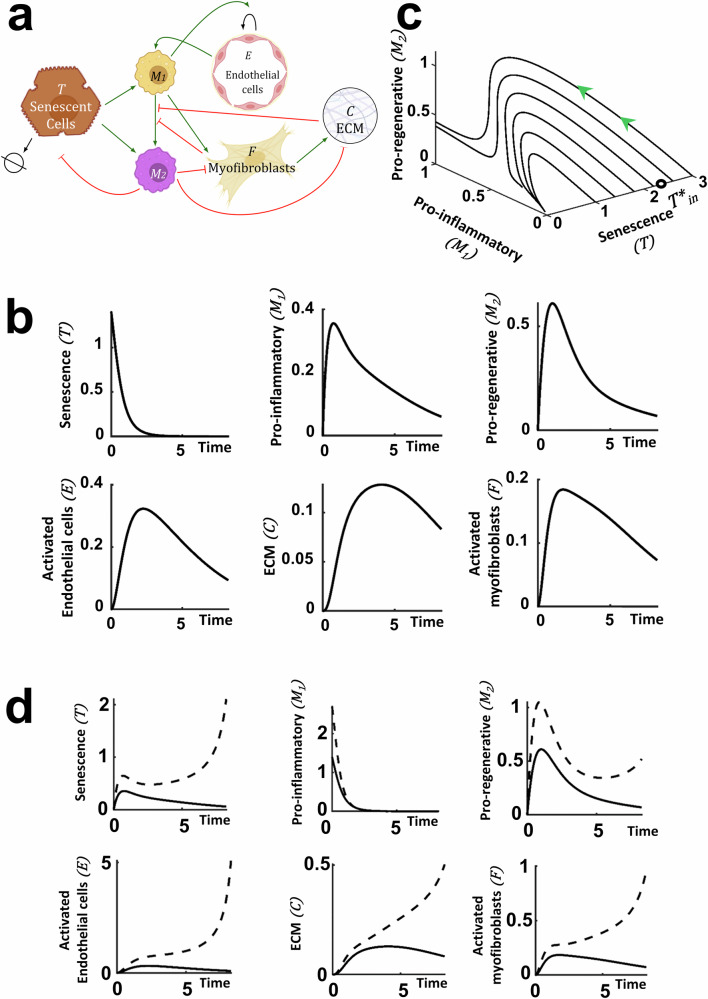
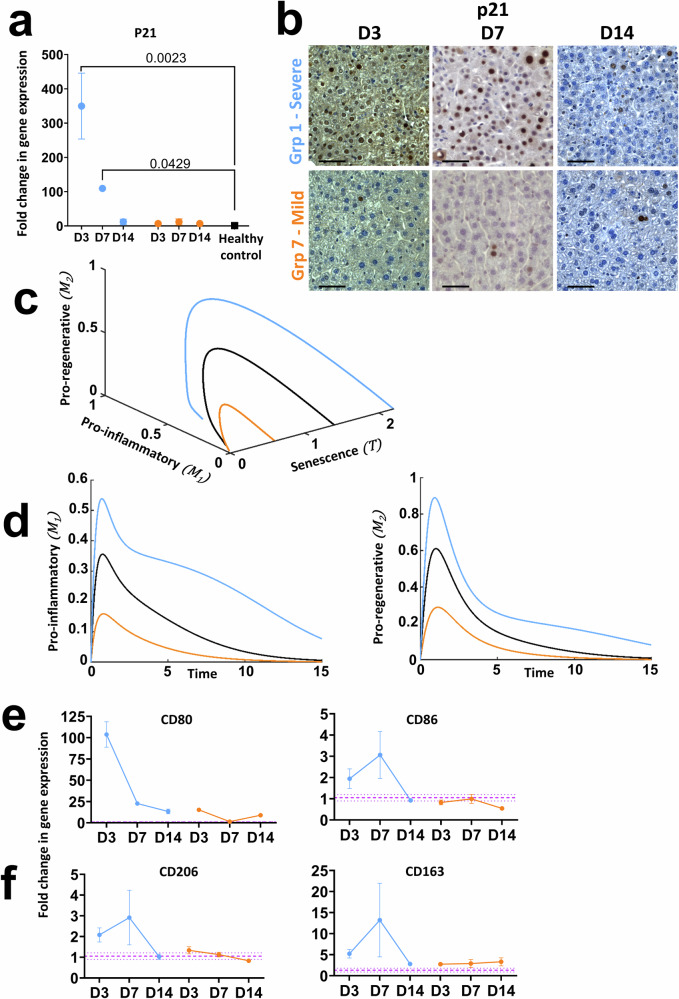
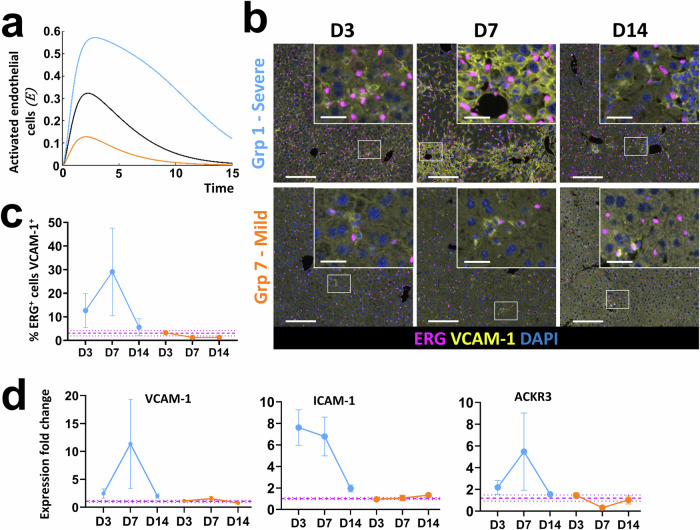
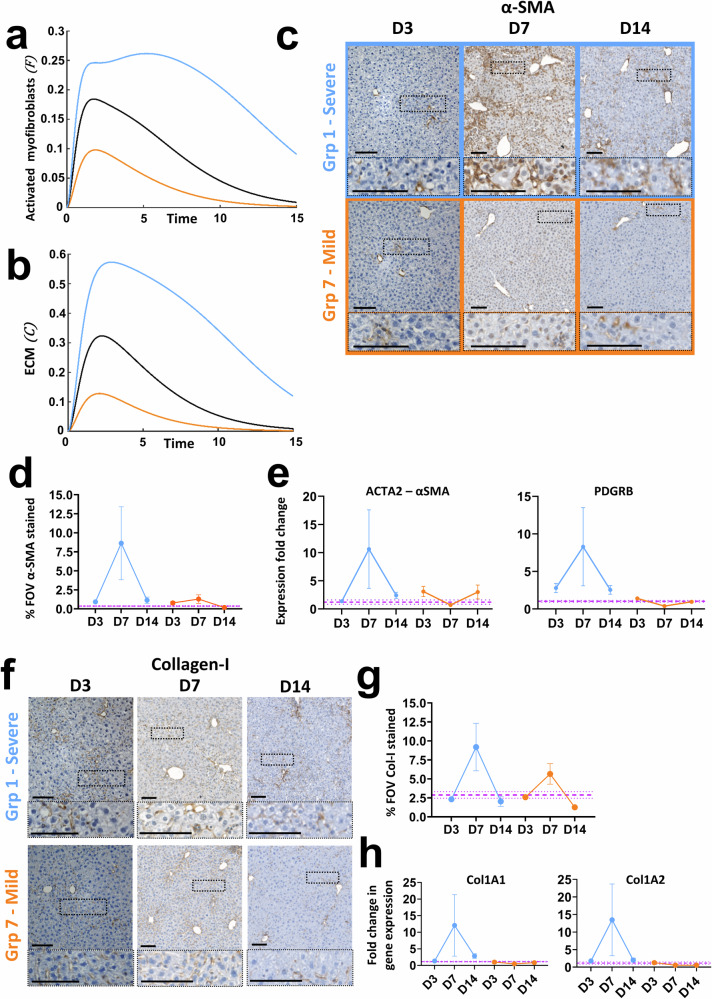
Currently liver transplantation is the only treatment option for liver disease, but organ availability cannot meet patient demand. Alternative regenerative therapies, including cell transplantation, aim to modulate the injured microenvironment from inflammation and scarring towards regeneration. The complexity of the liver injury response makes it challenging to identify suitable therapeutic targets when relying on experimental approaches alone. Therefore, we adopted a combined in vivo-in silico approach and developed an ordinary differential equation model of acute liver disease able to predict the host response to injury and potential interventions. The Mdm2 mouse model of senescence-driven liver injury was used to generate a quantitative dynamic characterisation of the key cellular players (macrophages, endothelial cells, myofibroblasts) and extra cellular matrix involved in liver injury. This was qualitatively captured by the mathematical model. The mathematical model was then used to predict injury outcomes in response to milder and more severe levels of senescence-induced liver injury and validated with experimental in vivo data. In silico experiments using the validated model were then performed to interrogate potential approaches to enhance regeneration. These predicted that increasing the rate of macrophage phenotypic switch or increasing the number of pro-regenerative macrophages in the system will accelerate the rate of senescent cell clearance and resolution. These results showcase the potential benefits of mechanistic mathematical modelling for capturing the dynamics of complex biological systems and identifying therapeutic interventions that may enhance our understanding of injury-repair mechanisms and reduce translational bottlenecks.
目前,肝移植是肝病的唯一治疗选择,但器官供应无法满足患者需求。包括细胞移植在内的替代性再生疗法旨在将受损的微环境从炎症和瘢痕形成调节为再生。肝损伤反应的复杂性使得仅依靠实验方法来确定合适的治疗靶点具有挑战性。因此,我们采用了体内 - 计算机模拟相结合的方法,开发了一种急性肝病常微分方程模型,该模型能够预测宿主对损伤的反应以及潜在的干预措施。衰老驱动的肝损伤的Mdm2小鼠模型用于对参与肝损伤的关键细胞成分(巨噬细胞、内皮细胞、肌成纤维细胞)和细胞外基质进行定量动态表征。数学模型对其进行了定性描述。然后,该数学模型用于预测对轻度和重度衰老诱导的肝损伤的损伤结果,并通过体内实验数据进行验证。接着,使用经过验证的模型进行计算机模拟实验,以探究增强再生的潜在方法。这些预测表明,提高巨噬细胞表型转换率或增加系统中促再生巨噬细胞的数量将加速衰老细胞清除和损伤修复的速度。这些结果展示了机械数学建模在捕捉复杂生物系统动态以及识别可能增强我们对损伤修复机制的理解并减少转化瓶颈的治疗干预措施方面的潜在益处。