Department of Neurosurgery, The Affiliated Hospital of Inner Mongolia Medical University, Hohhot, China.
J Cancer Res Clin Oncol. 2024 Oct 1;150(10):439. doi: 10.1007/s00432-024-05970-5.
Glioma stands as the most prevalent primary brain tumor found within the central nervous system, characterized by high invasiveness and treatment resistance. Although immunotherapy has shown potential in various tumors, it still faces challenges in gliomas. This study seeks to develop and validate a prognostic model for glioma based on immune-related genes, to provide new tools for precision medicine.
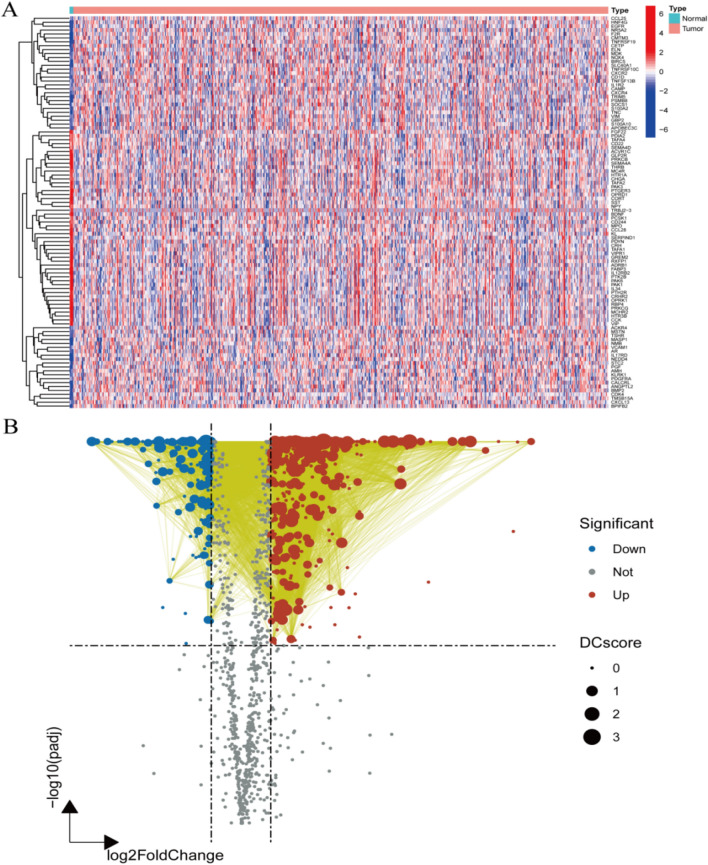
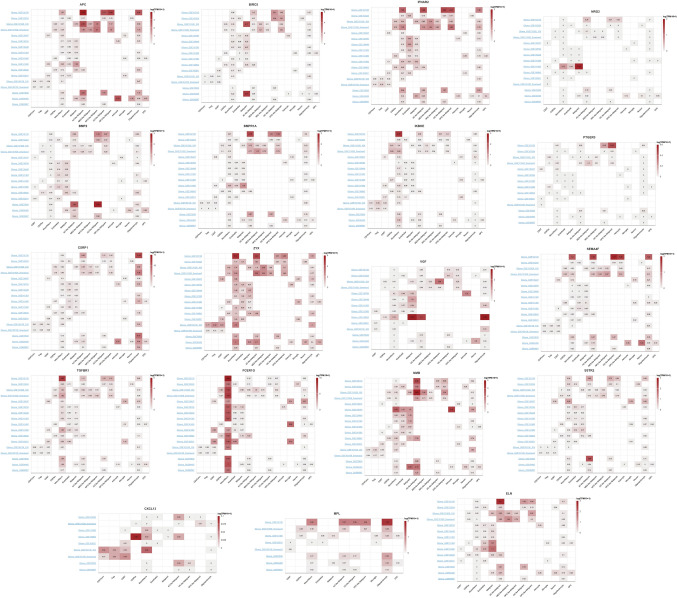
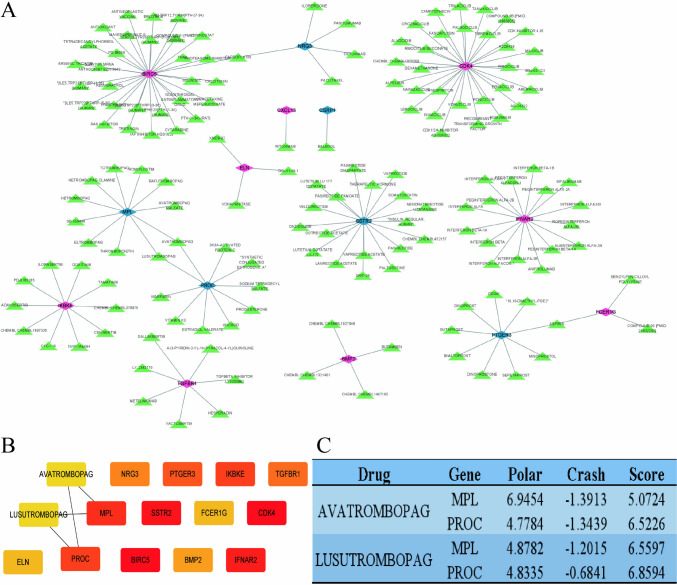
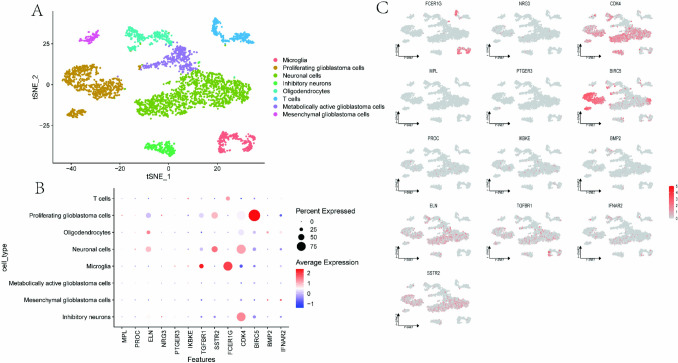
Glioma samples were obtained from a database that includes the ImmPort database. Additionally, we incorporated ten machine learning algorithms to assess the model's performance using evaluation metrics like the Harrell concordance index (C-index). The model genes were further studied using GSCA, TISCH2, and HPA databases to understand their role in glioma pathology at the genomic, molecular, and single-cell levels, and validate the biological function of IKBKE in vitro experiments.
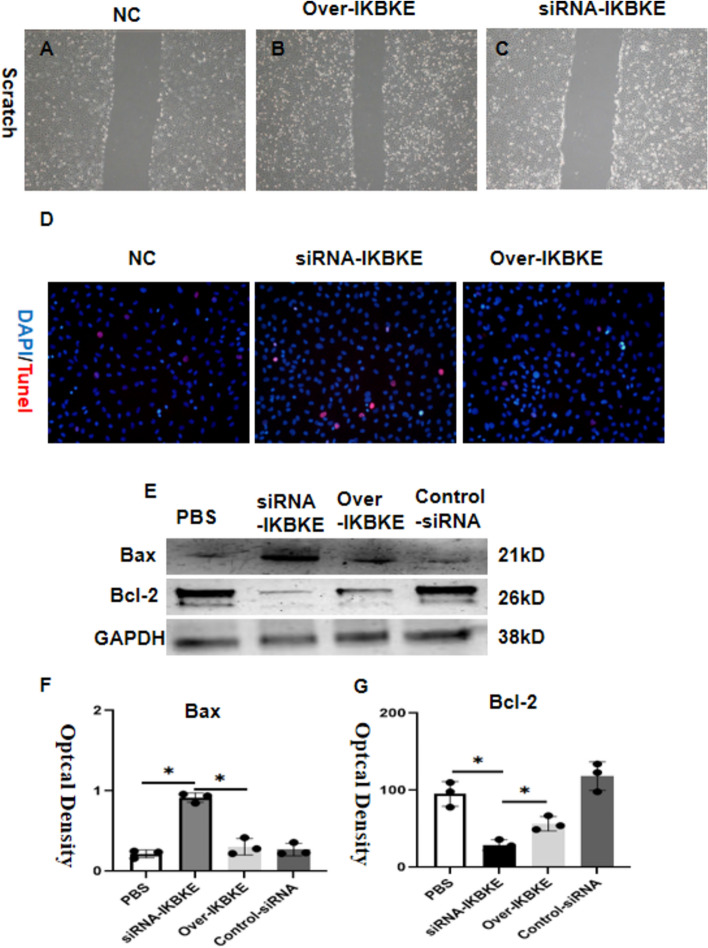
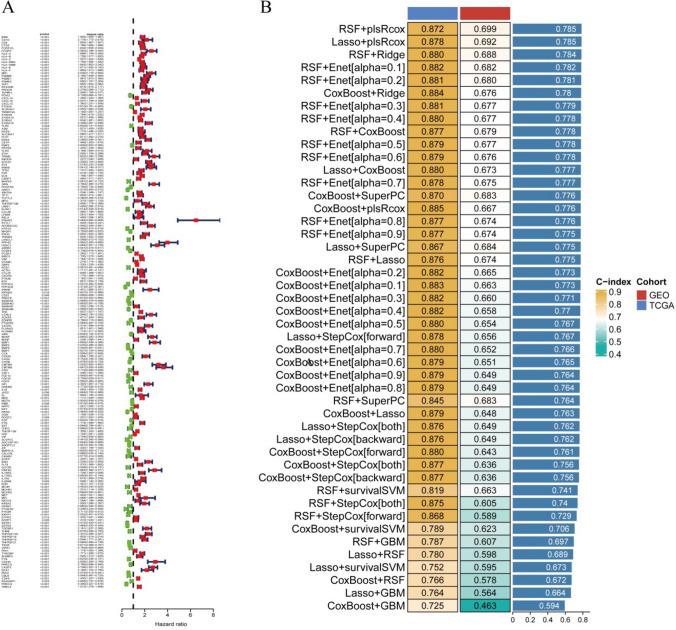
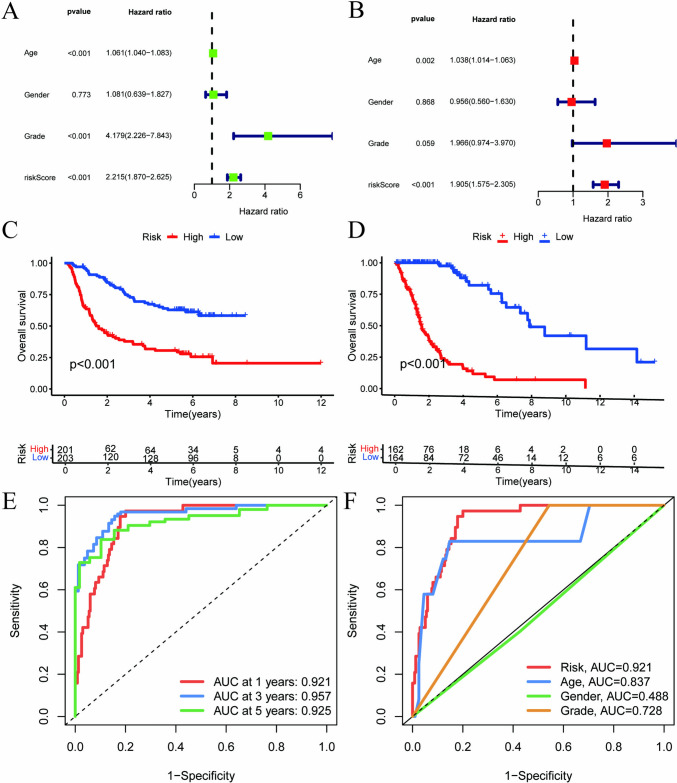
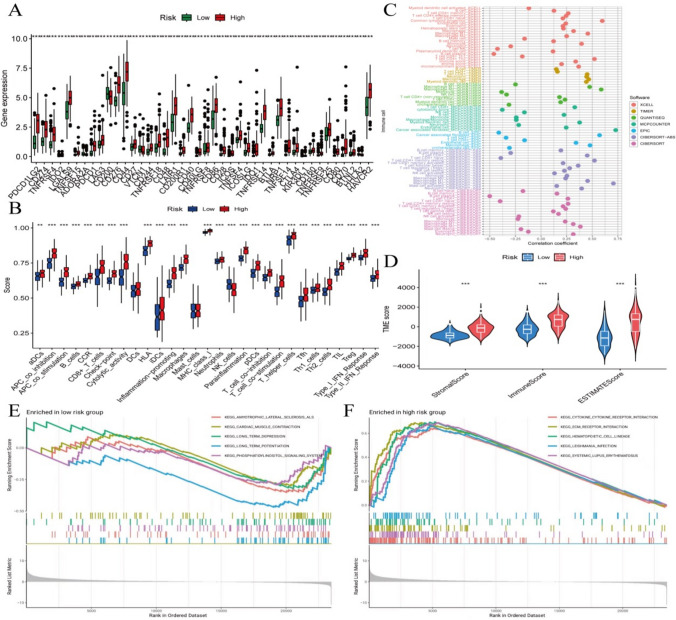
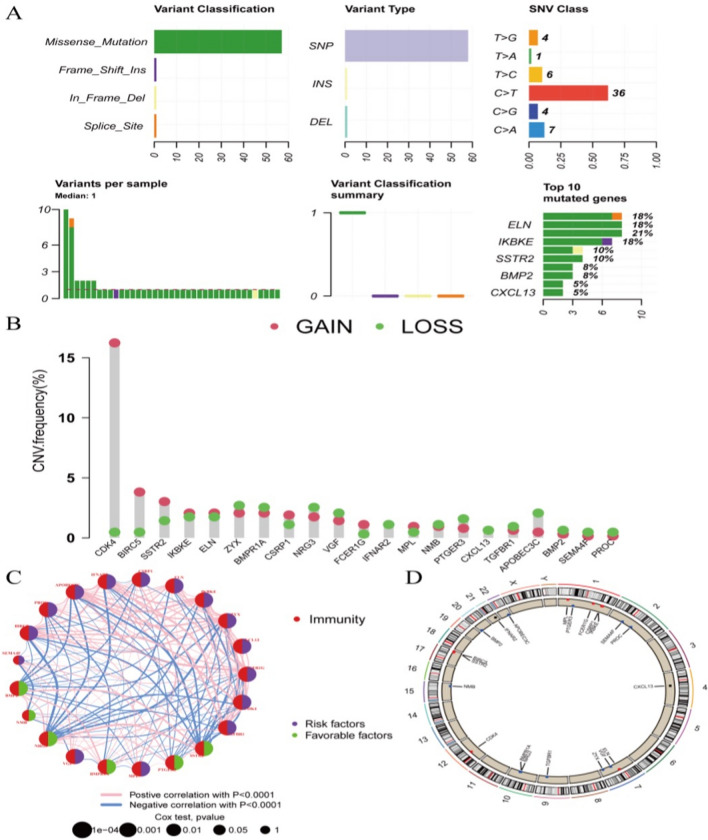
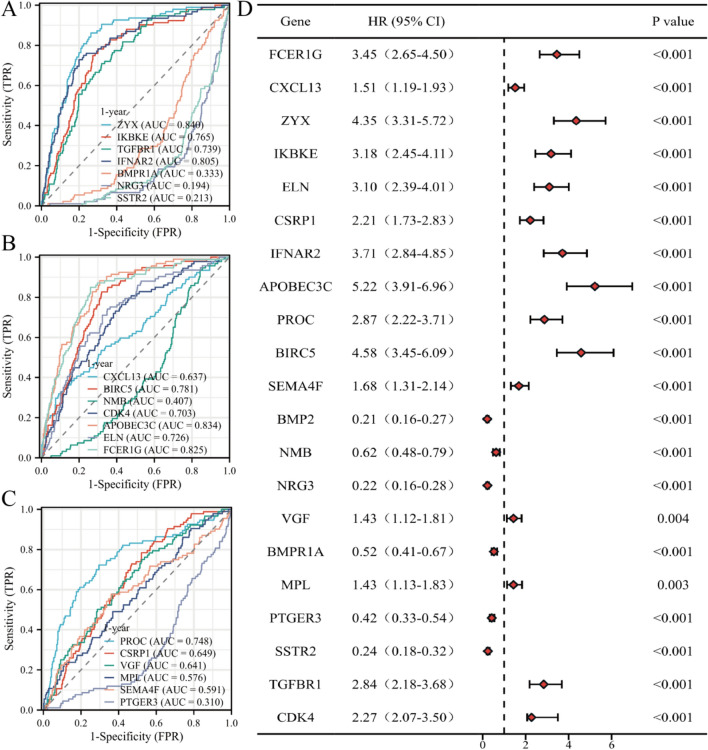
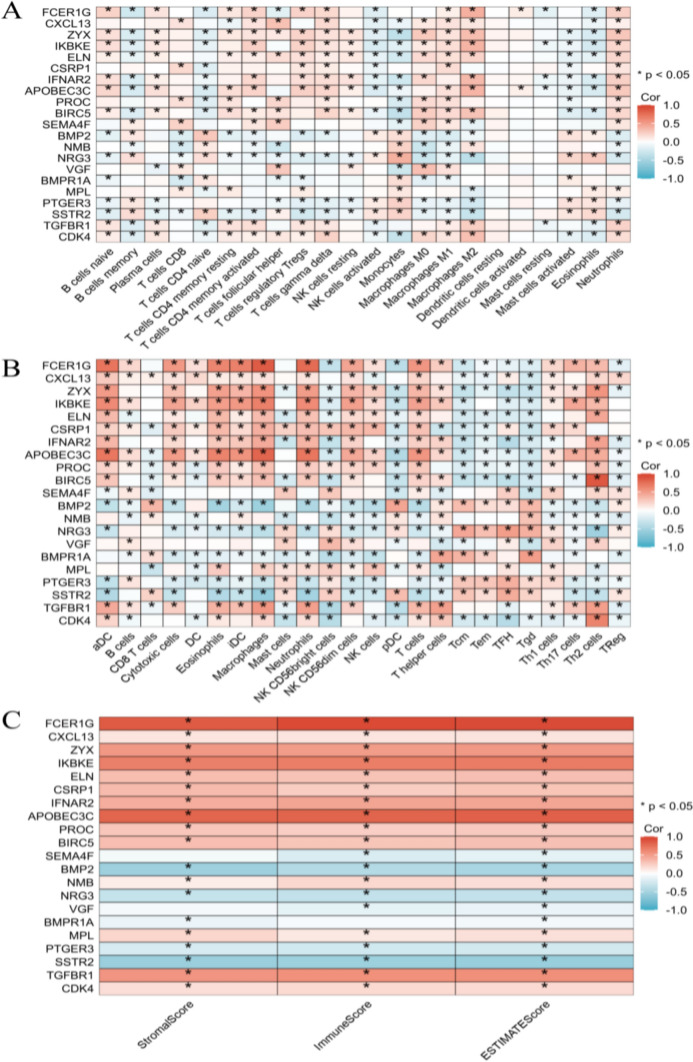
In this study, a total of 199 genes associated with prognosis were identified using univariate Cox analysis. Subsequently, a consensus prognostic model was developed through the application of machine learning algorithms. In which the Lasso + plsRcox algorithm demonstrated the best predictive performance. The model showed a good ability to distinguish two groups in both the training and test sets. Additionally, the model genes were closely related to immunity (oligodendrocytes and macrophages), and mutation burden. The results of in vitro experiments showed that the expression level of the IKBKE gene had a significant effect on the apoptosis and migration of GL261 glioma cells. Western blot analysis showed that down-regulation of IKBKE resulted in increased expression of pro-apoptotic protein Bax and decreased expression of anti-apoptotic protein Bcl-2, which was consistent with increased apoptosis rate. On the contrary, IKBKE overexpression caused a decrease in Bax expression an increase in Bcl-2 expression, and a decrease in apoptosis rate. Tunel results further confirmed that down-regulation of IKBKE promoted apoptosis, while overexpression of IKBKE reduced apoptosis. In addition, cells with down-regulated IKBKE had reduced migration in scratch experiments, while cells with overexpression of IKBKE had increased migration.
This study successfully constructed a glioma prognosis model based on immune-related genes. These findings provide new perspectives for glioma prognosis assessment and immunotherapy.
神经胶质瘤是中枢神经系统中最常见的原发性脑肿瘤,具有高度侵袭性和治疗抵抗性。虽然免疫疗法在各种肿瘤中显示出了潜力,但在神经胶质瘤中仍面临挑战。本研究旨在基于免疫相关基因开发和验证神经胶质瘤的预后模型,为精准医学提供新的工具。
从包括 ImmPort 数据库在内的数据库中获取神经胶质瘤样本。此外,我们还整合了十种机器学习算法,使用评估指标(如 Harrell 一致性指数(C-index))来评估模型的性能。通过 GSCA、TISCH2 和 HPA 数据库进一步研究模型基因,以了解它们在神经胶质瘤病理中的基因组、分子和单细胞水平上的作用,并通过体外实验验证 IKBKE 的生物学功能。
本研究通过单变量 Cox 分析共鉴定出 199 个与预后相关的基因。随后,通过机器学习算法应用开发了共识预后模型。其中,Lasso + plsRcox 算法表现出最佳的预测性能。模型在训练集和测试集两组之间都具有良好的区分能力。此外,模型基因与免疫(少突胶质细胞和巨噬细胞)和突变负担密切相关。体外实验结果表明,IKBKE 基因的表达水平对 GL261 神经胶质瘤细胞的凋亡和迁移有显著影响。Western blot 分析表明,下调 IKBKE 导致促凋亡蛋白 Bax 的表达增加,抗凋亡蛋白 Bcl-2 的表达减少,与凋亡率增加一致。相反,IKBKE 过表达导致 Bax 表达减少,Bcl-2 表达增加,凋亡率降低。Tunel 结果进一步证实,下调 IKBKE 促进凋亡,而过表达 IKBKE 减少凋亡。此外,下调 IKBKE 的细胞在划痕实验中的迁移减少,而过表达 IKBKE 的细胞迁移增加。
本研究成功构建了基于免疫相关基因的神经胶质瘤预后模型。这些发现为神经胶质瘤预后评估和免疫治疗提供了新的视角。