Science for Life Laboratory, KTH - Royal Institute of Technology, Stockholm, Sweden.
Department of Neurology and Neuroscience, Faculty of Medicine, Alanya Alaaddin Keykubat University, Antalya, Turkey.
Alzheimers Res Ther. 2024 Oct 2;16(1):213. doi: 10.1186/s13195-024-01578-6.
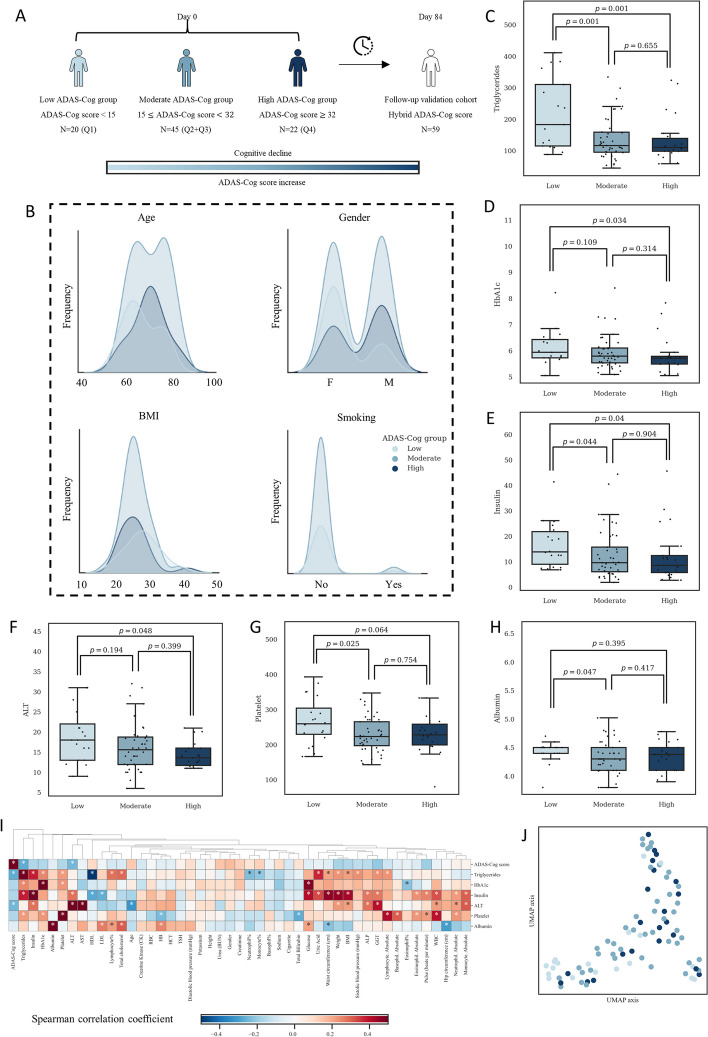
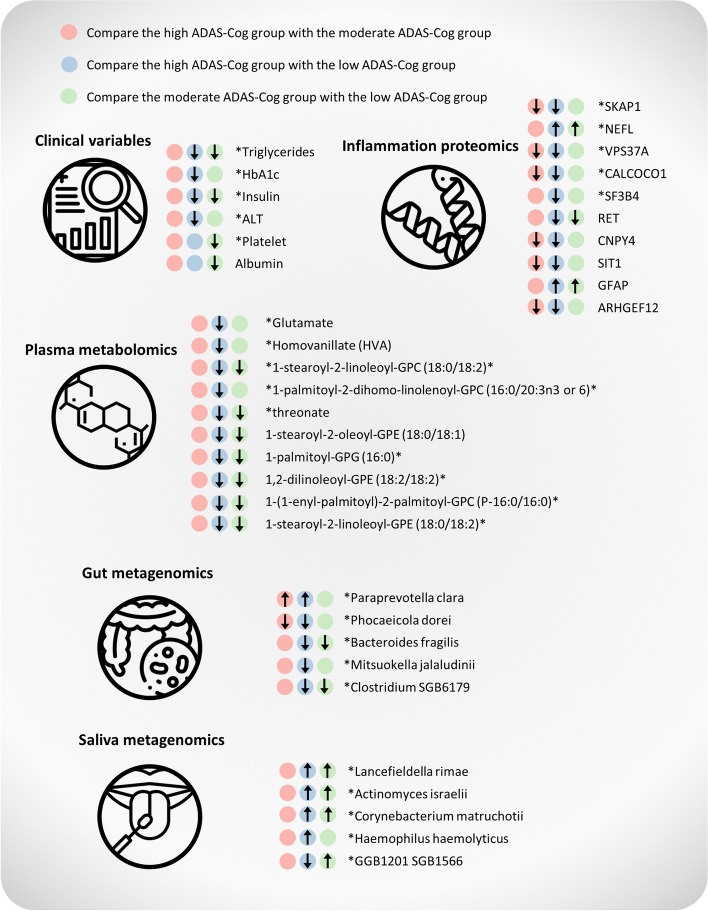
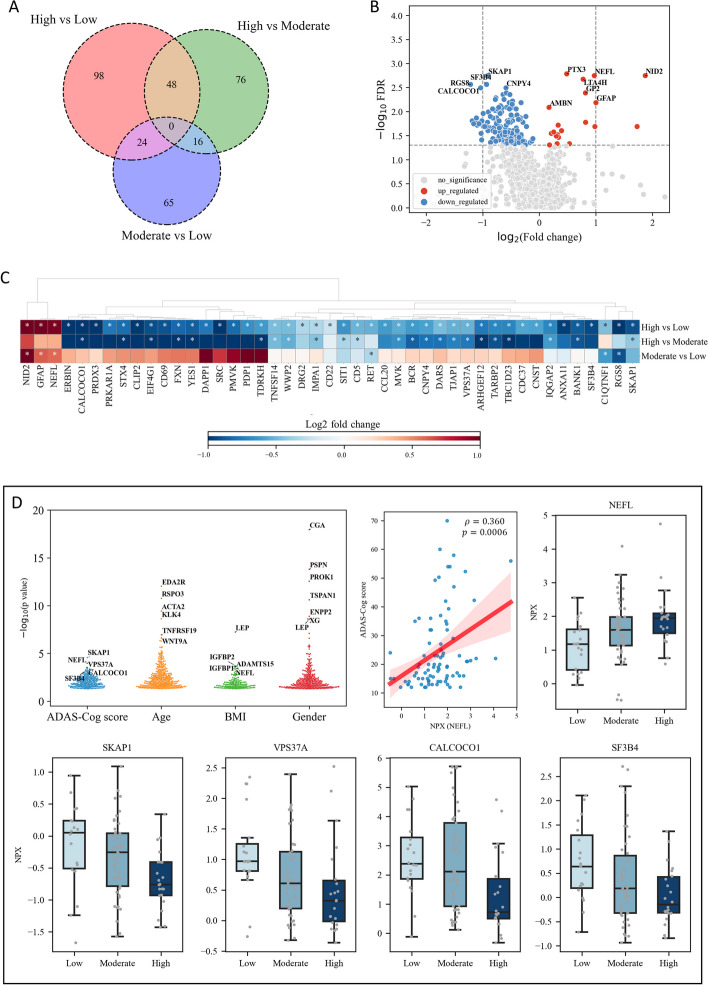
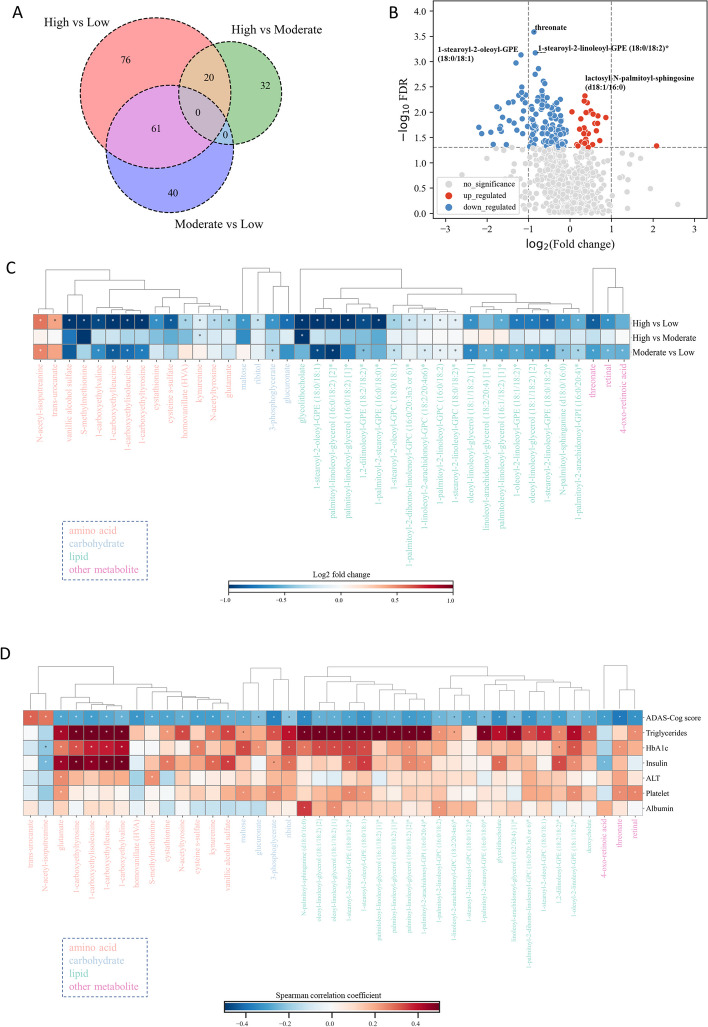
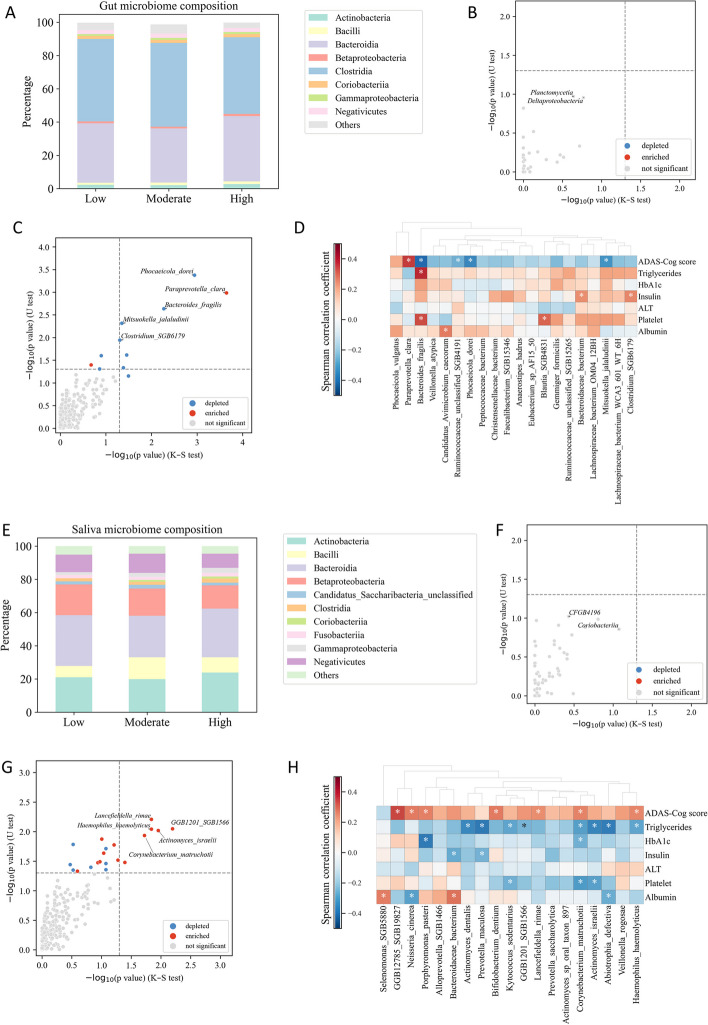
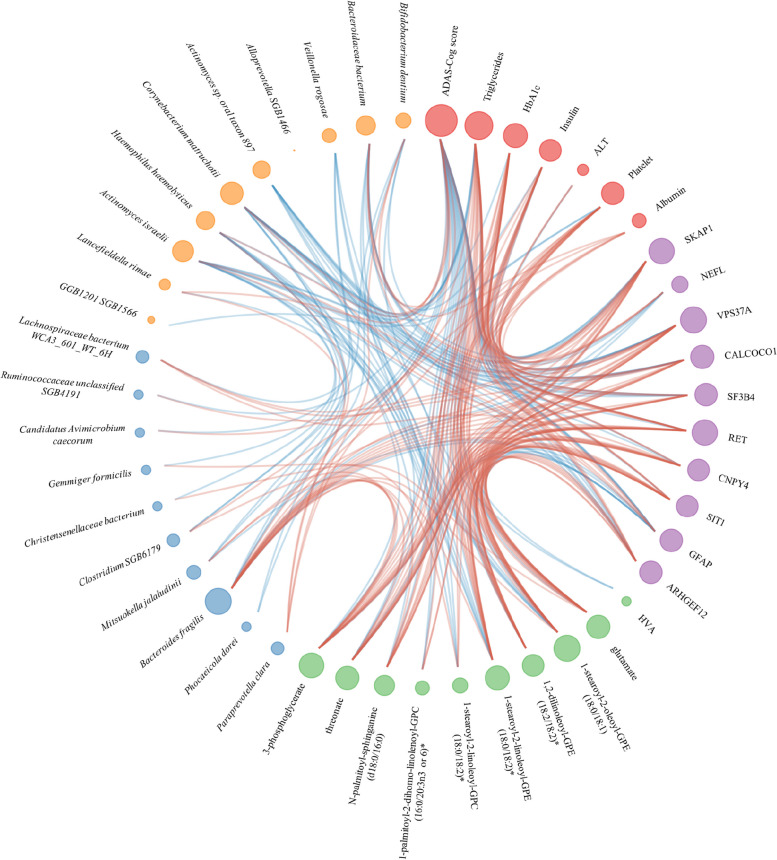
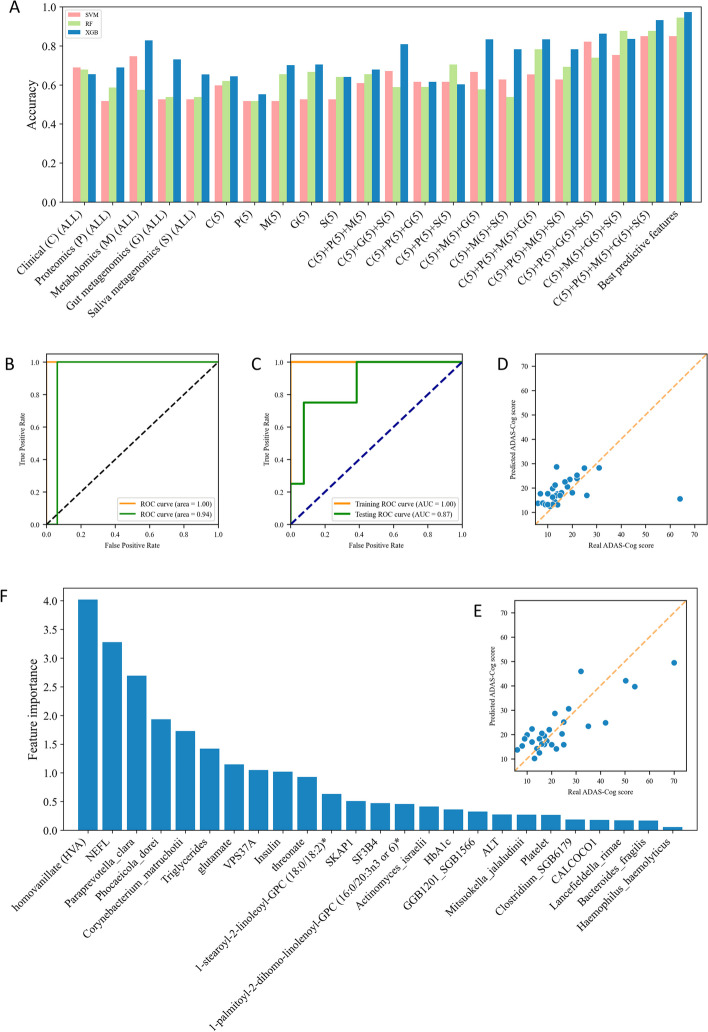
Alzheimer's disease (AD) is a debilitating neurodegenerative disorder with a global impact, yet its pathogenesis remains poorly understood. While age, metabolic abnormalities, and accumulation of neurotoxic substances are potential risk factors for AD, their effects are confounded by other factors. To address this challenge, we first utilized multi-omics data from 87 well phenotyped AD patients and generated plasma proteomics and metabolomics data, as well as gut and saliva metagenomics data to investigate the molecular-level alterations accounting the host-microbiome interactions. Second, we analyzed individual omics data and identified the key parameters involved in the severity of the dementia in AD patients. Next, we employed Artificial Intelligence (AI) based models to predict AD severity based on the significantly altered features identified in each omics analysis. Based on our integrative analysis, we found the clinical relevance of plasma proteins, including SKAP1 and NEFL, plasma metabolites including homovanillate and glutamate, and Paraprevotella clara in gut microbiome in predicting the AD severity. Finally, we validated the predictive power of our AI based models by generating additional multi-omics data from the same group of AD patients by following up for 3 months. Hence, we observed that these results may have important implications for the development of potential diagnostic and therapeutic approaches for AD patients.
阿尔茨海默病(AD)是一种具有全球影响力的使人虚弱的神经退行性疾病,但它的发病机制仍未被很好地理解。虽然年龄、代谢异常和神经毒性物质的积累是 AD 的潜在危险因素,但它们的影响受到其他因素的干扰。为了解决这一挑战,我们首先利用来自 87 名经过充分表型分析的 AD 患者的多组学数据,生成了血浆蛋白质组学和代谢组学数据,以及肠道和唾液宏基因组学数据,以研究导致宿主-微生物组相互作用的分子水平变化。其次,我们分析了个体组学数据,并确定了 AD 患者痴呆严重程度相关的关键参数。接下来,我们采用基于人工智能(AI)的模型,根据每个组学分析中发现的显著改变的特征来预测 AD 的严重程度。基于我们的综合分析,我们发现了血浆蛋白(包括 SKAP1 和 NEFL)、血浆代谢物(包括高香草酸和谷氨酸)和肠道微生物组中的 Paraprevotella clara 在预测 AD 严重程度方面的临床相关性。最后,我们通过对同一组 AD 患者进行 3 个月的随访,生成了额外的多组学数据,验证了我们基于 AI 的模型的预测能力。因此,我们观察到这些结果可能对 AD 患者潜在诊断和治疗方法的发展具有重要意义。