Department of Microbial Infection and Immunity, Infectious Disease Institute, The Ohio State University, Columbus, United States.
Pelotonia Institute for Immuno-Oncology, The Ohio State University Comprehensive Cancer Center, The Ohio State University, Columbus, United States.
Elife. 2024 Oct 4;13:RP94849. doi: 10.7554/eLife.94849.
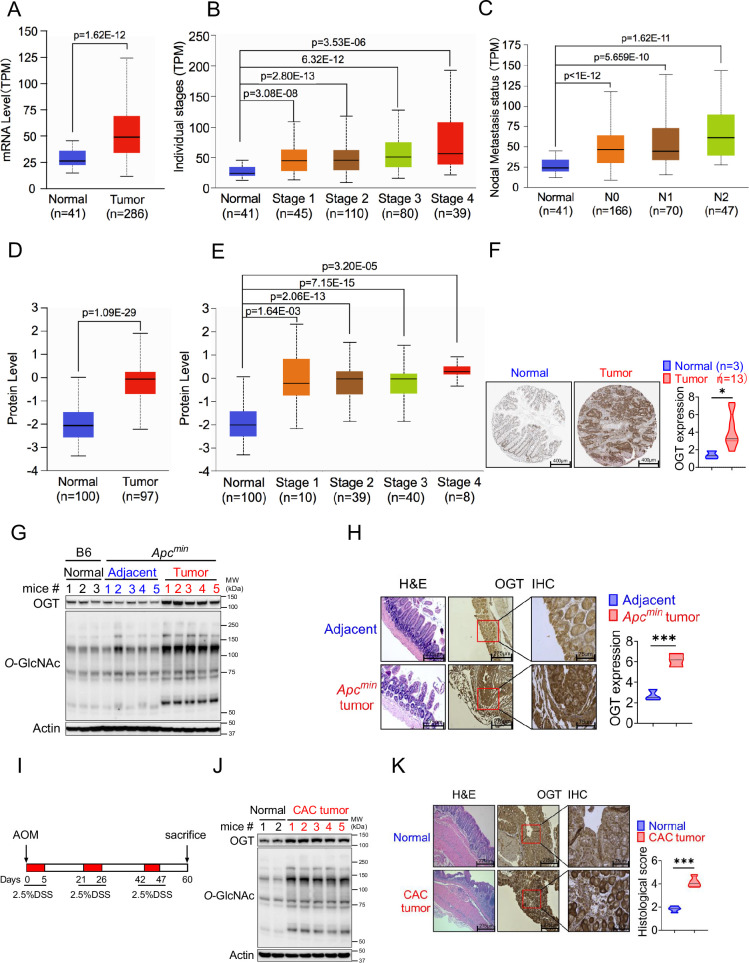
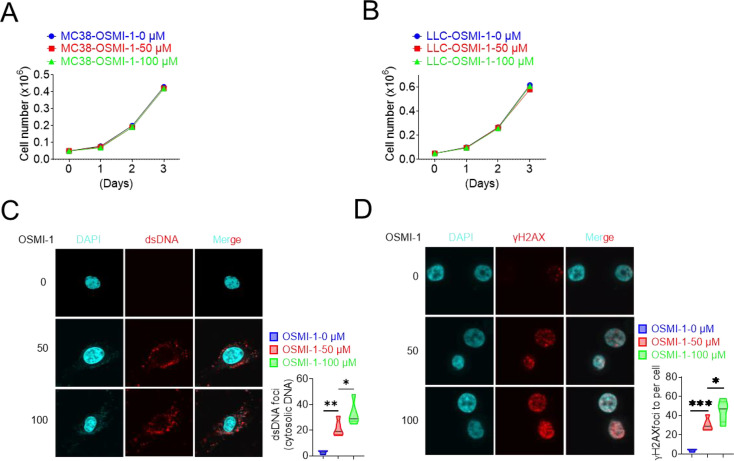
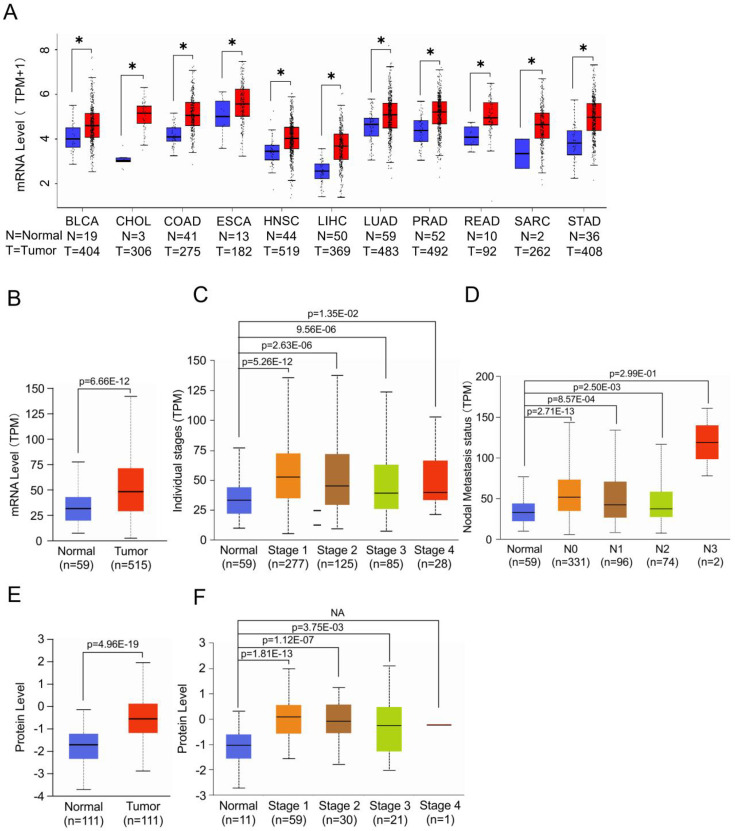
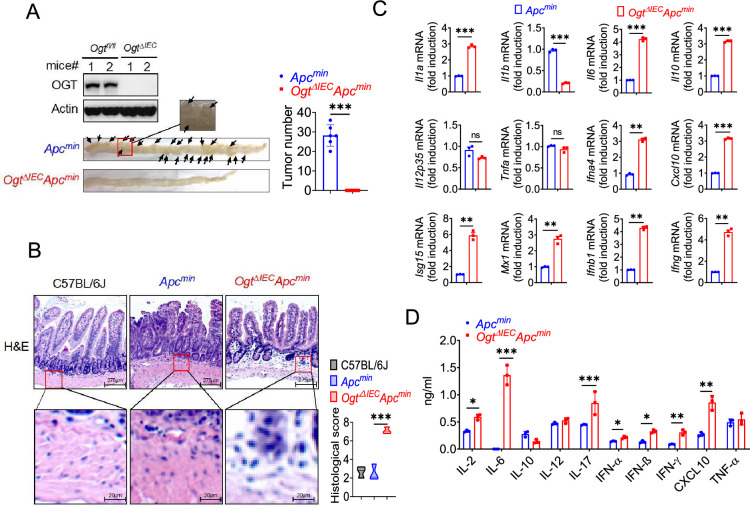
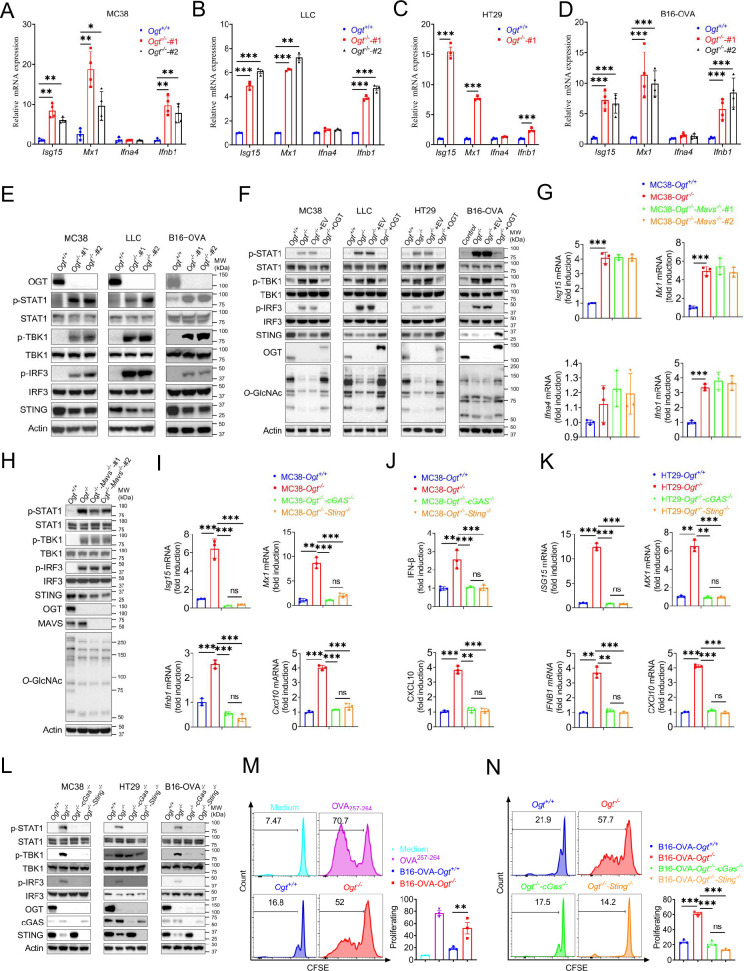
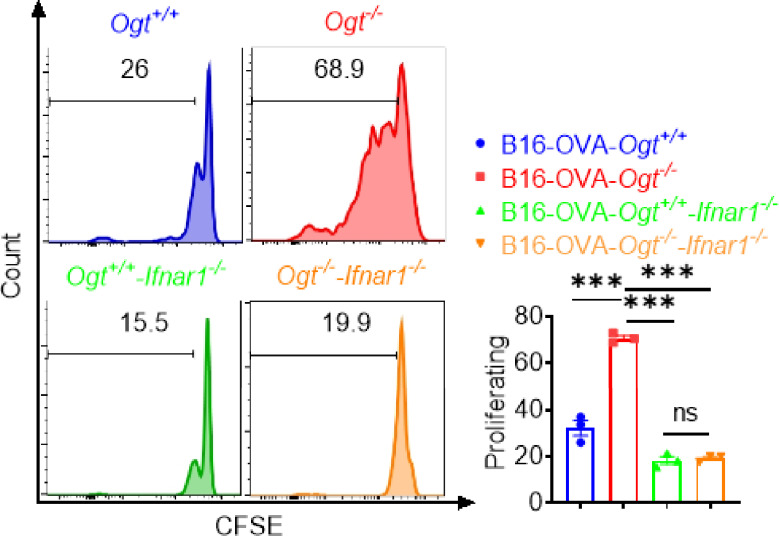
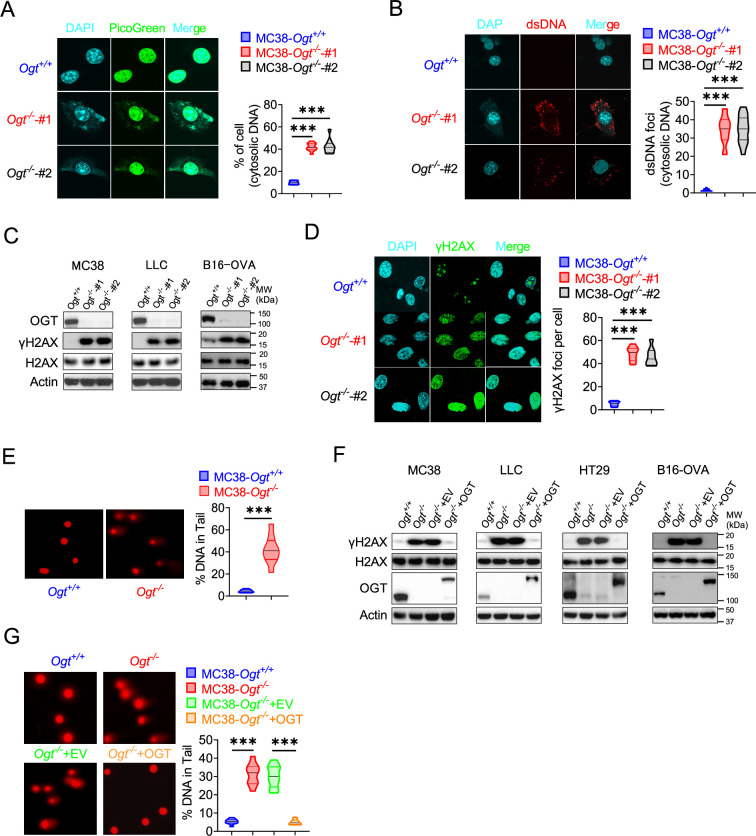
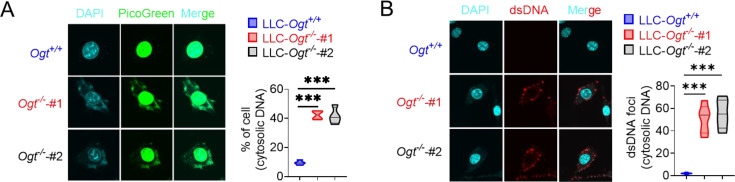
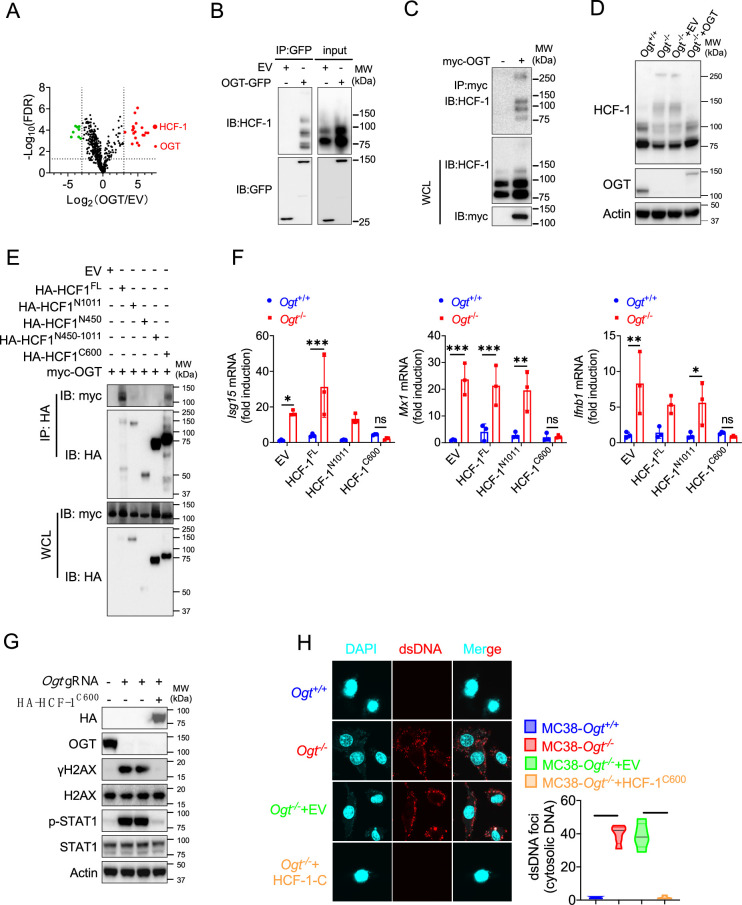
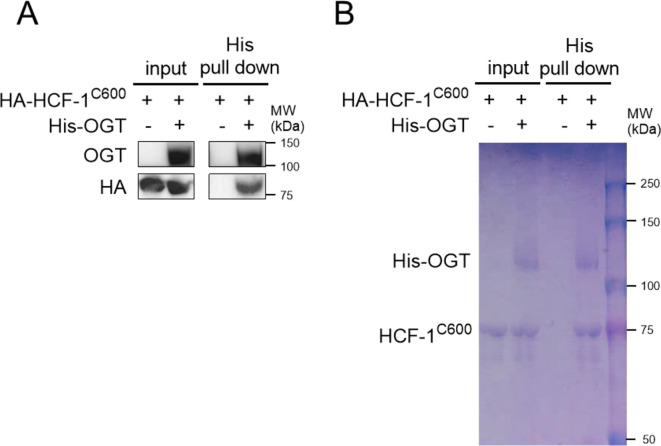
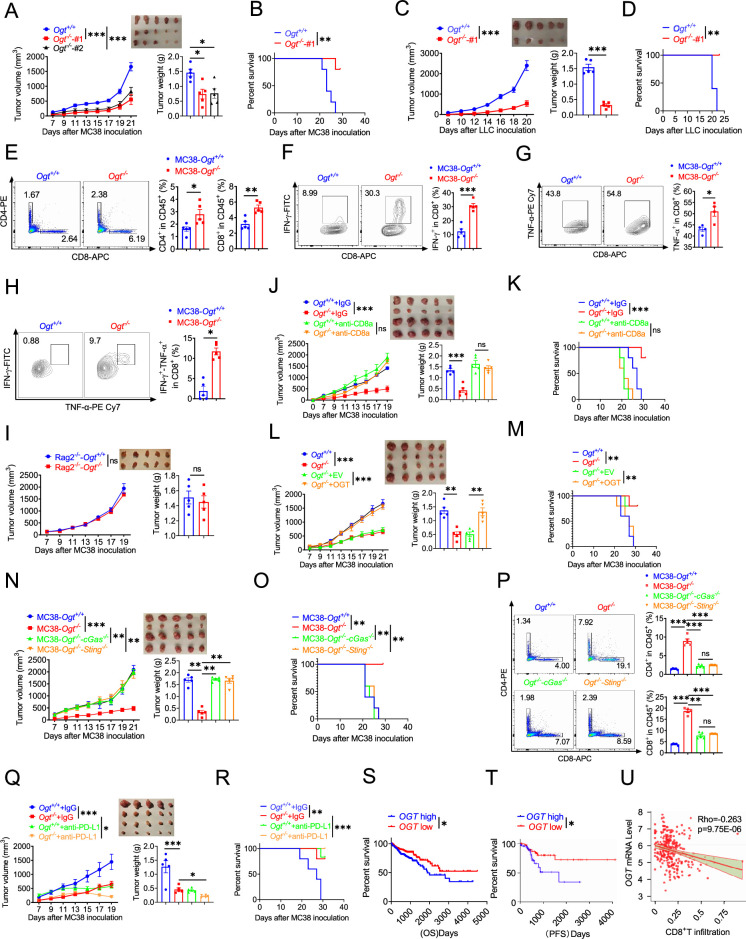
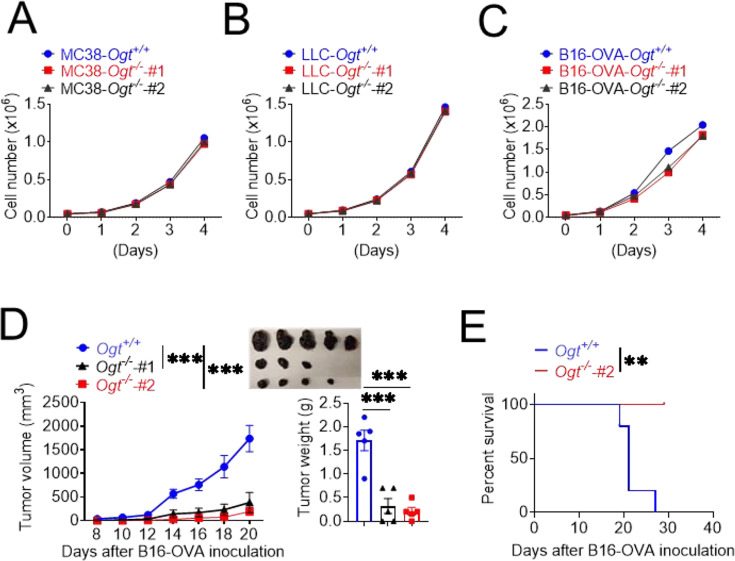
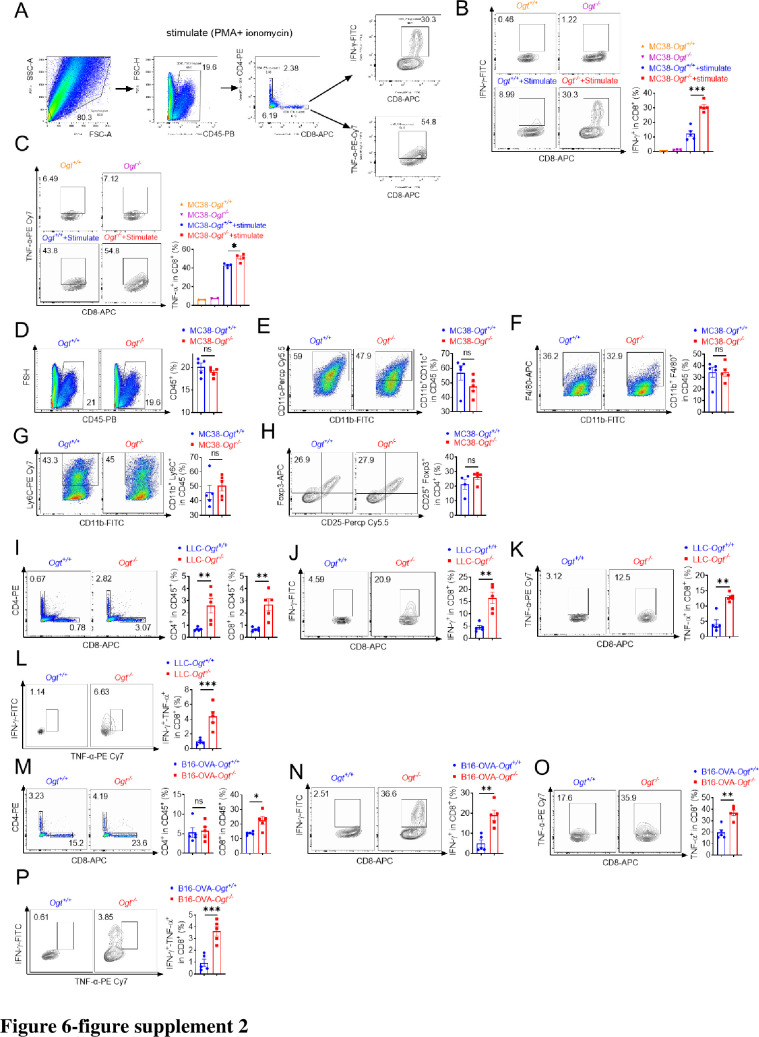
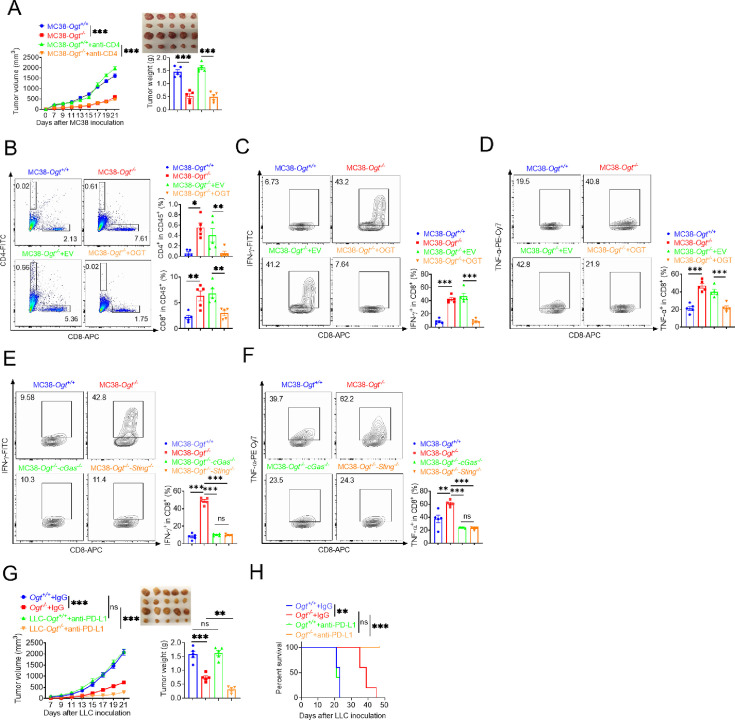
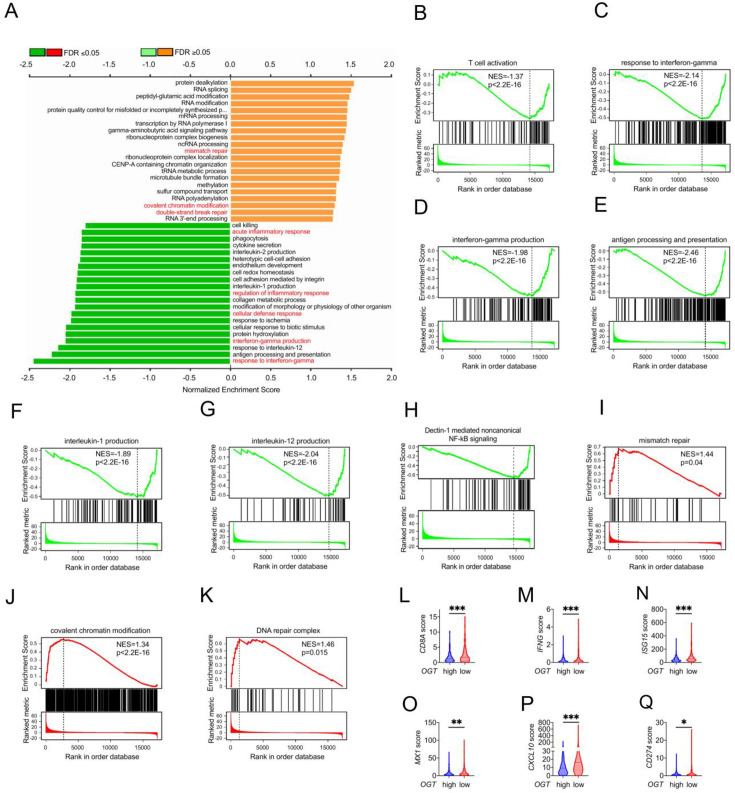
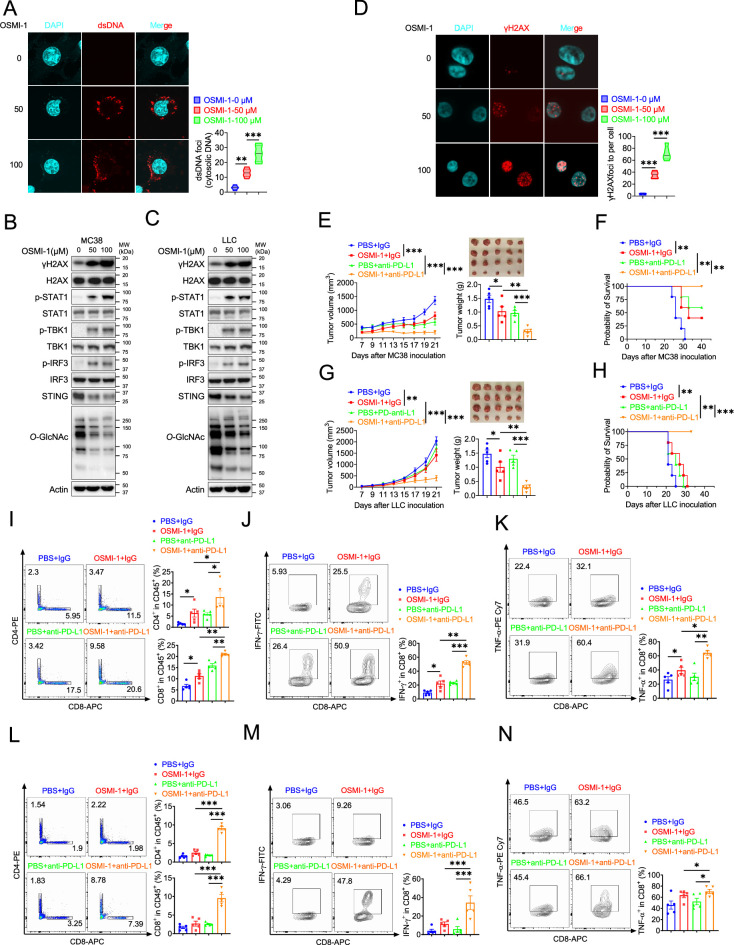
The -GlcNAc transferase (OGT) is an essential enzyme that mediates protein -GlcNAcylation, a unique form of posttranslational modification of many nuclear and cytosolic proteins. Recent studies observed increased OGT and -GlcNAcylation levels in a broad range of human cancer tissues compared to adjacent normal tissues, indicating a universal effect of OGT in promoting tumorigenesis. Here, we show that OGT is essential for tumor growth in immunocompetent mice by repressing the cyclic GMP-AMP synthase (cGAS)-dependent DNA sensing pathway. We found that deletion of OGT () caused a marked reduction in tumor growth in both syngeneic mice tumor models and a genetic mice colorectal cancer (CRC) model induced by mutation of the gene (). Pharmacological inhibition or genetic deletion of OGT induced a robust genomic instability (GIN), leading to cGAS-dependent production of the type I interferon (IFN-I) and IFN-stimulated genes (ISGs). As a result, deletion of or from cancer cells restored tumor growth, and this correlated with impaired CD8 T-cell-mediated antitumor immunity. Mechanistically, we found that OGT-dependent cleavage of host cell factor C1 (HCF-1) is required for the avoidance of GIN and IFN-I production in tumors. In summary, our results identify OGT-mediated genomic stability and activate cGAS-STING pathway as an important tumor-cell-intrinsic mechanism to repress antitumor immunity.
-O-GlcNAc 转移酶(OGT)是一种重要的酶,介导许多核内和胞质蛋白的-O-GlcNAc 糖基化,这是一种独特的翻译后修饰形式。最近的研究观察到,与相邻的正常组织相比,在广泛的人类癌症组织中 OGT 和-O-GlcNAc 水平升高,这表明 OGT 在促进肿瘤发生方面具有普遍性。在这里,我们通过抑制环鸟苷酸-腺苷酸合酶(cGAS)依赖性 DNA 感应途径,表明 OGT 对免疫活性小鼠的肿瘤生长是必需的。我们发现,OGT 的缺失()导致同源小鼠肿瘤模型和突变诱导的遗传小鼠结直肠癌(CRC)模型中的肿瘤生长明显减少()。OGT 的药理学抑制或基因缺失诱导了强大的基因组不稳定性(GIN),导致 I 型干扰素(IFN-I)和 IFN 刺激基因(ISGs)的 cGAS 依赖性产生。结果,从 癌症细胞中缺失 或 恢复了肿瘤生长,这与 CD8 T 细胞介导的抗肿瘤免疫受损相关。从机制上讲,我们发现宿主细胞因子 C1(HCF-1)的 OGT 依赖性切割对于避免肿瘤中的 GIN 和 IFN-I 产生是必需的。总之,我们的结果确定了 OGT 介导的基因组稳定性和激活 cGAS-STING 途径作为抑制抗肿瘤免疫的重要肿瘤细胞内在机制。