Solis-Pazmino Paola, Hernandez Iván, Gordon Erika, Clavijo Estefania, Alvarado Estefania, Lincango Eddy, Cedeño Andrés
Department of General Surgery, Santa Casa de Misericórdia de Porto Alegre, Porto Alegre, Brazil.
Hospital Pablo Arturo Suárez, Quito 170103, Ecuador.
J Surg Case Rep. 2024 Oct 3;2024(10):rjae614. doi: 10.1093/jscr/rjae614. eCollection 2024 Oct.
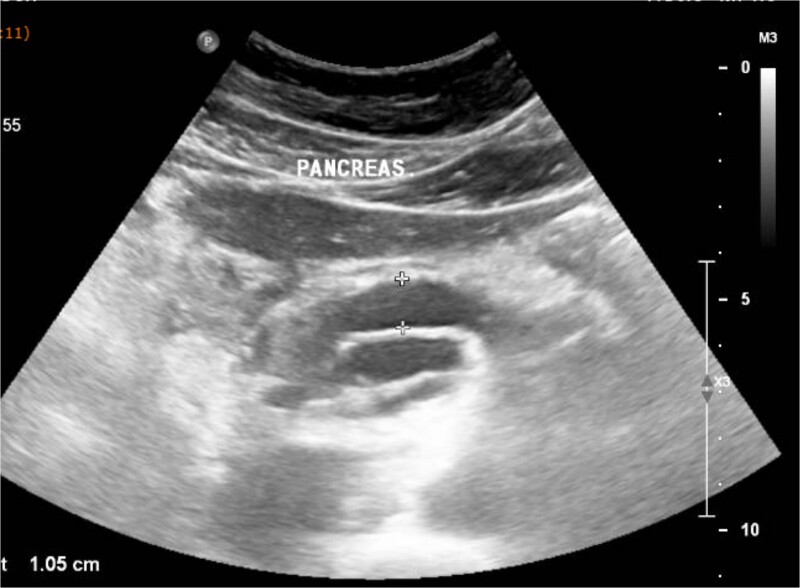
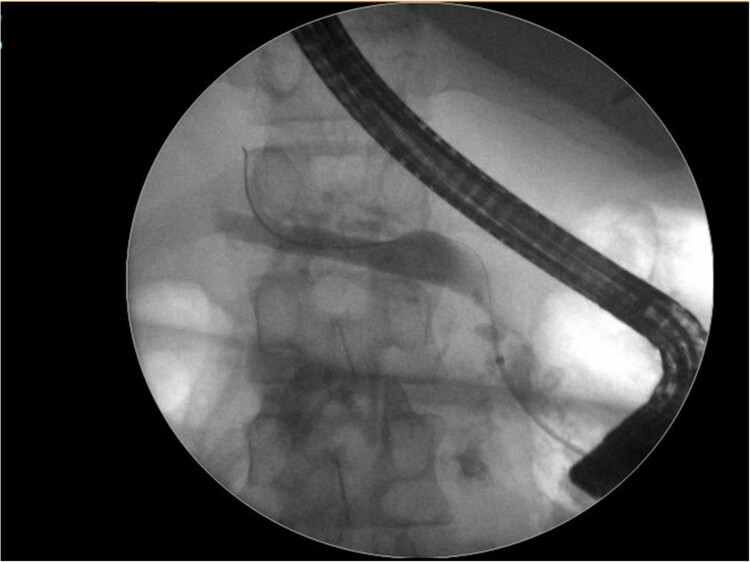
This case report highlights the clinical presentation and surgical management of a 27-year-old man with recurrent pancreatitis attributed to a homozygous SPINK1 (N34S) mutation. The patient, who experienced multiple hospital admissions, underwent extensive diagnostic evaluations, including imaging and genetic testing, confirming the hereditary nature of his condition. Despite unsuccessful endoscopic interventions, a laparoscopic Puestow procedure was performed, aiming to alleviate symptoms and improve pancreatic drainage. Postoperatively, the patient's recovery was successful, and he was discharged with supplemental pancreatic enzyme therapy. The differential diagnosis included autoimmune pancreatitis and non-hereditary chronic pancreatitis. This case underscores the challenges and considerations in the diagnosis and management of hereditary pancreatitis associated with SPINK1 mutations, emphasizing the role of surgical interventions for selected cases.
本病例报告重点介绍了一名27岁男性复发性胰腺炎的临床表现及外科治疗情况,该患者的胰腺炎归因于纯合子SPINK1(N34S)突变。该患者多次入院,接受了包括影像学和基因检测在内的广泛诊断评估,证实了其病情的遗传性。尽管内镜干预未成功,但仍进行了腹腔镜Puestow手术,旨在缓解症状并改善胰腺引流。术后,患者恢复顺利,出院时接受补充性胰酶治疗。鉴别诊断包括自身免疫性胰腺炎和非遗传性慢性胰腺炎。本病例强调了与SPINK1突变相关的遗传性胰腺炎诊断和管理中的挑战与注意事项,突出了手术干预在特定病例中的作用。