Malhotra Neha, Oh Sangmi, Finin Peter, Medrano Jessica, Andrews Jenna, Goodwin Michael, Markowitz Tovah E, Lack Justin, Boshoff Helena I M, Barry Clifton Earl
Tuberculosis Research Section, LCIM, NIAID, NIH, Bethesda, MD USA.
Current affiliation: Center for Neural Circuits and Behavior, Department of Neurosciences, University of California San Diego, La Jolla, California, USA.
bioRxiv. 2024 Sep 23:2024.09.23.614403. doi: 10.1101/2024.09.23.614403.
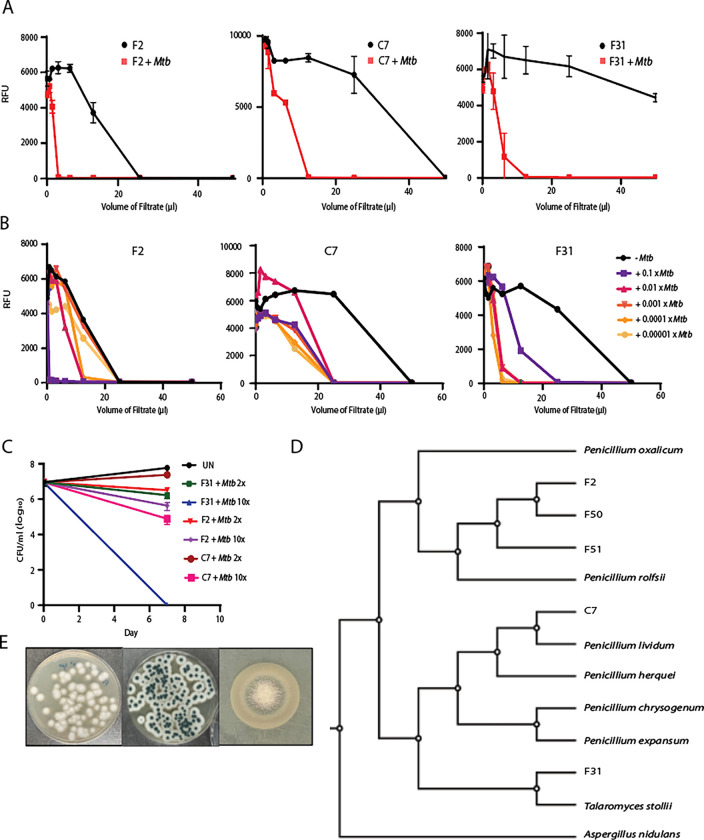
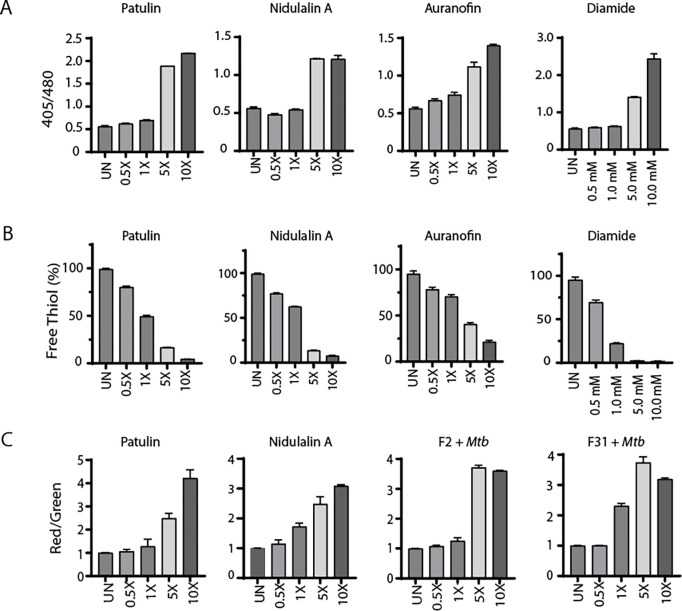
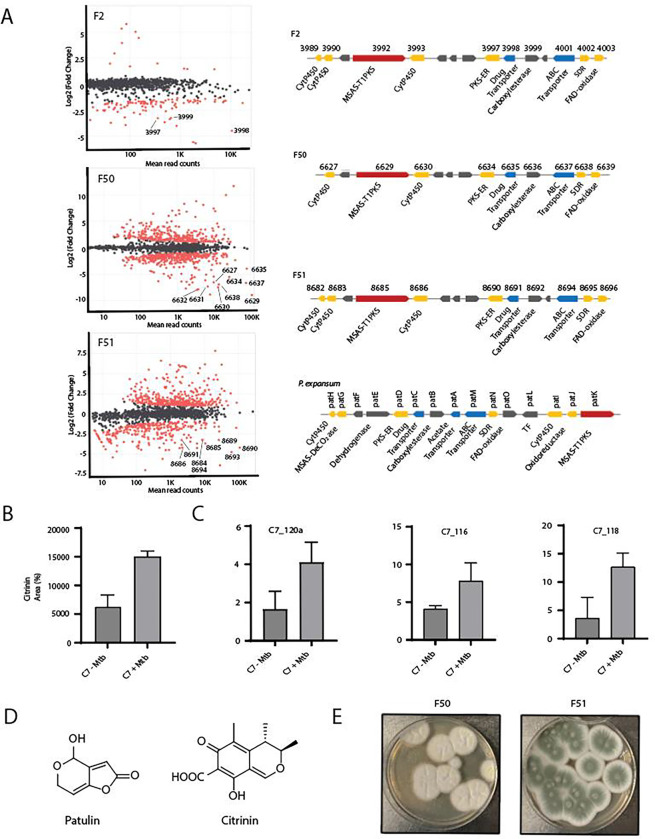
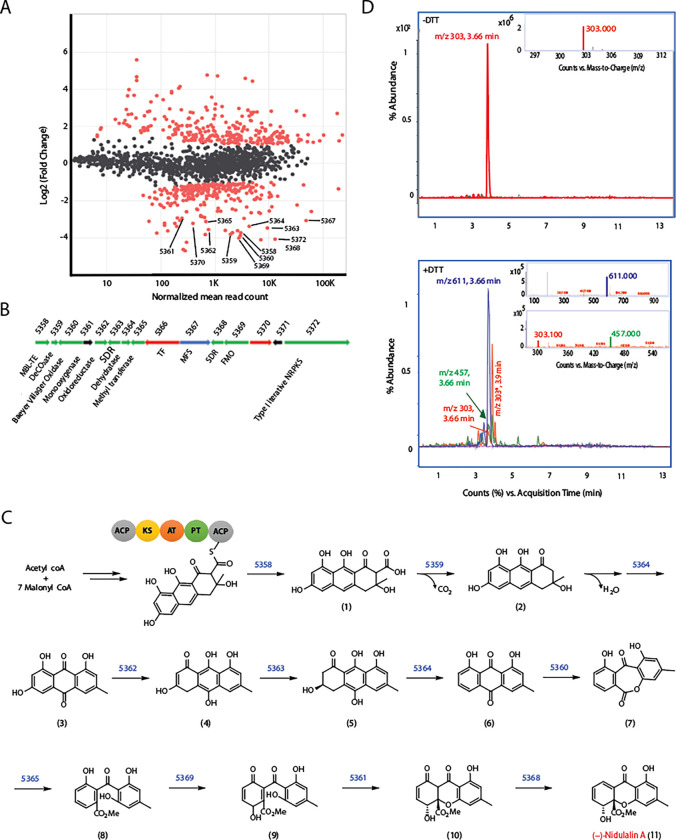
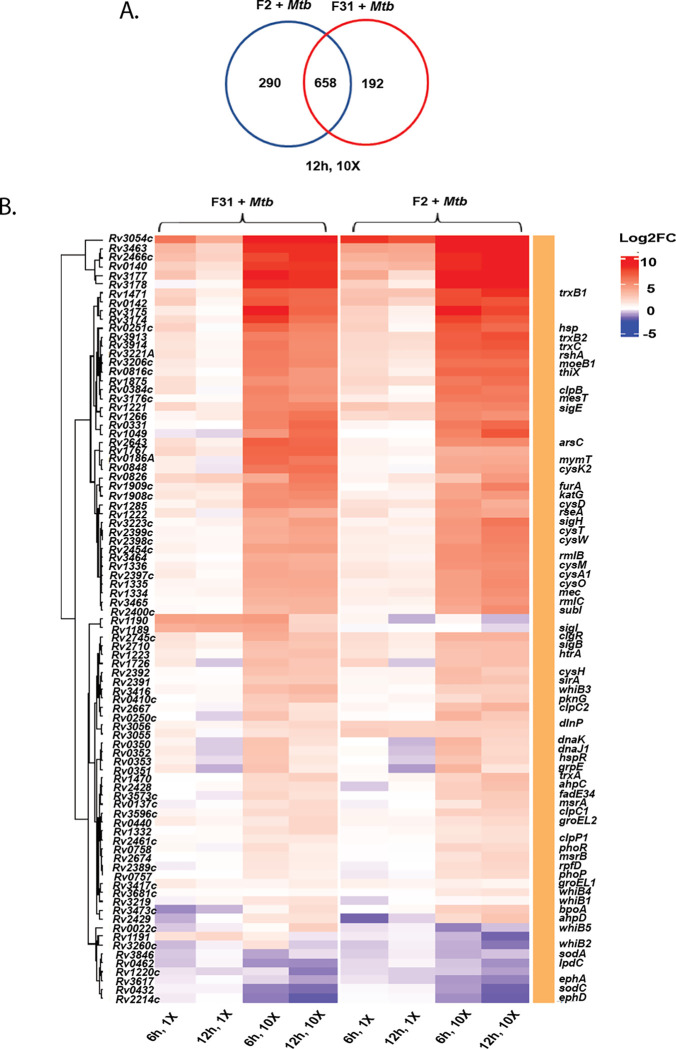
Mycobacterial species in nature are found in abundance in sphagnum peat bogs where they compete for nutrients with a variety of microorganisms including fungi. We screened a collection of fungi isolated from sphagnum bogs by co-culture with () to look for inducible expression of antitubercular agents and identified five fungi that produced cidal antitubercular agents upon exposure to live . Whole genome sequencing of these fungi followed by fungal RNAseq after exposure allowed us to identify biosynthetic gene clusters induced by co-culture. Three of these fungi induced expression of patulin, one induced citrinin expression and one induced the production of nidulalin A. The biosynthetic gene clusters for patulin and citrinin have been previously described but the genes involved in nidulalin A production have not been described before. All three of these potent electrophiles react with thiols and treatment of cells with these agents followed by RNAseq showed that these natural products all induce profound thiol stress suggesting a rapid depletion of mycothiol. The induction of thiol-reactive mycotoxins through three different systems in response to exposure to suggests that fungi have identified this as a highly vulnerable target in a similar microenvironment to that of the caseous human lesion.
自然界中的分枝杆菌在泥炭藓泥炭沼泽中大量存在,在那里它们与包括真菌在内的多种微生物竞争营养物质。我们通过与()共培养,筛选了从泥炭藓沼泽中分离出的一组真菌,以寻找抗结核药物的诱导表达,并鉴定出五种在接触活的()后产生杀结核药物的真菌。对这些真菌进行全基因组测序,然后在接触()后进行真菌RNA测序,使我们能够鉴定出共培养诱导的生物合成基因簇。其中三种真菌诱导了展青霉素的表达,一种诱导了桔霉素的表达,一种诱导了构巢曲霉毒素A的产生。展青霉素和桔霉素的生物合成基因簇此前已有描述,但构巢曲霉毒素A产生所涉及的基因此前尚未见报道。所有这三种强效亲电试剂都与硫醇反应,用这些试剂处理()细胞,然后进行RNA测序,结果表明这些天然产物均能诱导严重的硫醇应激,提示硫醇迅速耗竭。通过三种不同系统对接触()作出反应而诱导产生硫醇反应性霉菌毒素,这表明真菌已将此识别为与人类干酪样病变类似的微环境中的一个高度易损靶点。