Yong Zhang, Mimi Chen, Yingjie Li, Yichen Guo, Yansu Yu, Zhi Zhou, Hui Lu, Si Yao, Chongming Wu, Xiaopo Zhang, Ning Ma, Weiying Lu
Key Laboratory of Tropical Translational Medicine of Ministry of Education and Department of Pharmacology, School of Basic Medicine and Life Sciences, Hainan Medical University, Haikou, China.
Hainan Academy of Medical Sciences, Hainan Medical University, Haikou, China.
Front Pharmacol. 2024 Sep 23;15:1457467. doi: 10.3389/fphar.2024.1457467. eCollection 2024.
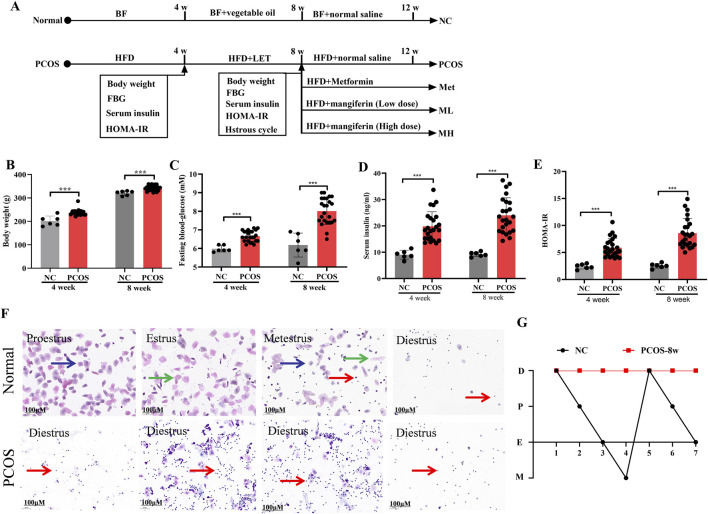
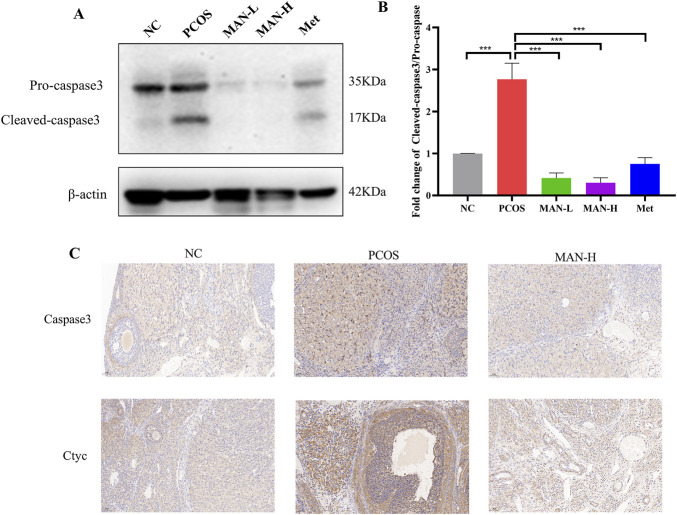
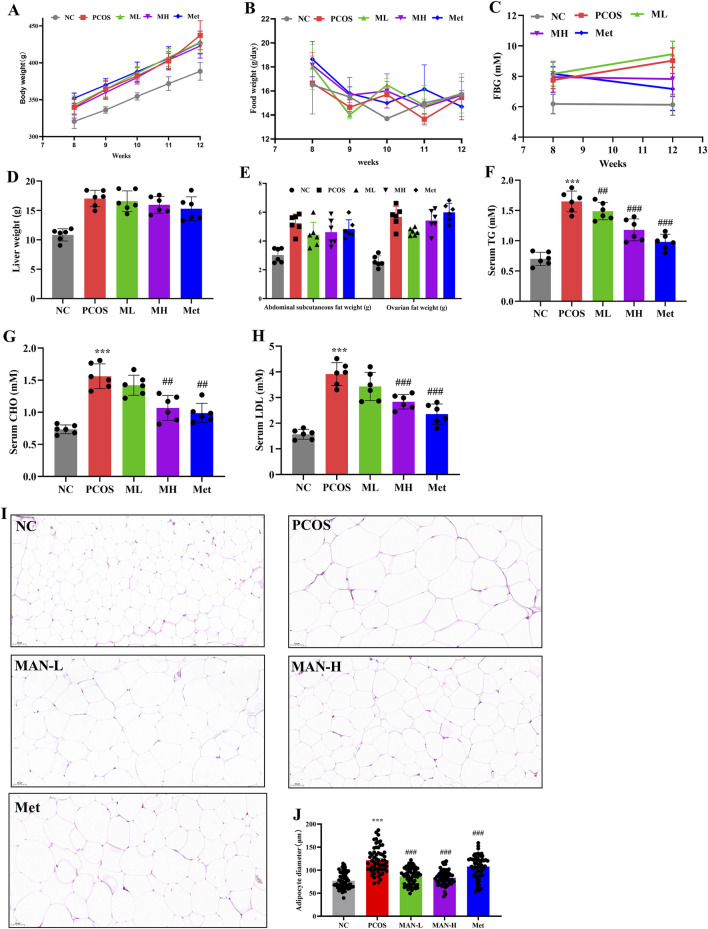
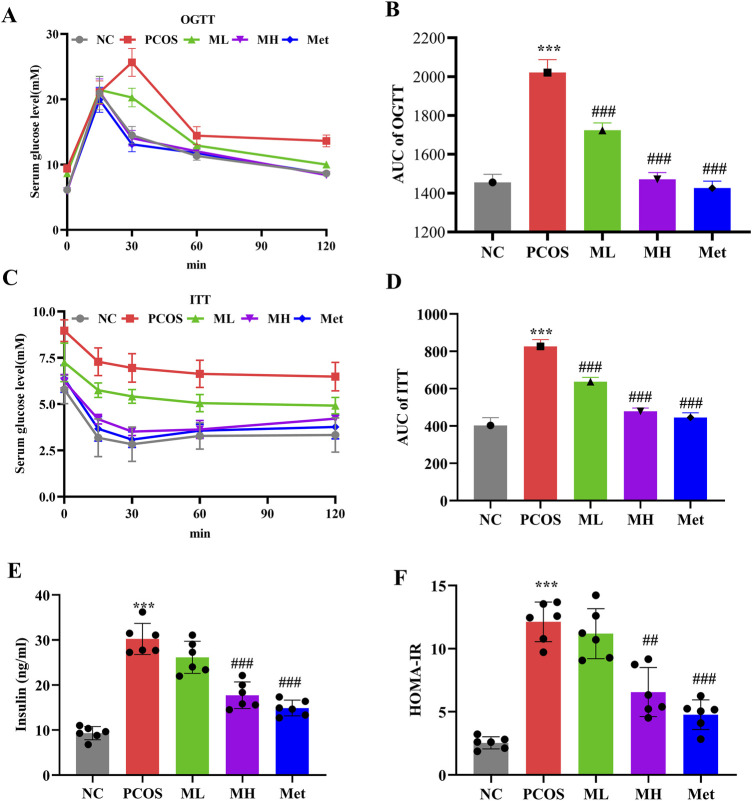
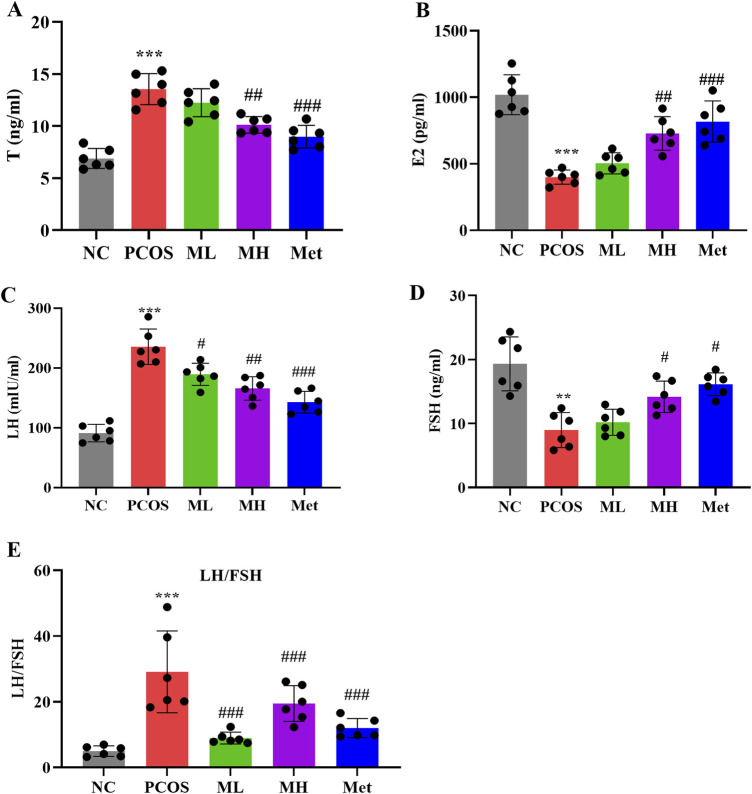
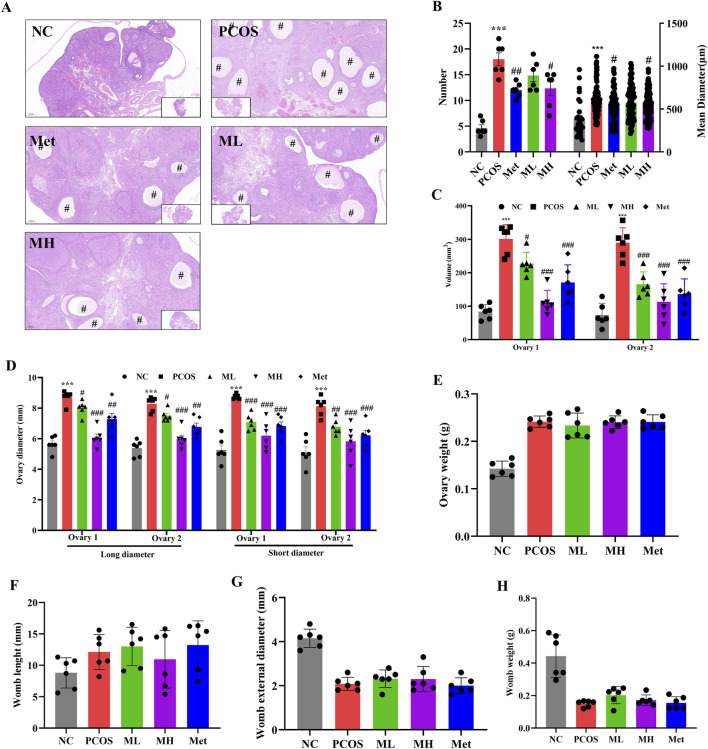
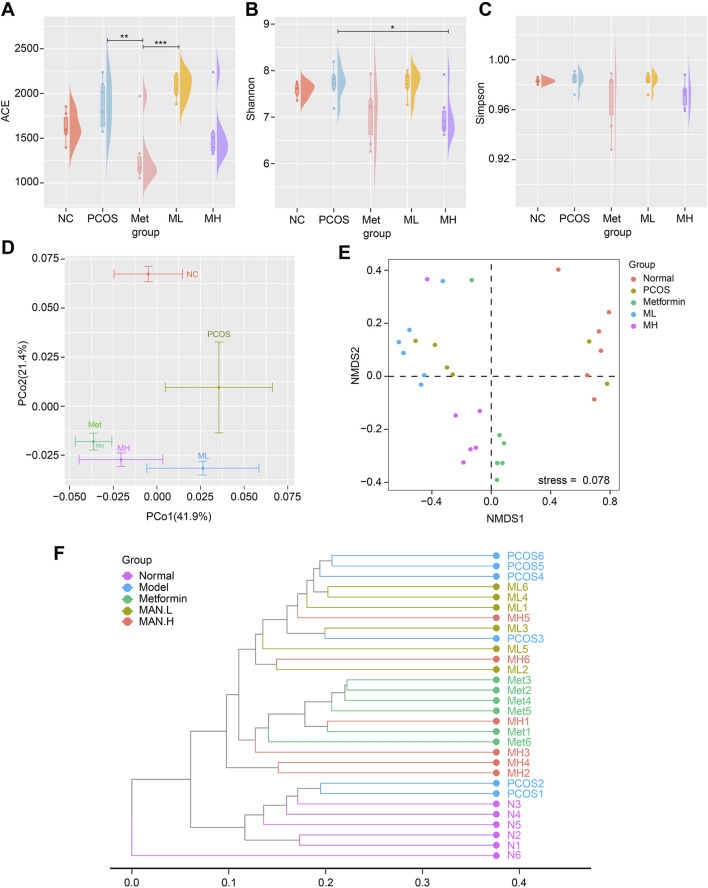
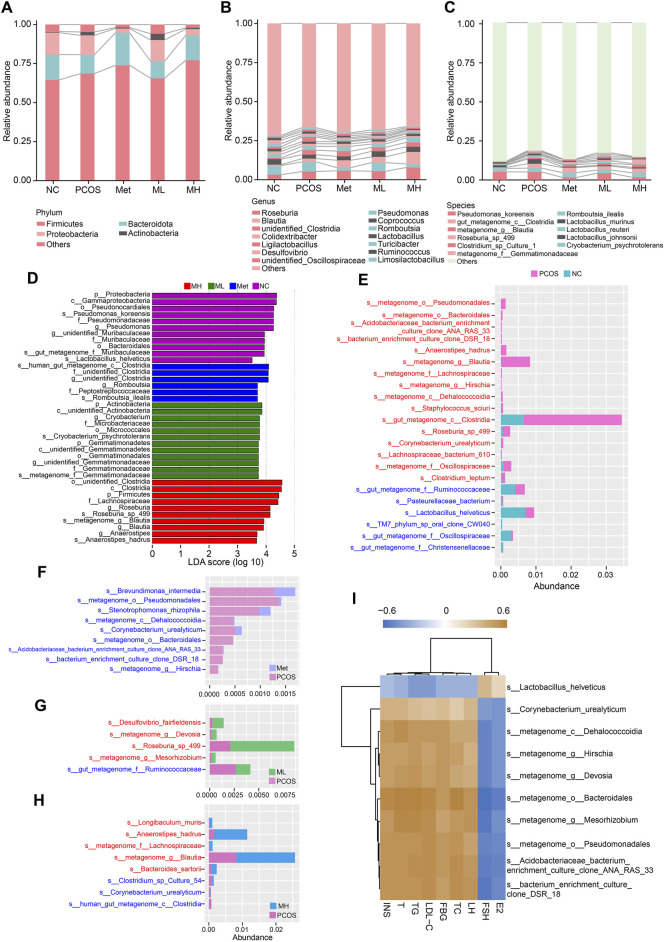
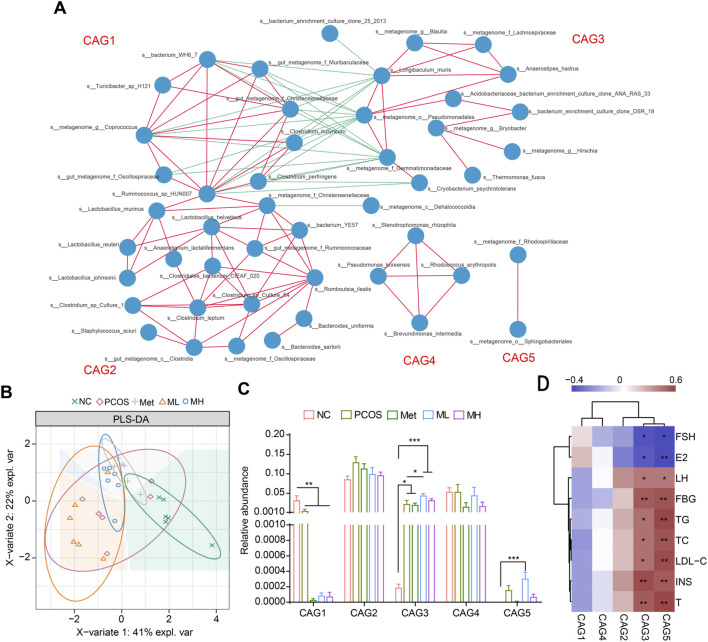
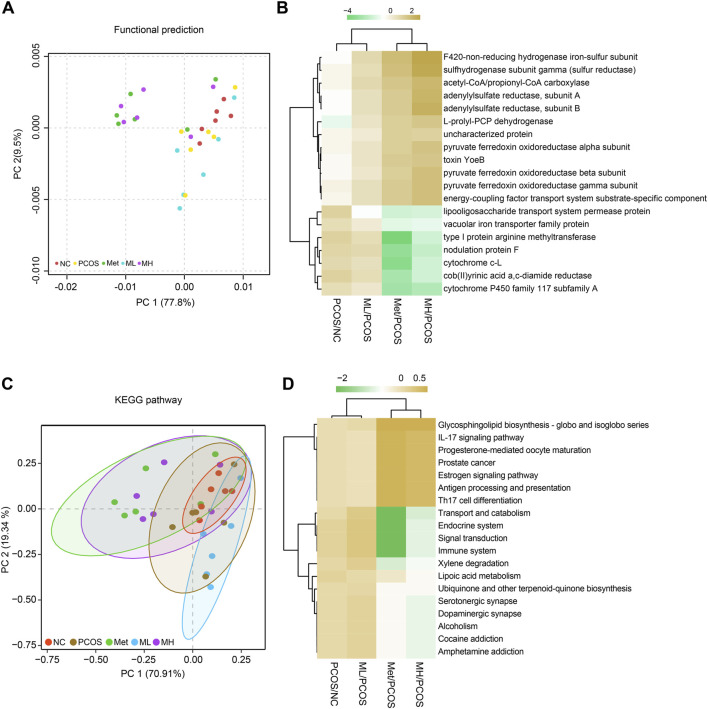
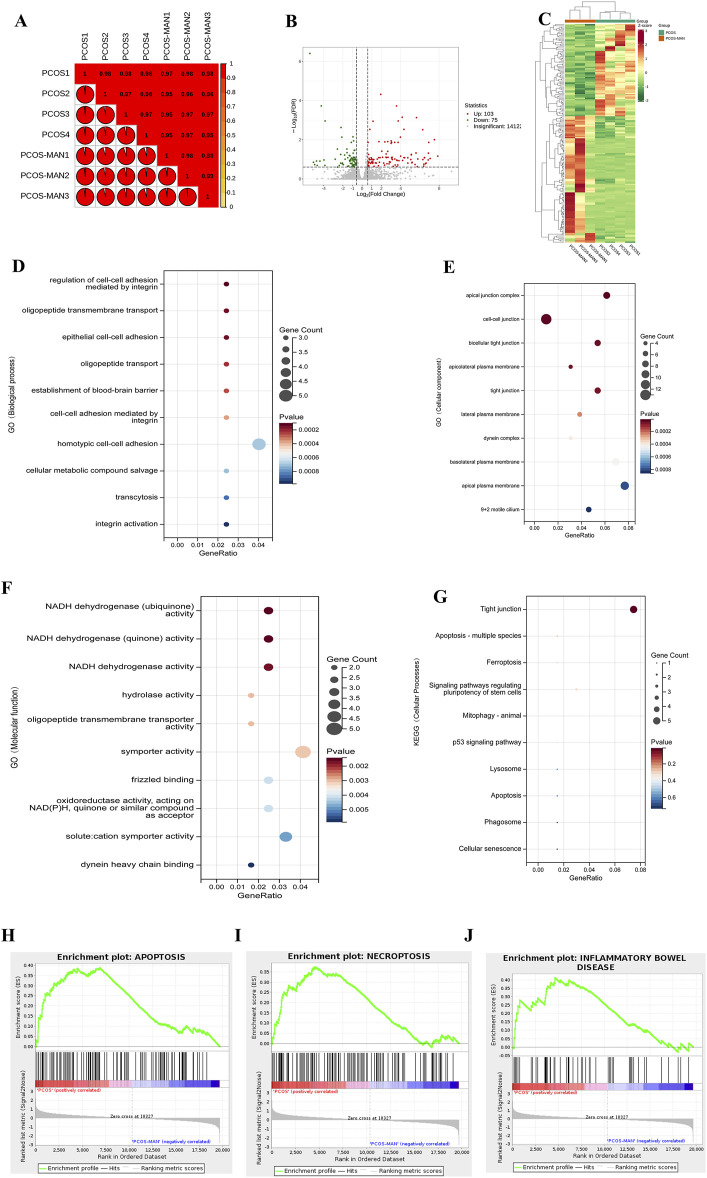
Polycystic ovary syndrome (PCOS) is a complex endocrine and metabolic disorder characterized by hyperandrogenism, prolonged anovulation and polycystic ovaries. However, there are no effective interventions to treat this disorder. As previously shown, mangiferin modulated the AMPK and NLRP3 signal pathways to alleviate nonalcoholic fatty liver disease (NAFLD). In recent years, mangiferin has emerged as a promising drug candidate for treating metabolic diseases. In this study, we evaluated the effects of mangiferin on a letrozole (LET) combined with high-fat diet (HFD)-induced PCOS rat model through estrous cycle detection, serum/tissue biochemical analysis, and hematoxylin and eosin (HE) staining of ovarian tissue. The mechanisms of mangiferin's effects on PCOS rats were analyzed using 16S rRNA sequencing, RNA-seq, western blotting (WB), and immunohistochemical (IHC) staining. Our results displayed that mangiferin showed a promising effect in PCOS rats. It improved lipid metabolism, glucose tolerance, insulin resistance, hormonal imbalance, ovarian dysfunction, and adipocyte abnormalities. RNA-seq analysis indicated that mangiferin may be involved in several signal pathways, including apoptosis, necrosis, and inflammation. Furthermore, western blot and immunohistochemical staining demonstrated that mangiferin regulates Caspase-3 and Cytc, exhibiting anti-apoptotic activity in the ovaries. Additionally, mangiferin significantly altered the gut microbiota community of PCOS rats, changing the abundance of firmicutes, bacteroidota, proteobacteria, and actinobacteria at the phylum level and the abundance of , , and at the genus level. In conclusion, mangiferin is a promising and novel therapeutic agent for PCOS as it ameliorates insulin resistance, gut microbiota and ovarian cell apoptosis.
多囊卵巢综合征(PCOS)是一种复杂的内分泌和代谢紊乱疾病,其特征为高雄激素血症、长期无排卵和多囊卵巢。然而,目前尚无有效的干预措施来治疗这种疾病。如先前所示,芒果苷可调节AMPK和NLRP3信号通路,以减轻非酒精性脂肪性肝病(NAFLD)。近年来,芒果苷已成为治疗代谢性疾病的一种有前景的候选药物。在本研究中,我们通过发情周期检测、血清/组织生化分析以及卵巢组织苏木精和伊红(HE)染色,评估了芒果苷对来曲唑(LET)联合高脂饮食(HFD)诱导的PCOS大鼠模型的影响。使用16S rRNA测序、RNA测序、蛋白质免疫印迹(WB)和免疫组织化学(IHC)染色分析了芒果苷对PCOS大鼠作用的机制。我们的结果显示,芒果苷对PCOS大鼠显示出有前景的效果。它改善了脂质代谢、葡萄糖耐量、胰岛素抵抗、激素失衡、卵巢功能障碍和脂肪细胞异常。RNA测序分析表明,芒果苷可能参与了包括凋亡、坏死和炎症在内的多种信号通路。此外,蛋白质免疫印迹和免疫组织化学染色表明,芒果苷调节半胱天冬酶-3和细胞色素c,在卵巢中表现出抗凋亡活性。此外,芒果苷显著改变了PCOS大鼠的肠道微生物群落,在门水平上改变了厚壁菌门、拟杆菌门、变形菌门和放线菌门的丰度,在属水平上改变了、、和的丰度。总之,芒果苷是一种有前景的新型PCOS治疗药物,因为它可改善胰岛素抵抗、肠道微生物群和卵巢细胞凋亡。