Murshidi Rand, Shewaikani Nour, Al Refaei Assem, Khateeb Dana Q, Al-Shami Raghad, Hwidi Bayan E, Nasrallah Maram, Alshamasneh Leen, Murshidi Raghad, Abdallat Mahmoud
Department of Dermatology, Jordan University Hospital, Amman, JOR.
Department of Internal Medicine, School of Medicine, The University of Jordan, Amman, JOR.
Cureus. 2024 Sep 9;16(9):e68977. doi: 10.7759/cureus.68977. eCollection 2024 Sep.
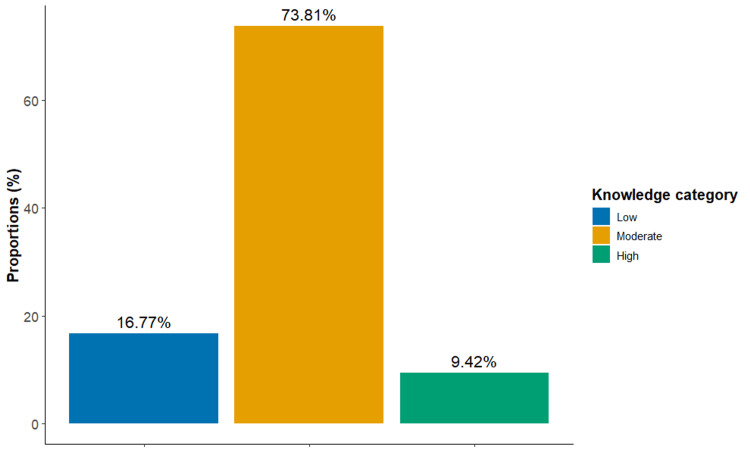
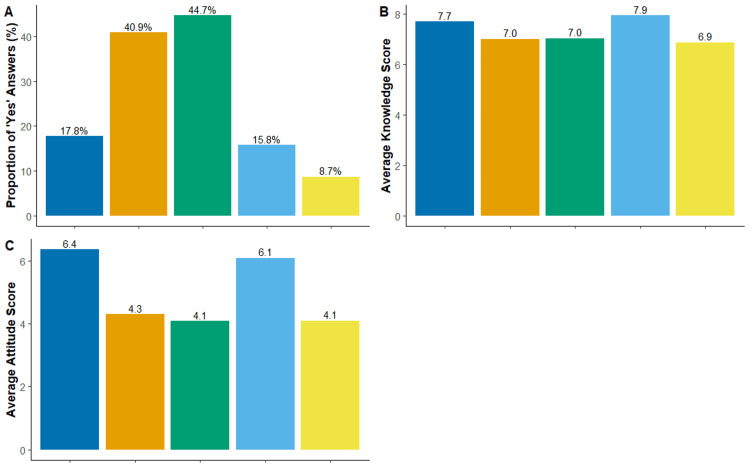
Background Psoriasis is a chronic immune-mediated disease with a 2-3% prevalence. As with other diseases with cutaneous manifestations, psoriasis patients suffer from psychological issues and social isolation. The general population's misconceptions and prejudicial attitudes toward those patients are highly implicated in ensuing psychological issues. Accordingly, this study is the first to investigate the Jordanian population's knowledge about and attitude toward psoriasis. Methods Our cross-sectional study was conducted using a self-administered online questionnaire that 1,306 participants from the Jordanian population completed. The questionnaire constituted four sections addressing the sociodemographic characteristics, previous exposure to psoriasis, knowledge about psoriasis, and attitudes toward psoriasis. The data analysis was conducted using R and RStudio packages. Results The averages and standard deviations of knowledge and attitude scores of the total sample were 7.54 ± 2.38 and 3.45 ± 9.22, respectively. When further classified into categories, 73.81% appeared in the moderate knowledge category. Moreover, 61.49% had a positive total attitude score. Among the common misconceptions identified were thinking that psoriasis is a hereditary disease (30.09%), denying that psoriasis increases the risk of diabetes (51.68%) and heart disease (67.69%), and not knowing that it affects the social life of patients (26.11%). Of the prominent negative attitudes observed were those related to the intimate relationship status and sharing a swimming pool with a psoriasis patient. Conclusions Although the Jordanian population's overall knowledge level appeared sufficient, some critical misconceptions were identified. Moreover, this research revealed a high prevalence of negative attitudes toward psoriasis among the Jordanian public. Future research could link every negative behavior to their exact triggering misconception. This may further assist in the institutional effort to combat discriminatory behaviors.
银屑病是一种慢性免疫介导性疾病,患病率为2%-3%。与其他有皮肤表现的疾病一样,银屑病患者存在心理问题和社会隔离。公众对这些患者的误解和偏见态度与随之而来的心理问题密切相关。因此,本研究首次调查了约旦人群对银屑病的了解和态度。方法:我们采用自行填写的在线问卷进行了一项横断面研究,来自约旦人群的1306名参与者完成了该问卷。问卷包括四个部分,涉及社会人口学特征、既往接触银屑病的情况、对银屑病的了解以及对银屑病的态度。使用R和RStudio软件包进行数据分析。结果:总样本的知识和态度得分的平均值及标准差分别为7.54±2.38和3.45±9.22。进一步分类时,73.81%的人属于中等知识水平类别。此外,61.49%的人总体态度得分为阳性。确定的常见误解包括认为银屑病是一种遗传性疾病(30.09%)、否认银屑病会增加患糖尿病(51.68%)和心脏病(67.69%)的风险,以及不知道它会影响患者的社交生活(26.11%)。观察到的突出负面态度包括与亲密关系状态以及与银屑病患者共用游泳池相关的态度。结论:尽管约旦人群的总体知识水平似乎足够,但仍发现了一些关键的误解。此外,这项研究揭示了约旦公众对银屑病存在较高比例的负面态度。未来的研究可以将每一种负面行为与其确切引发的误解联系起来。这可能进一步有助于机构努力打击歧视行为。