Department of Integrated Omics for Biomedical Sciences, Graduate School, Yonsei University, Seoul, 03722, Republic of Korea.
College of Medicine, Catholic Kwandong University, Gangneung-si, 25601, Gangwon-do, South Korea.
Sci Rep. 2024 Oct 13;14(1):23920. doi: 10.1038/s41598-024-74892-6.
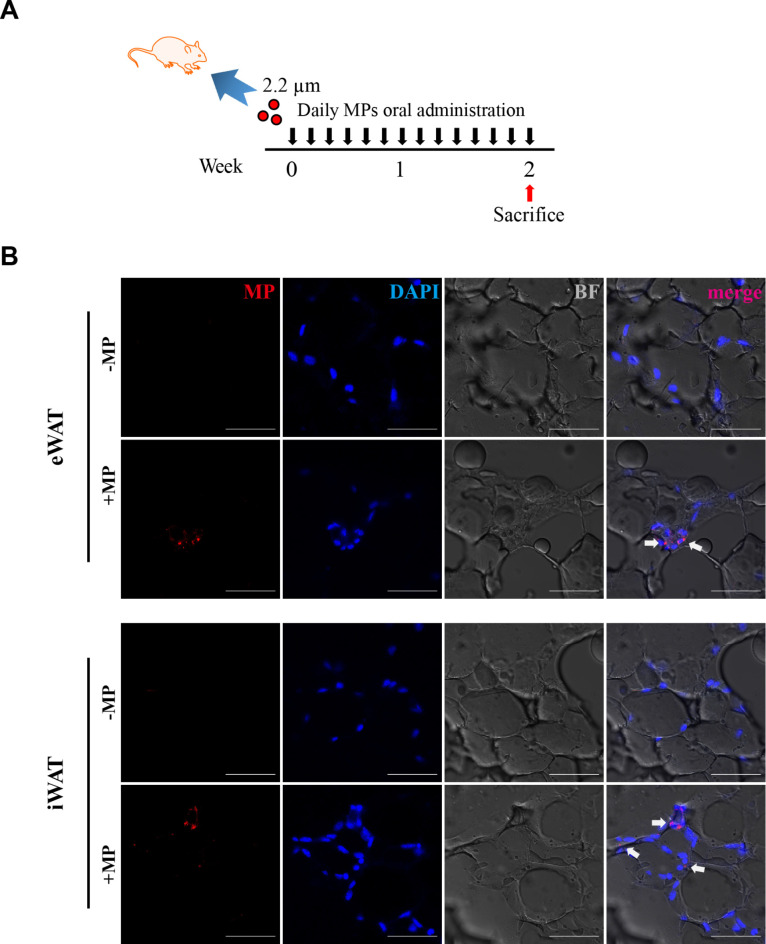
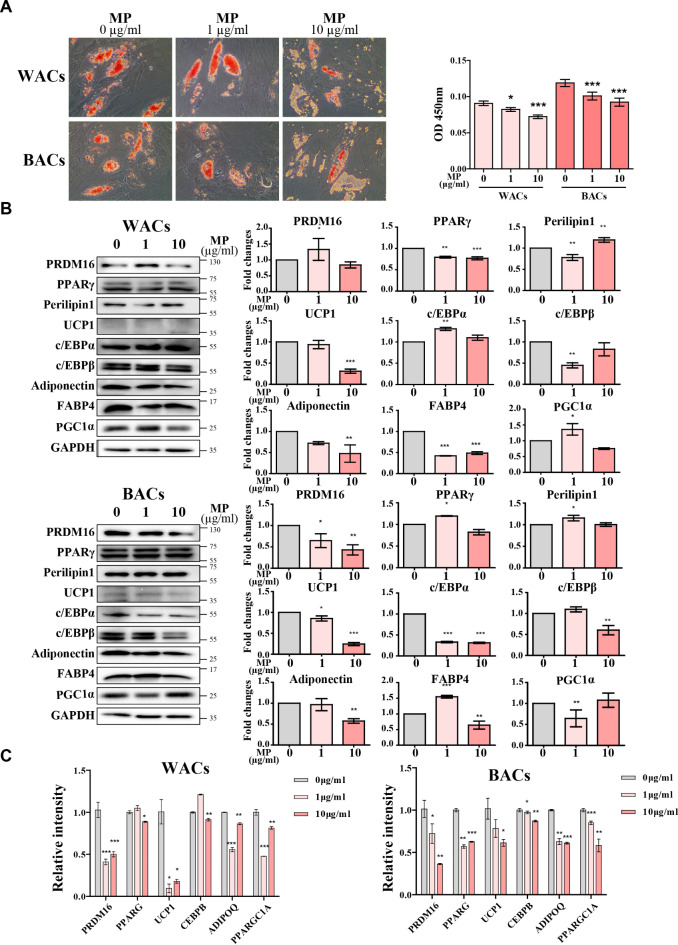
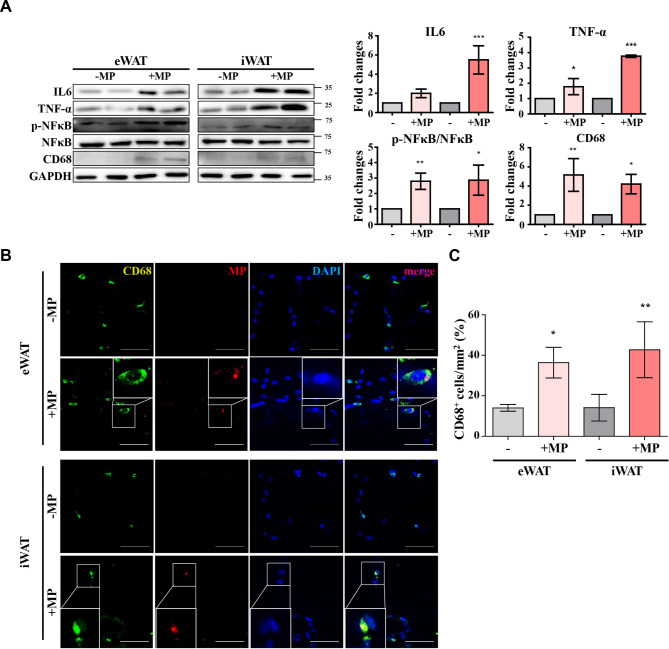
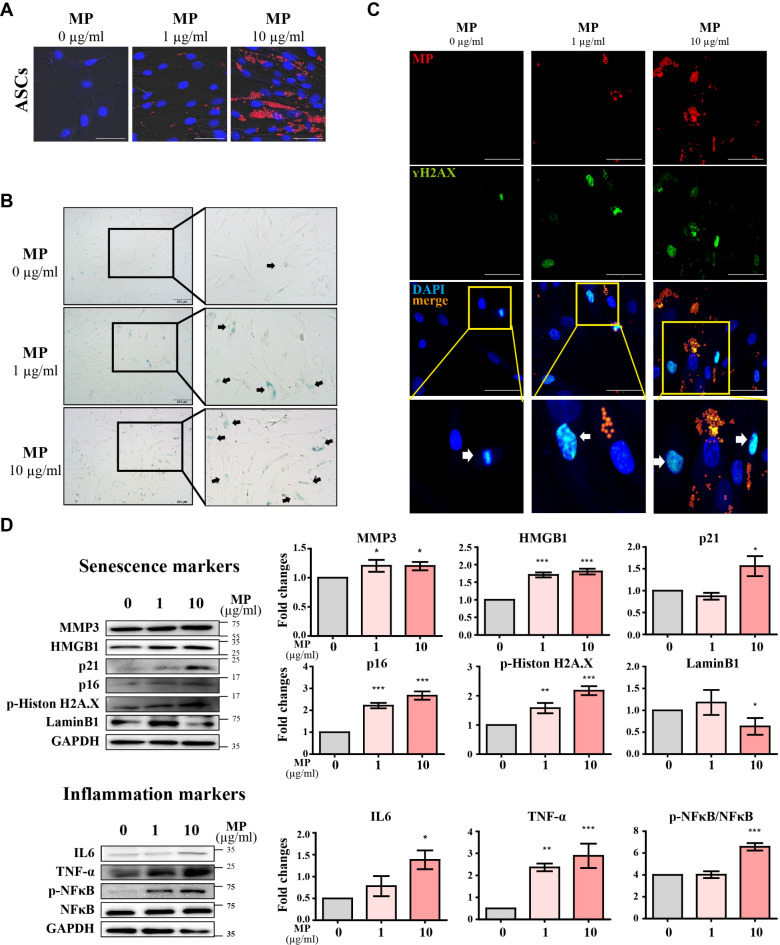
Our research explores the detrimental effects of microplastic (MP) exposure on adipose tissue aging and function, emphasizing the potential health risks associated with environmental pollutants. Utilizing both in vivo and in vitro models, we discovered that MPs accumulate in adipose tissues, leading to cellular senescence, inflammation, and hindered adipogenic differentiation. Notably, our findings demonstrate that MPs prompt an aging response in both epididymal and inguinal white adipose tissue, increase senescence-associated β-galactosidase activity, and upregulate key senescence and inflammatory markers. Furthermore, we show that MPs disrupt normal adipogenic differentiation by reducing lipid droplet formation and downregulating critical adipogenic markers. These insights highlight the urgent need for further investigation into the long-term consequences of MP pollution on biological aging and underscore the importance of developing public health strategies to mitigate these effects.
我们的研究探索了微塑料(MP)暴露对脂肪组织衰老和功能的有害影响,强调了与环境污染物相关的潜在健康风险。通过体内和体外模型,我们发现 MPs 在脂肪组织中积累,导致细胞衰老、炎症和脂肪生成分化受阻。值得注意的是,我们的研究结果表明 MPs 会引起附睾和腹股沟白色脂肪组织的衰老反应,增加衰老相关的β-半乳糖苷酶活性,并上调关键的衰老和炎症标志物。此外,我们表明 MPs 通过减少脂滴形成和下调关键脂肪生成标志物来破坏正常的脂肪生成分化。这些发现突显了进一步研究 MP 污染对生物衰老的长期影响的紧迫性,并强调了制定公共卫生策略来减轻这些影响的重要性。