Nel Louis J, Humphreys S Craig, Sielatycki J Alex, Block Jon E, Hodges Scott D
Department of Neurosurgery, Zuid Afrikaans Hospital, Pretoria, South Africa.
Kenai Spine, Soldotna, AK, USA.
J Spine Surg. 2024 Sep 23;10(3):583-589. doi: 10.21037/jss-24-50. Epub 2024 Sep 19.
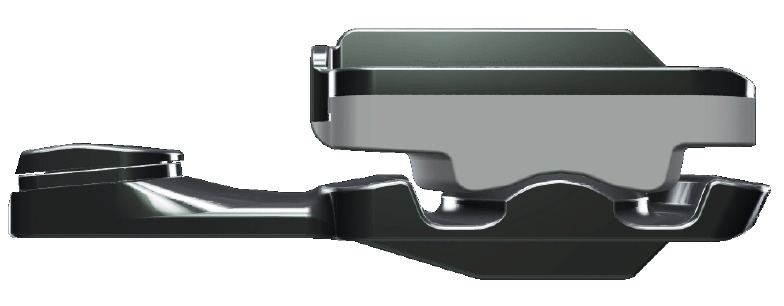
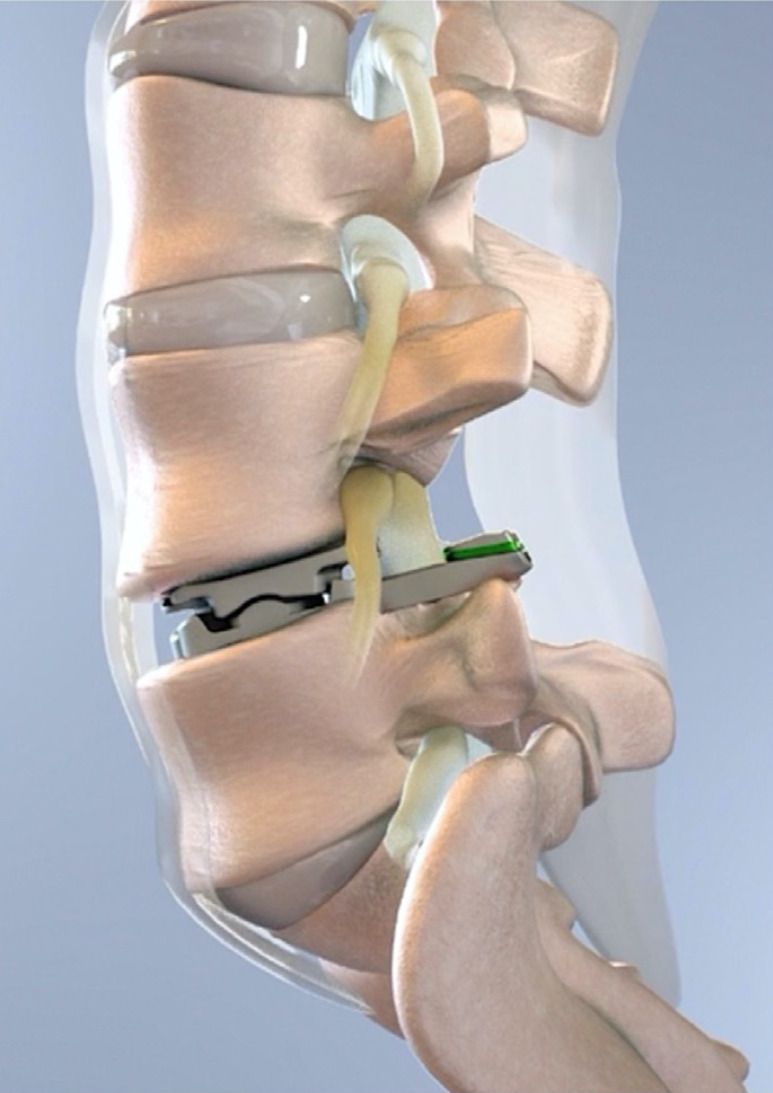
Total joint replacement (TJR) of the lumbar spine is a revolutionary procedure that couples the clinical benefits of neural decompression with preservation of natural motion and sagittal balance at the operative level. The TJR procedure involves reconstruction of the entire motion segment using a posterior bilateral transforaminal approach to access the disc space. The TJR implant (MOTUS, 3Spine, Chattanooga, TN, USA) replaces the function of the intervertebral disc and facet joints, performing biomechanically as a new articulation for the resected, degenerated disc and facets. The implant has been optimized to simulate the kinematic characteristics of the three-joint complex.
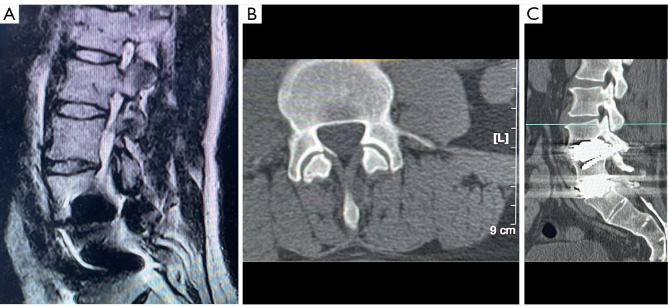
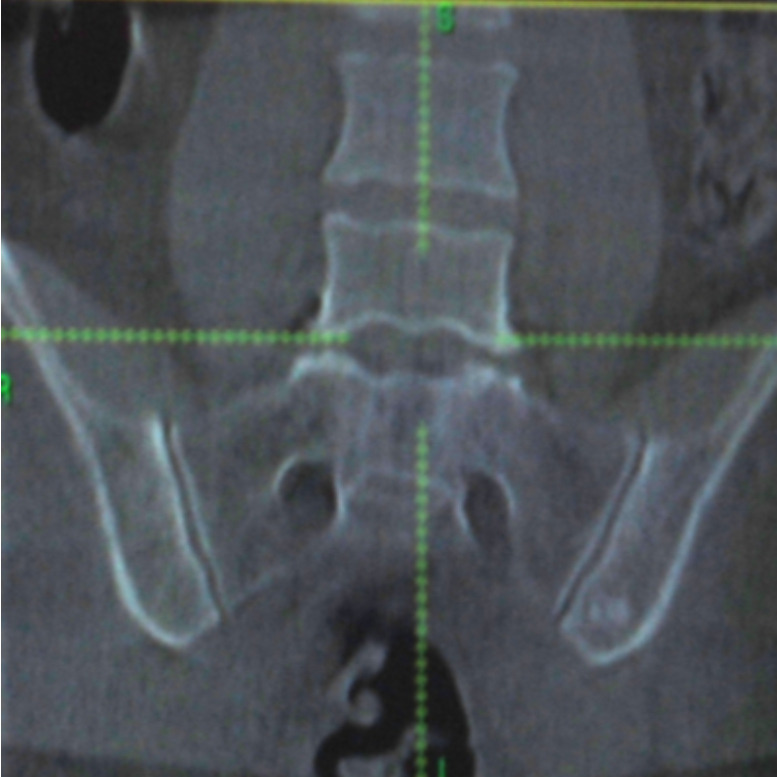
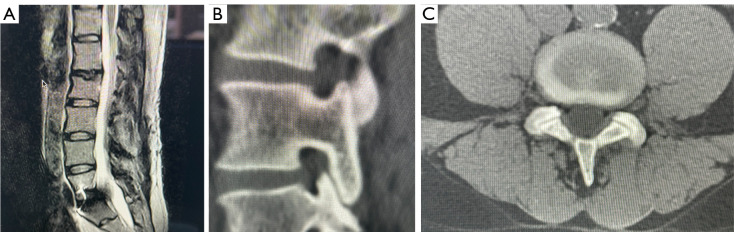
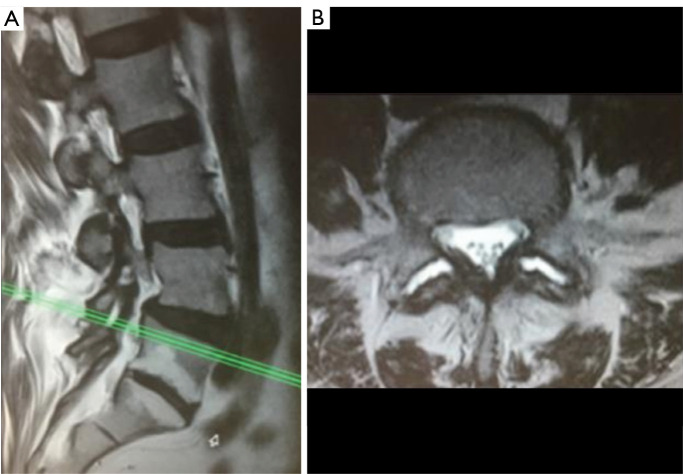
Two male patients, ages 32 and 38 years, underwent the first TJR procedures in 2007 in South Africa. Both patients had imaging evidence of advanced spinal degeneration with unremitting back and leg pain refractory to conservative management. Symptom amelioration was achieved postoperatively with markedly reduced pains scores and improved function at clinical follow-up. Both cases were recently re-examined after 16 years and the patients reported that the procedure significantly changed their lives. Neither believes they have a lingering back condition and they have been able to fully participate in all functions related to work, family and recreation. There was little to no imaging evidence of adjacent segment disease or arthritic changes at this long-term follow-up interval.
After 16 years of clinical follow-up, the implant continues to function normally, without evidence of adjacent segment degeneration and both patients continue to enjoy activities of daily living without back or leg pain or other functional impairments.
腰椎全关节置换术是一种革命性的手术,它将神经减压的临床益处与保留手术节段的自然运动和矢状面平衡相结合。该手术采用双侧后路经椎间孔入路进入椎间盘间隙,重建整个运动节段。腰椎全关节置换植入物(MOTUS,3Spine公司,美国田纳西州查塔努加)替代了椎间盘和小关节的功能,在生物力学上作为切除退变椎间盘和小关节后的新关节发挥作用。该植入物经过优化,以模拟三关节复合体的运动学特征。
两名男性患者,年龄分别为32岁和38岁,于2007年在南非接受了首例腰椎全关节置换手术。两名患者均有影像学证据显示严重的脊柱退变,伴有持续的腰腿痛,保守治疗无效。术后症状改善,临床随访时疼痛评分显著降低,功能改善。最近对这两例病例进行了16年后的复查,患者报告称该手术显著改变了他们的生活。两人均认为自己没有持续性的背部疾病,并且能够充分参与与工作、家庭和娱乐相关的所有活动。在这个长期随访期间,几乎没有影像学证据显示相邻节段疾病或关节炎改变。
经过16年的临床随访,植入物仍正常发挥功能,没有相邻节段退变的证据,两名患者继续能够享受日常生活活动,没有腰腿痛或其他功能障碍。