Department of Immunology, St. Jude Children's Research Hospital, Memphis, TN 38105, USA.
Metaorganism Immunity Section, Laboratory of Immune System Biology, National Institute of Allergy and Infectious Diseases, National Institutes of Health, Bethesda, MD 20892, USA.
Immunity. 2024 Nov 12;57(11):2597-2614.e13. doi: 10.1016/j.immuni.2024.09.013. Epub 2024 Oct 14.
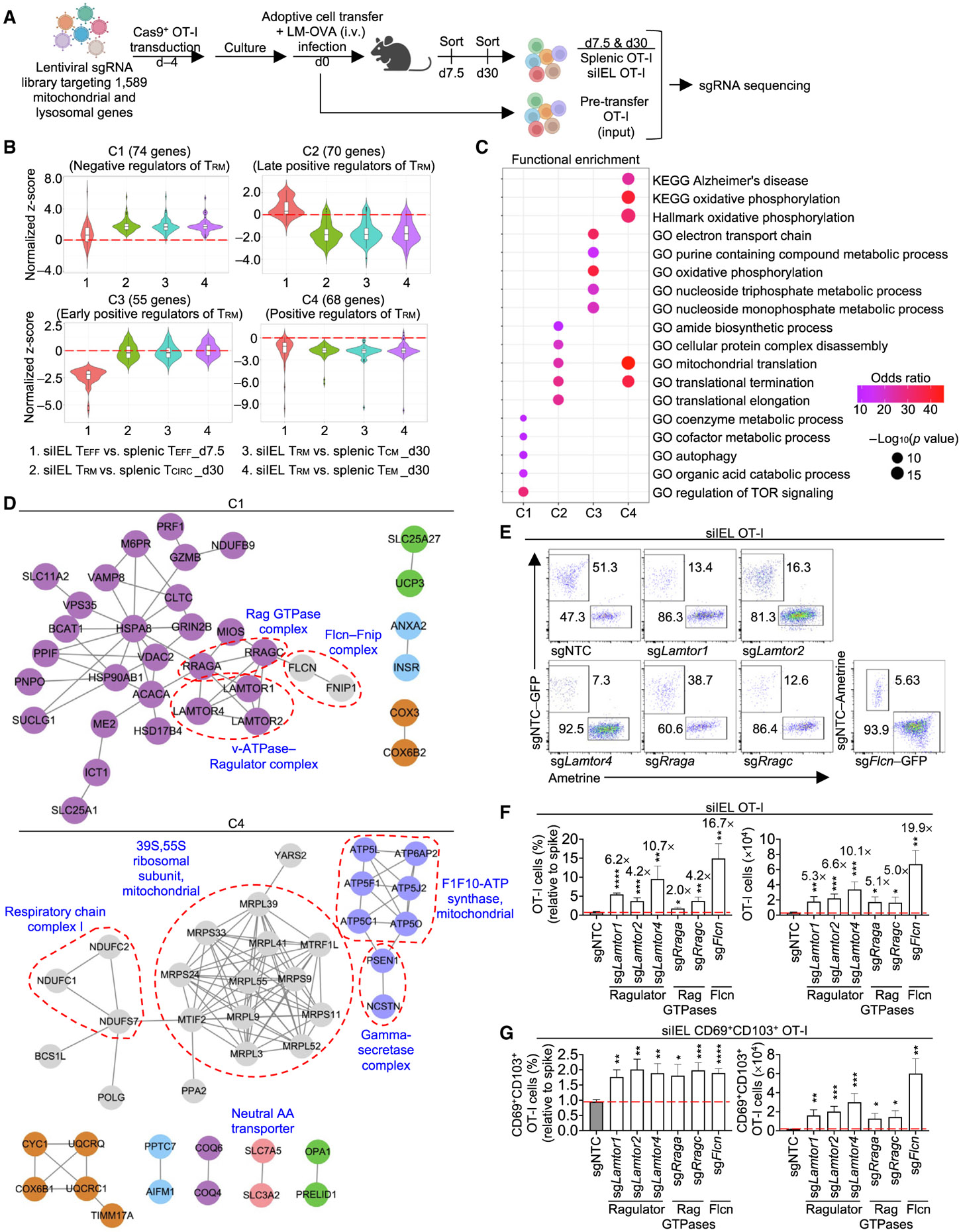
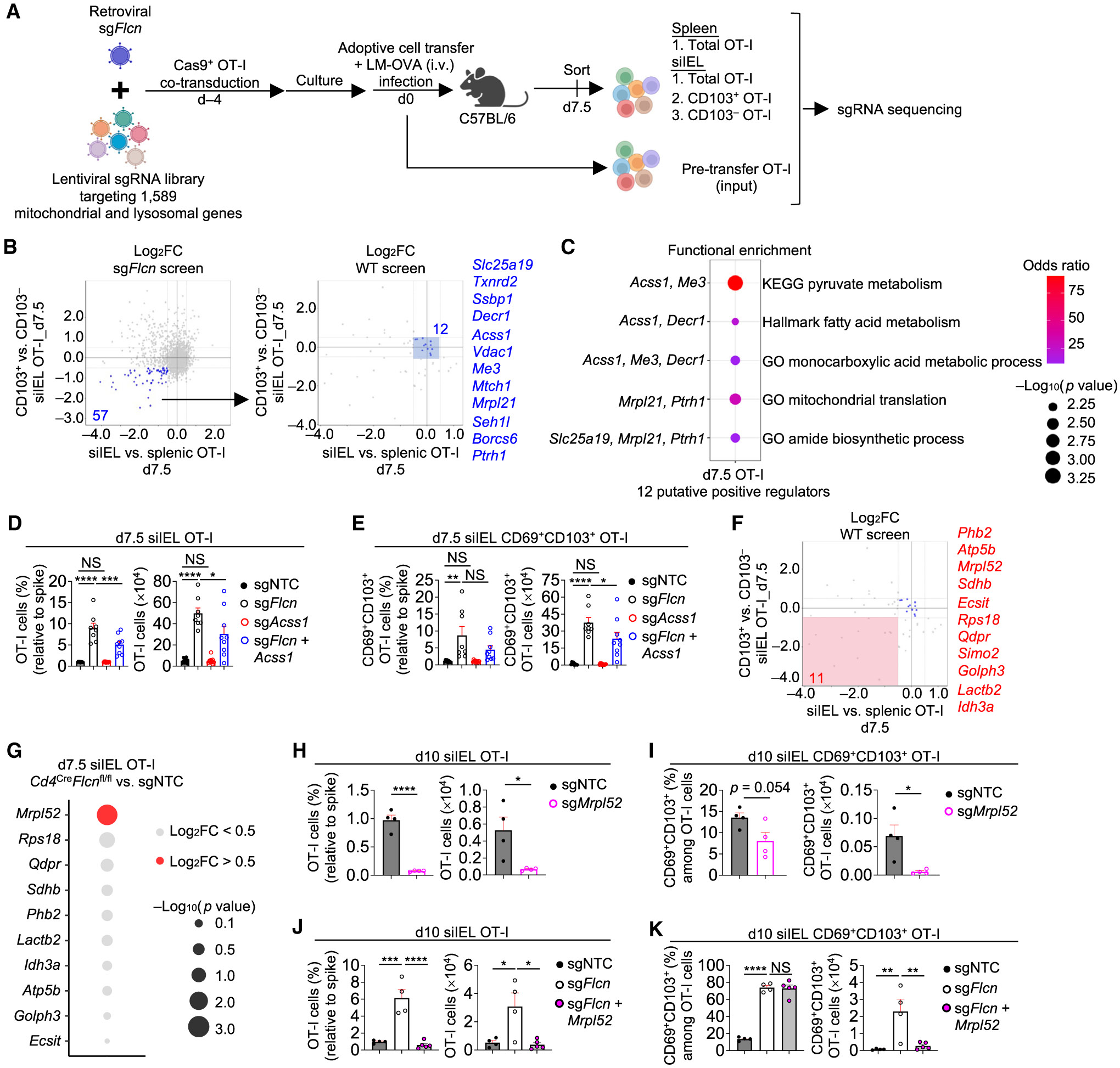
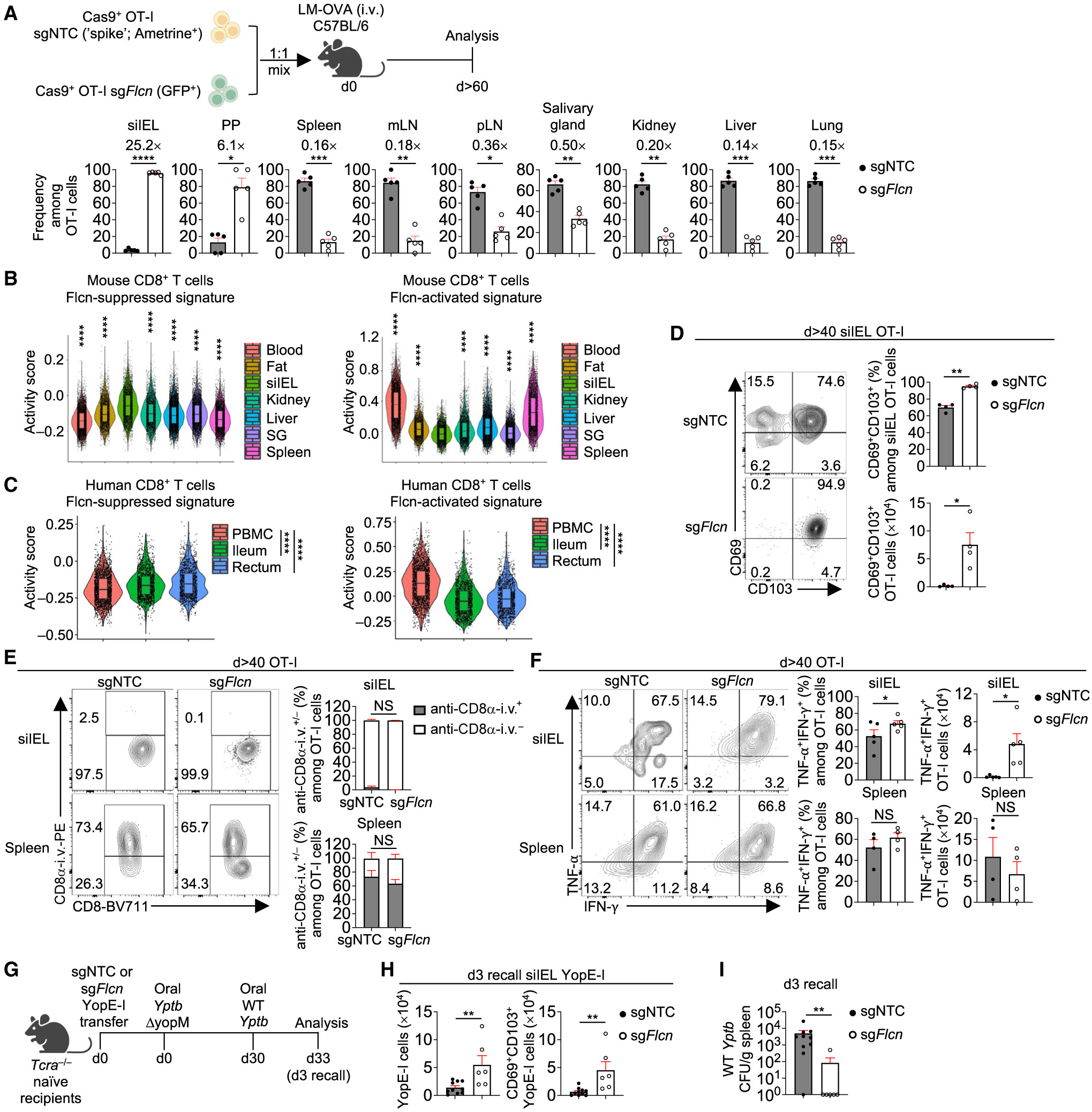
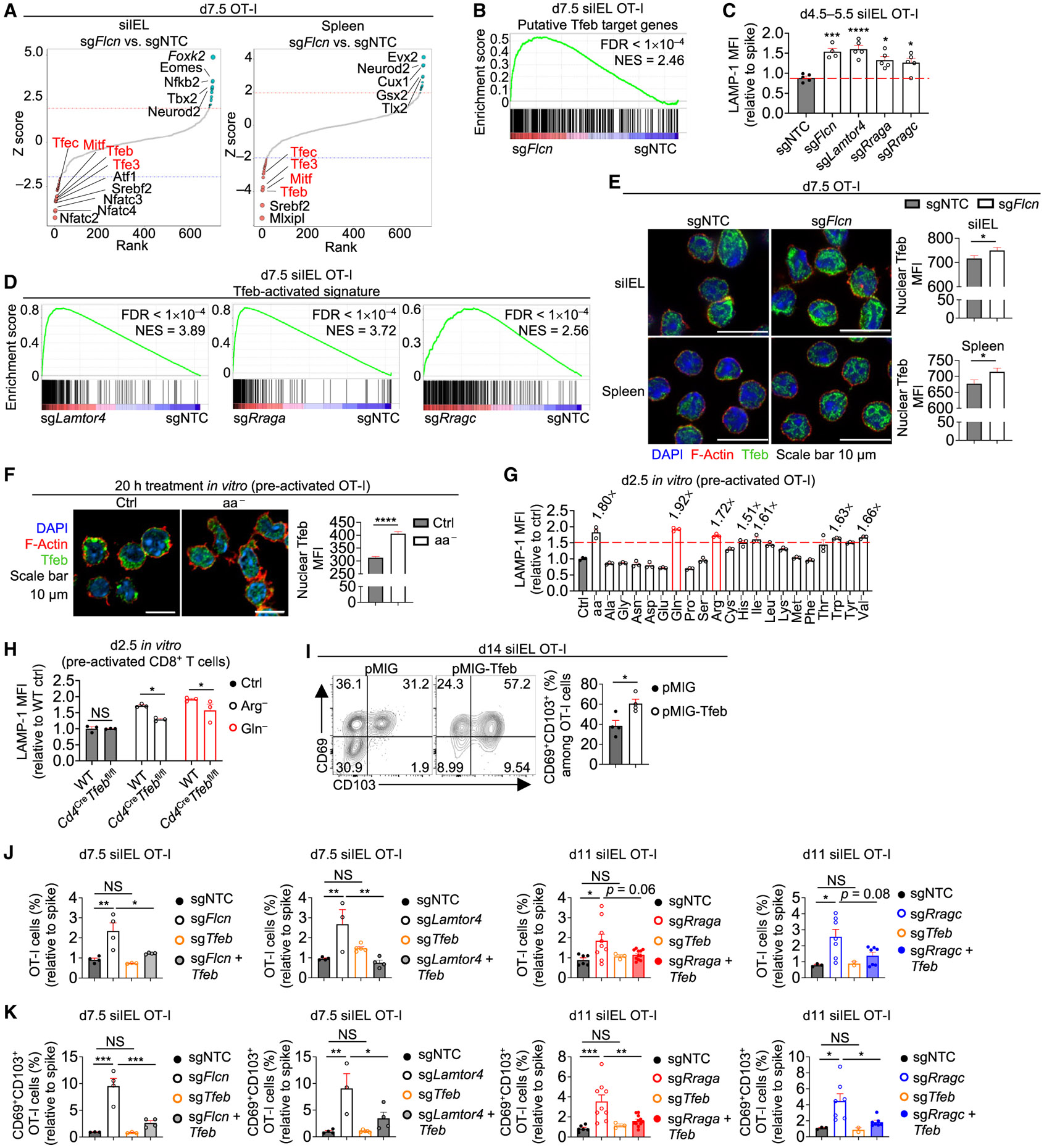
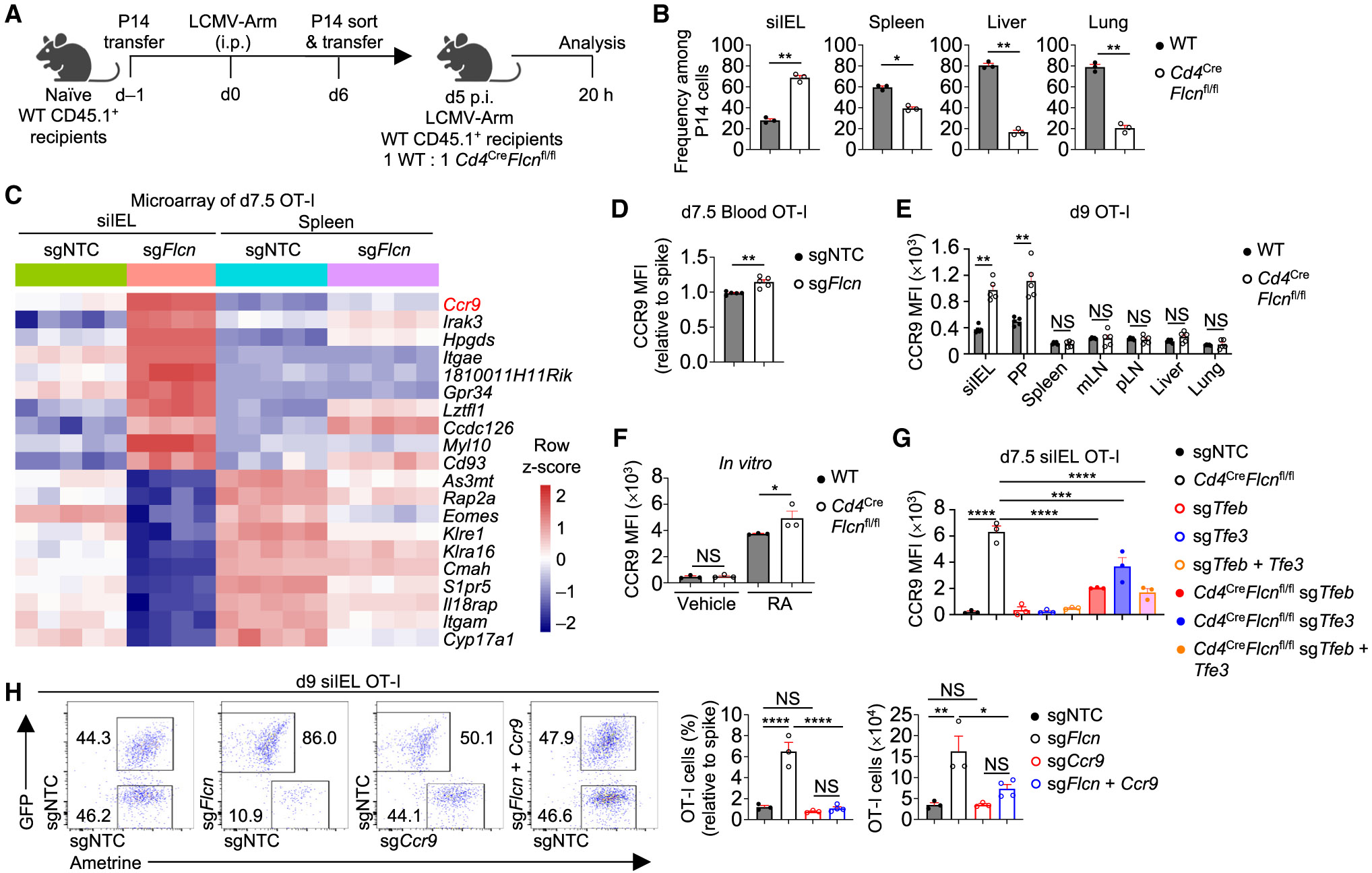
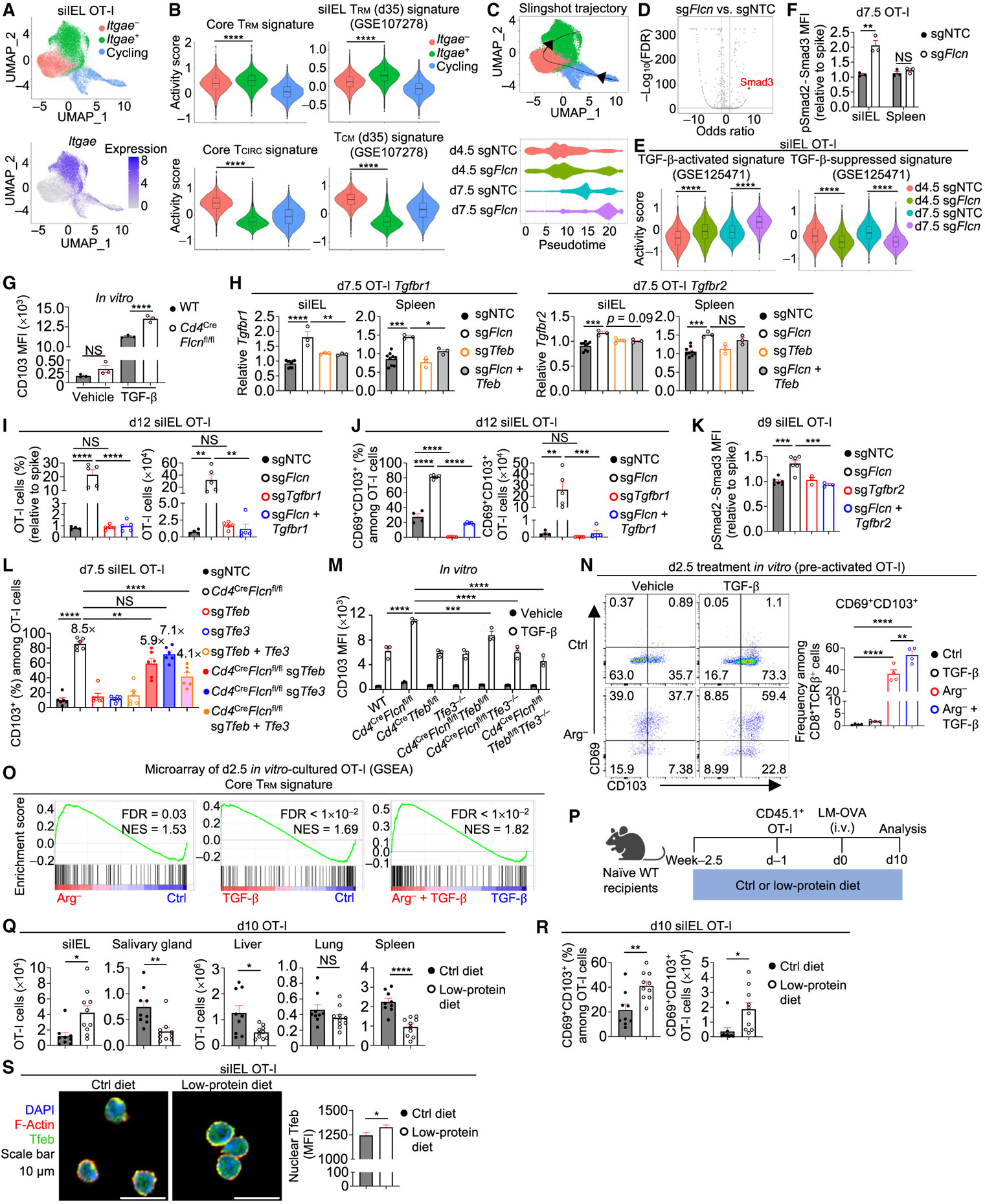
Nutrient availability and organelle biology direct tissue homeostasis and cell fate, but how these processes orchestrate tissue immunity remains poorly defined. Here, using in vivo CRISPR-Cas9 screens, we uncovered organelle signaling and metabolic processes shaping CD8 tissue-resident memory T (T) cell development. T cells depended on mitochondrial translation and respiration. Conversely, three nutrient-dependent lysosomal signaling nodes-Flcn, Ragulator, and Rag GTPases-inhibited intestinal T cell formation. Depleting these molecules or amino acids activated the transcription factor Tfeb, thereby linking nutrient stress to T programming. Further, Flcn deficiency promoted protective T cell responses in the small intestine. Mechanistically, the Flcn-Tfeb axis restrained retinoic acid-induced CCR9 expression for migration and transforming growth factor β (TGF-β)-mediated programming for lineage differentiation. Genetic interaction screening revealed that the mitochondrial protein Mrpl52 enabled early T cell formation, while Acss1 controlled T cell development under Flcn deficiency-associated lysosomal dysregulation. Thus, the interplay between nutrients, organelle signaling, and metabolic adaptation dictates tissue immunity.
营养物质的可利用性和细胞器生物学决定了组织稳态和细胞命运,但这些过程如何协调组织免疫仍未得到很好的定义。在这里,我们使用体内 CRISPR-Cas9 筛选,揭示了塑造 CD8 组织驻留记忆 T(T)细胞发育的细胞器信号和代谢过程。T 细胞依赖于线粒体翻译和呼吸。相反,三种依赖营养的溶酶体信号节点——Flcn、Ragulator 和 Rag GTPases——抑制了肠道 T 细胞的形成。耗尽这些分子或氨基酸会激活转录因子 Tfeb,从而将营养压力与 T 编程联系起来。此外,Flcn 缺乏促进了小肠中保护性 T 细胞反应。在机制上,Flcn-Tfeb 轴抑制了视黄酸诱导的 CCR9 表达,从而迁移,并转化生长因子 β(TGF-β)介导的谱系分化编程。遗传相互作用筛选显示,线粒体蛋白 Mrpl52 使早期 T 细胞形成成为可能,而 Acss1 在与 Flcn 缺乏相关的溶酶体失调下控制 T 细胞发育。因此,营养物质、细胞器信号和代谢适应之间的相互作用决定了组织免疫。