Giangregorio Francesco, Mosconi Emilio, Debellis Maria Grazia, Provini Stella, Esposito Ciro, Garolfi Matteo, Oraka Simona, Kaloudi Olga, Mustafazade Gunel, Marín-Baselga Raquel, Tung-Chen Yale
Department of Internal Medicine, Codogno Hospital, Via Marconi 1, 26900 Codogno, Italy.
Department of Internal Medicine, Hospital Universitario La Paz, Paseo Castellana 241, 28046 Madrid, Spain.
J Clin Med. 2024 Oct 2;13(19):5880. doi: 10.3390/jcm13195880.
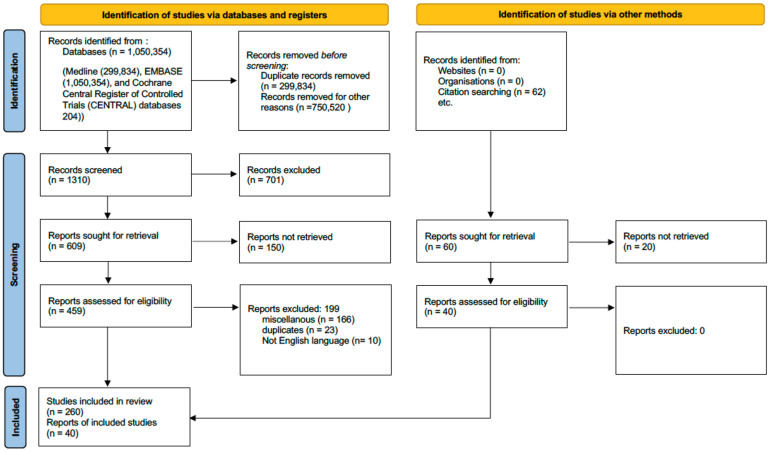
Metabolic syndrome (MetS) is a condition marked by a complex array of physiological, biochemical, and metabolic abnormalities, including central obesity, insulin resistance, high blood pressure, and dyslipidemia (characterized by elevated triglycerides and reduced levels of high-density lipoproteins). The pathogenesis develops from the accumulation of lipid droplets in the hepatocyte (steatosis). This accumulation, in genetically predisposed subjects and with other external stimuli (intestinal dysbiosis, high caloric diet, physical inactivity, stress), activates the production of pro-inflammatory molecules, alter autophagy, and turn on the activity of hepatic stellate cells (HSCs), provoking the low grade chronic inflammation and the fibrosis. This syndrome is associated with a significantly increased risk of developing type 2 diabetes mellitus (T2D), cardiovascular diseases (CVD), vascular, renal, pneumologic, rheumatological, sexual, cutaneous syndromes and overall mortality, with the risk rising five- to seven-fold for T2DM, three-fold for CVD, and one and a half-fold for all-cause mortality. The purpose of this narrative review is to examine metabolic syndrome as a "systemic disease" and its interaction with major internal medicine conditions such as CVD, diabetes, renal failure, and respiratory failure. It is essential for internal medicine practitioners to approach this widespread condition in a "holistic" rather than a fragmented manner, particularly in Western countries. Additionally, it is important to be aware of the non-invasive tools available for assessing this condition. We conducted an exhaustive search on PubMed up to July 2024, focusing on terms related to metabolic syndrome and other pathologies (heart, Lung (COPD, asthma, pulmonary hypertension, OSAS) and kidney failure, vascular, rheumatological (osteoarthritis, rheumatoid arthritis), endocrinological, sexual pathologies and neoplastic risks. The review was managed in accordance with the PRISMA statement. Finally, we selected 300 studies (233 papers for the first search strategy and 67 for the second one). Our review included studies that provided insights into metabolic syndrome and non-invasive techniques for evaluating liver fibrosis and steatosis. Studies that were not conducted on humans, were published in languages other than English, or did not assess changes related to heart failure were excluded. The findings revealed a clear correlation between metabolic syndrome and all the pathologies above described, indicating that non-invasive assessments of hepatic fibrosis and steatosis could potentially serve as markers for the severity and progression of the diseases. Metabolic syndrome is a multisystem disorder that impacts organs beyond the liver and disrupts the functioning of various organs. Notably, it is linked to a higher incidence of cardiovascular diseases, independent of traditional cardiovascular risk factors. Non-invasive assessments of hepatic fibrosis and fibrosis allow clinicians to evaluate cardiovascular risk. Additionally, the ability to assess liver steatosis may open new diagnostic, therapeutic, and prognostic avenues for managing metabolic syndrome and its complications, particularly cardiovascular disease, which is the leading cause of death in these patients.
代谢综合征(MetS)是一种以一系列复杂的生理、生化和代谢异常为特征的病症,包括中心性肥胖、胰岛素抵抗、高血压和血脂异常(以甘油三酯升高和高密度脂蛋白水平降低为特征)。其发病机制源于肝细胞中脂滴的积累(脂肪变性)。在遗传易感性个体以及其他外部刺激因素(肠道菌群失调、高热量饮食、缺乏体育活动、压力)作用下,这种积累会激活促炎分子的产生,改变自噬,并开启肝星状细胞(HSC)的活性,引发低度慢性炎症和纤维化。该综合征与2型糖尿病(T2D)、心血管疾病(CVD)、血管、肾脏、肺部、风湿性、性、皮肤综合征以及全因死亡率显著增加的风险相关,T2DM的风险增加五至七倍,CVD的风险增加三倍,全因死亡率增加1.5倍。本叙述性综述的目的是将代谢综合征视为一种“全身性疾病”,并研究其与心血管疾病、糖尿病、肾衰竭和呼吸衰竭等主要内科疾病的相互作用。对于内科医生来说,以“整体”而非零散的方式处理这种普遍存在的病症至关重要,尤其是在西方国家。此外,了解可用于评估这种病症的非侵入性工具也很重要。我们在截至2024年7月的PubMed上进行了详尽的搜索,重点关注与代谢综合征和其他病理(心脏、肺(慢性阻塞性肺疾病、哮喘、肺动脉高压、阻塞性睡眠呼吸暂停综合征)和肾衰竭、血管、风湿性(骨关节炎、类风湿关节炎)、内分泌、性病理和肿瘤风险)相关的术语。该综述按照PRISMA声明进行管理。最后,我们筛选了300项研究(第一次搜索策略筛选出233篇论文,第二次筛选出67篇)。我们的综述纳入了对代谢综合征以及评估肝纤维化和脂肪变性的非侵入性技术有深入见解的研究。未在人体上进行的研究、非英文发表的研究或未评估与心力衰竭相关变化的研究均被排除。研究结果显示代谢综合征与上述所有病理之间存在明显关联,表明对肝纤维化和脂肪变性的非侵入性评估可能作为疾病严重程度和进展的标志物。代谢综合征是一种多系统疾病,不仅影响肝脏以外的器官,还会扰乱各个器官的功能。值得注意的是,它与心血管疾病的较高发病率相关,且独立于传统心血管危险因素。对肝纤维化和纤维化的非侵入性评估使临床医生能够评估心血管风险。此外,评估肝脏脂肪变性的能力可能为管理代谢综合征及其并发症,特别是心血管疾病(这些患者的主要死因)开辟新的诊断、治疗和预后途径。