Immunopharmacology Laboratory, Instituto de Química Biológica de la Facultad de Ciencias Exactas y Naturales (IQUIBICEN), Universidad de Buenos Aires-Consejo Nacional de Investigaciones Científicas y Técnicas (CONICET), Buenos Aires, Argentina.
Bioinformatic Laboratory, Instituto de Química Biológica de la Facultad de Ciencias Exactas y Naturales (IQUIBICEN), Universidad de Buenos Aires-Consejo Nacional de Investigaciones Científicas y Técnicas (CONICET), Buenos Aires, Argentina.
Biol Sex Differ. 2024 Oct 17;15(1):80. doi: 10.1186/s13293-024-00652-w.
Placental macrophages, Hofbauer cells (HBC) are the only fetal immune cell population within the stroma of healthy placenta along pregnancy. They are central players in maintaining immune tolerance during pregnancy. Immunometabolism emerged a few years ago as a new field that integrates cellular metabolism with immune responses, however, the immunometabolism of HBC has not been explored yet. Here we studied the sex-specific differences in the phenotypic, functional and immunometabolic profile of HBC.
HBC were isolated from human term placentas (N = 31, 16 from male and 15 female neonates). Ex vivo assays were carried out to assess active metabolic and endoplasmic reticulum stress pathways by flow cytometry, confocal microscopy, gene expression and in silico approaches.
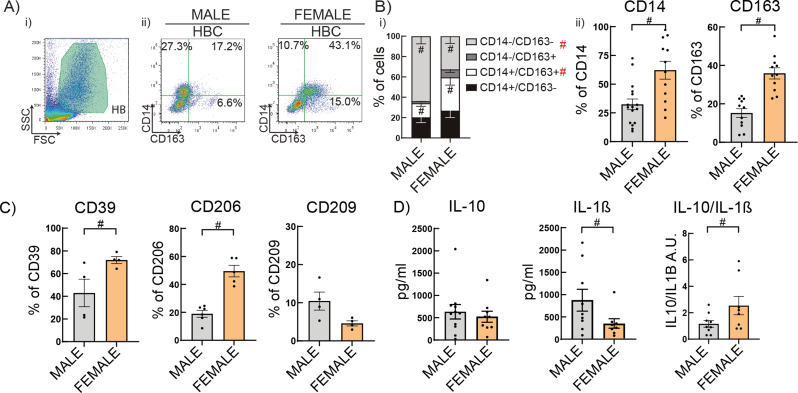
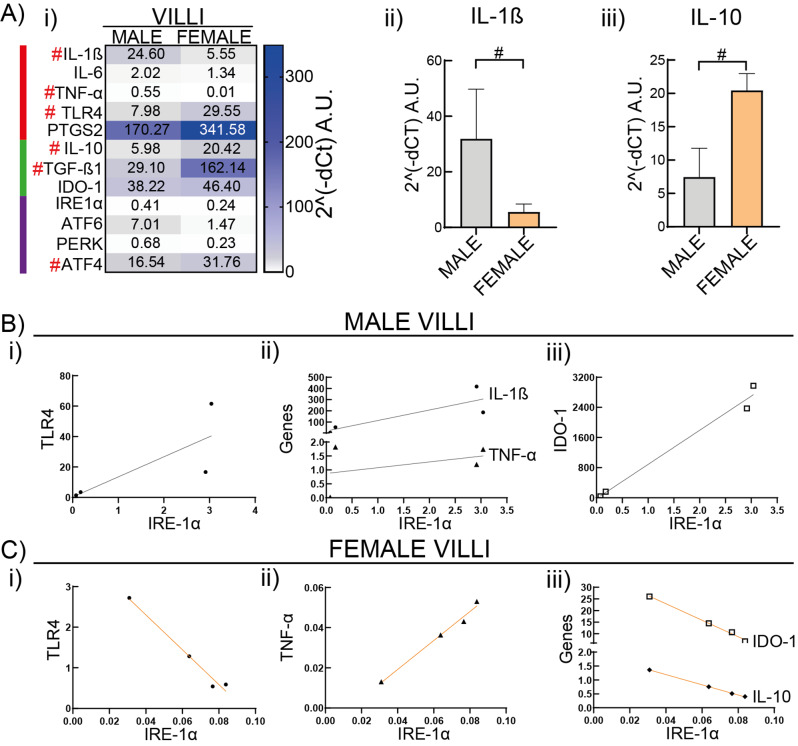
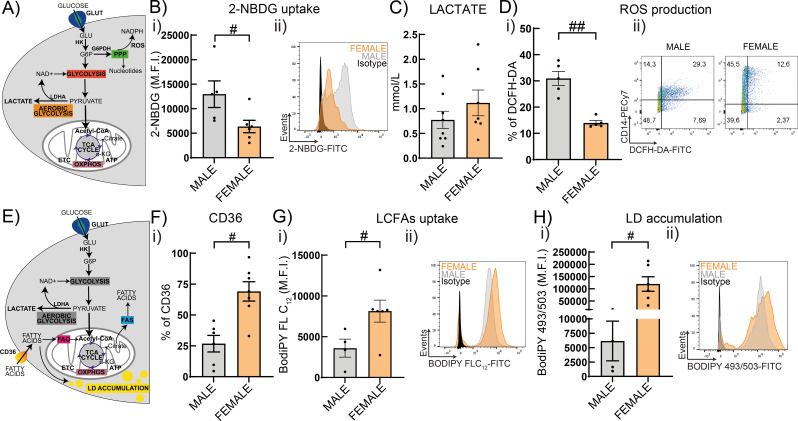
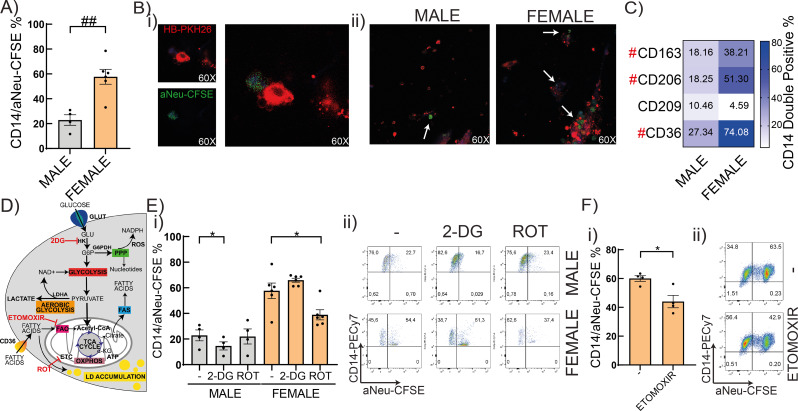
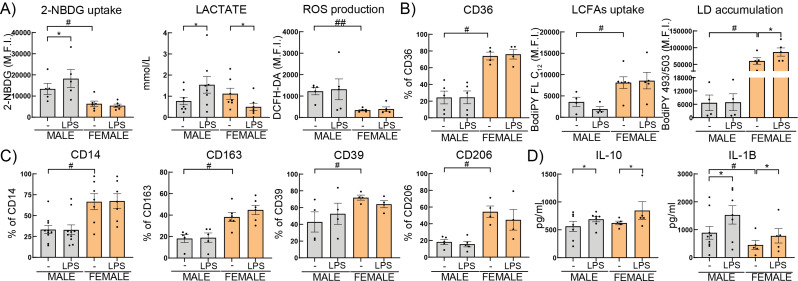
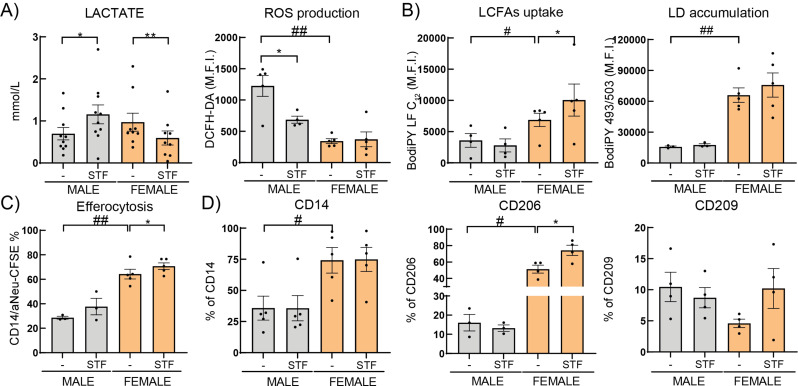
HBC from female placentas displayed a stronger M2 phenotype accompanied by high rates of efferocytosis majorly sustained on lipid metabolism. On the other hand, male HBC expressed a weaker M2 phenotype with higher glycolytic metabolism. LPS stimulation reinforced the glycolytic metabolism in male but not in female HBC. Physiological endoplasmic reticulum stress activates IRE-1 differently, since its pharmacological inhibition increased lipid mobilization, accumulation and efferocytosis only in female HBC. Moreover, differential sex-associated pathways accompanying the phenotypic and functional profiles of HBC appeared related to the placental villi environment.
These results support sex-associated effects on the immunometabolism of the HBC and adds another layer of complexity to the intricate maternal-fetal immune interaction.
胎盘巨噬细胞(Hofbauer 细胞,HBC)是妊娠期间胎盘基质中唯一的胎儿免疫细胞群。它们是维持妊娠期间免疫耐受的核心参与者。免疫代谢在几年前作为一个新的领域出现,它将细胞代谢与免疫反应结合起来,然而,HBC 的免疫代谢尚未被探索。在这里,我们研究了 HBC 表型、功能和免疫代谢特征的性别特异性差异。
从人足月胎盘(N=31,男性 16 例,女性 15 例新生儿)中分离 HBC。通过流式细胞术、共聚焦显微镜、基因表达和计算方法进行体外分析,评估活性代谢和内质网应激途径。
来自女性胎盘的 HBC 表现出更强的 M2 表型,伴随着主要由脂质代谢维持的高效吞噬作用。另一方面,男性 HBC 表达较弱的 M2 表型,具有更高的糖酵解代谢。LPS 刺激增强了男性 HBC 的糖酵解代谢,但不增强女性 HBC 的糖酵解代谢。生理内质网应激以不同的方式激活 IRE-1,因为其药理学抑制仅在女性 HBC 中增加脂质动员、积累和吞噬作用。此外,与 HBC 的表型和功能特征相伴的差异性别相关途径似乎与胎盘绒毛环境有关。
这些结果支持 HBC 的免疫代谢存在性别相关影响,并为复杂的母婴免疫相互作用增加了另一层复杂性。