Laboratory of Molecular Pharmacology, Department of Pharmacology, School of Pharmacy, Southwest Medical University, Luzhou, Sichuan, 646000, China.
Cell Therapy & Cell Drugs of Luzhou Key Laboratory, Luzhou, Sichuan, 646000, China.
BMC Cancer. 2024 Oct 21;24(1):1297. doi: 10.1186/s12885-024-12927-x.
Hepatocellular carcinoma (HCC) is a malignant tumor characterized by a high mortality rate. The occurrence and progression of HCC are linked to oxidative stress. Glyoxalase-1 (GLO1) plays an important role in regulating oxidative stress, yet the underlying mechanism remains unclear. GLO1 may serve as a prognostic biomarker and therapeutic target for HCC.
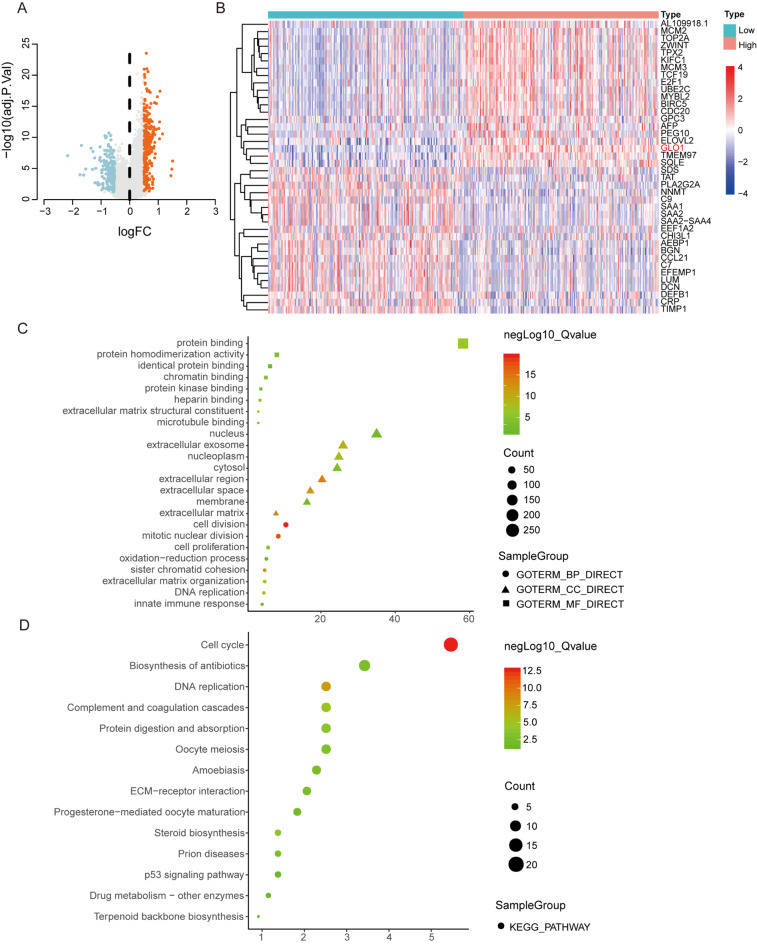
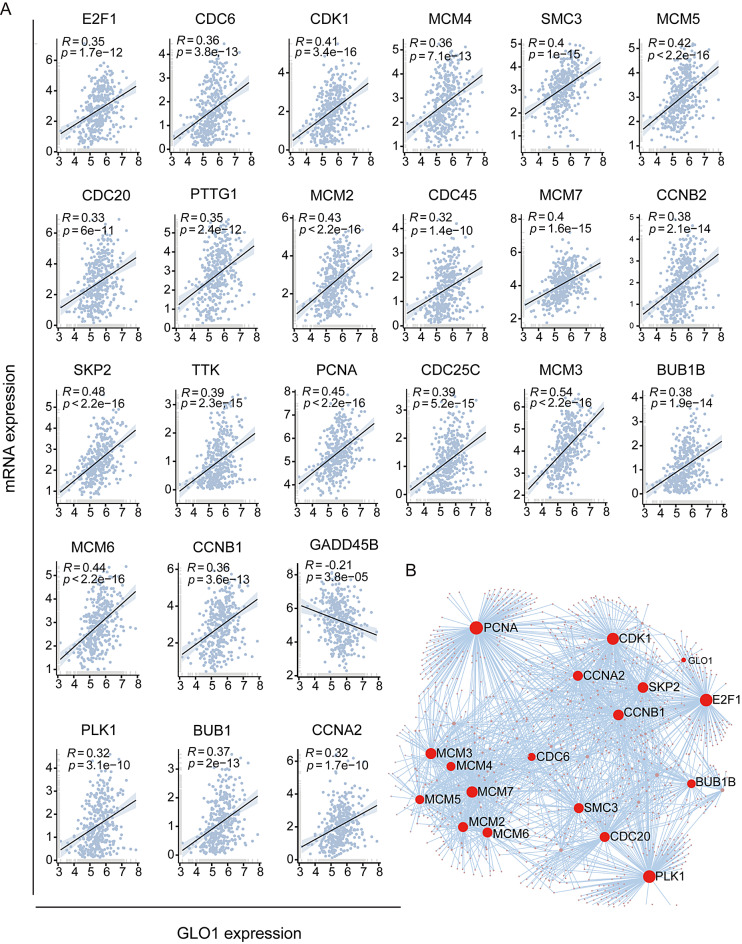
Based on TCGA database hepatocellular carcinoma samples, we conducted a bioinformatics analysis to explore the correlation between GLO1 expression and HCC cell proliferation and viability. Kyoto Encyclopedia of Genes and Genomes (KEGG) pathway enrichment analysis revealed that differentially expressed genes (DEGs) were mainly enriched in the cell cycle pathway. We analyzed the relationships between GLO1 and 24 genes enriched in the cell cycle pathway using a protein-protein interaction (PPI) network. Finally, experimental validation was performed to assess GLO1's impact on the distribution of cells at different cell cycle stages and on the proliferation and migration of HCC cells.
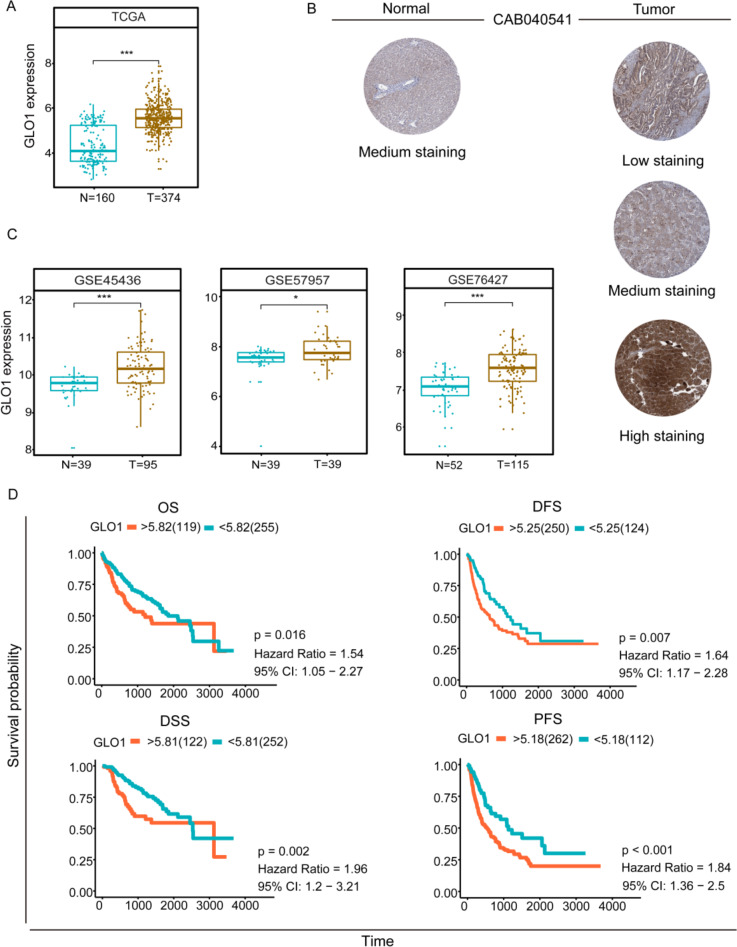
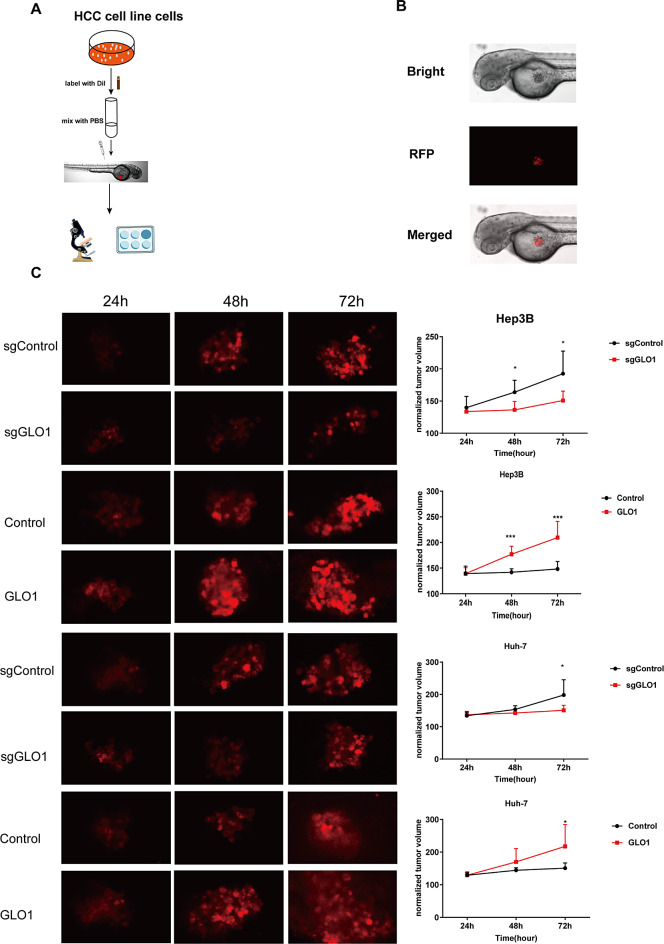
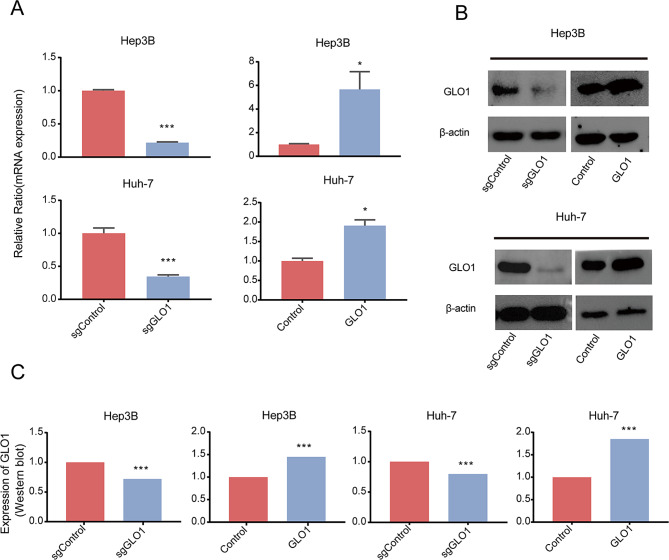
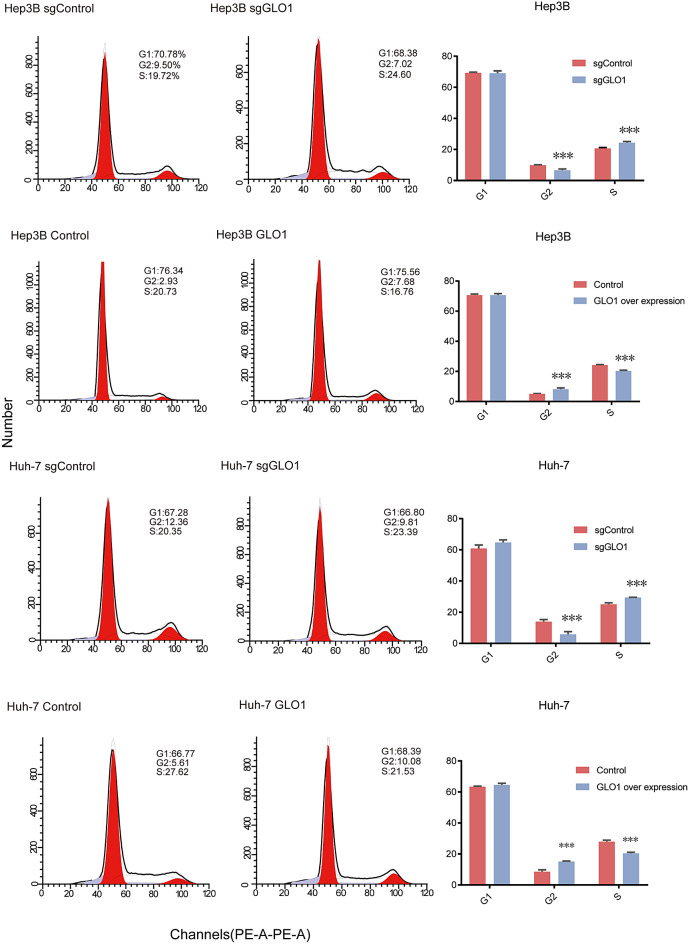
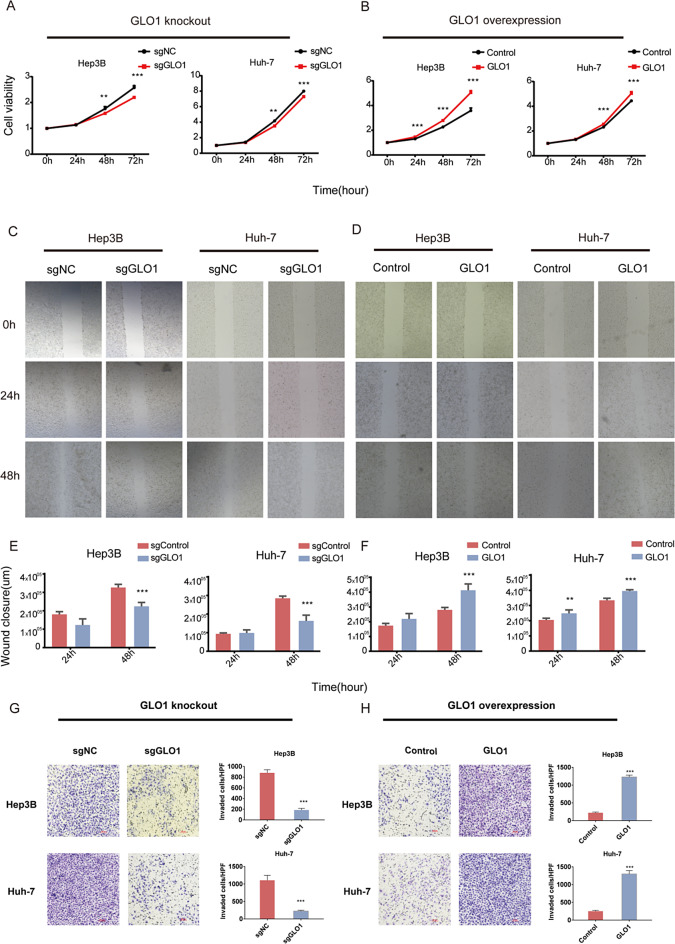
Our study demonstrated that GLO1 was overexpressed in HCC tissues and was associated with a poor prognosis. Data analysis indicated that overexpression of GLO1 activated the cell cycle pathway and positively correlated with expression of the majority of key cell cycle genes. Experimental validation showed that GLO1 expression affects the number of HCC cells in G2 and S phases and regulates HCC cell proliferation and migration.
GLO1 represents a promising therapeutic target for HCC, providing valuable insights into its role in the viability and proliferation of HCC cells.
肝细胞癌(HCC)是一种高死亡率的恶性肿瘤。HCC 的发生和进展与氧化应激有关。乙二醛酶-1(GLO1)在调节氧化应激方面起着重要作用,但潜在机制尚不清楚。GLO1 可能是 HCC 的预后生物标志物和治疗靶点。
基于 TCGA 数据库肝癌样本,我们进行了生物信息学分析,以探讨 GLO1 表达与 HCC 细胞增殖和活力的相关性。京都基因与基因组百科全书(KEGG)通路富集分析显示,差异表达基因(DEGs)主要富集在细胞周期通路中。我们使用蛋白质-蛋白质相互作用(PPI)网络分析了 GLO1 与细胞周期通路中富集的 24 个基因之间的关系。最后,通过实验验证评估了 GLO1 对不同细胞周期阶段细胞分布以及 HCC 细胞增殖和迁移的影响。
我们的研究表明,GLO1 在 HCC 组织中过表达,与预后不良相关。数据分析表明,GLO1 的过表达激活了细胞周期通路,并且与大多数关键细胞周期基因的表达呈正相关。实验验证表明,GLO1 表达影响 HCC 细胞在 G2 和 S 期的数量,并调节 HCC 细胞的增殖和迁移。
GLO1 是 HCC 有前途的治疗靶点,为其在 HCC 细胞活力和增殖中的作用提供了有价值的见解。