Department of Orthopedics, The First Afffliated Hospital, Jinan University, Guangzhou, Guangdong, 510632, China.
Key Laboratory of Biomaterials of Guangdong Higher Education Institutes, Engineering Technology Research Center of Drug Carrier of Guangdong, Department of Biomedical Engineering, Jinan University, Guangzhou, 510632, China.
J Nanobiotechnology. 2024 Oct 24;22(1):653. doi: 10.1186/s12951-024-02916-4.
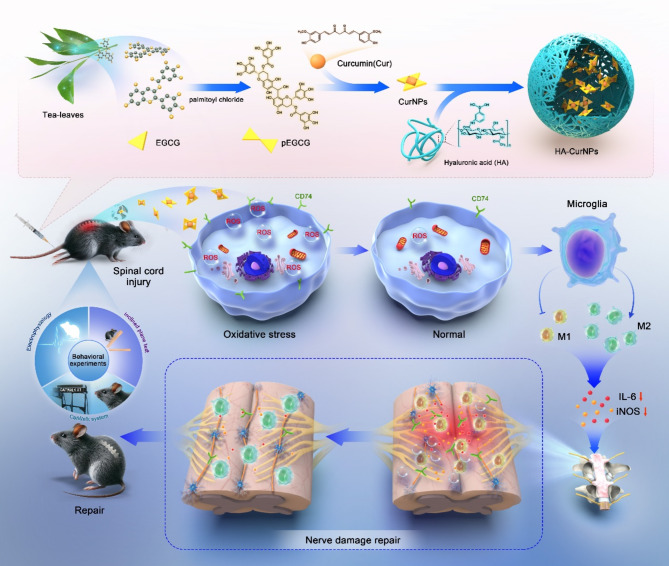
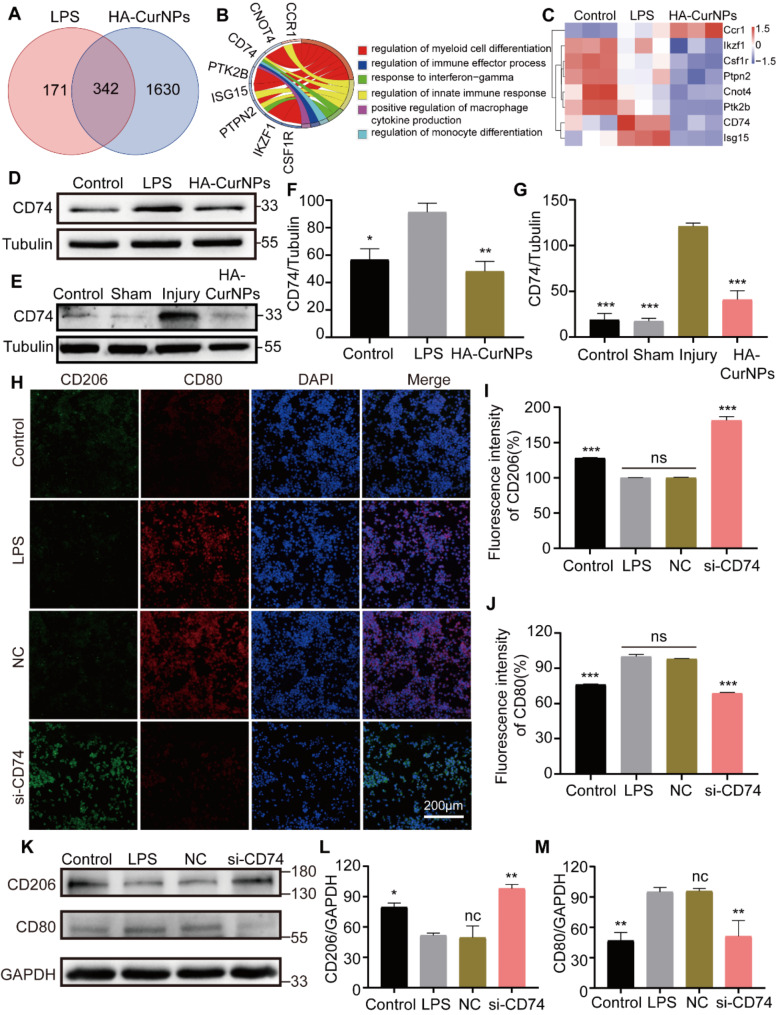
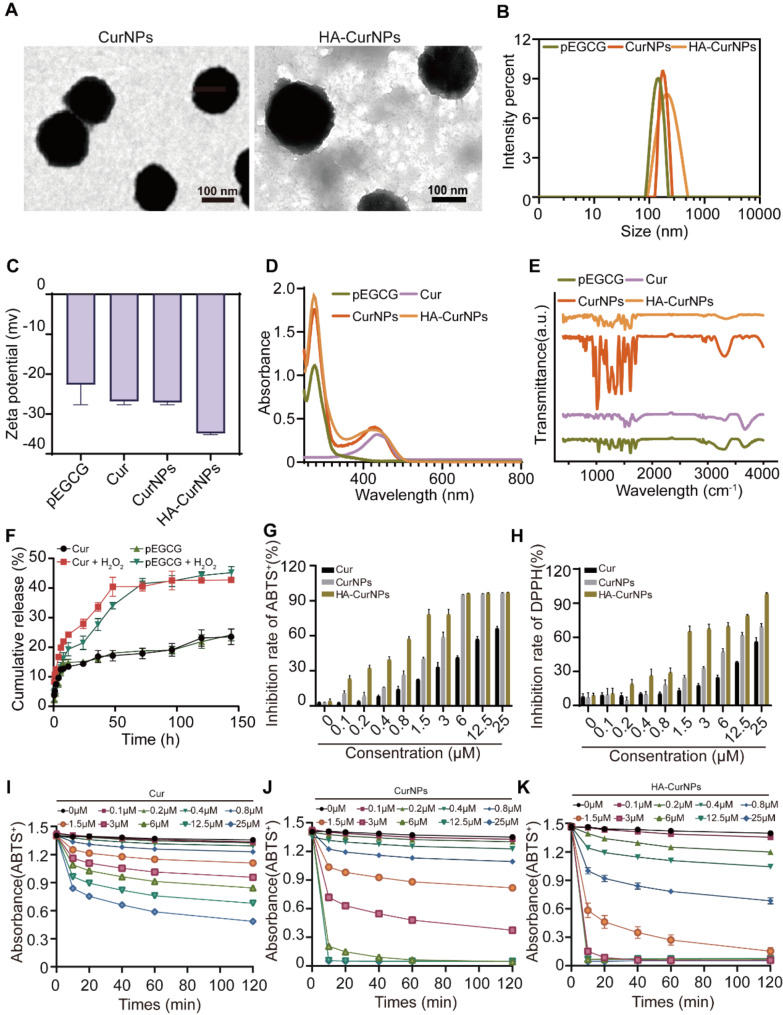
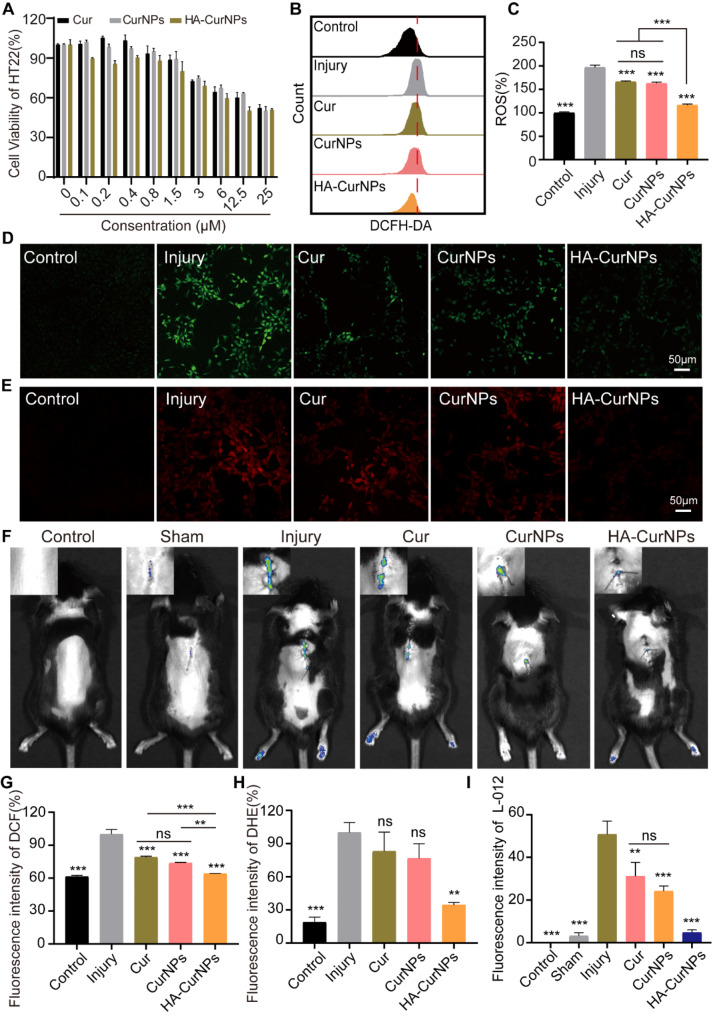
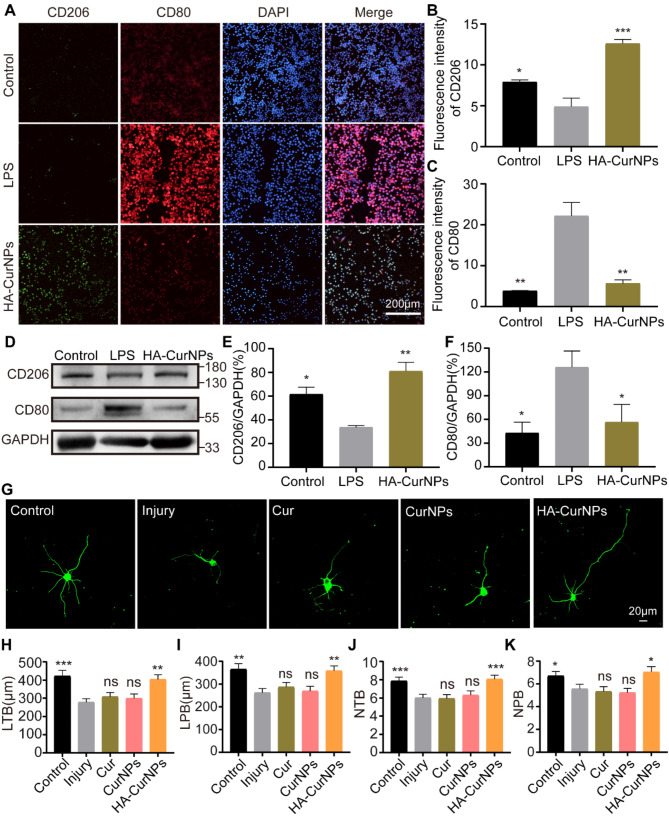
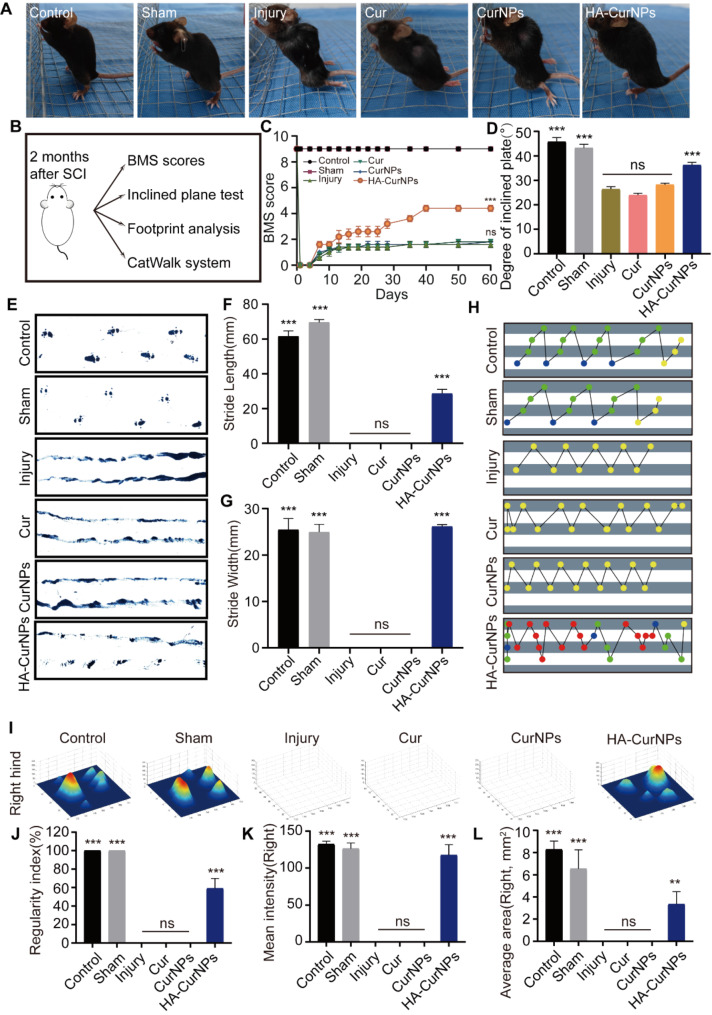
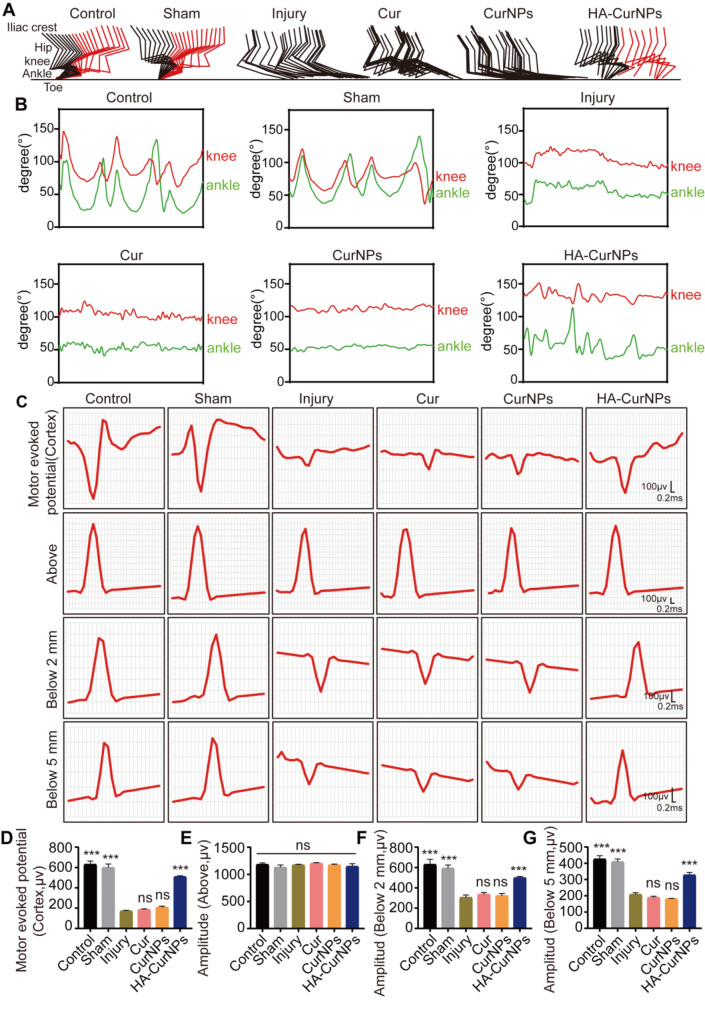
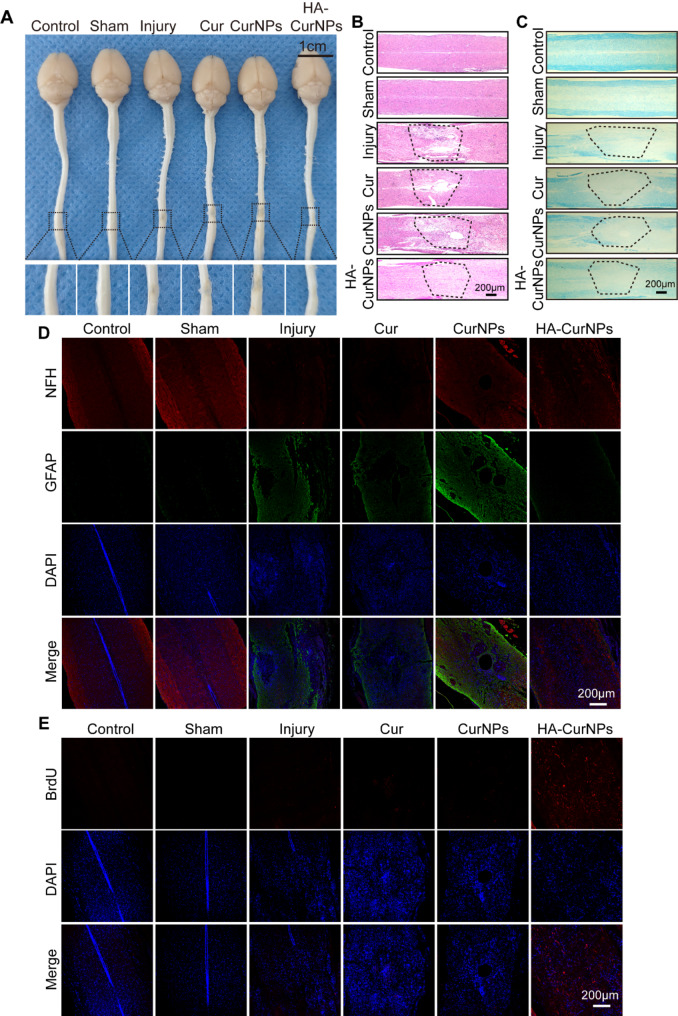
Spinal cord injury (SCI) often accompanies impairment of motor function, yet there is currently no highly effective treatment method specifically for this condition. Oxidative stress and inflammation are pivotal factors contributing to severe neurological deficits after SCI. In this study, a type of curcumin (Cur) nanoparticle (HA-CurNPs) was developed to address this challenge by alleviating oxidative stress and inflammation. Through non-covalent interactions, curcumin (Cur) and poly (-)-epigallocatechin-3-gallate (pEGCG) are co-encapsulated within hyaluronic acid (HA), resulting in nanoparticles termed HA-CurNPs. These nanoparticles gradually release curcumin and pEGCG at the SCI site. The released pEGCG and curcumin not only scavenge reactive oxygen species (ROS) and prevents apoptosis, thereby improving the neuronal microenvironment, but also regulate CD74 to promote microglial polarization toward an M2 phenotype, and inhibits M1 polarization, thereby suppressing the inflammatory response and fostering neuronal regeneration. Moreover, in vivo experiments on SCI mice demonstrate that HA-CurNPs effectively protect neuronal cells and myelin, reduce glial scar formation, thereby facilitating the repair of damaged spinal cord tissues, restoring electrical signaling at the injury site, and improving motor functions. Overall, this study demonstrates that HA-CurNPs significantly reduce oxidative stress and inflammation following SCI, markedly improving motor function in SCI mice. This provides a promising therapeutic approach for the treatment of SCI.
脊髓损伤 (SCI) 常伴有运动功能障碍,但目前尚无专门针对该病症的高效治疗方法。氧化应激和炎症是 SCI 后严重神经功能缺损的关键因素。在这项研究中,开发了一种姜黄素 (Cur) 纳米粒子 (HA-CurNPs),通过缓解氧化应激和炎症来应对这一挑战。通过非共价相互作用,姜黄素 (Cur) 和聚 (-)-表没食子儿茶素-3-没食子酸酯 (pEGCG) 共同包封在透明质酸 (HA) 内,形成称为 HA-CurNPs 的纳米粒子。这些纳米粒子在 SCI 部位逐渐释放姜黄素和 pEGCG。释放的 pEGCG 和姜黄素不仅可以清除活性氧 (ROS) 和防止细胞凋亡,从而改善神经元微环境,还可以调节 CD74 以促进小胶质细胞向 M2 表型极化,并抑制 M1 极化,从而抑制炎症反应并促进神经元再生。此外,SCI 小鼠的体内实验表明,HA-CurNPs 可有效保护神经元细胞和髓鞘,减少神经胶质瘢痕形成,从而促进受损脊髓组织的修复,恢复损伤部位的电信号,并改善运动功能。总的来说,这项研究表明,HA-CurNPs 可显著减轻 SCI 后的氧化应激和炎症,显著改善 SCI 小鼠的运动功能。这为 SCI 的治疗提供了一种有前景的治疗方法。