Hirschbiegel Cristina-Maria, Goswami Ritabrita, Chakraborty Soham, Noonan Cedar, Pham Edward, Nagaraj Harini, Ndugire William, Fedeli Stefano, Rotello Vincent M
University of Massachusetts Amherst, 710 North Pleasant Street, Amherst, MA 01035, USA.
J Polym Sci (2020). 2024 Aug 15;62(16):3787-3793. doi: 10.1002/pol.20230582. Epub 2024 Jan 11.
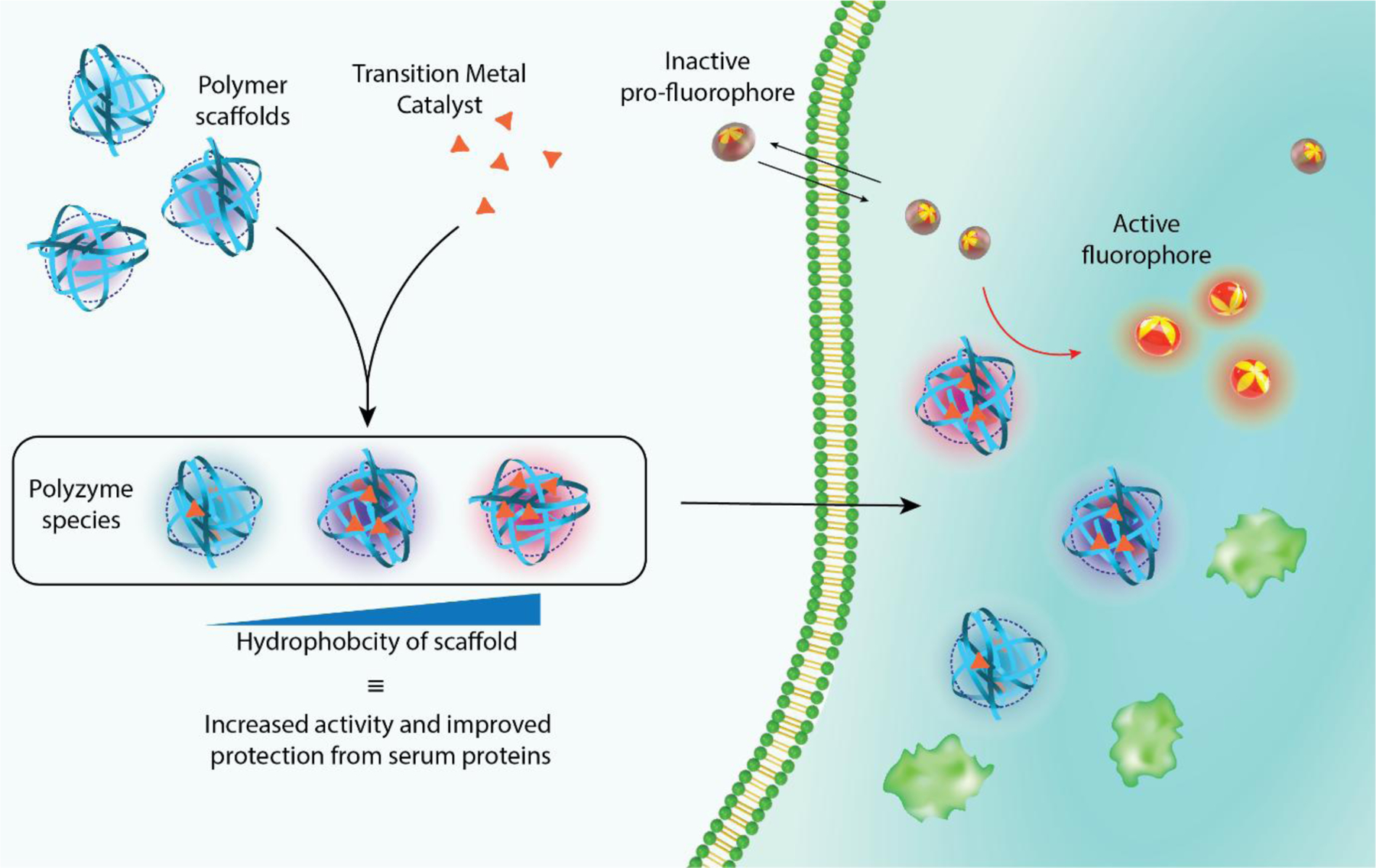
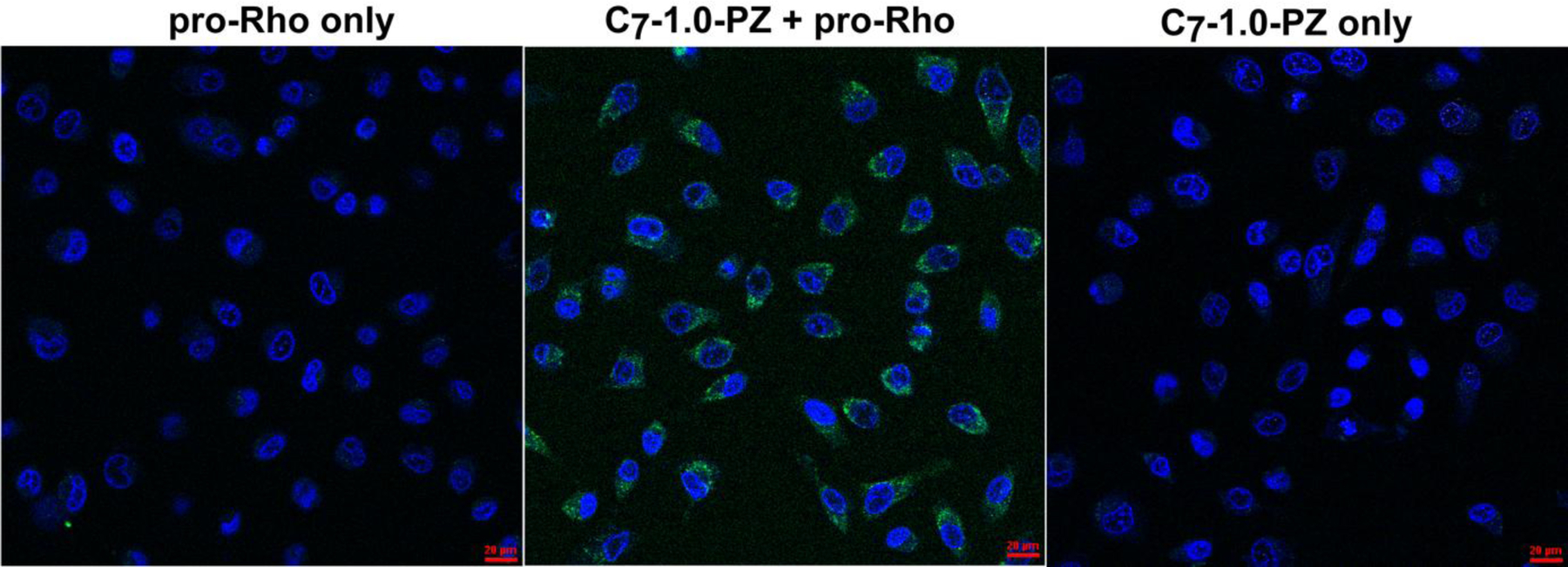
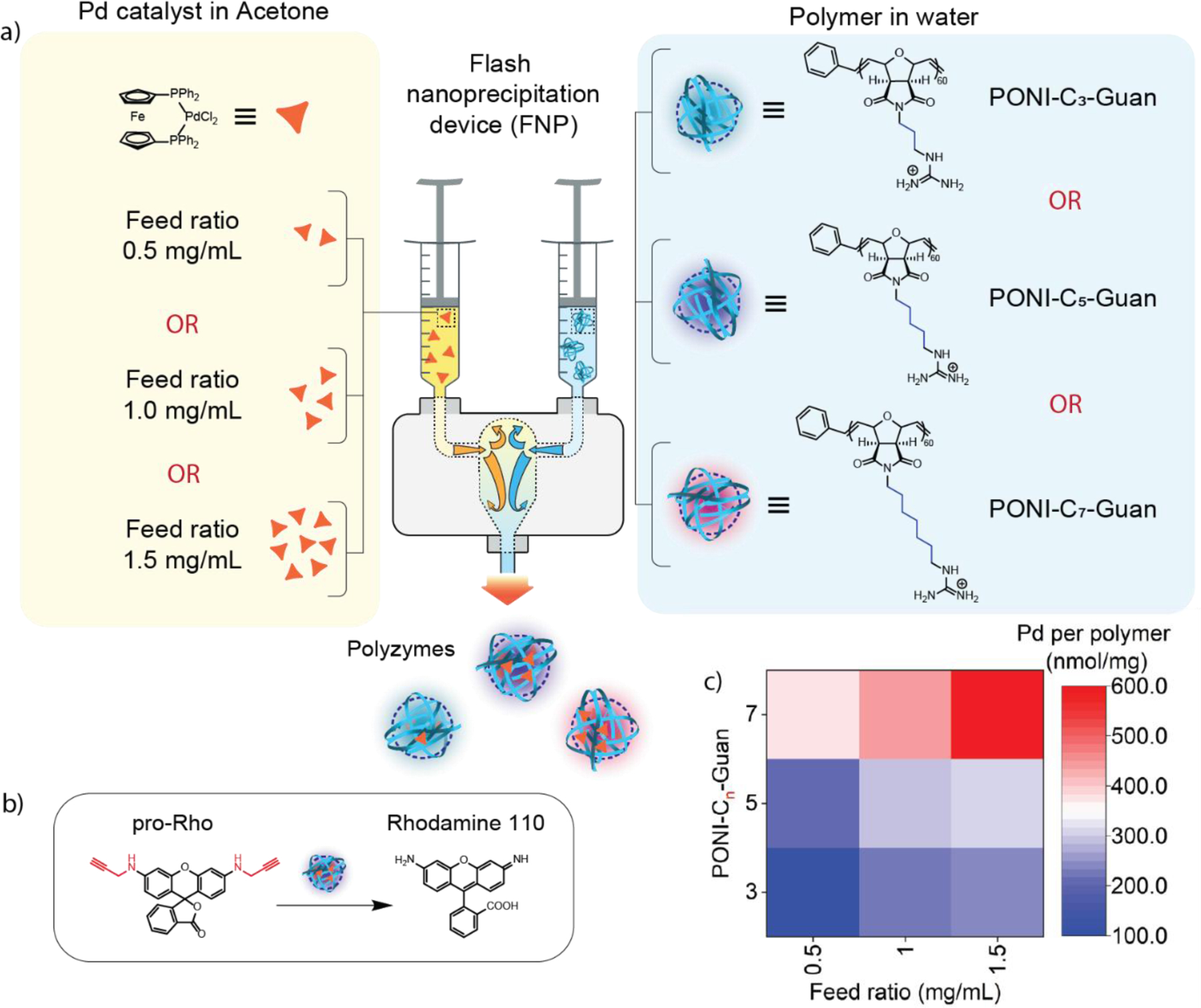
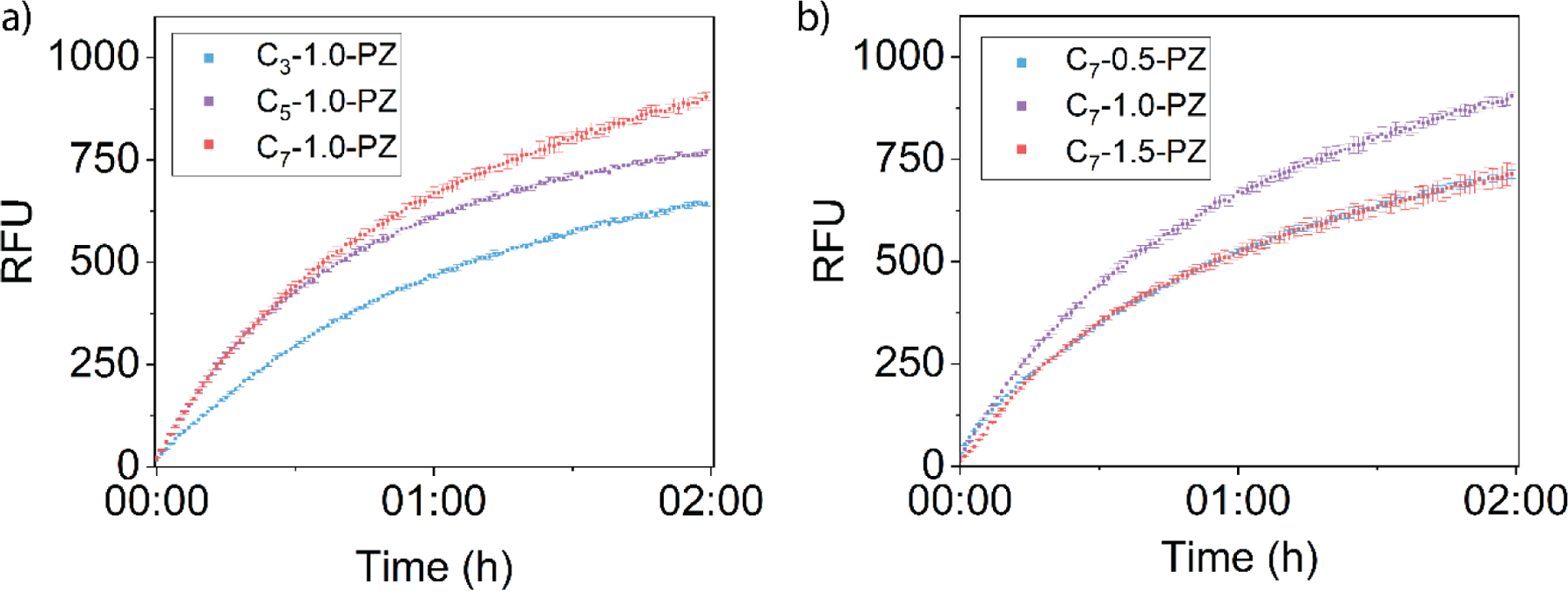
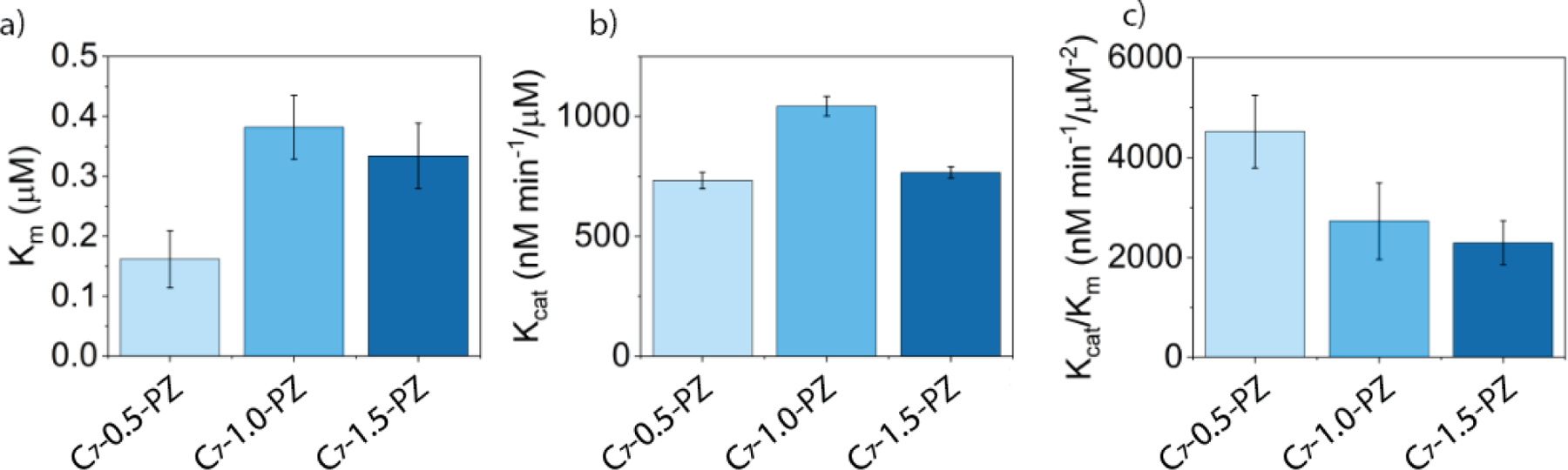
Synthetic polymer scaffolds can encapsulate transition metal catalysts (TMCs) to provide bioorthogonal nanocatalysts. These 'polyzymes' catalyze the generation of therapeutic agents without disrupting native biological processes. The design and modification of polymer scaffolds in these polyzymes can enhance the catalytic performance of TMCs in biological environments. In this study, we explore the hydrophobic design space of an oxanorborneneimide-based polymer by varying the length of its carbon side chain to engineer bioorthogonal polyzymes. Activity studies indicate that modulating the hydrophobicity of the polymer scaffold can be used to enhance the catalyst loading efficacy, catalytic activity, and serum stability of polyzymes. These findings provide insight into the structural elements contributing to improving polymeric nanocatalysts for a variety of applications.
合成聚合物支架可以包裹过渡金属催化剂(TMCs)以提供生物正交纳米催化剂。这些“多酶”能够催化治疗剂的生成,同时不会干扰天然生物过程。在这些多酶中,聚合物支架的设计和修饰可以提高TMCs在生物环境中的催化性能。在本研究中,我们通过改变基于氧杂降冰片烯酰亚胺的聚合物的碳侧链长度来探索其疏水设计空间,以设计生物正交多酶。活性研究表明,调节聚合物支架的疏水性可用于提高多酶的催化剂负载效率、催化活性和血清稳定性。这些发现为有助于改进用于各种应用的聚合物纳米催化剂的结构元素提供了见解。