Shen Zihao, Feng Chen, Chen Xingyou, Jiang Yun, Chen Jianle
Department of Thoracic Surgery, Affiliated Hospital of Nantong University, Medical School of Nantong University, Nantong, China.
Medical School of Nantong University, Nantong, China.
J Thorac Dis. 2024 Sep 30;16(9):5860-5877. doi: 10.21037/jtd-24-569. Epub 2024 Sep 26.
Lung cancer (LC) is the most common malignant tumor in the world, and lung adenocarcinoma (LUAD) is the most common type of LC. Immune microenvironment plays a critical role in cancer from onset to relapse. We aimed to identify an effective immune-related prediction model for assessing prognosis and predicting the relevant tumor therapeutic drugs.
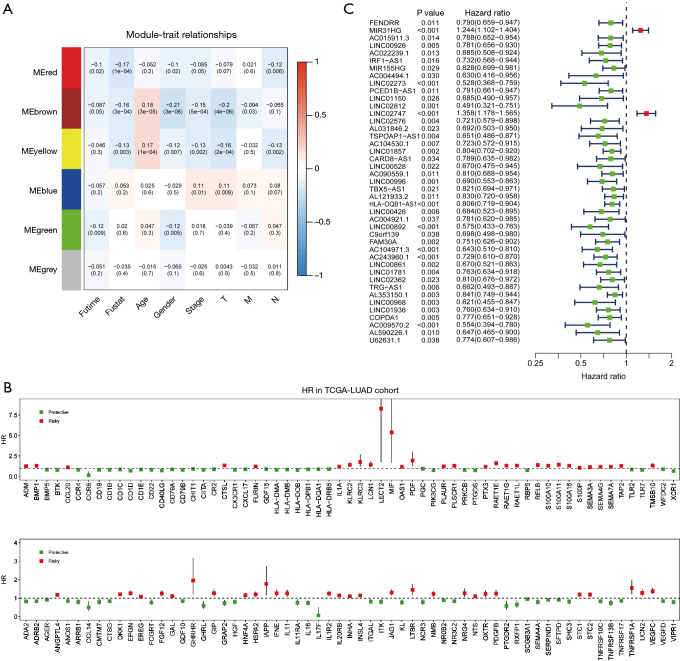
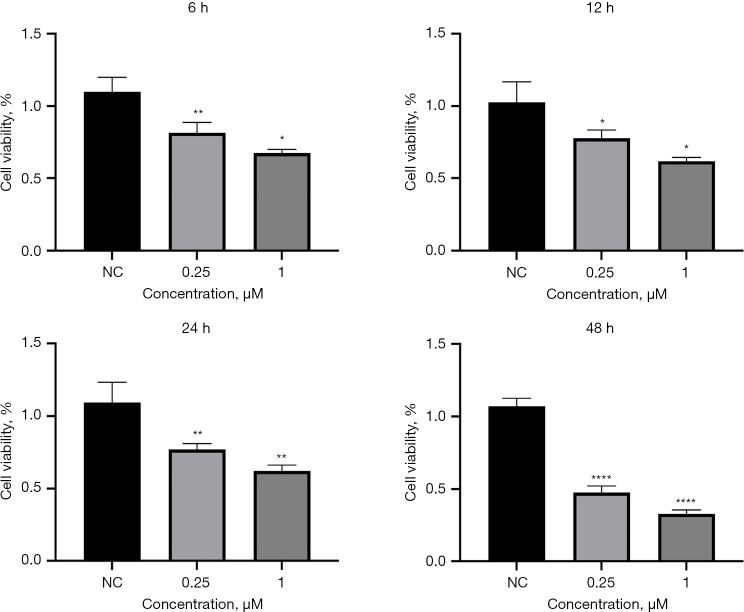
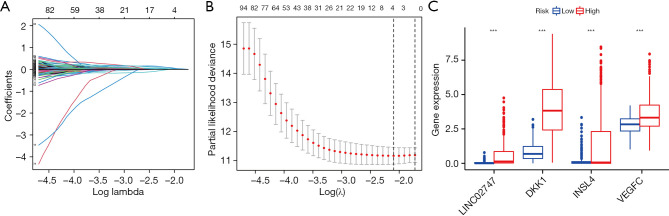
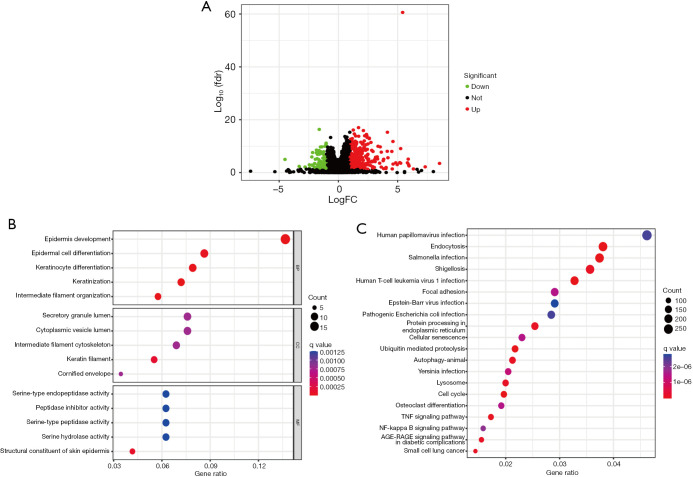
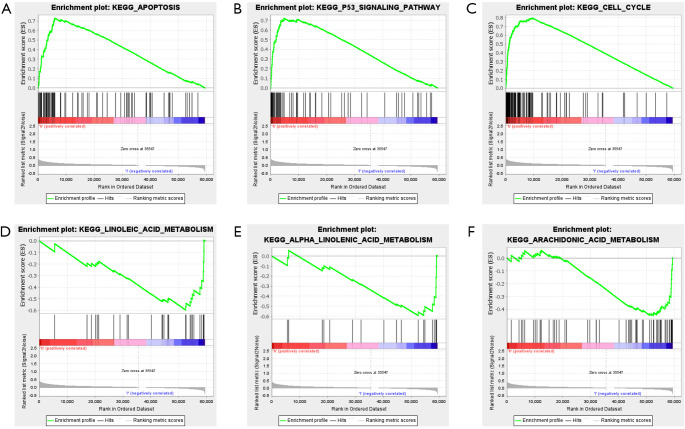
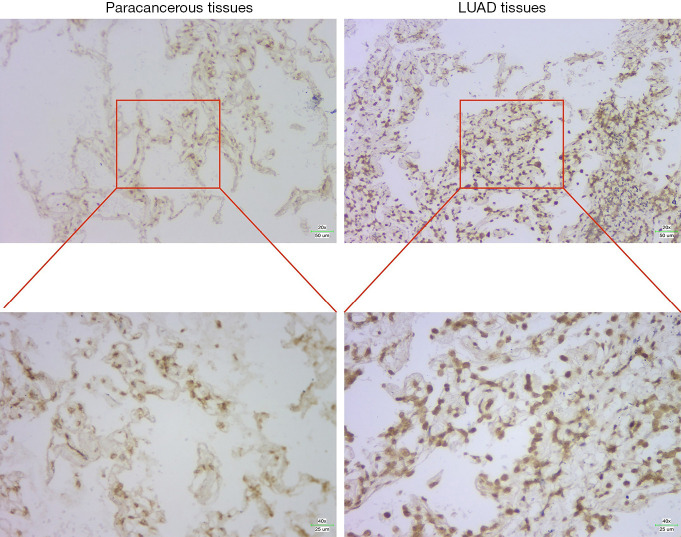
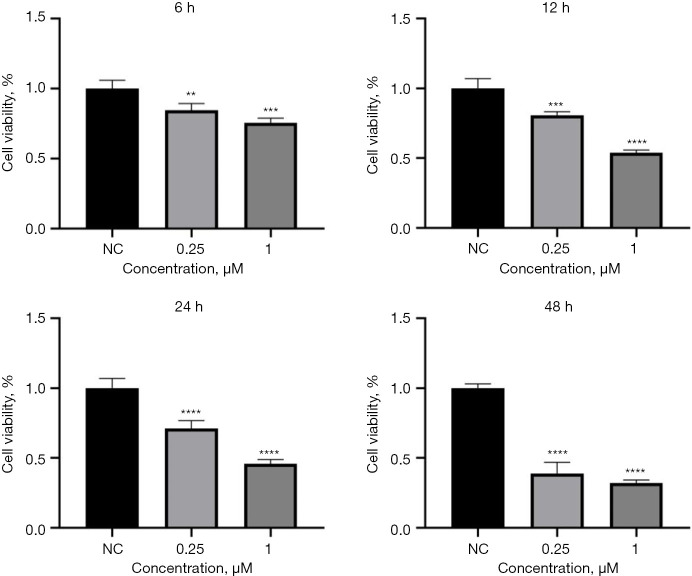
According to the RNA sequencing data of LUAD transcriptome in The Cancer Genome Atlas (TCGA) database and the immune-related genes obtained from IMMPORT (The Immunology Database and Analysis Portal) database, immune prognosis-related genes were screened. Weighted gene co-expression network analysis (WGCNA) identified hub genes in differentially expressed immune-related genes (DEIRGs). Least absolute shrinkage and selection operator (LASSO) Cox and ten rounds of cross-validation were used to screen core genes to establish a prognostic model, and hybridization was used to verify the expression of core genes in LUAD. Then the patients from the TCGA database were divided into high-risk group and low-risk group. The survival, tumor microenvironment (TME) and immune cell infiltration of different groups were further analyzed, and the differential genes between the two groups were analyzed by gene ontology (GO), Kyoto Encyclopedia of Genes and Genomes (KEGG) and Gene Set Enrichment Analysis (GSEA) enrichment analyses. Finally, the small molecular drugs that can inhibit the prognosis of LUAD were screened by Connectivity Map (CMAP), and the therapeutic mechanism of small molecular drug oxibendazole was verified by Cell Counting Kit-8 (CCK-8) experiment.
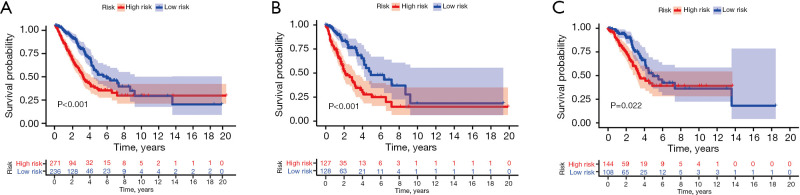
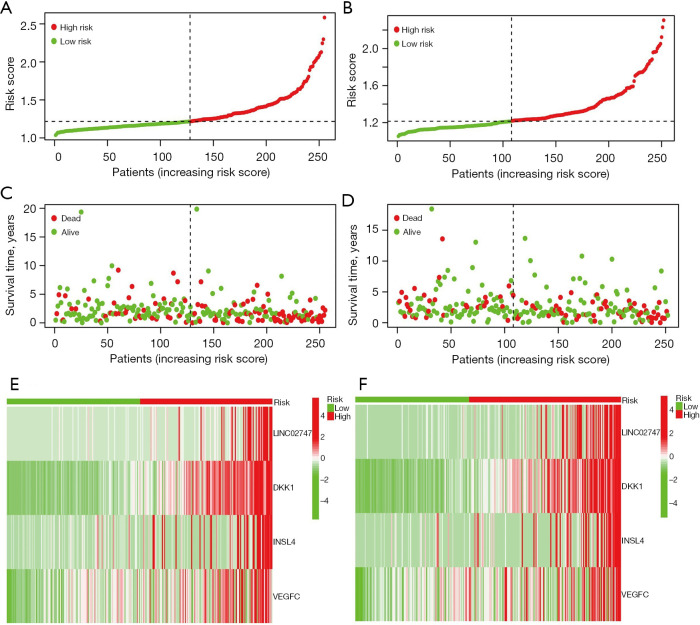
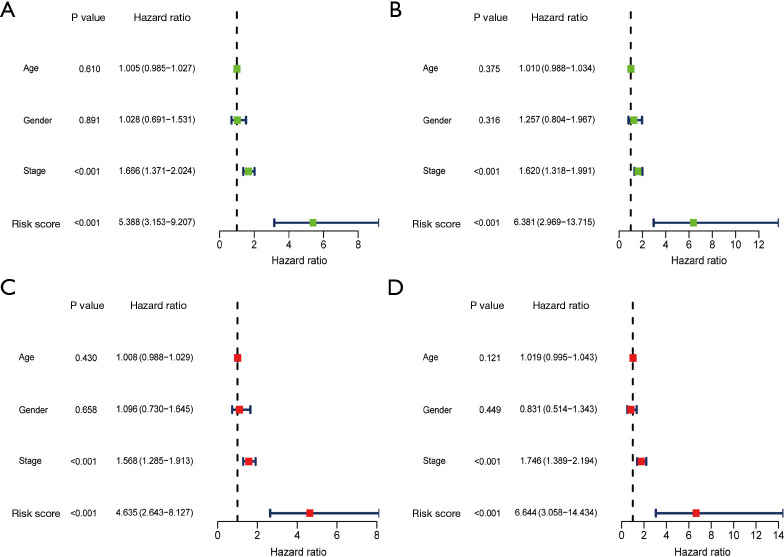
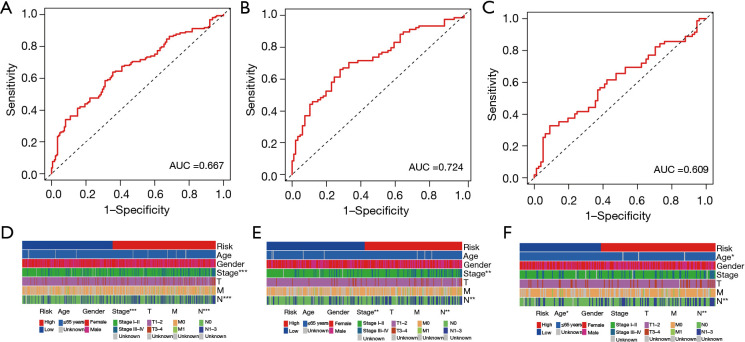
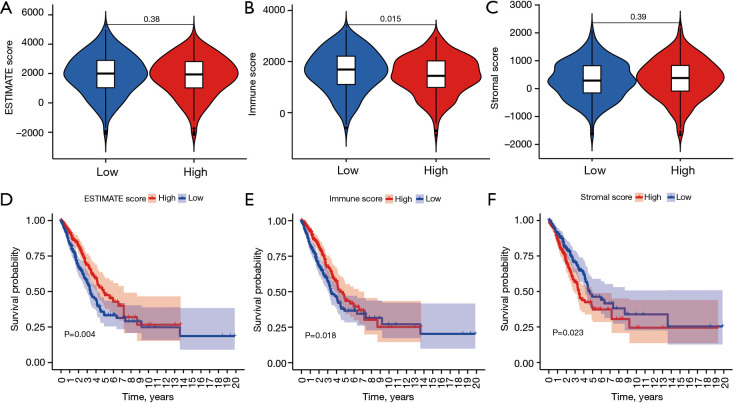
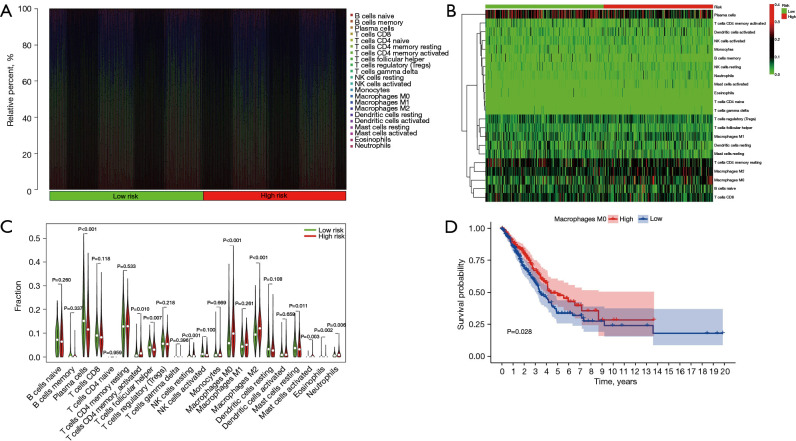
A four-immunoprognosis-related gene model was established to forecast the overall survival (OS) of LUAD through LASSO Cox regression and ten rounds of cross-validation analysis. This prognostic model stratified LUAD patients into low-risk and high-risk groups. According to the findings of the survival analysis, the low-risk group had a greater OS than the high-risk group and the content of immune cells in LUAD was corrected with the survival prognosis of patients. Univariate and multivariate Cox regression also revealed that the prognostic model was an independent prognosis factor in LUAD. Five kinds of small molecular drugs which can inhibit the prognosis of LUAD were screened by CMAP. As shown by CCK-8 test, the small molecular drug "oxibendazole" can effectively inhibit the proliferation of LUAD cells.
Based on immune-related prognostic genes, a new prognostic model for LUAD was constructed. Oxibendazole can inhibit the proliferation of LUAD cells, which provides a new idea for the treatment of LUAD.
肺癌(LC)是全球最常见的恶性肿瘤,肺腺癌(LUAD)是LC最常见的类型。免疫微环境在癌症从发病到复发的过程中起着关键作用。我们旨在确定一种有效的免疫相关预测模型,用于评估预后和预测相关肿瘤治疗药物。
根据癌症基因组图谱(TCGA)数据库中LUAD转录组的RNA测序数据以及从免疫数据库和分析门户(IMMPORT)数据库获得的免疫相关基因,筛选免疫预后相关基因。加权基因共表达网络分析(WGCNA)在差异表达的免疫相关基因(DEIRGs)中鉴定出枢纽基因。使用最小绝对收缩和选择算子(LASSO)Cox回归和十轮交叉验证来筛选核心基因以建立预后模型,并通过杂交验证核心基因在LUAD中的表达。然后将来自TCGA数据库的患者分为高风险组和低风险组。进一步分析不同组的生存率、肿瘤微环境(TME)和免疫细胞浸润情况,并通过基因本体(GO)、京都基因与基因组百科全书(KEGG)和基因集富集分析(GSEA)富集分析来分析两组之间的差异基因。最后,通过连通性图谱(CMAP)筛选出可抑制LUAD预后的小分子药物,并通过细胞计数试剂盒-8(CCK-8)实验验证小分子药物奥昔苯达唑的治疗机制。
通过LASSO Cox回归和十轮交叉验证分析,建立了一个与免疫预后相关的四基因模型,用于预测LUAD的总生存期(OS)。该预后模型将LUAD患者分为低风险组和高风险组。根据生存分析结果,低风险组的OS高于高风险组,且LUAD中免疫细胞的含量与患者的生存预后相关。单因素和多因素Cox回归也显示,该预后模型是LUAD的独立预后因素。通过CMAP筛选出五种可抑制LUAD预后的小分子药物。CCK-8试验表明,小分子药物“奥昔苯达唑”可有效抑制LUAD细胞的增殖。
基于免疫相关预后基因,构建了一种新的LUAD预后模型。奥昔苯达唑可抑制LUAD细胞的增殖,为LUAD的治疗提供了新思路。