Production and Systems Department, Federal University of Santa Maria, Santa Maria, Rio Grande do Sul, Brazil.
Production Engineering Department, Federal University of Mato Grosso do Sul, Nova Andradina, Mato Grosso do Sul, Brazil.
PLoS One. 2024 Oct 24;19(10):e0309745. doi: 10.1371/journal.pone.0309745. eCollection 2024.
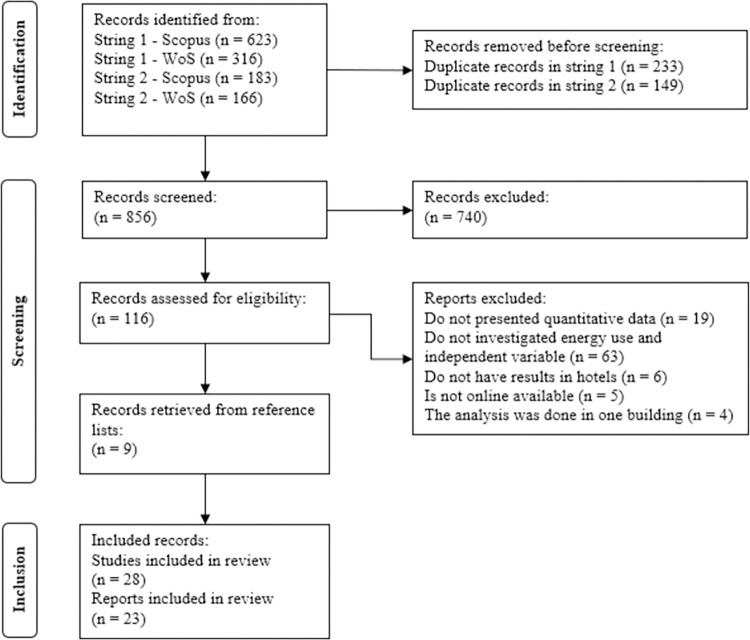
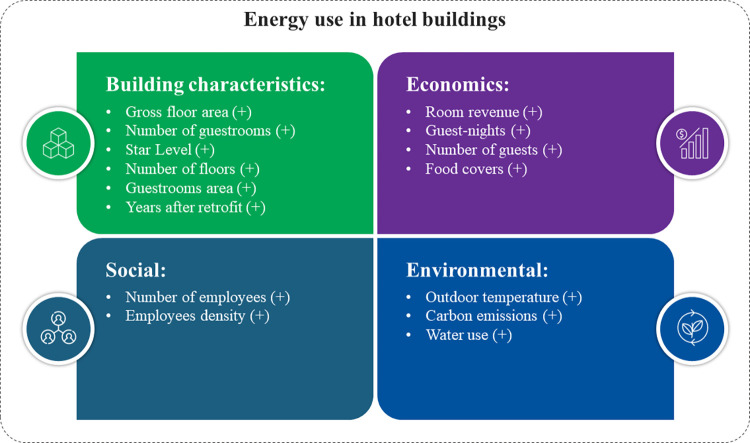
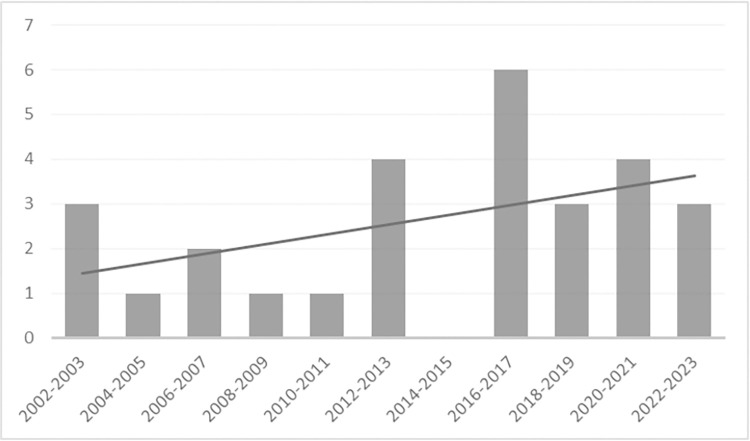
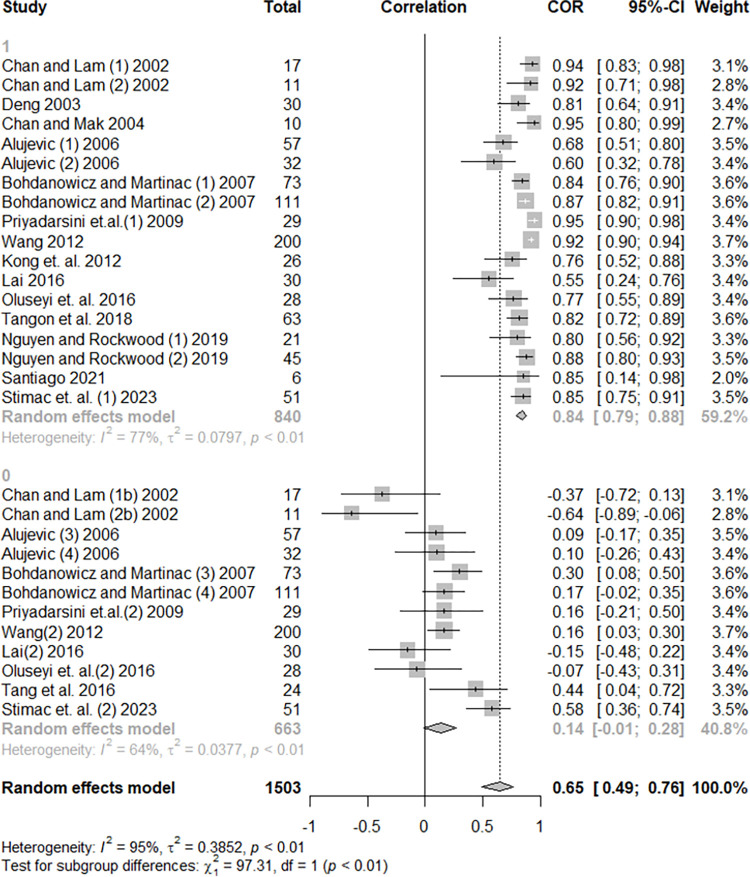
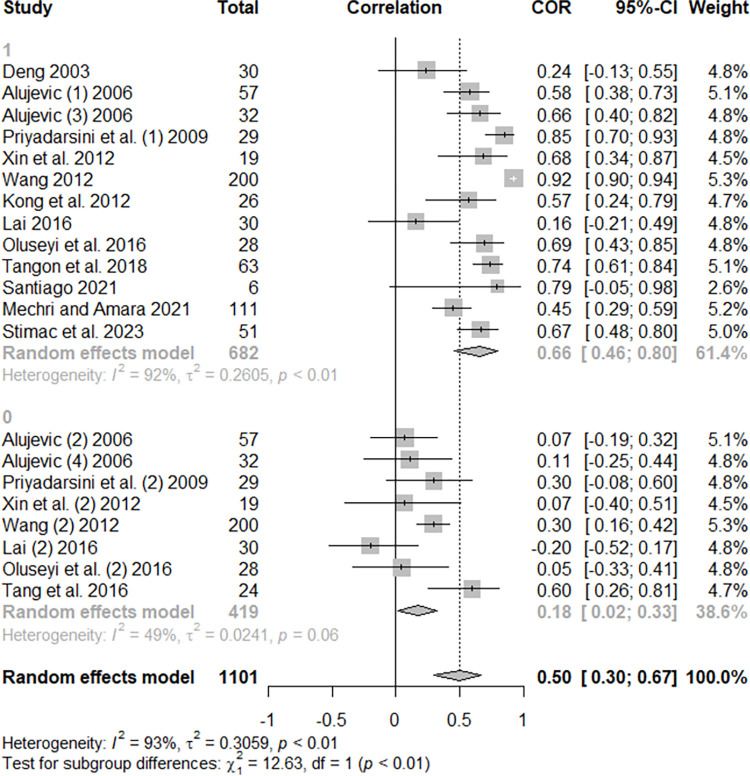
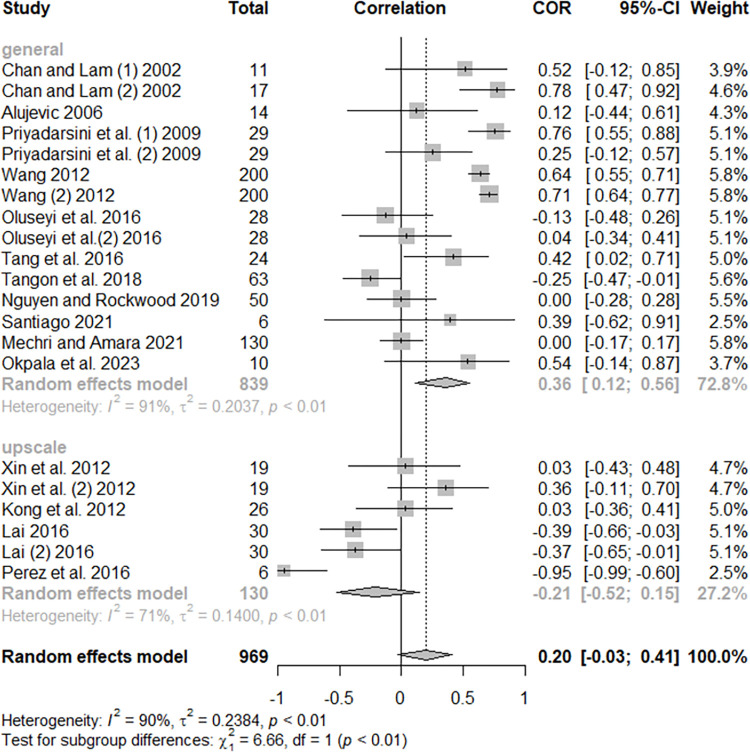
Energy use is the major source of carbon emissions in hotel buildings. Past studies presented contributors to energy use, most related to hotels' physical and economics characteristics. In search of effective variables affecting energy use in hotels, this systematic review and meta-analysis aims to synthesize empirical evidence. A descriptive picture of 28 previous studies, the arguments for the direction of effects in each variable, and a quantitative synthesis of the mean effect sizes were presented. Among 18 selected contributors from past studies, 15 were statistically significant (0.05 level). The analyses also revealed that the operationalization of the energy variable is important in evaluating the relationship with a contributor. Studies considering Energy Use Intensity (EUI) indicators presented weaker correlations with gross floor area (GFA) and number of guestrooms than those considering energy raw data, for example. The occupancy rate resulted in a non-significant outcome, but this result could be related to differences among the hotels categories, as identified in the subgroup and meta-regression analyses. Future research could help develop and investigate theories to sustain or deny the relationships found here, in addition to the assessment of the outcomes in other regions, bringing more variables related to sustainable management.
能源消耗是酒店建筑碳排放的主要来源。过去的研究提出了能源消耗的贡献因素,其中大多数与酒店的物理和经济特征有关。为了寻找影响酒店能源消耗的有效变量,本系统评价和荟萃分析旨在综合实证证据。本文呈现了 28 项先前研究的描述性图片、每个变量的效应方向的论据,以及平均效应大小的定量综合。在过去研究中选择的 18 个贡献因素中,有 15 个在统计学上是显著的(0.05 水平)。分析还表明,能源变量的操作化在评估与贡献因素的关系方面很重要。例如,考虑能源使用强度(EUI)指标的研究与总建筑面积(GFA)和客房数量的相关性比考虑能源原始数据的研究弱。入住率的结果没有统计学意义,但这一结果可能与酒店类别之间的差异有关,这在亚组和荟萃回归分析中得到了证实。未来的研究可以帮助发展和检验理论,以维持或否认这里发现的关系,此外还可以评估其他地区的结果,引入更多与可持续管理相关的变量。