Department of Molecular Genetics and Microbiology, Duke University School of Medicine, Durham, North Carolina, United States of America.
Duke Center for Virology, Durham, North Carolina, United States of America.
PLoS Pathog. 2024 Oct 24;20(10):e1012341. doi: 10.1371/journal.ppat.1012341. eCollection 2024 Oct.
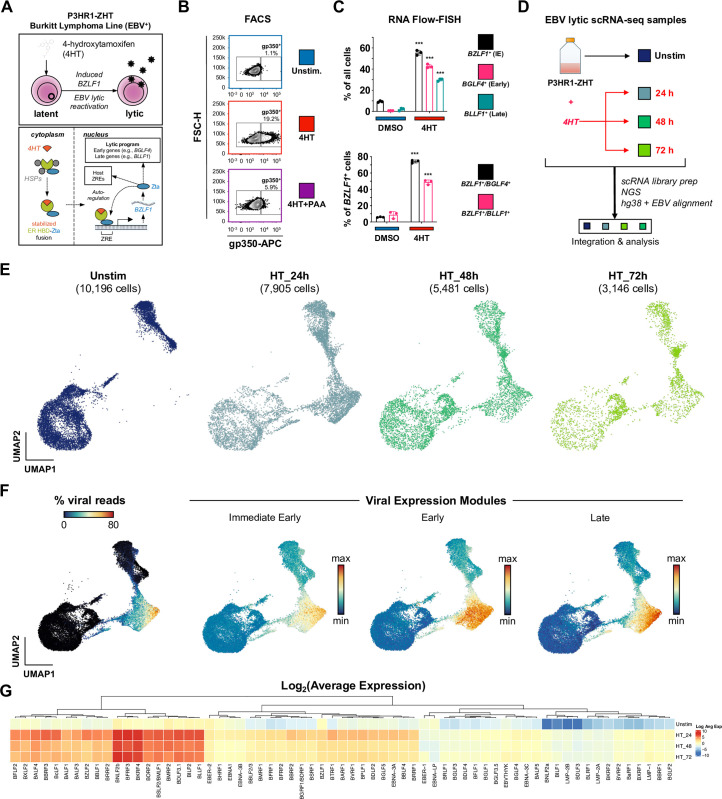
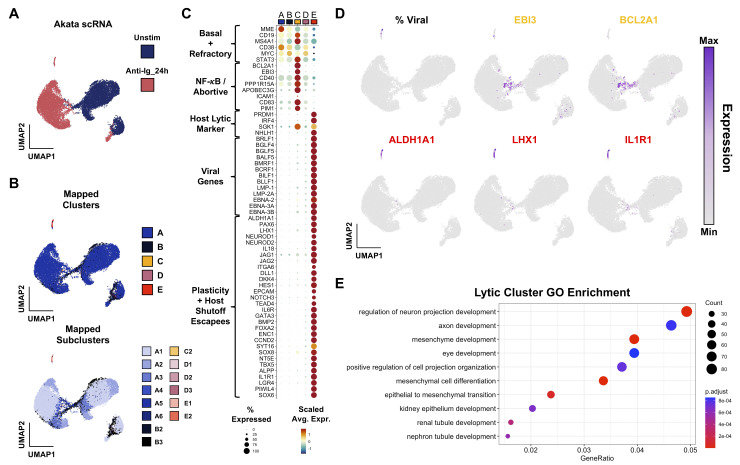
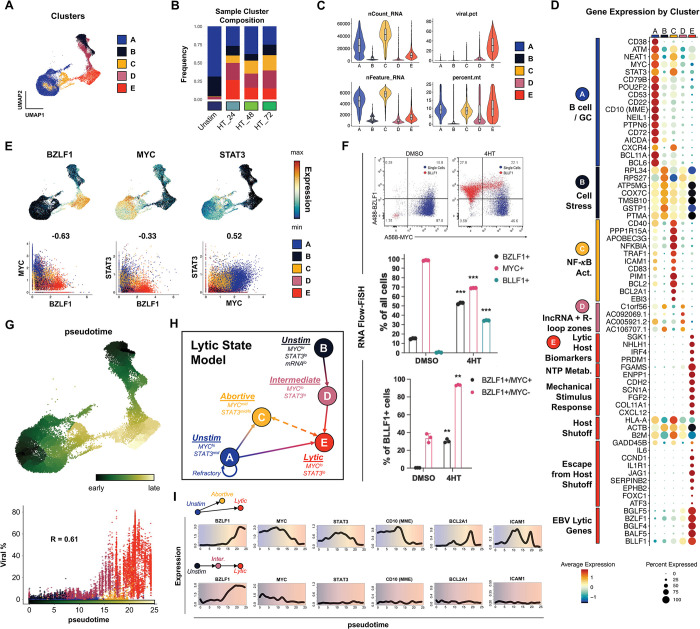
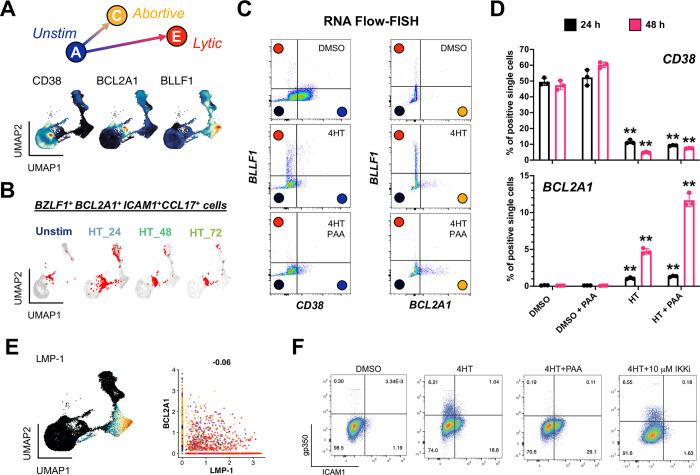
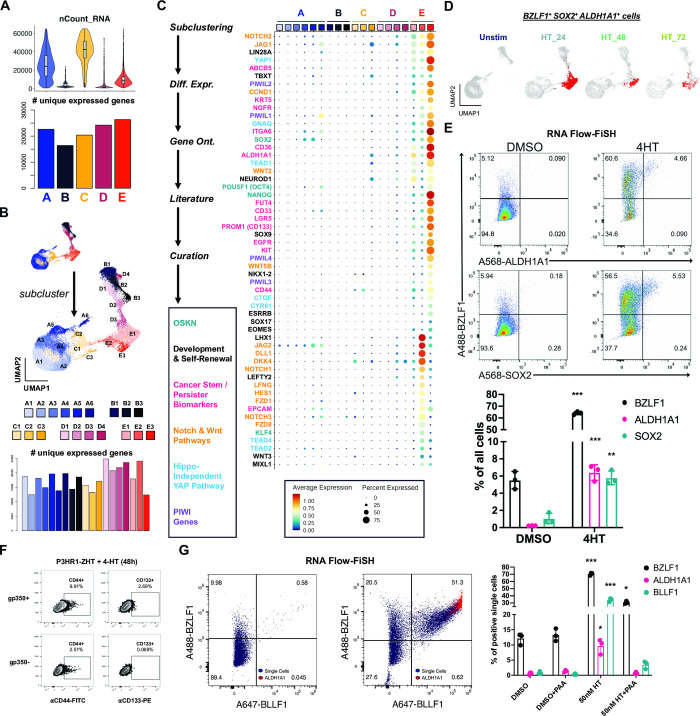
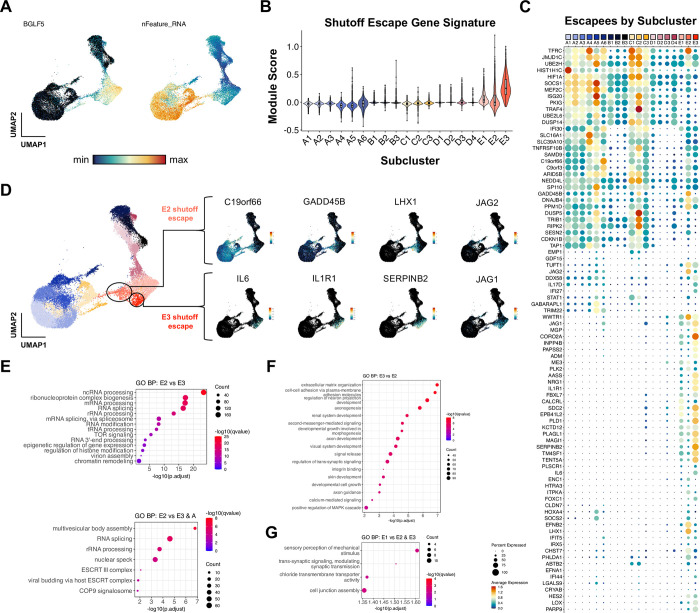
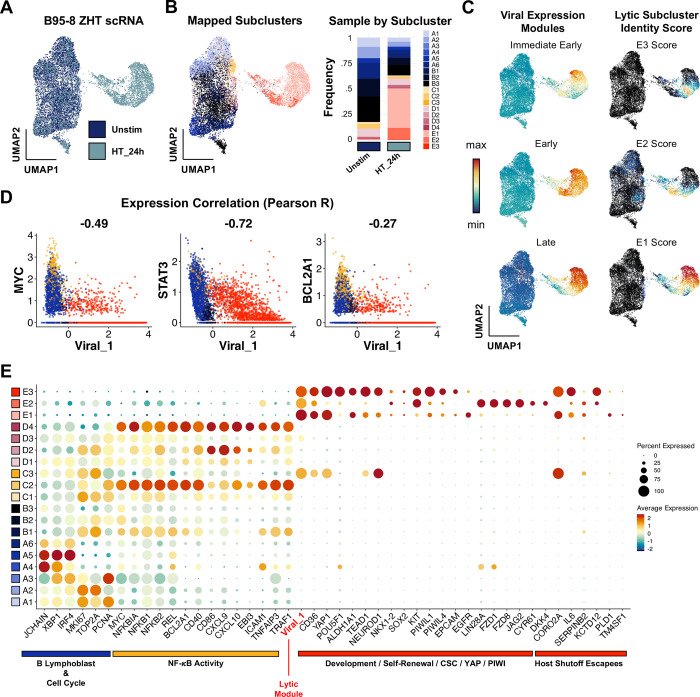
Viral infection leads to heterogeneous cellular outcomes ranging from refractory to abortive and fully productive states. Single cell transcriptomics enables a high resolution view of these distinct post-infection states. Here, we have interrogated the host-pathogen dynamics following reactivation of Epstein-Barr virus (EBV). While benign in most people, EBV is responsible for infectious mononucleosis, up to 2% of human cancers, and is a trigger for the development of multiple sclerosis. Following latency establishment in B cells, EBV reactivates and is shed in saliva to enable infection of new hosts. Beyond its importance for transmission, the lytic cycle is also implicated in EBV-associated oncogenesis. Conversely, induction of lytic reactivation in latent EBV-positive tumors presents a novel therapeutic opportunity. Therefore, defining the dynamics and heterogeneity of EBV lytic reactivation is a high priority to better understand pathogenesis and therapeutic potential. In this study, we applied single-cell techniques to analyze diverse fate trajectories during lytic reactivation in three B cell models. Consistent with prior work, we find that cell cycle and MYC expression correlate with cells refractory to lytic reactivation. We further found that lytic induction yields a continuum from abortive to complete reactivation. Abortive lytic cells upregulate NFκB and IRF3 pathway target genes, while cells that proceed through the full lytic cycle exhibit unexpected expression of genes associated with cellular reprogramming. Distinct subpopulations of lytic cells further displayed variable profiles for transcripts known to escape virus-mediated host shutoff. These data reveal previously unknown and promiscuous outcomes of lytic reactivation with broad implications for viral replication and EBV-associated oncogenesis.
病毒感染导致细胞状态呈现出多样化,从难治性、流产性到完全生产性状态。单细胞转录组学能够高分辨率地观察这些不同的感染后状态。在这里,我们研究了 EBV 再激活后宿主-病原体的动态变化。虽然 EBV 在大多数人中是良性的,但它是传染性单核细胞增多症的罪魁祸首,导致 2%的人类癌症,并引发多发性硬化症的发展。在 B 细胞中建立潜伏后,EBV 重新激活并在唾液中释放,以感染新的宿主。除了其在传播中的重要性外,裂解周期也与 EBV 相关的致癌作用有关。相反,诱导潜伏 EBV 阳性肿瘤中的裂解再激活为新的治疗机会提供了可能。因此,定义 EBV 裂解再激活的动力学和异质性是更好地了解发病机制和治疗潜力的当务之急。在这项研究中,我们应用单细胞技术分析了三种 B 细胞模型中裂解再激活过程中的不同命运轨迹。与先前的工作一致,我们发现细胞周期和 MYC 表达与对裂解再激活有抗性的细胞相关。我们进一步发现,裂解诱导产生了从流产性到完全再激活的连续谱。流产性裂解细胞上调 NFκB 和 IRF3 通路靶基因,而通过完整裂解周期的细胞则表现出与细胞重编程相关的意外基因表达。裂解细胞的不同亚群进一步显示了与病毒介导的宿主关闭逃逸相关的已知转录本的可变特征。这些数据揭示了以前未知的和混杂的裂解再激活结果,对病毒复制和 EBV 相关致癌作用具有广泛的意义。