Chen Yu-Jie, Lu Zhong-Hua, Liang Shi-Jia, Zhang Jie
School of Public Health, Xiamen University, Xiamen 361102, China.
Se Pu. 2024 Nov;42(11):1024-1031. doi: 10.3724/SP.J.1123.2023.12012.
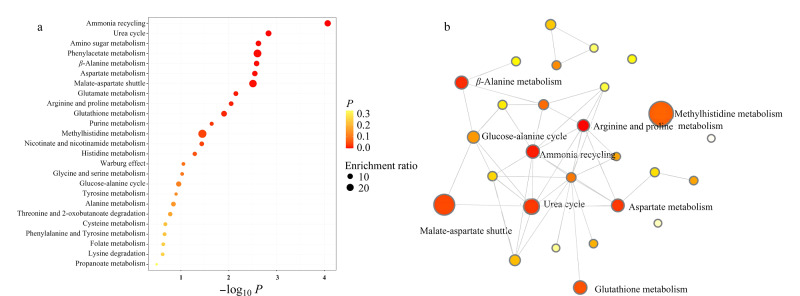
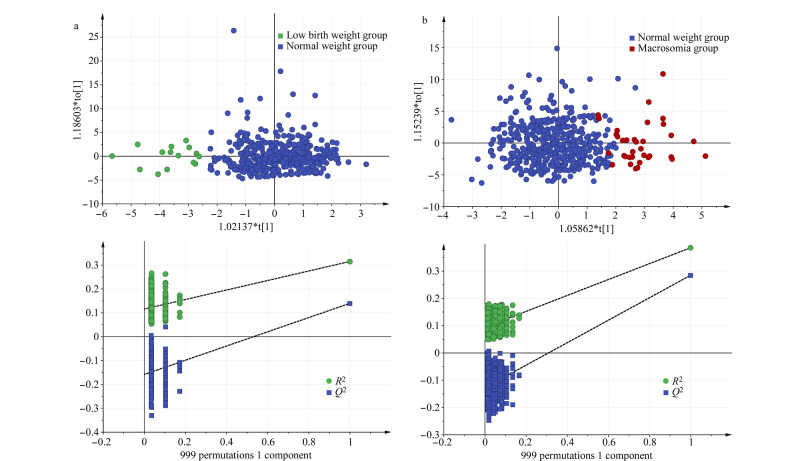
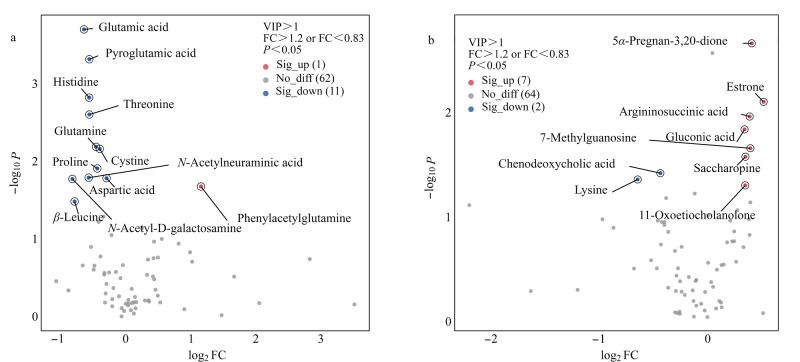
Neonatal birth weight is a crucial indicator of intrauterine growth and development with important implications for child development and adult health. The birth weight of a newborn is closely linked to the nutrition and health of the mother during pregnancy as well as genetic factors. Therefore, assessing the metabolic status of the fetus in utero is greatly significant for understanding the mechanisms responsible for abnormal birth weight. While previous studies often analyzed the impact of maternal metabolism on fetal development using umbilical cord blood from pregnant women, such blood may not accurately reflect the actual intrauterine environment owing to the barrier function of the placenta; moreover, obtaining biological samples during the fetal period is challenging. Meconium, the first feces excreted by a newborn, provides ideal biological material for studying maternal and infant health. Metabolomics can reveal metabolic changes in living organisms by analyzing small molecules in biological samples; hence studying meconium samples using metabolomics technology is expected to reveal fetal metabolic changes during pregnancy, thereby providing new insights into fetal nutritional intake, growth, and development, as well as metabolic pathways related to birth weight. To gain a deeper understanding of the metabolic changes associated with birth weight, this study collected metabolomic data from the meconium of 484 newborns in the established Xiaogan birth cohort using an untargeted metabolomics technique based on liquid chromatography-high resolution mass spectrometry (LC-HRMS) and analyzed the association between meconium metabolites and birth weight. This cohort exhibited incidence rates of low birth weight (<2500 g) and macrosomia (>4000 g) of 3.3% and 7.2%, respectively, which were roughly equivalent to the national average. Orthogonal partial least squares discriminant analysis revealed significant differences between the meconium metabolomes of the low birth weight and macrosomic groups when compared to the normal weight group. We discovered significant distinctions between the differential metabolites of newborns of low birth weight and those of normal weight, as well as between macrosomic and normal weight newborns that point to disparate biological pathways. Newborns with low birth weight exhibited significantly lower levels of critical amino acids, such as glutamate and proline, compared to the normal weight group, which may be associated with placental dysfunction and maternal nutritional deficiencies. Conversely, the meconium of macrosomic newborns contained significantly elevated levels of hormone metabolites such as estrone that reflected the pathophysiological state associated with maternal metabolic diseases or excessive placental hormone levels. Our study suggests that the metabolomic profile of the meconium reflects the metabolic pathways and regulatory mechanisms at play during fetal growth and development, and offers potential metabolic biomarkers and directions for future in-depth research into diseases related to fetal development. However, this study was based solely on the Xiaogan birth cohort, which was limited to specific regions and populations. A multicenter, multiethnic, and multiregional study is expected to help validate the universality of our research findings.
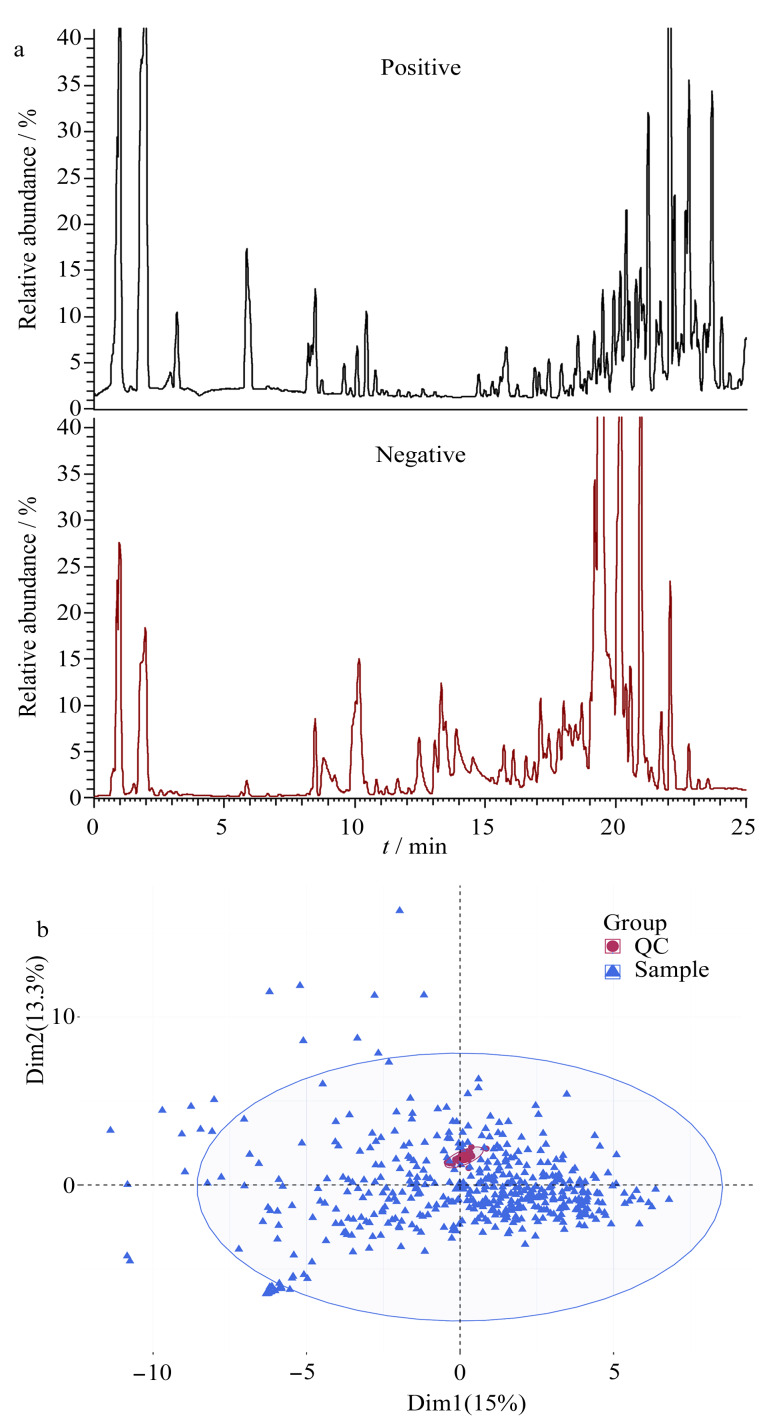
新生儿出生体重是宫内生长发育的关键指标,对儿童发育和成人健康具有重要意义。新生儿的出生体重与母亲孕期的营养和健康以及遗传因素密切相关。因此,评估子宫内胎儿的代谢状况对于理解出生体重异常的机制具有重要意义。以往的研究常常使用孕妇的脐带血来分析母体代谢对胎儿发育的影响,但由于胎盘的屏障功能,这种血液可能无法准确反映实际的宫内环境;此外,在胎儿期获取生物样本具有挑战性。胎粪是新生儿排出的首次粪便,为研究母婴健康提供了理想的生物材料。代谢组学可以通过分析生物样本中的小分子来揭示生物体的代谢变化;因此,使用代谢组学技术研究胎粪样本有望揭示孕期胎儿的代谢变化,从而为胎儿的营养摄入、生长发育以及与出生体重相关的代谢途径提供新的见解。为了更深入地了解与出生体重相关的代谢变化,本研究采用基于液相色谱 - 高分辨率质谱(LC - HRMS)的非靶向代谢组学技术,收集了已建立的孝感出生队列中484名新生儿胎粪的代谢组学数据,并分析了胎粪代谢物与出生体重之间的关联。该队列中低出生体重(<2500 g)和巨大儿(>4000 g)的发生率分别为3.3%和7.2%,大致与全国平均水平相当。正交偏最小二乘法判别分析显示,与正常体重组相比,低出生体重组和巨大儿组的胎粪代谢组存在显著差异。我们发现低出生体重新生儿与正常体重新生儿的差异代谢物之间,以及巨大儿与正常体重新生儿的差异代谢物之间存在显著区别,这指向不同的生物学途径。与正常体重组相比,低出生体重新生儿体内关键氨基酸如谷氨酸和脯氨酸的水平显著较低,这可能与胎盘功能障碍和母体营养缺乏有关。相反,巨大儿新生儿的胎粪中激素代谢物如雌酮的水平显著升高,这反映了与母体代谢疾病或胎盘激素水平过高相关的病理生理状态。我们的研究表明,胎粪的代谢组学特征反映了胎儿生长发育过程中所涉及的代谢途径和调节机制,并为与胎儿发育相关疾病的未来深入研究提供了潜在的代谢生物标志物和方向。然而,本研究仅基于孝感出生队列,局限于特定地区和人群。多中心、多民族和多地区的研究有望有助于验证我们研究结果的普遍性。