• 文献检索
  • 文档翻译
  • 深度研究
  • 学术资讯
  • Suppr Zotero 插件Zotero 插件
  • 邀请有礼
  • 套餐&价格
  • 历史记录
应用&插件
Suppr Zotero 插件Zotero 插件浏览器插件Mac 客户端Windows 客户端微信小程序
定价
高级版会员购买积分包购买API积分包
服务
文献检索文档翻译深度研究API 文档MCP 服务
关于我们
关于 Suppr公司介绍联系我们用户协议隐私条款
关注我们

Suppr 超能文献

核心技术专利:CN118964589B侵权必究
粤ICP备2023148730 号-1Suppr @ 2026

文献检索

告别复杂PubMed语法,用中文像聊天一样搜索,搜遍4000万医学文献。AI智能推荐,让科研检索更轻松。

立即免费搜索

文件翻译

保留排版,准确专业,支持PDF/Word/PPT等文件格式,支持 12+语言互译。

免费翻译文档

深度研究

AI帮你快速写综述,25分钟生成高质量综述,智能提取关键信息,辅助科研写作。

立即免费体验

自膨式金属支架的制造、加工与表征:综述

Manufacturing, Processing, and Characterization of Self-Expanding Metallic Stents: A Comprehensive Review.

作者信息

Vanaei Saeedeh, Hashemi Mahdi, Solouk Atefeh, Asghari Ilani Mohsen, Amili Omid, Hefzy Mohamed Samir, Tang Yuan, Elahinia Mohammad

机构信息

Mechanical Industrial and Manufacturing Engineering Department, University of Toledo, Toledo, OH 43606, USA.

Department of Materials and Metallurgical Engineering, Amirkabir University of Technology, Tehran 1591634311, Iran.

出版信息

Bioengineering (Basel). 2024 Sep 29;11(10):983. doi: 10.3390/bioengineering11100983.

DOI:10.3390/bioengineering11100983
PMID:39451359
原文链接:https://pmc.ncbi.nlm.nih.gov/articles/PMC11505524/
Abstract

This paper aims to review the State of the Art in metal self-expanding stents made from nitinol (NiTi), showing shape memory and superelastic behaviors, to identify the challenges and the opportunities for improving patient outcomes. A significant contribution of this paper is its extensive coverage of multidisciplinary aspects, including design, simulation, materials development, manufacturing, bio/hemocompatibility, biomechanics, biomimicry, patency, and testing methodologies. Additionally, the paper offers in-depth insights into the latest practices and emerging trends, with a special emphasis on the transformative potential of additive manufacturing techniques in the development of metal stents. By consolidating existing knowledge and highlighting areas for future innovation, this review provides a valuable roadmap for advancing nitinol stents.

摘要

本文旨在综述由具有形状记忆和超弹性行为的镍钛诺(NiTi)制成的金属自膨胀支架的技术现状,以确定改善患者治疗效果所面临的挑战和机遇。本文的一个重要贡献在于其广泛涵盖了多学科方面,包括设计、模拟、材料开发、制造、生物/血液相容性、生物力学、仿生学、通畅性和测试方法。此外,本文还深入洞察了最新实践和新兴趋势,特别强调了增材制造技术在金属支架开发中的变革潜力。通过整合现有知识并突出未来创新领域,本综述为推进镍钛诺支架提供了有价值的路线图。
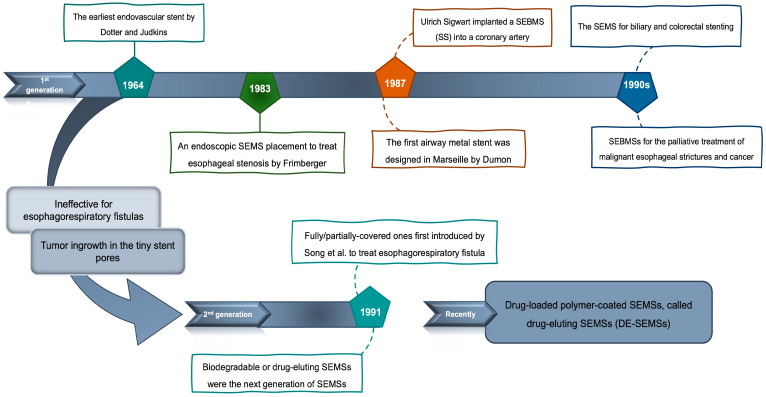
https://cdn.ncbi.nlm.nih.gov/pmc/blobs/7299/11505524/5e46265468fb/bioengineering-11-00983-g021.jpg
https://cdn.ncbi.nlm.nih.gov/pmc/blobs/7299/11505524/2d65a628c22d/bioengineering-11-00983-g001.jpg
https://cdn.ncbi.nlm.nih.gov/pmc/blobs/7299/11505524/5d17830497a4/bioengineering-11-00983-g002.jpg
https://cdn.ncbi.nlm.nih.gov/pmc/blobs/7299/11505524/3ca6f850130c/bioengineering-11-00983-g003.jpg
https://cdn.ncbi.nlm.nih.gov/pmc/blobs/7299/11505524/2c6c1908ec25/bioengineering-11-00983-g004.jpg
https://cdn.ncbi.nlm.nih.gov/pmc/blobs/7299/11505524/9d1b66536e51/bioengineering-11-00983-g005.jpg
https://cdn.ncbi.nlm.nih.gov/pmc/blobs/7299/11505524/15371a7a0c22/bioengineering-11-00983-g006.jpg
https://cdn.ncbi.nlm.nih.gov/pmc/blobs/7299/11505524/25cfb44d4633/bioengineering-11-00983-g007.jpg
https://cdn.ncbi.nlm.nih.gov/pmc/blobs/7299/11505524/9a60f86f1b50/bioengineering-11-00983-g008.jpg
https://cdn.ncbi.nlm.nih.gov/pmc/blobs/7299/11505524/470883efbee7/bioengineering-11-00983-g009.jpg
https://cdn.ncbi.nlm.nih.gov/pmc/blobs/7299/11505524/88ad3c91662f/bioengineering-11-00983-g010.jpg
https://cdn.ncbi.nlm.nih.gov/pmc/blobs/7299/11505524/5f297cf6a379/bioengineering-11-00983-g011.jpg
https://cdn.ncbi.nlm.nih.gov/pmc/blobs/7299/11505524/d97aca2db4d3/bioengineering-11-00983-g012.jpg
https://cdn.ncbi.nlm.nih.gov/pmc/blobs/7299/11505524/7e6152cedacc/bioengineering-11-00983-g013.jpg
https://cdn.ncbi.nlm.nih.gov/pmc/blobs/7299/11505524/aee27cfca86d/bioengineering-11-00983-g014.jpg
https://cdn.ncbi.nlm.nih.gov/pmc/blobs/7299/11505524/6923154af0ec/bioengineering-11-00983-g015.jpg
https://cdn.ncbi.nlm.nih.gov/pmc/blobs/7299/11505524/a102b098db77/bioengineering-11-00983-g016.jpg
https://cdn.ncbi.nlm.nih.gov/pmc/blobs/7299/11505524/7a68aa64ebf9/bioengineering-11-00983-g017a.jpg
https://cdn.ncbi.nlm.nih.gov/pmc/blobs/7299/11505524/b2026c69d3c7/bioengineering-11-00983-g018.jpg
https://cdn.ncbi.nlm.nih.gov/pmc/blobs/7299/11505524/26be4549438a/bioengineering-11-00983-g019.jpg
https://cdn.ncbi.nlm.nih.gov/pmc/blobs/7299/11505524/01e04b7ee4e9/bioengineering-11-00983-g020.jpg
https://cdn.ncbi.nlm.nih.gov/pmc/blobs/7299/11505524/5e46265468fb/bioengineering-11-00983-g021.jpg
https://cdn.ncbi.nlm.nih.gov/pmc/blobs/7299/11505524/2d65a628c22d/bioengineering-11-00983-g001.jpg
https://cdn.ncbi.nlm.nih.gov/pmc/blobs/7299/11505524/5d17830497a4/bioengineering-11-00983-g002.jpg
https://cdn.ncbi.nlm.nih.gov/pmc/blobs/7299/11505524/3ca6f850130c/bioengineering-11-00983-g003.jpg
https://cdn.ncbi.nlm.nih.gov/pmc/blobs/7299/11505524/2c6c1908ec25/bioengineering-11-00983-g004.jpg
https://cdn.ncbi.nlm.nih.gov/pmc/blobs/7299/11505524/9d1b66536e51/bioengineering-11-00983-g005.jpg
https://cdn.ncbi.nlm.nih.gov/pmc/blobs/7299/11505524/15371a7a0c22/bioengineering-11-00983-g006.jpg
https://cdn.ncbi.nlm.nih.gov/pmc/blobs/7299/11505524/25cfb44d4633/bioengineering-11-00983-g007.jpg
https://cdn.ncbi.nlm.nih.gov/pmc/blobs/7299/11505524/9a60f86f1b50/bioengineering-11-00983-g008.jpg
https://cdn.ncbi.nlm.nih.gov/pmc/blobs/7299/11505524/470883efbee7/bioengineering-11-00983-g009.jpg
https://cdn.ncbi.nlm.nih.gov/pmc/blobs/7299/11505524/88ad3c91662f/bioengineering-11-00983-g010.jpg
https://cdn.ncbi.nlm.nih.gov/pmc/blobs/7299/11505524/5f297cf6a379/bioengineering-11-00983-g011.jpg
https://cdn.ncbi.nlm.nih.gov/pmc/blobs/7299/11505524/d97aca2db4d3/bioengineering-11-00983-g012.jpg
https://cdn.ncbi.nlm.nih.gov/pmc/blobs/7299/11505524/7e6152cedacc/bioengineering-11-00983-g013.jpg
https://cdn.ncbi.nlm.nih.gov/pmc/blobs/7299/11505524/aee27cfca86d/bioengineering-11-00983-g014.jpg
https://cdn.ncbi.nlm.nih.gov/pmc/blobs/7299/11505524/6923154af0ec/bioengineering-11-00983-g015.jpg
https://cdn.ncbi.nlm.nih.gov/pmc/blobs/7299/11505524/a102b098db77/bioengineering-11-00983-g016.jpg
https://cdn.ncbi.nlm.nih.gov/pmc/blobs/7299/11505524/7a68aa64ebf9/bioengineering-11-00983-g017a.jpg
https://cdn.ncbi.nlm.nih.gov/pmc/blobs/7299/11505524/b2026c69d3c7/bioengineering-11-00983-g018.jpg
https://cdn.ncbi.nlm.nih.gov/pmc/blobs/7299/11505524/26be4549438a/bioengineering-11-00983-g019.jpg
https://cdn.ncbi.nlm.nih.gov/pmc/blobs/7299/11505524/01e04b7ee4e9/bioengineering-11-00983-g020.jpg
https://cdn.ncbi.nlm.nih.gov/pmc/blobs/7299/11505524/5e46265468fb/bioengineering-11-00983-g021.jpg

相似文献

1
Manufacturing, Processing, and Characterization of Self-Expanding Metallic Stents: A Comprehensive Review.自膨式金属支架的制造、加工与表征:综述
Bioengineering (Basel). 2024 Sep 29;11(10):983. doi: 10.3390/bioengineering11100983.
2
Designing the mechanical behavior of NiTi self-expandable vascular stents by tuning the heat treatment parameters.通过调整热处理参数来设计 NiTi 自膨式血管支架的机械性能。
J Mech Behav Biomed Mater. 2024 Oct;158:106653. doi: 10.1016/j.jmbbm.2024.106653. Epub 2024 Jul 6.
3
A Review on Additive Manufacturing Methods for NiTi Shape Memory Alloy Production.用于镍钛形状记忆合金生产的增材制造方法综述
Materials (Basel). 2024 Mar 8;17(6):1248. doi: 10.3390/ma17061248.
4
Optimization of Electropolishing on NiTi Alloy Stents and Its Influence on Corrosion Behavior.镍钛合金支架的电解抛光优化及其对腐蚀行为的影响
J Nanosci Nanotechnol. 2017 Apr;17(4):2333-339. doi: 10.1166/jnn.2017.13324.
5
Crystallographic texture for tube and plate of the superelastic/shape-memory alloy Nitinol used for endovascular stents.用于血管内支架的超弹性/形状记忆合金镍钛诺管材和板材的晶体织构
J Biomed Mater Res A. 2005 Feb 1;72(2):190-9. doi: 10.1002/jbm.a.30214.
6
Multi-material additive manufacturing technologies for Ti-, Mg-, and Fe-based biomaterials for bone substitution.用于骨替代的 Ti、Mg 和 Fe 基生物材料的多材料增材制造技术。
Acta Biomater. 2020 Jun;109:1-20. doi: 10.1016/j.actbio.2020.03.037. Epub 2020 Apr 6.
7
Nitinol: From historical milestones to functional properties and biomedical applications.镍钛诺:从历史里程碑到功能特性和生物医学应用。
Proc Inst Mech Eng H. 2022 Nov;236(11):1595-1612. doi: 10.1177/09544119221123176. Epub 2022 Sep 18.
8
Current Trends in Metallic Orthopedic Biomaterials: From Additive Manufacturing to Bio-Functionalization, Infection Prevention, and Beyond.当前金属骨科生物材料的发展趋势:从增材制造到生物功能化、感染预防等。
Int J Mol Sci. 2018 Sep 10;19(9):2684. doi: 10.3390/ijms19092684.
9
Finite element analysis of the mechanical performance of self-expanding endovascular stents made with new nickel-free superelastic β-titanium alloys.新型无镍超弹性β钛合金自膨式血管内支架的力学性能有限元分析。
J Mech Behav Biomed Mater. 2024 Mar;151:106345. doi: 10.1016/j.jmbbm.2023.106345. Epub 2023 Dec 29.
10
Five-year outcomes of self-expanding nitinol stent implantation for chronic total occlusion of the superficial femoral and proximal popliteal artery.经皮腔内血管成形术联合自膨式镍钛合金支架置入治疗股浅动脉及腘动脉近段慢性完全闭塞的 5 年随访结果
Catheter Cardiovasc Interv. 2013 Sep 1;82(3):E251-6. doi: 10.1002/ccd.24935. Epub 2013 Apr 25.

引用本文的文献

1
From Bench Testing to Virtual Implantation: A Comparative Study Between Poly-l-Lactic Acid and Nickel-Titanium Braided Stents.从台架测试到虚拟植入:聚左旋乳酸与镍钛编织支架的对比研究
Int J Numer Method Biomed Eng. 2025 Aug;41(8):e70078. doi: 10.1002/cnm.70078.

本文引用的文献

1
In vivo evaluation of safety and performance of a tapered nitinol venous stent with inclined proximal end in an ovine iliac venous model.在绵羊髂静脉模型中评估近端倾斜锥形镍钛诺静脉支架的安全性和性能。
Sci Rep. 2024 Apr 1;14(1):7669. doi: 10.1038/s41598-024-58237-x.
2
A macrofluidic model to investigate the intrinsic thrombogenicity of clinically used stents and develop less thrombogenic stents.一种用于研究临床使用支架的内在血栓形成性并开发血栓形成性较低支架的宏观流体模型。
Heliyon. 2024 Feb 22;10(5):e26550. doi: 10.1016/j.heliyon.2024.e26550. eCollection 2024 Mar 15.
3
Endothelialization of PTFE-covered stents for aneurysms and arteriovenous fistulas created in canine carotid arteries.
覆膜聚四氟乙烯支架在犬颈动脉动脉瘤和动静脉瘘中的内皮化。
Sci Rep. 2024 Feb 27;14(1):4803. doi: 10.1038/s41598-024-55532-5.
4
Characteristics of four commonly used self-expanding biliary stents: an in vitro study.四种常用自膨式胆道支架的特性:一项体外研究。
Eur Radiol Exp. 2024 Feb 19;8(1):24. doi: 10.1186/s41747-024-00425-5.
5
Preliminary Investigation on Efficacy and Safety of Substance P-Coated Stent for Promoting Re-Endothelialization: A Porcine Coronary Artery Restenosis Model.促再内皮化的物质 P 涂层支架的疗效和安全性初步研究:一种猪冠状动脉再狭窄模型。
Tissue Eng Regen Med. 2024 Jan;21(1):53-64. doi: 10.1007/s13770-023-00608-y. Epub 2023 Nov 16.
6
Engineering Immunomodulatory Stents Using Zinc Ion-Lysozyme Nanoparticle Platform for Vascular Remodeling.利用锌离子-溶菌酶纳米颗粒平台构建用于血管重塑的免疫调节支架
ACS Nano. 2023 Dec 12;17(23):23498-23511. doi: 10.1021/acsnano.3c06103. Epub 2023 Nov 16.
7
Surface Engineering of Bioactive Coatings for Improved Stent Hemocompatibility: A Comprehensive Review.用于改善支架血液相容性的生物活性涂层的表面工程:综述
Materials (Basel). 2023 Oct 29;16(21):6940. doi: 10.3390/ma16216940.
8
Enhanced in vitro immersion behavior and antibacterial activity of NiTi orthopedic biomaterial by HAp-NbO composite deposits.通过 HAp-NbO 复合材料沉积增强 NiTi 骨科生物材料的体外浸泡行为和抗菌活性。
Sci Rep. 2023 Sep 25;13(1):16045. doi: 10.1038/s41598-023-43393-3.
9
In vitro biological responses of plasma nanocoatings for coronary stent applications.用于冠状动脉支架的等离子体纳米涂层的体外生物反应。
J Biomed Mater Res A. 2023 Nov;111(11):1768-1780. doi: 10.1002/jbm.a.37587. Epub 2023 Jul 19.
10
In-vivo assessment of vascular injury for the prediction of in-stent restenosis.体内评估血管损伤预测支架内再狭窄。
Int J Cardiol. 2023 Oct 1;388:131151. doi: 10.1016/j.ijcard.2023.131151. Epub 2023 Jul 7.