Department of Drug Science and Technology, University of Turin, Via P. Giuria 9, 10235 Turin, Italy.
Laboratory for Cell Cultures, Applications and Biotransformations, Department of Biochemical Engineering, Faculty of Food Technology and Biotechnology, University of Zagreb, Pierottojeva Ulica 6, 10000 Zagreb, Croatia.
Int J Mol Sci. 2024 Oct 14;25(20):11032. doi: 10.3390/ijms252011032.
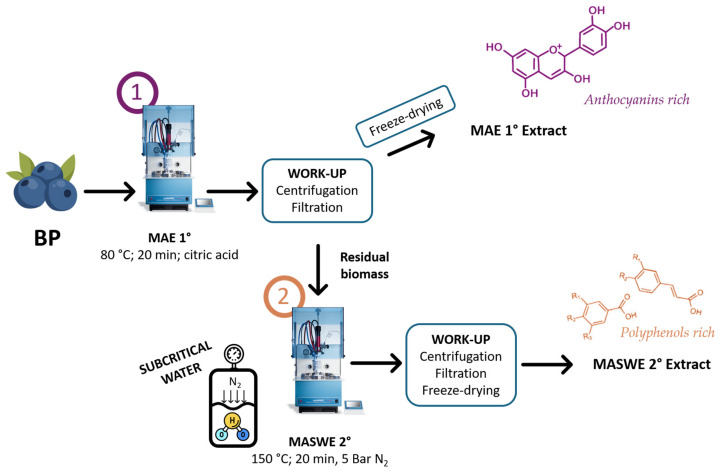
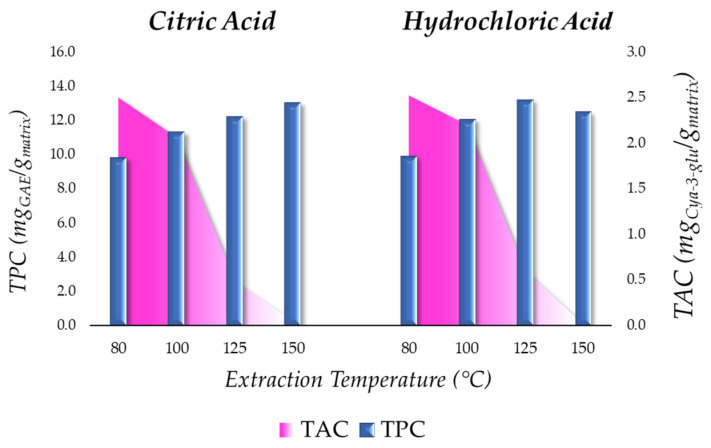
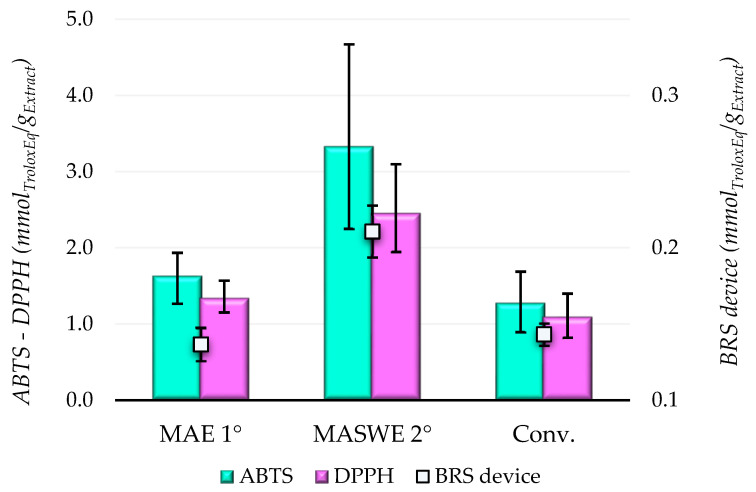
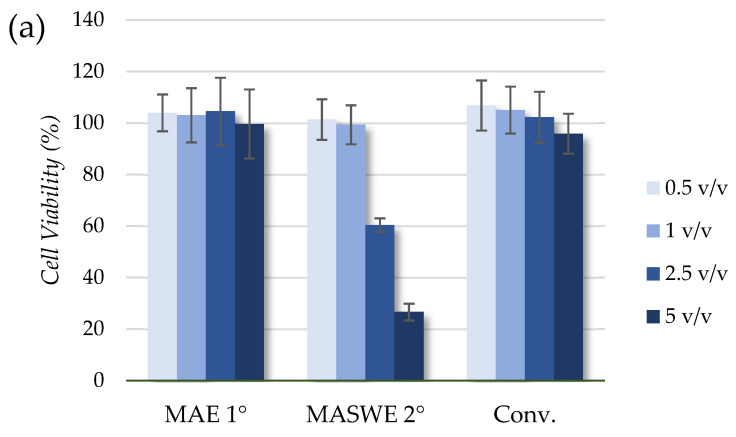
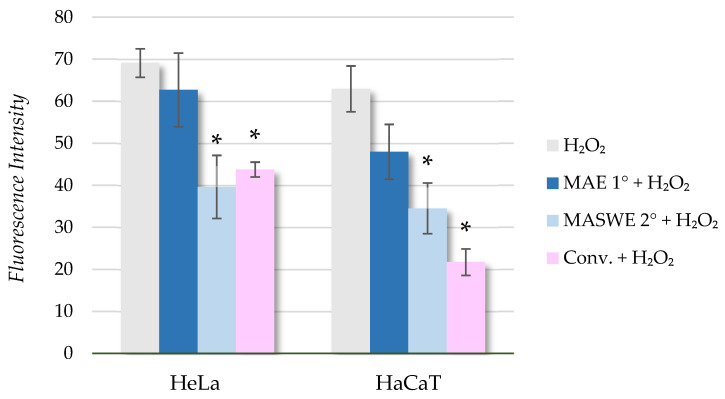
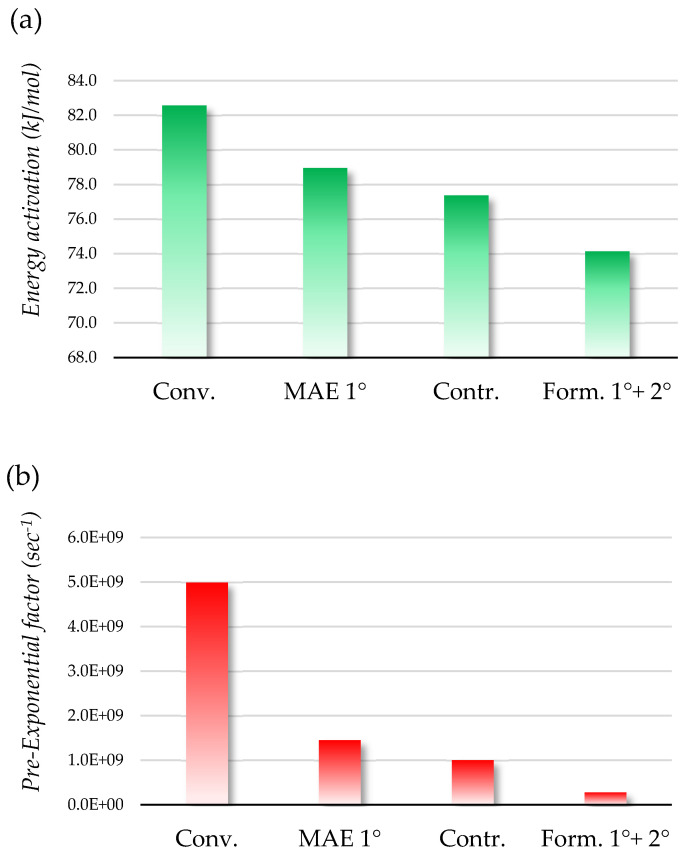
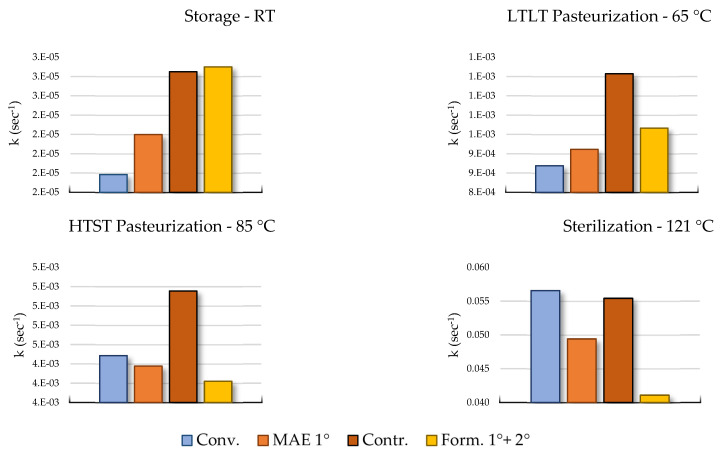
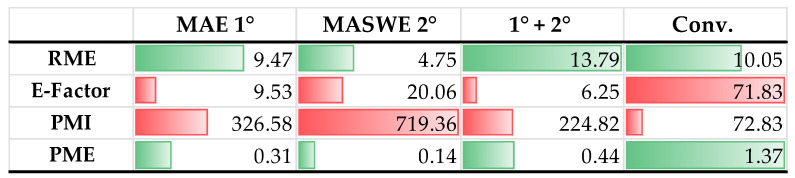
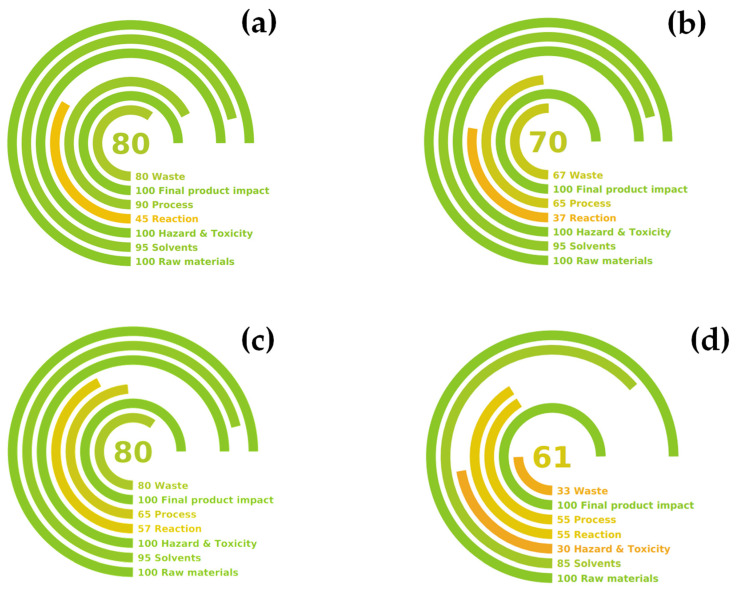
In the context of a circular economy, this study explores the valorization of blueberry pomace (BP) as a source of bioactive compounds using sustainable extraction methods. Microwave-assisted extraction (MAE) and microwave-assisted subcritical water extraction (MASWE) were employed to obtain two distinct fractions: MAE 1° and MASWE 2°. The first extract, MAE 1°, obtained at 80 °C, had a high total anthocyanin content (21.96 mg/g), making it suitable as a natural pigment. Additionally, MAE 1° exhibited significant enzyme inhibition, particularly against α-amylase and β-glucosidase, suggesting potential anti-diabetic and anti-viral applications. The second extract, MASWE 2°, obtained at 150 °C, contained a higher total phenolic content (211.73 mg/g) and demonstrated stronger antioxidant activity. MASWE 2° showed greater inhibition of acetylcholinesterase and tyrosinase, indicating its potential for use in Alzheimer's treatment, skincare, or as a food preservative. MASWE 2° exhibited cytotoxicity against HeLa cells and effectively mitigated HO-induced oxidative stress in HaCat cells, with MAE 1° showing similar but less pronounced effects. A tested formulation combining MAE 1° and MASWE 2° extracts in a 3:2 ratio effectively enhanced anthocyanin stability, demonstrating its potential as a heat-stable pigment. The extract characteristics were compared with a conventional method (MeOH-HCl in reflux condition), and the protocol's sustainability was assessed using several green metric tools, which provided insights into its environmental impact and efficiency.
在循环经济背景下,本研究探讨了利用可持续的提取方法从蓝莓渣中提取生物活性化合物的增值方法。采用微波辅助提取(MAE)和微波辅助亚临界水提取(MASWE)获得了两种不同的提取物:MAE 1°和 MASWE 2°。在 80°C 下获得的第一个提取物 MAE 1°具有高总花青素含量(21.96mg/g),适合用作天然色素。此外,MAE 1°对α-淀粉酶和β-葡萄糖苷酶表现出显著的抑制作用,表明其具有潜在的抗糖尿病和抗病毒应用。第二个提取物 MASWE 2°在 150°C 下获得,总酚含量较高(211.73mg/g),抗氧化活性较强。MASWE 2°对乙酰胆碱酯酶和酪氨酸酶的抑制作用更强,表明其在治疗阿尔茨海默病、护肤或作为食品防腐剂方面有潜在用途。MASWE 2°对 HeLa 细胞表现出细胞毒性,并有效减轻了 HO 诱导的 HaCat 细胞氧化应激,MAE 1°表现出类似但不太明显的作用。一种测试配方将 MAE 1°和 MASWE 2°提取物以 3:2 的比例结合,有效增强了花青素的稳定性,表明其作为耐热色素的潜力。将提取物的特性与传统方法(回流条件下的 MeOH-HCl)进行了比较,并使用几种绿色指标工具评估了该方案的可持续性,从而深入了解其环境影响和效率。