Giri Bhupendra Raj, Jakka Deeksha, Sandoval Michael A, Kulkarni Vineet R, Bao Quanying
Division of Molecular Pharmaceutics and Drug Delivery, College of Pharmacy, The University of Texas at Austin, Austin, TX 78712, USA.
School of Pharmacy, The University of Mississippi, University, MS 38677, USA.
Pharmaceutics. 2024 Oct 12;16(10):1325. doi: 10.3390/pharmaceutics16101325.
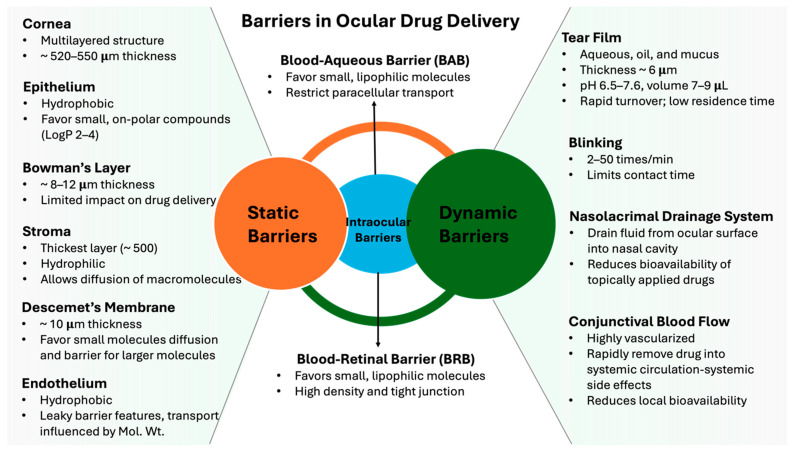
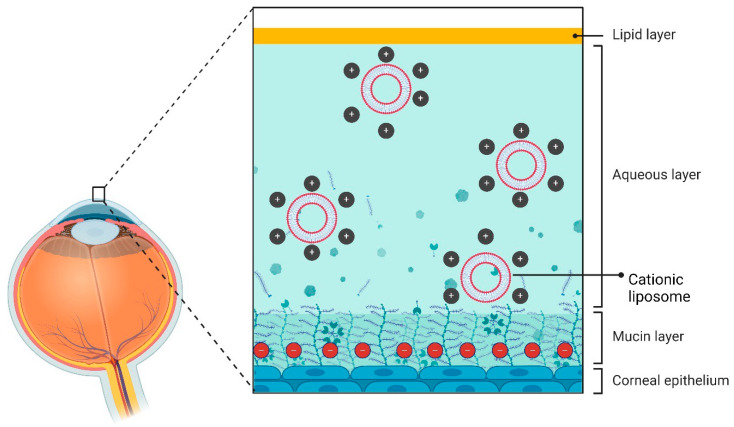
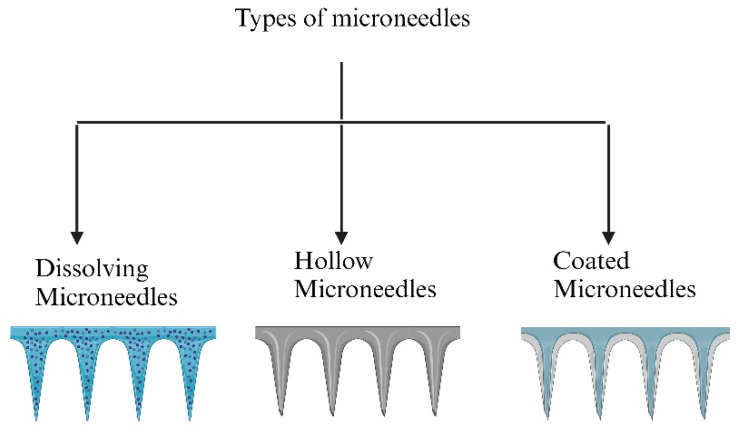
Eye disorders affect a substantial portion of the global population, yet the availability of efficacious ophthalmic drug products remains limited. This can be partly ascribed to a number of factors: (1) inadequate understanding of physiological barriers, treatment strategies, drug and polymer properties, and delivery systems; (2) challenges in effectively delivering drugs to the anterior and posterior segments of the eye due to anatomical and physiological constraints; and (3) manufacturing and regulatory hurdles in ocular drug product development. The present review discusses innovative ocular delivery and treatments, encompassing implants, liposomes, nanoparticles, nanomicelles, microparticles, iontophoresis, in situ gels, contact lenses, microneedles, hydrogels, bispecific antibodies, and gene delivery strategies. Furthermore, this review also introduces advanced manufacturing technologies such as 3D printing and hot-melt extrusion (HME), aimed at improving bioavailability, reducing therapeutic dosages and side effects, facilitating the design of personalized ophthalmic dosage forms, as well as enhancing patient compliance. This comprehensive review lastly offers insights into digital healthcare, market trends, and industry and regulatory perspectives pertaining to ocular product development.
眼部疾病影响着全球相当大一部分人口,但有效的眼科药品供应仍然有限。这在一定程度上可归因于多种因素:(1)对生理屏障、治疗策略、药物和聚合物特性以及给药系统的理解不足;(2)由于解剖学和生理学限制,将药物有效递送至眼的前段和后段存在挑战;以及(3)眼部药品开发中的制造和监管障碍。本综述讨论了创新的眼部给药和治疗方法,包括植入物、脂质体、纳米颗粒、纳米胶束、微粒、离子电渗疗法、原位凝胶、隐形眼镜、微针、水凝胶、双特异性抗体和基因传递策略。此外,本综述还介绍了先进的制造技术,如3D打印和热熔挤出(HME),旨在提高生物利用度、降低治疗剂量和副作用、促进个性化眼科剂型的设计以及提高患者依从性。这篇全面的综述最后提供了有关数字医疗、市场趋势以及眼部产品开发的行业和监管观点的见解。