Ramos Letícia Francine Silva, de Sousa Ananda Gomes, de Siqueira Amorim Rebeca, de Araújo Roque Alan, Carvalho Israel Luís Diniz, de Carvalho Ana Laura Vilela, Santos Milena Evangelista Dos, Marques Maiara Bernardes, de Lima Luiza Rayanna Amorim, Costa Moan Jéfter Fernandes, Sette-de-Souza Pedro Henrique
Programa de Pós-Graduação em Saúde e Desenvolvimento Socioambiental, Universidade de Pernambuco, Campus Garanhuns, Garanhuns 55294-902, Pernambuco, Brazil.
Faculdade de Odontologia, Universidade de Pernambuco, Campus Arcoverde, Arcoverde 56503-146, Pernambuco, Brazil.
Life (Basel). 2024 Sep 24;14(10):1215. doi: 10.3390/life14101215.
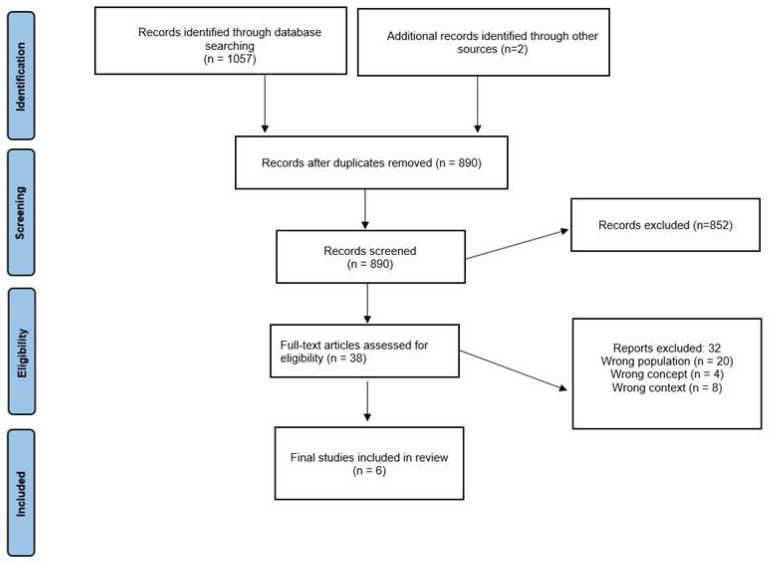
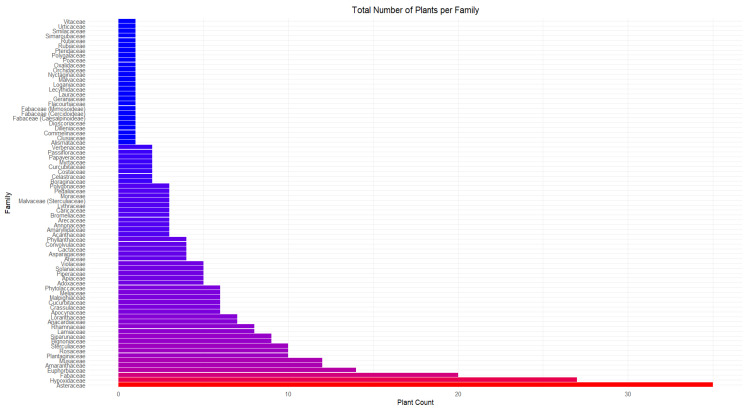
Quilombola communities play a crucial role in maintaining biodiversity through traditional management models. The use of medicinal plants within these communities reflects a deep reservoir of knowledge, passed down through generations. The objective of this study was to conduct a scoping review to systematically analyze and synthesize the existing literature on the medicinal plants used by Quilombola communities in Brazil, with a focus on their therapeutic applications and cultural significance. The Population, Concept, and Context (PCC) strategy was utilized, where the population refers to the Quilombolas, the concept pertains to medicinal plants, and the context involves illness. A total of 888 studies were initially identified, but only 10 met the inclusion criteria, covering 297 plant species from 80 different families. These plants are employed in a wide range of therapeutic applications, with decoction, alcohol maceration, and infusion being the most common methods of preparation. The study highlights the rich ethnopharmacological knowledge held by Quilombola communities and underscores the need for greater recognition and integration of this traditional knowledge into public health practices. The conclusion emphasizes the importance of preserving and validating the use of medicinal plants by these communities, which could serve as a foundation for future pharmacological discoveries and the development of culturally appropriate health interventions.
基隆波拉社区通过传统管理模式在维护生物多样性方面发挥着关键作用。这些社区内药用植物的使用反映了一代又一代传承下来的深厚知识宝库。本研究的目的是进行一项范围综述,以系统分析和综合巴西基隆波拉社区使用的药用植物的现有文献,重点关注其治疗应用和文化意义。采用了人群、概念和背景(PCC)策略,其中人群指基隆波拉人,概念涉及药用植物,背景涉及疾病。最初共识别出888项研究,但只有10项符合纳入标准,涵盖来自80个不同科的297种植物。这些植物被用于广泛的治疗应用,煎煮、酒精浸渍和浸泡是最常见的制备方法。该研究突出了基隆波拉社区丰富的民族药理学知识,并强调需要更多地认可这种传统知识并将其纳入公共卫生实践。结论强调了保护和验证这些社区使用药用植物的重要性,这可为未来的药理学发现和制定适合文化背景的健康干预措施奠定基础。