Chang Yi-Shin, Lee Jessica M, Huang Kai, Vagts Christen L, Ascoli Christian, Edafetanure-Ibeh Russell, Huang Yue, Cherian Ruth A, Sarup Nandini, Warpecha Samantha R, Hwang Sunghyun, Goel Rhea, Turturice Benjamin A, Schott Cody, Martinez Montserrat H, Finn Patricia W, Perkins David L
Department of Medicine, University of Illinois at Chicago, Chicago, IL 60612, USA.
Department of Bioengineering, University of Illinois at Chicago, Chicago, IL 60612, USA.
Vaccines (Basel). 2024 Oct 7;12(10):1146. doi: 10.3390/vaccines12101146.
End-stage renal disease (ESRD) results in immune dysfunction that is characterized by both systemic inflammation and immune incompetence, leading to impaired responses to vaccination.
To unravel the complex regulatory immune interplay in ESRD, we performed the network-based transcriptomic profiling of ESRD patients on maintenance hemodialysis (HD) and matched healthy controls (HCs) who received the two-dose regimen of the COVID-19 mRNA vaccine BNT162b2.
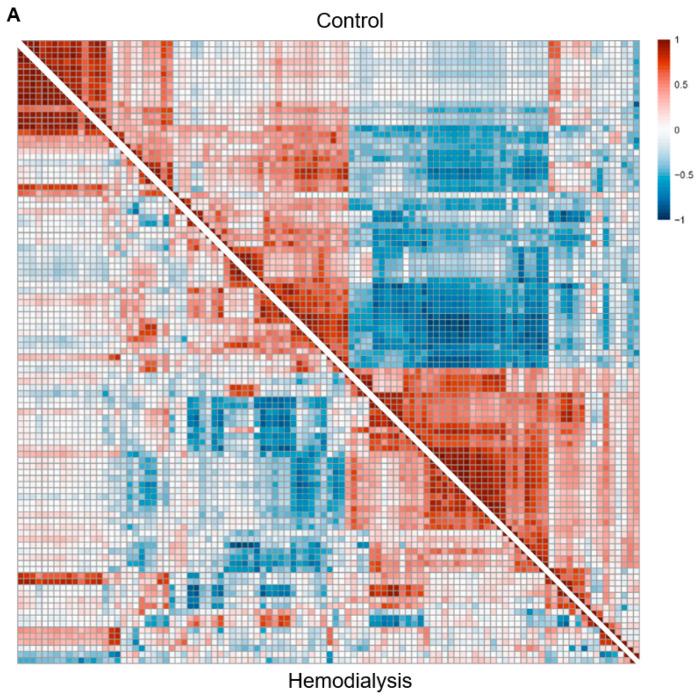
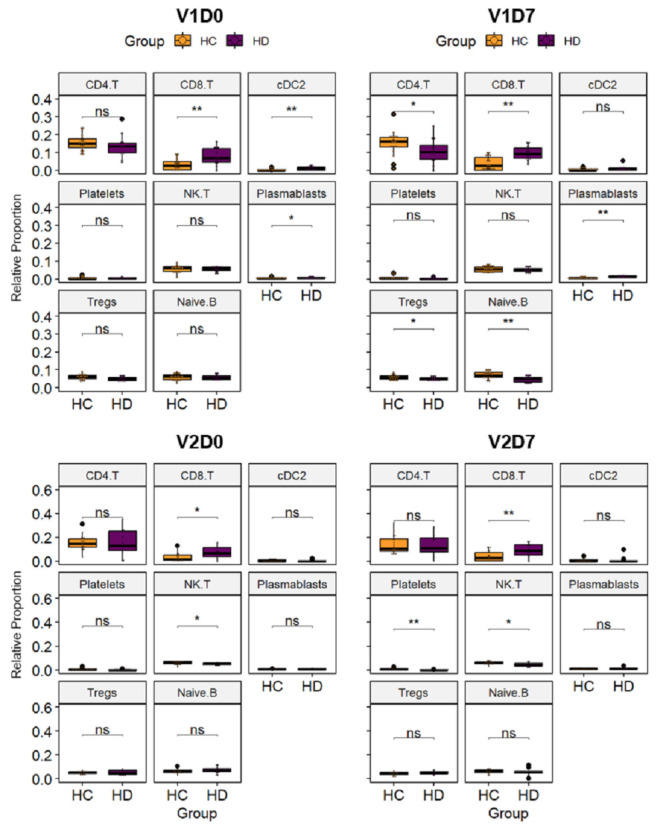
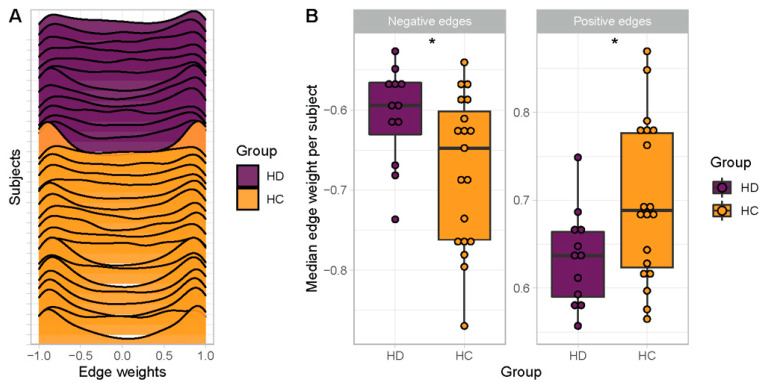
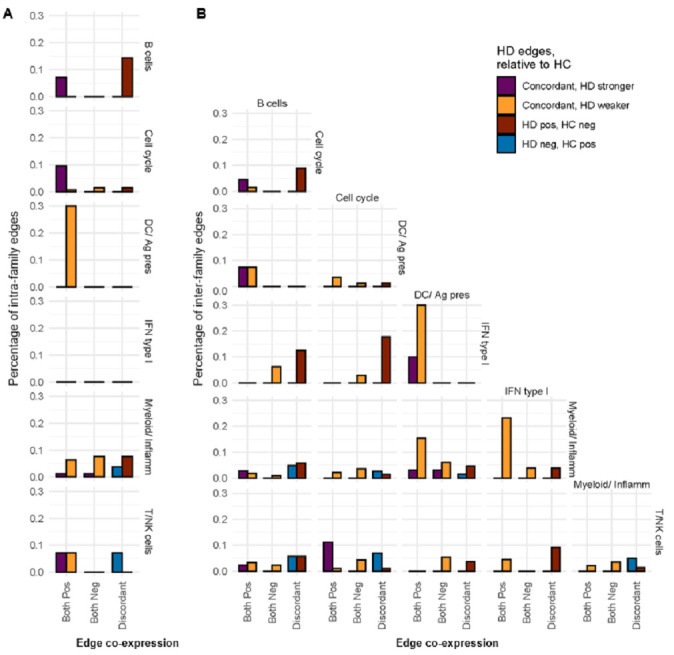
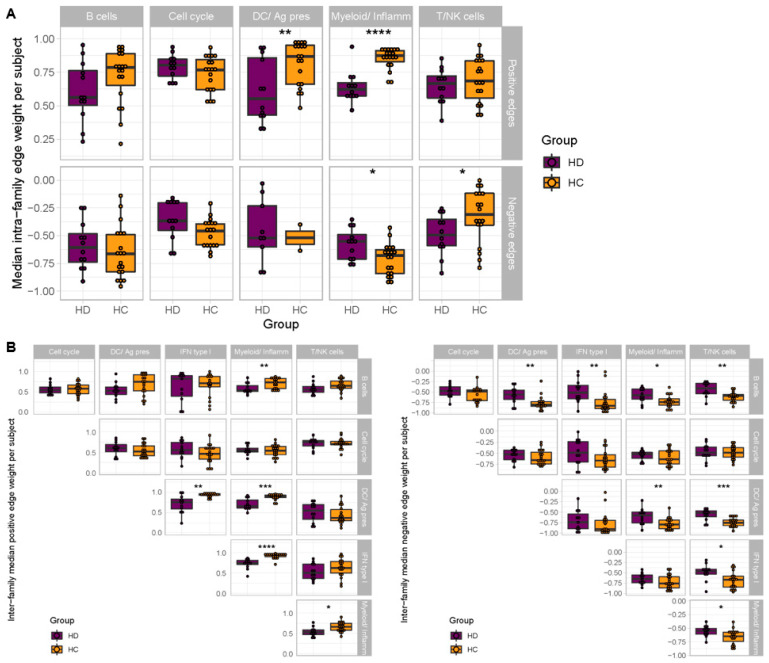
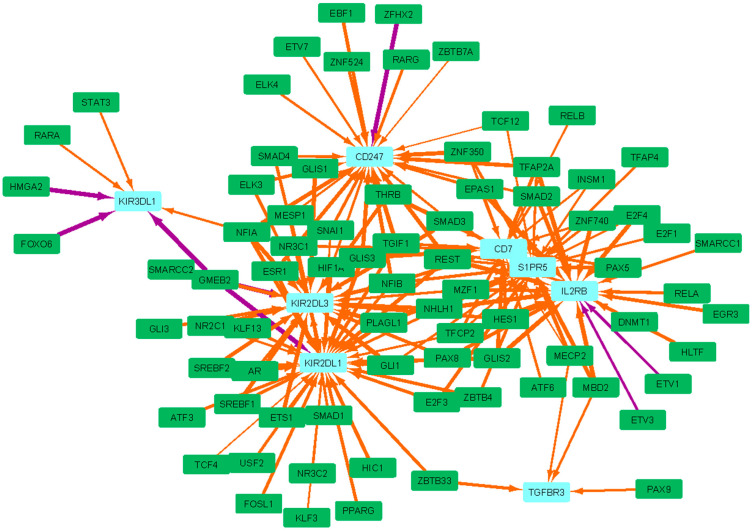
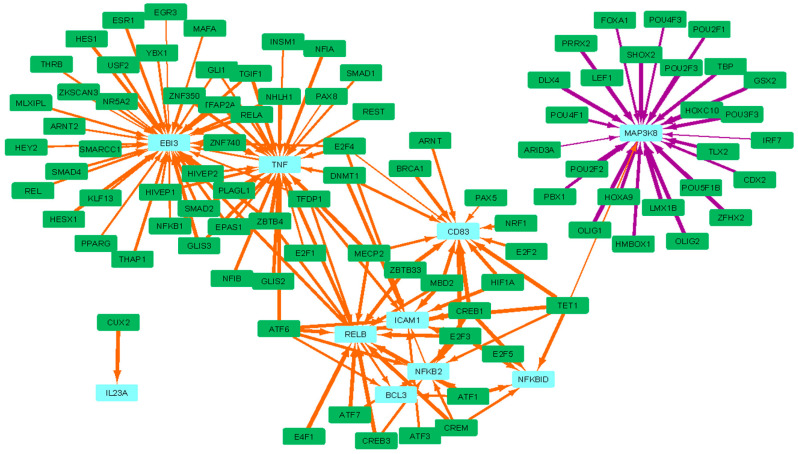
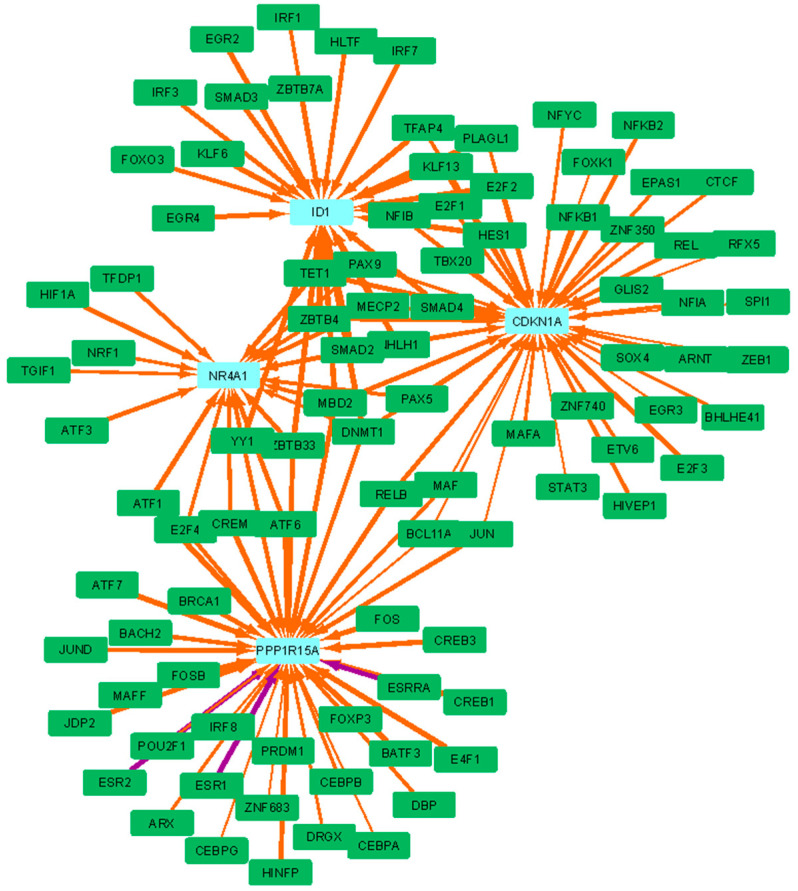
Co-expression networks based on blood transcription modules (BTMs) of genes differentially expressed between the HD and HC groups revealed co-expression patterns that were highly similar between the two groups but weaker in magnitude in the HD compared to HC subjects. These networks also showed weakened coregulation between BTMs within the dendritic cell (DC) family as well as with other BTM families involved with innate immunity. The gene regulatory networks of the most enriched BTMs, likewise, highlighted weakened targeting by transcription factors of key genes implicated in DC, natural killer (NK) cell, and T cell activation and function. The computational deconvolution of immune cell populations further bolstered these findings with discrepant proportions of conventional DC subtypes, NK T cells, and CD8+ T cells in HD subjects relative to HCs.
Altogether, our results indicate that constitutive inflammation in ESRD compromises the activation of DCs and NK cells, and, ultimately, their mediation of downstream lymphocytes, leading to a delayed but intact immune response to mRNA vaccination.
终末期肾病(ESRD)会导致免疫功能障碍,其特征为全身炎症和免疫功能不全,从而导致疫苗接种反应受损。
为了阐明ESRD中复杂的调节性免疫相互作用,我们对接受两剂COVID-19 mRNA疫苗BNT162b2的维持性血液透析(HD)的ESRD患者和匹配的健康对照(HC)进行了基于网络的转录组分析。
基于HD组和HC组之间差异表达基因的血液转录模块(BTM)的共表达网络显示,两组之间的共表达模式高度相似,但与HC受试者相比,HD组中的共表达模式强度较弱。这些网络还显示,树突状细胞(DC)家族内以及与其他参与先天免疫的BTM家族之间的共调节减弱。同样,最丰富的BTM的基因调控网络突出显示,涉及DC、自然杀伤(NK)细胞以及T细胞激活和功能的关键基因的转录因子靶向作用减弱。免疫细胞群体的计算反卷积进一步支持了这些发现,即HD受试者中传统DC亚型、NK T细胞和CD8 + T细胞的比例与HC受试者不同。
总之,我们的结果表明,ESRD中的持续性炎症会损害DC和NK细胞的激活,并最终损害它们对下游淋巴细胞的介导作用,导致对mRNA疫苗接种的免疫反应延迟但完整。