Ge Alex Y, Arab Abolfazl, Dai Raymond, Navickas Albertas, Fish Lisa, Garcia Kristle, Asgharian Hosseinali, Goudreau Jackson, Lee Sean, Keenan Kathryn, Pappalardi Melissa B, McCabe Michael T, Przybyla Laralynne, Goodarzi Hani, Gilbert Luke A
School of Medicine, University of California, San Francisco, San Francisco, CA, 94158, USA.
Department of Urology, University of California, San Francisco, San Francisco, CA, 94158, USA.
Sci Rep. 2024 Oct 29;14(1):25940. doi: 10.1038/s41598-024-77314-9.
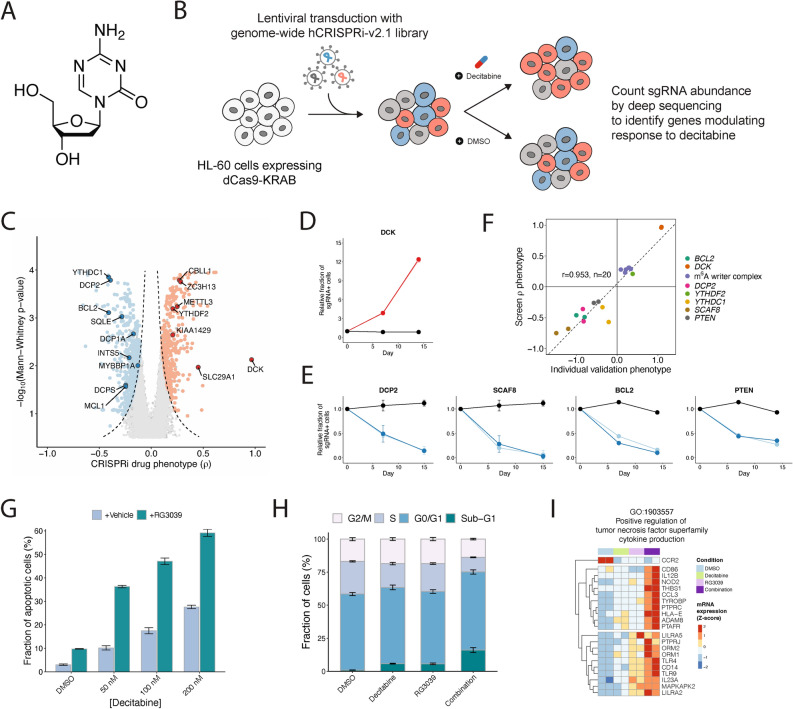
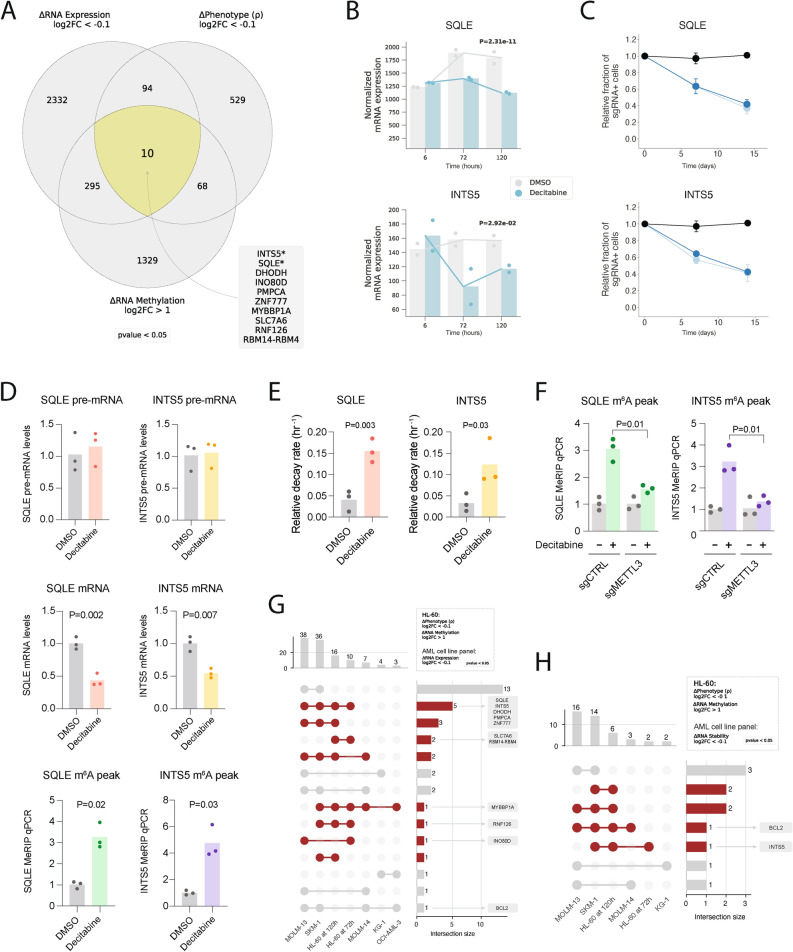
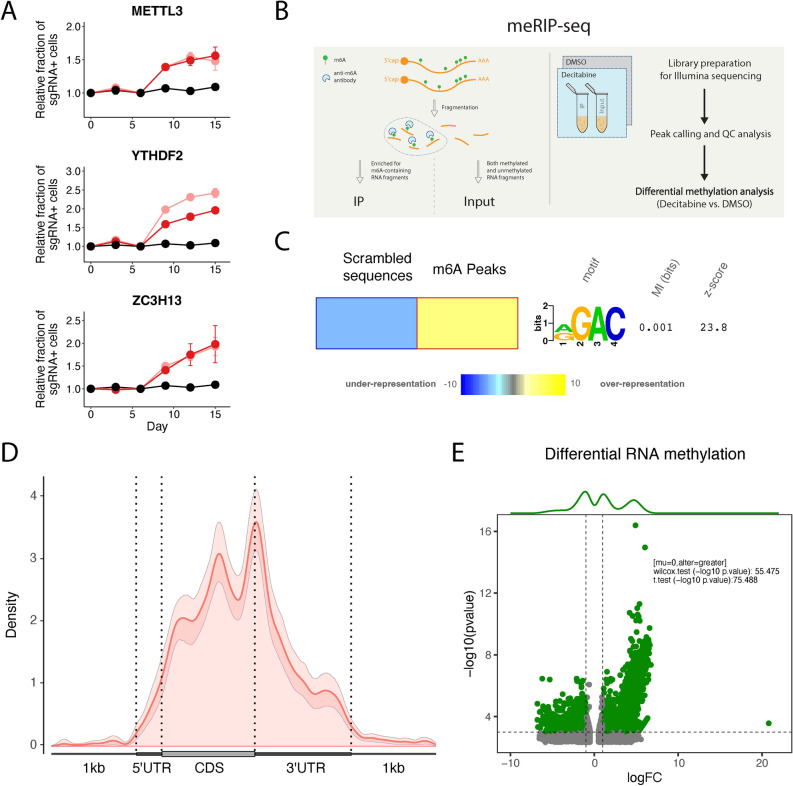
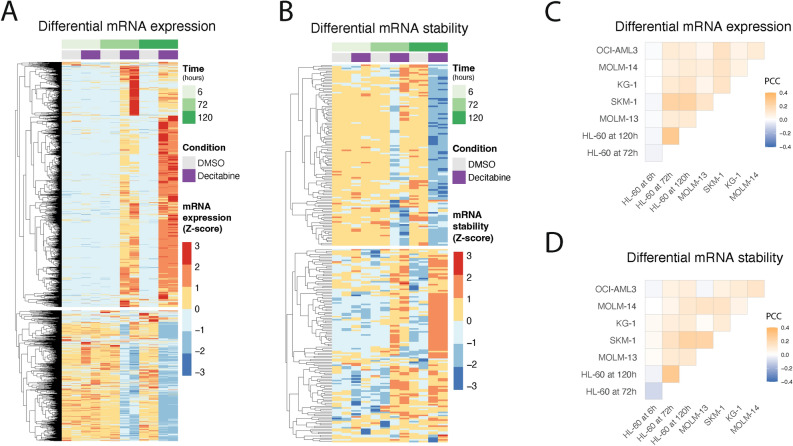
The search for new approaches in cancer therapy requires a mechanistic understanding of cancer vulnerabilities and anti-cancer drug mechanisms of action. Problematically, some effective therapeutics target cancer vulnerabilities that have poorly defined mechanisms of anti-cancer activity. One such drug is decitabine, a frontline therapeutic approved for the treatment of high-risk acute myeloid leukemia (AML). Decitabine is thought to kill cancer cells selectively via inhibition of DNA methyltransferase enzymes, but the genes and mechanisms involved remain unclear. Here, we apply an integrated multiomics and CRISPR functional genomics approach to identify genes and processes associated with response to decitabine in AML cells. Our integrated multiomics approach reveals RNA dynamics are key regulators of DNA hypomethylation induced cell death. Specifically, regulation of RNA decapping, splicing and RNA methylation emerge as important regulators of cellular response to decitabine.
寻找癌症治疗的新方法需要对癌症易感性和抗癌药物作用机制有深入的机制理解。问题在于,一些有效的治疗方法针对的是抗癌活性机制尚不明确的癌症易感性。其中一种药物是地西他滨,一种被批准用于治疗高危急性髓系白血病(AML)的一线治疗药物。地西他滨被认为通过抑制DNA甲基转移酶来选择性杀死癌细胞,但其中涉及的基因和机制仍不清楚。在这里,我们应用综合多组学和CRISPR功能基因组学方法来识别与AML细胞对地西他滨反应相关的基因和过程。我们的综合多组学方法揭示RNA动态是DNA低甲基化诱导细胞死亡的关键调节因子。具体而言,RNA去帽、剪接和RNA甲基化的调节成为细胞对地西他滨反应的重要调节因子。