Burghelea Dan, Moisoiu Tudor, Ivan Cristina, Elec Alina, Munteanu Adriana, Tabrea Raluca, Antal Oana, Kacso Teodor Paul, Socaciu Carmen, Elec Florin Ioan, Kacso Ina Maria
Clinical Institute of Urology and Renal Transplantation, Cluj-Napoca, Romania.
Department of Urology, Iuliu Hatieganu University of Medicine and Pharmacy, Cluj-Napoca, Romania.
Med Pharm Rep. 2024 Oct;97(4):467-476. doi: 10.15386/mpr-2780. Epub 2024 Oct 30.
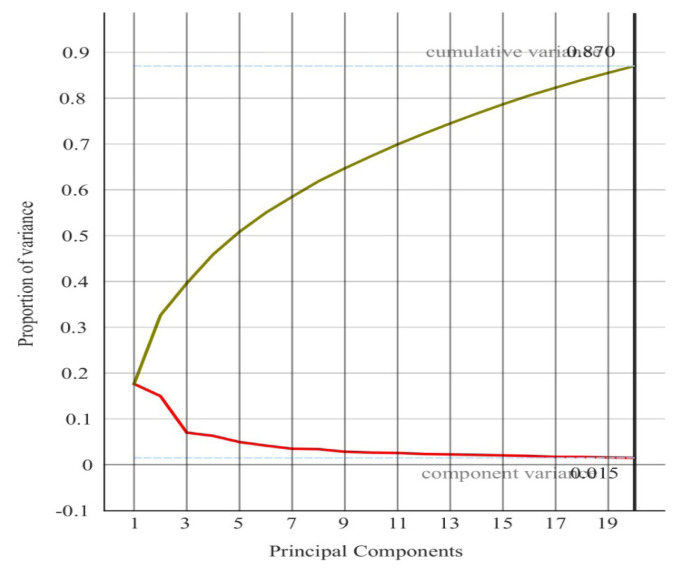
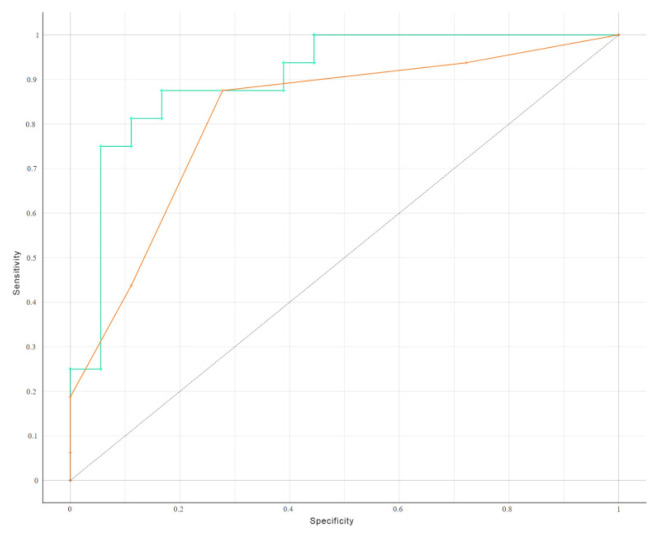
Tacrolimus (TAC) has significantly improved kidney graft survival following transplantation, though it is associated with adverse side effects. The most prevalent complication resulting from excessive TAC exposure is the onset of de novo diabetes mellitus (DM), a condition that can negatively impact both renal graft function and patient outcomes. De novo DM is linked to an increased risk of chronic transplant dysfunction, as well as cardiovascular morbidity and mortality. Although the underlying mechanisms remain unclear, emerging research in the field of omics shows promise. The aim of this study was to investigate the metabolomic profile of kidney transplant patients who developed de novo DM, in comparison to those who did not, following TAC exposure, using untargeted metabolomic analysis through ultra-high-performance liquid chromatography-mass spectrometry (UHPLC-MS) and machine learning algorithms.
A cohort of 34 kidney transplant patients on a Tacrolimus regimen for at least 6 months was enrolled in the study, with serum samples collected from each patient. Comprehensive profiling of serum metabolites was performed, enabling the classification of patients into de novo diabetes mellitus and non diabetes groups. The metabolomic analysis of serum was conducted using UHPLC-MS.
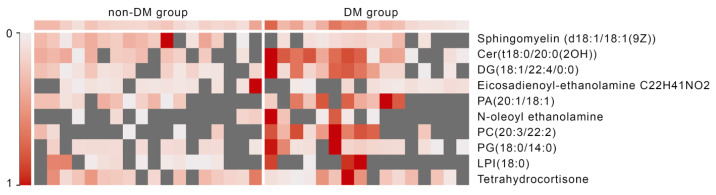
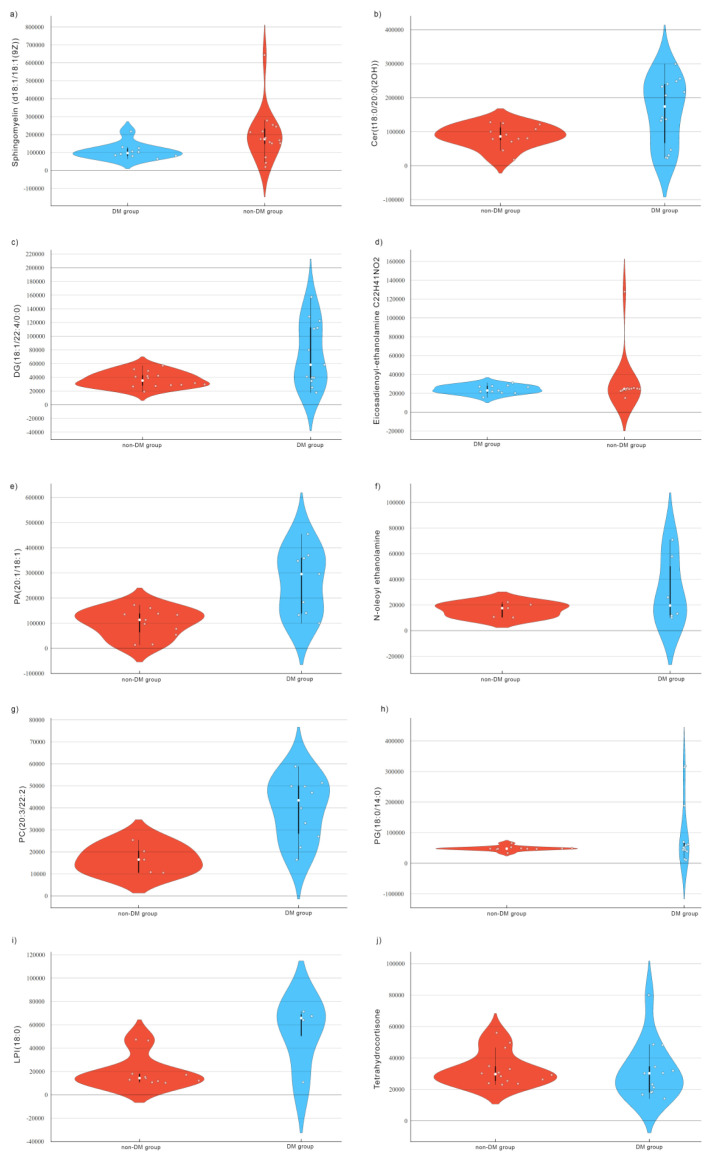
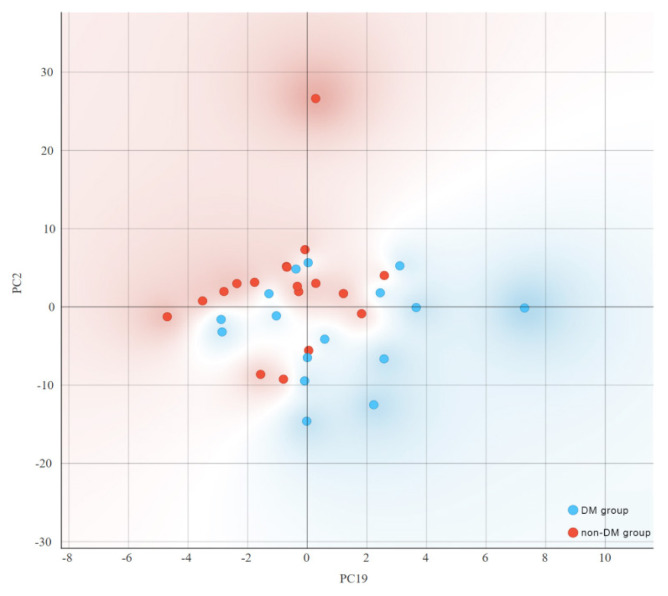
Of the 34 patients, 16 were diagnosed with TAC-induced diabetes. A total of 334 metabolites were identified in the serum samples, of which 10 demonstrated a significant correlation with the de novo diabetes mellitus group. Most of these metabolites were linked to alterations in lipid metabolism.
The application of metabolomics in kidney transplant patients undergoing a Tacrolimus regimen is both feasible and effective in identifying metabolites associated with de novo diabetes mellitus. This approach may provide valuable insights into the metabolic alterations underlying TAC-induced diabetes.
他克莫司(TAC)显著提高了肾移植后的移植物存活率,尽管它会带来不良副作用。TAC暴露过量导致的最常见并发症是新发糖尿病(DM),这种情况会对肾移植功能和患者预后产生负面影响。新发DM与慢性移植功能障碍风险增加以及心血管发病率和死亡率相关。尽管潜在机制尚不清楚,但组学领域的新兴研究显示出了前景。本研究的目的是通过超高效液相色谱-质谱联用(UHPLC-MS)和机器学习算法进行非靶向代谢组学分析,比较TAC暴露后发生新发DM的肾移植患者与未发生者的代谢组学特征。
本研究纳入了34名接受他克莫司治疗至少6个月的肾移植患者队列,并收集了每位患者的血清样本。对血清代谢物进行全面分析,以便将患者分为新发糖尿病组和非糖尿病组。使用UHPLC-MS对血清进行代谢组学分析。
34名患者中,16名被诊断为TAC诱导的糖尿病。血清样本中共鉴定出334种代谢物,其中10种与新发糖尿病组有显著相关性。这些代谢物大多与脂质代谢改变有关。
代谢组学在接受他克莫司治疗的肾移植患者中的应用对于识别与新发糖尿病相关的代谢物是可行且有效的。这种方法可能为TAC诱导的糖尿病潜在的代谢改变提供有价值的见解。