Stagi Lisa, Bocchi Ilenia, Bernardini Daniela, Ciappa Marika, Dellon Stefania, Castiglione Gian Nicola, Romano Silvia, Fabrizi Eros, Mattavelli Amanda, Grisoni Ilaria, Finizia Gabriella, Bonato Stefano
Roche S.p.A., Monza, Italy.
Bayer S.p.A., Milano, Italy.
Ther Adv Drug Saf. 2024 Nov 4;15:20420986241293296. doi: 10.1177/20420986241293296. eCollection 2024.
Pharmacovigilance (PV) is the science and activities relating to the detection, assessment, understanding, and prevention of adverse effects or any other medicine/vaccine-related problem. Since its inception in the 1960s, PV has undergone continuous evolution, progressing from a basic level mainly focused on the collection and analysis of cases in its earliest years to a complex system regulated by rigorous standards and laws with modern PV. In recent years, PV has faced the challenge of adapting to rapid scientific advancements, the complexity of the pharma industry, and the digital revolution. To better understand the current state and future developments of PV within pharma companies, the PV working group "Ernesto Montagna" of the Italian Society of Pharmaceutical Medicine (SIMeF ETS) conducted a national survey in Italy.
The main objective of this survey was to explore the current state and future developments of PV within Pharmaceutical Companies in Italy.
This study was designed as a national survey targeting members of the Italian Society of Pharmaceutical Medicine (SIMeF ETS).
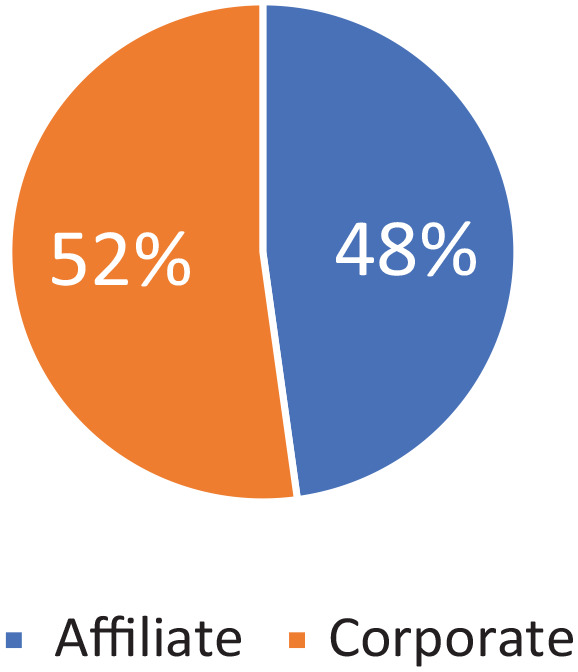
The survey utilized computer-assisted web interview (CAWI) technology to collect data from SIMeF members across affiliate and corporate companies, aiming to explore expectations for PV. A simplified version of the questionnaire was also sent to members of the Clinical Research and Medical Affairs (RICMA) and Real-World Evidence working groups of SIMeF to gather input from RICMA professionals regarding the role of PV in pharma companies.
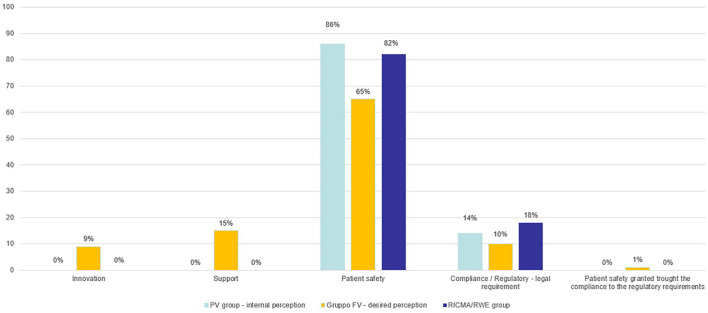
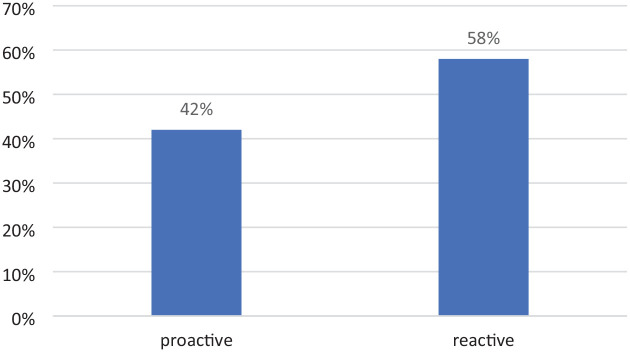
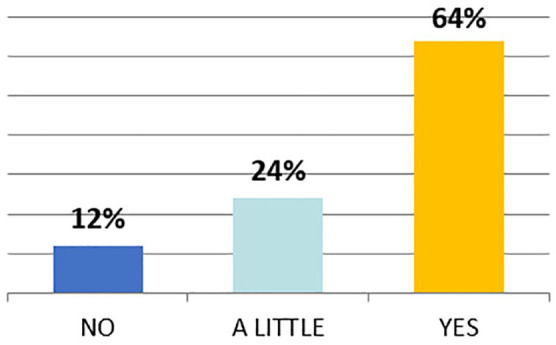
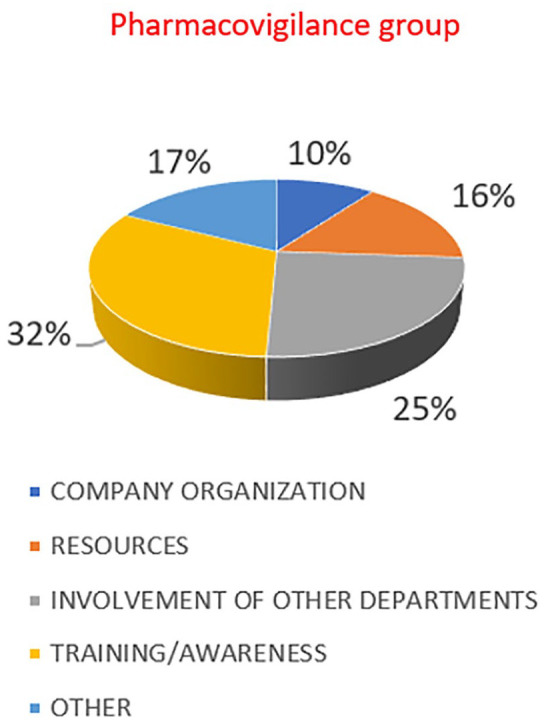
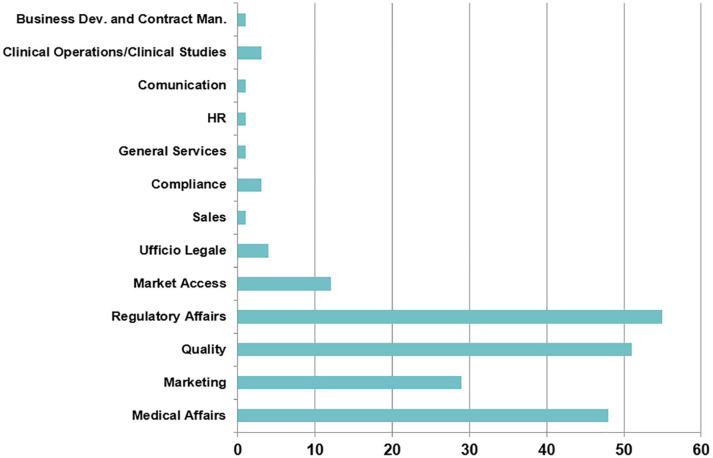
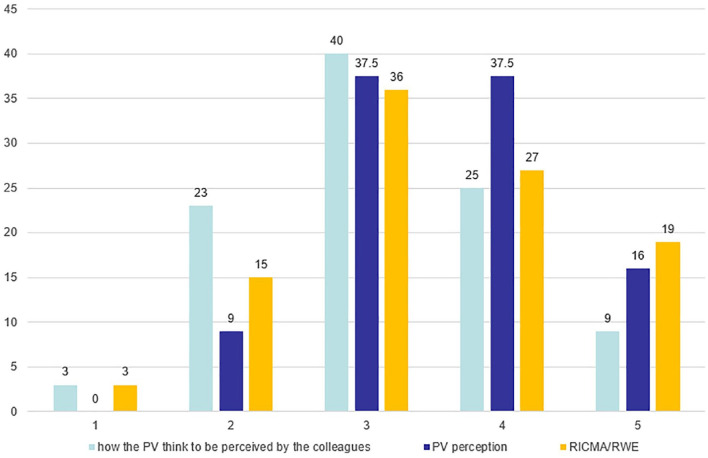
The survey revealed that PV in pharma companies is undergoing a transformation, with the potential for greater strategic alignment with business objectives and stakeholder focus. However, there is still room for improvement, particularly in terms of perception within other company departments. It is evident that PV's evolution has only just begun.
A critical factor in the evolution of PV is the adoption of a holistic and comprehensive approach to activities and processes. Scientific associations such as SIMeF can play a valuable role in cultivating new skills and capabilities among PV professionals, assisting, and supporting this change.
药物警戒(PV)是一门与药物不良反应或任何其他与药品/疫苗相关问题的发现、评估、理解及预防相关的科学与活动。自20世纪60年代创立以来,药物警戒不断发展演变,从最初主要侧重于病例收集与分析的基础阶段,发展成为如今由严格标准和法律规范的复杂体系。近年来,药物警戒面临着适应科学快速发展、制药行业复杂性以及数字革命的挑战。为了更好地了解制药公司内部药物警戒的现状与未来发展,意大利药物医学协会(SIMeF ETS)的“埃内斯托·蒙塔纳”药物警戒工作组在意大利开展了一项全国性调查。
本次调查的主要目的是探究意大利制药公司内部药物警戒的现状与未来发展。
本研究设计为针对意大利药物医学协会(SIMeF ETS)成员的全国性调查。
该调查利用计算机辅助网络访谈(CAWI)技术,从SIMeF附属公司和企业公司的成员中收集数据,旨在探究对药物警戒的期望。一份简化版问卷还被发送给SIMeF临床研究与医学事务(RICMA)以及真实世界证据工作组的成员,以收集RICMA专业人员对药物警戒在制药公司中作用的意见。
调查显示,制药公司的药物警戒正在经历变革,有潜力与业务目标和利益相关者关注点实现更大程度的战略契合。然而,仍有改进空间,特别是在其他公司部门的认知方面。显然,药物警戒的演变才刚刚开始。
药物警戒演变的一个关键因素是对活动和流程采用整体和全面的方法。像SIMeF这样的科学协会可以在培养药物警戒专业人员的新技能和能力、协助并支持这一变革方面发挥重要作用。