Gupta Ashim, Potty Anish G
Regenerative Medicine, Future Biologics, Lawrenceville, USA.
Orthopaedics, South Texas Orthopaedic Research Institute, Laredo, USA.
Cureus. 2024 Oct 7;16(10):e70985. doi: 10.7759/cureus.70985. eCollection 2024 Oct.
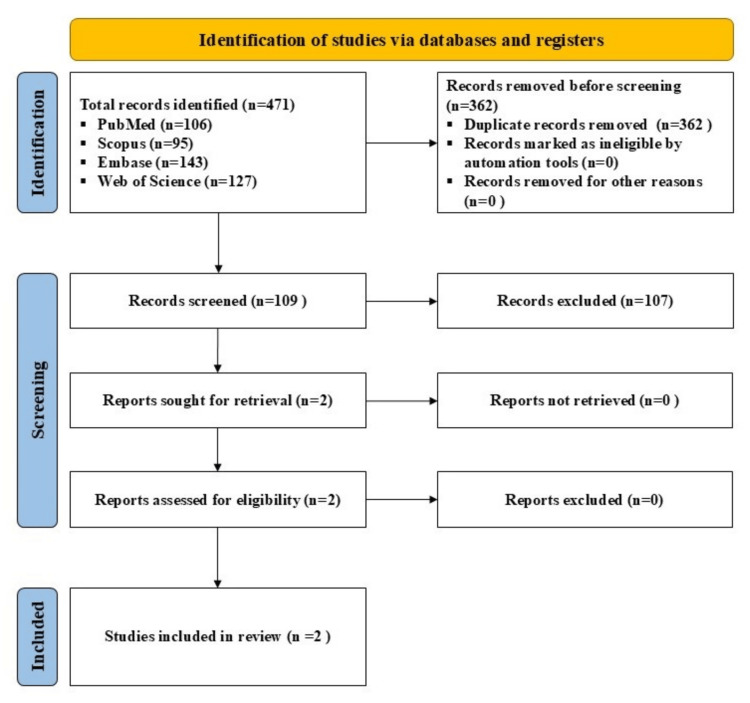
Osteoarthritis (OA) of the hip affects millions of people with a sizable health-related economic burden. Conventional treatment modalities are prioritized, turning to surgical intervention only when they have failed. Nevertheless, these approaches have flaws, regularly trying to provide symptomatic pain relief instead of focusing on the underlying etiology. The last two decades have seen a significant increase in the use of autologous peripheral blood-derived orthobiologics (APBOs) for managing musculoskeletal disorders, including OA of the hip. Platelet-rich plasma (PRP) is the most regularly used APBO. Yet, studies have shown its inefficacy in improving pain and function along with a high incidence of reporting bias in systematic reviews and meta-analyses involving PRP injections for hip OA. Thus, the potential of using other APBOs, including platelet lysate (PL), autologous conditioned serum (ACS), gold-induced cytokine (GOLDIC), plasma rich in growth factors (PRGF), autologous protein solution (APS), and hyperacute serum (HS), for managing OA of the hip was investigated. This review summarizes the results of clinical studies involving the mentioned APBOs to manage OA of the hip. Multiple databases (Scopus, Embase, PubMed, and Web of Science) were searched employing terms for these 'APBOs' and 'OA of the hip' for articles published in the English language till September 21, 2024, adhering to the Preferred Reporting Items for Systematic Reviews and Meta-Analyses (PRISMA) guidelines. Only two articles fit the scope of our study, and both included articles involved the use of ACS. No clinical studies involving the use of PL, GOLDIC, PRGF, APS, and HS were identified. No ongoing clinical trials were listed on any of the searched registers involving the use of the aforesaid APBOs. Intra-articular administration of ACS is safe and can reduce pain in patients with OA of the hip. Nonetheless, given the dearth of pertinent literature and limitations of included articles, more adequately powered, prospective, multicenter, controlled, open-label or blinded, randomized, and non-randomized trials with extended follow-up are necessary to determine the efficacy of various APBOs for managing hip OA. Further comparative studies to assist clinicians in finding the ideal APBO for the treatment of OA of the hip are needed.
髋关节骨关节炎(OA)影响着数百万人,带来了相当大的与健康相关的经济负担。传统治疗方式是首选,只有在失败时才转向手术干预。然而,这些方法存在缺陷,通常只是试图缓解症状性疼痛而非关注潜在病因。在过去二十年中,自体外周血衍生的骨科生物制剂(APBOs)在治疗肌肉骨骼疾病(包括髋关节OA)中的使用显著增加。富血小板血浆(PRP)是最常用的APBO。然而,研究表明其在改善疼痛和功能方面无效,并且在涉及PRP注射治疗髋关节OA的系统评价和荟萃分析中报告偏倚的发生率很高。因此,研究了使用其他APBOs(包括血小板裂解液(PL)、自体条件血清(ACS)、金诱导细胞因子(GOLDIC)、富含生长因子的血浆(PRGF)、自体蛋白溶液(APS)和超急性血清(HS))治疗髋关节OA的潜力。本综述总结了涉及上述APBOs治疗髋关节OA的临床研究结果。使用这些“APBOs”和“髋关节OA”的术语在多个数据库(Scopus、Embase、PubMed和Web of Science)中进行检索,以查找截至2024年9月21日发表的英文文章,遵循系统评价和荟萃分析的首选报告项目(PRISMA)指南。只有两篇文章符合我们的研究范围,且这两篇文章都涉及ACS的使用。未发现涉及使用PL、GOLDIC、PRGF、APS和HS的临床研究。在任何检索到的登记册上均未列出涉及使用上述APBOs的正在进行的临床试验。关节内注射ACS是安全的,并且可以减轻髋关节OA患者的疼痛。尽管如此,鉴于相关文献的匮乏以及纳入文章的局限性,需要进行更有足够效力的、前瞻性的、多中心的、对照的、开放标签或盲法随机和非随机试验,并进行延长随访,以确定各种APBOs治疗髋关节OA的疗效。还需要进一步的比较研究,以帮助临床医生找到治疗髋关节OA的理想APBO。