Sait Abdul Rahaman Wahab, Nagaraj Ramprasad
Department of Archives and Communication, Center of Documentation and Administrative Communication, King Faisal University, P.O. Box 400, Hofuf 31982, Al-Ahsa, Saudi Arabia.
Department of Biochemistry, S S Hospital, S S Institute of Medical Sciences & Research Centre, Rajiv Gandhi University of Health Sciences, Davangere 577005, India.
Diagnostics (Basel). 2024 Oct 23;14(21):2363. doi: 10.3390/diagnostics14212363.
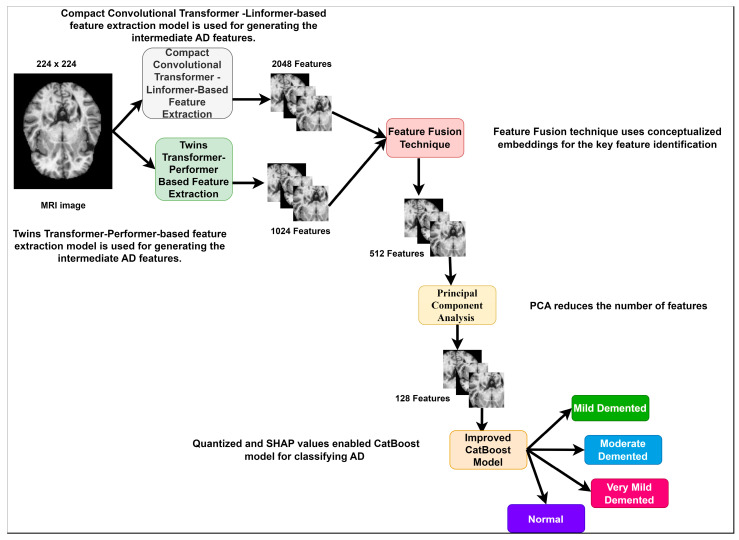
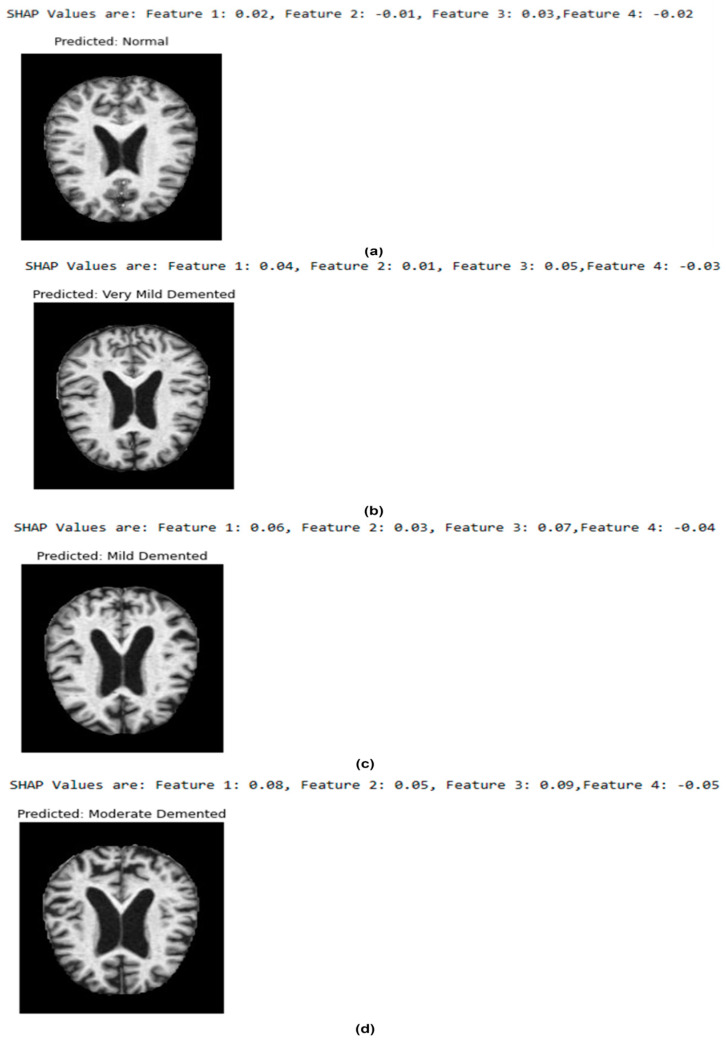
Early identification of Alzheimer's disease (AD) is essential for optimal treatment and management. Deep learning (DL) technologies, including convolutional neural networks (CNNs) and vision transformers (ViTs) can provide promising outcomes in AD diagnosis. However, these technologies lack model interpretability and demand substantial computational resources, causing challenges in the resource-constrained environment. Hybrid ViTs can outperform individual ViTs by visualizing key features with limited computational power. This synergy enhances feature extraction and promotes model interpretability.
Thus, the authors present an innovative model for classifying AD using MRI images with limited computational resources.
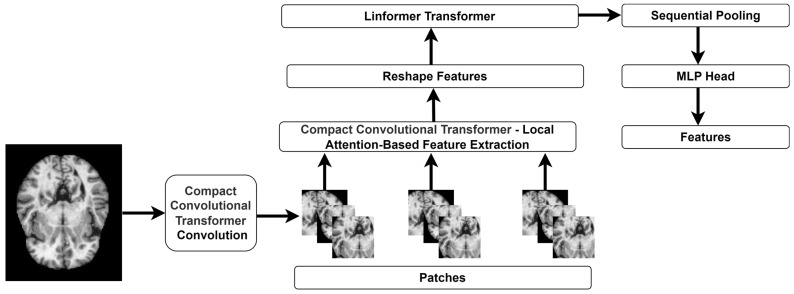
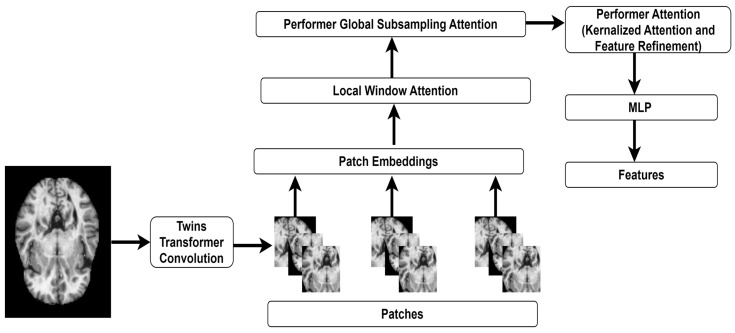
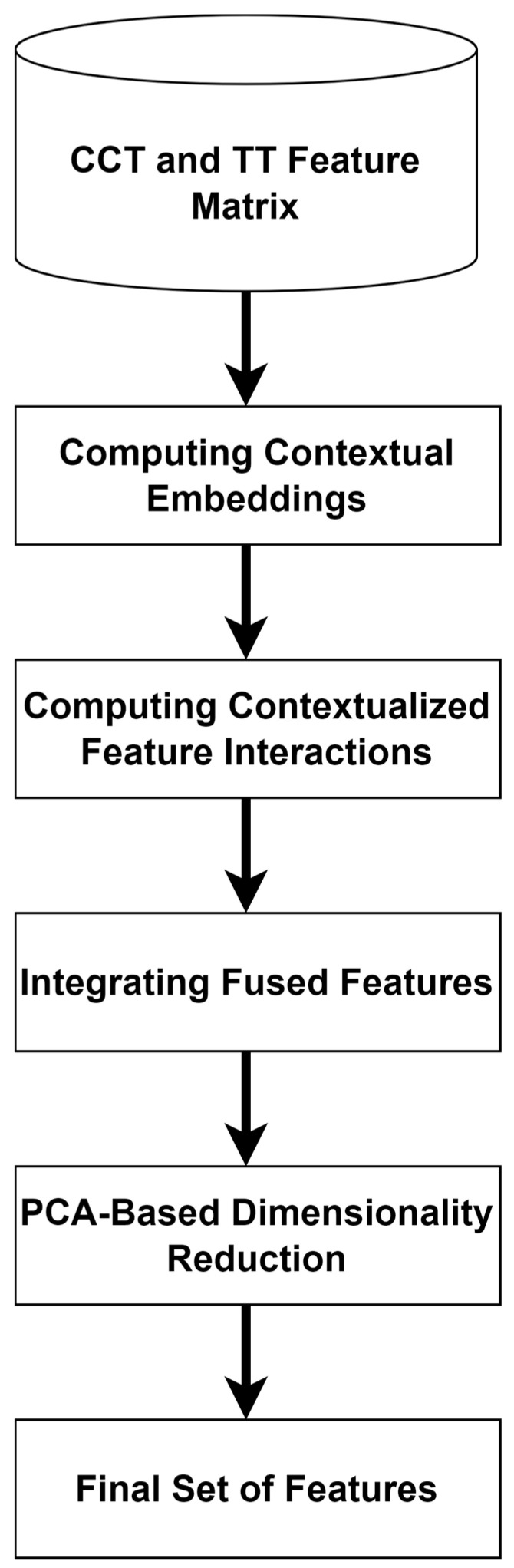
The authors improved the AD feature-extraction process by modifying the existing ViTs. A CatBoost-based classifier was used to classify the extracted features into multiple classes.
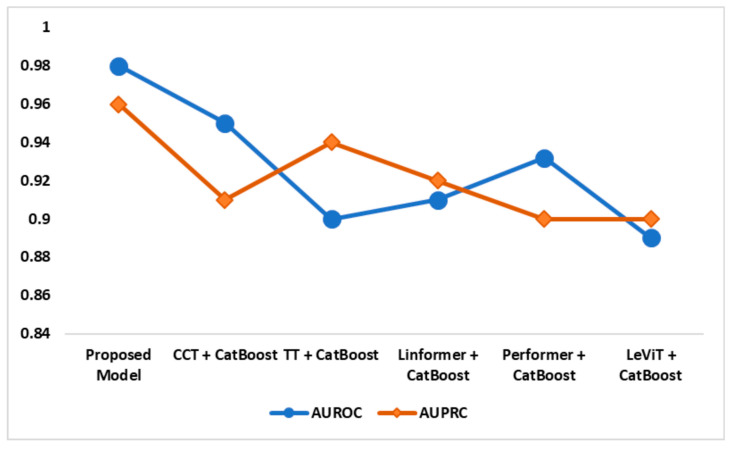
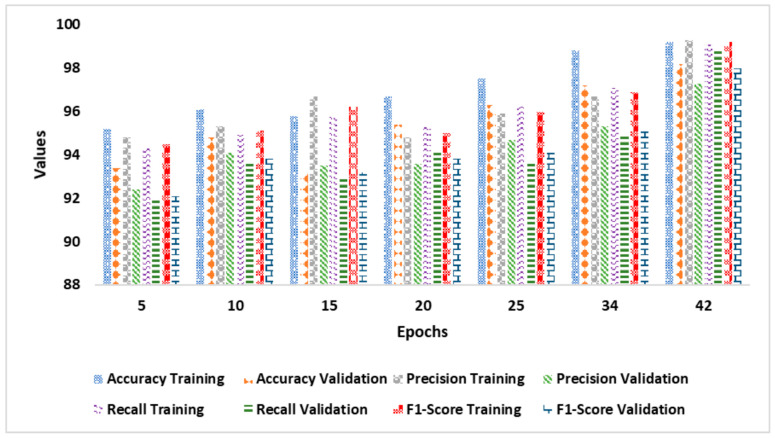
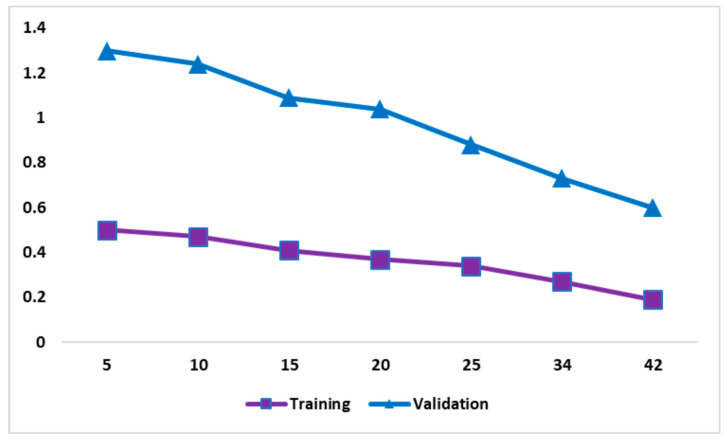
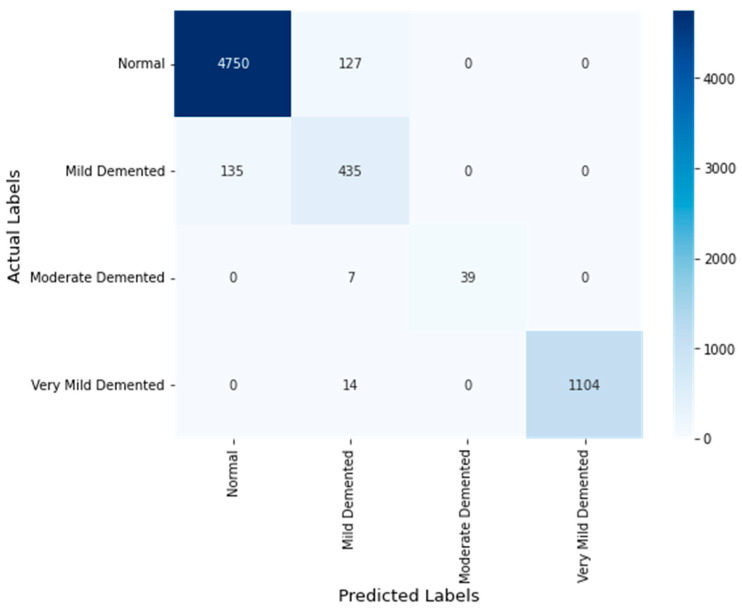
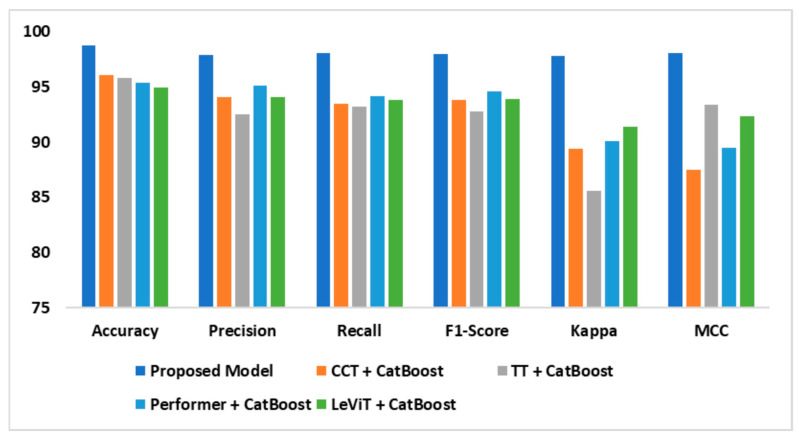
The proposed model was generalized using the OASIS dataset. The model obtained an exceptional classification accuracy of 98.8% with a minimal loss of 0.12.
The findings highlight the potential of the proposed AD classification model in providing an interpretable and resource-efficient solution for healthcare centers. To improve model robustness and applicability, subsequent research can include genetic and clinical data.
早期识别阿尔茨海默病(AD)对于优化治疗和管理至关重要。深度学习(DL)技术,包括卷积神经网络(CNN)和视觉Transformer(ViT),在AD诊断中可以提供有前景的结果。然而,这些技术缺乏模型可解释性,并且需要大量计算资源,这在资源受限的环境中带来了挑战。混合ViT可以通过在有限的计算能力下可视化关键特征,从而优于单个ViT。这种协同作用增强了特征提取并促进了模型可解释性。
因此,作者提出了一种在有限计算资源下使用MRI图像对AD进行分类的创新模型。
作者通过修改现有的ViT改进了AD特征提取过程。使用基于CatBoost的分类器将提取的特征分类为多个类别。
使用OASIS数据集对所提出的模型进行了泛化。该模型获得了98.8%的卓越分类准确率,最小损失为0.12。
研究结果突出了所提出的AD分类模型在为医疗保健中心提供可解释且资源高效的解决方案方面的潜力。为了提高模型的鲁棒性和适用性,后续研究可以纳入基因和临床数据。