Bergisches Rheuma-Zentrum, Krankenhaus St Josef, Wuppertal, Germany; Rheumazentrum Ruhrgebiet, Ruhr-University Bochum, Bochum, Germany.
Department of Medicine, Division of Rheumatology, Maastricht University Medical Center, Maastricht, Netherlands; School for Public Health and Primary Care, Maastricht University, Maastricht, Netherlands.
Lancet Rheumatol. 2024 Dec;6(12):e892-e902. doi: 10.1016/S2665-9913(24)00230-3. Epub 2024 Nov 11.
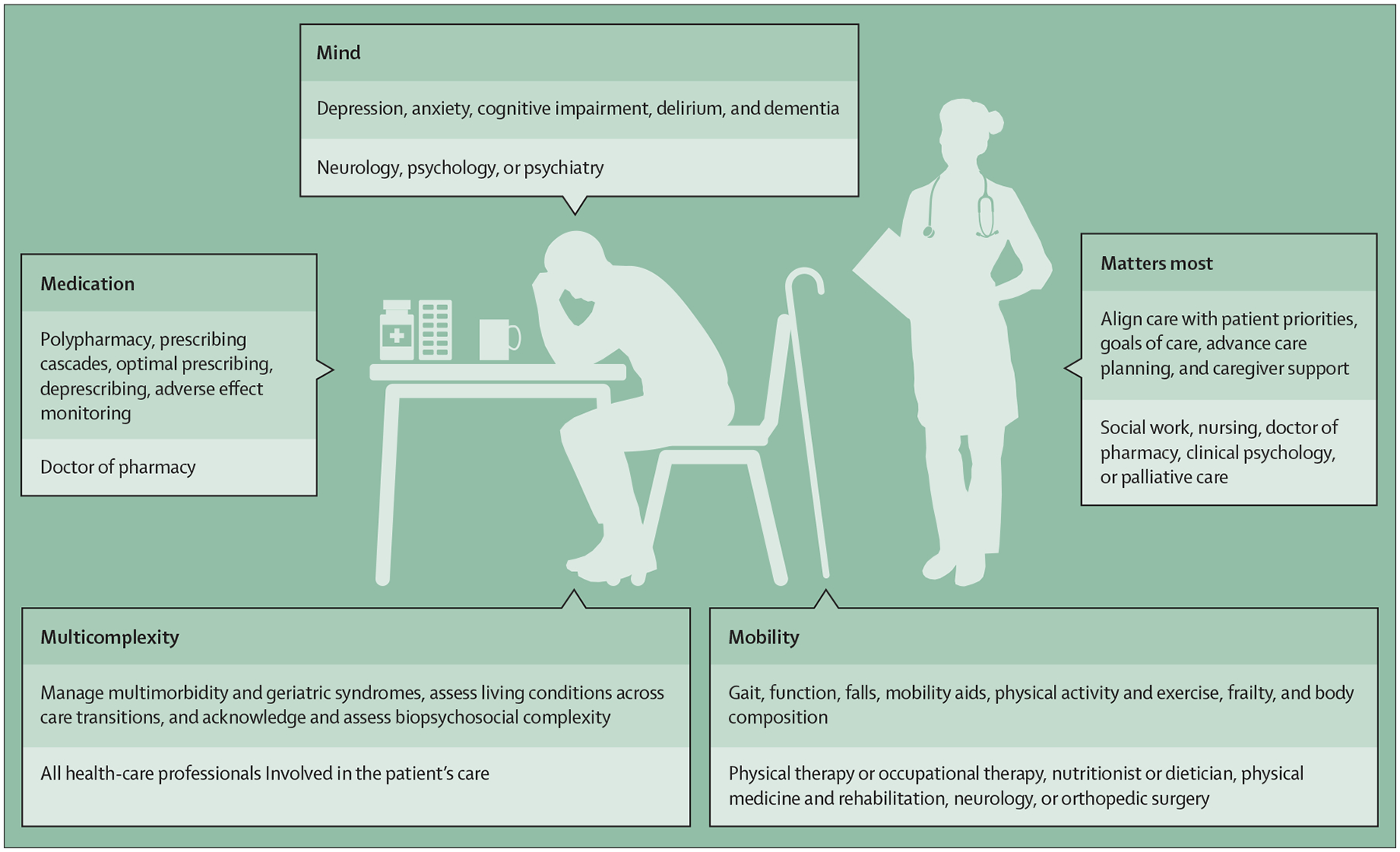
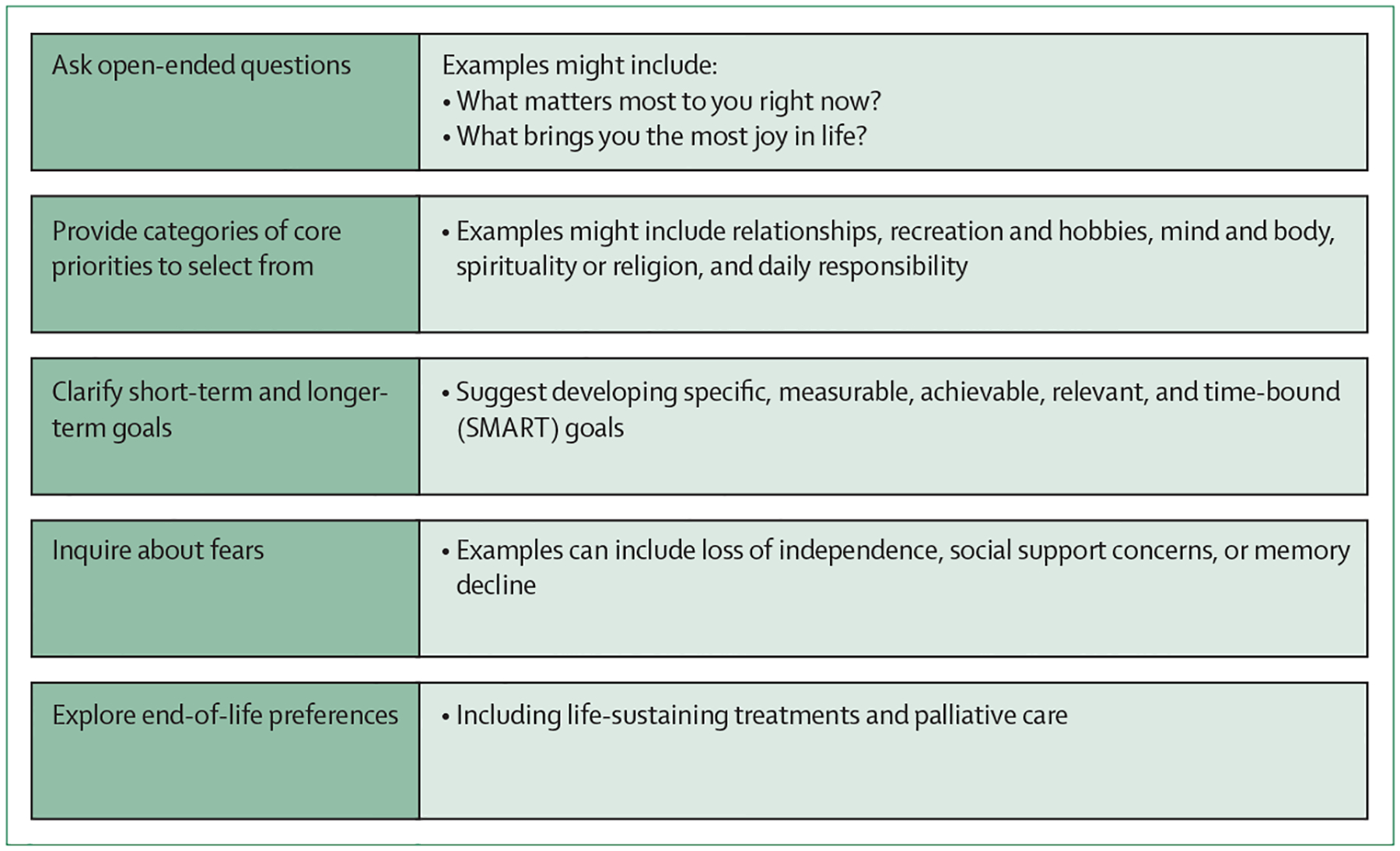
The global population is ageing and the rheumatology workforce should be prepared to take care of the inevitable complexities of ageing patients. We can learn from our colleagues and experts in geriatrics about how best to manage multimorbidity, polypharmacy, geriatric syndromes, and shifting priorities of older patients in the context of delivering care for rheumatic diseases. One approach to learning and adopting key ageing constructs within rheumatology practice is to incorporate the established Geriatric 5Ms-principles fundamental to caring for older adults. In this Series paper we discuss the 5Ms in the context of rheumatology practice (1) multicomplexity: assessing and managing multimorbidity and challenging biopsychosocial situations, (2) medications: ensuring that medications do not interfere with the other Ms, (3) mind: managing neurocognitive disorders and comorbid mental health conditions, (4) mobility: ensuring older adults can move independently and safely, and (5) what matters most: aligning care with an older adult's specific goals.
全球人口正在老龄化,风湿病工作者应该做好准备,应对老年患者不可避免的复杂性。我们可以向老年病学领域的同事和专家学习,了解在为风湿病患者提供护理时,如何最好地管理多种并存疾病、多种药物治疗、老年综合征以及老年患者优先事项的转变。在风湿病实践中学习和采用关键老龄化结构的一种方法是纳入既定的老年 5Ms 原则,这些原则是照顾老年人的基础。在本系列论文中,我们将在风湿病实践的背景下讨论 5Ms(1)多种复杂性:评估和管理多种并存疾病和具有挑战性的生物心理社会情况,(2)药物:确保药物不会干扰其他 Ms,(3)心理:管理神经认知障碍和并存的心理健康状况,(4)活动能力:确保老年人能够独立和安全地移动,以及(5)最重要的是:使护理与老年人的具体目标保持一致。