School of Physical Education, Jiangsu Second Normal University, Nanjing, China.
Department of Sports Studies, Faculty of Educational Studies, Universiti Putra Malaysia, Selangor, Serdang, Malaysia.
BMC Public Health. 2024 Nov 14;24(1):3170. doi: 10.1186/s12889-024-20469-x.
The importance of physical education in higher education is widely recognized, as it improves not only exercise attitudes and motor skills but also physical fitness, social skills, and academic performance. However, physical education courses in Chinese colleges and universities face various constraints, such as a shortage of teachers, limited teaching methods, and insufficient resources, resulting in low student motor skills, negative attitudes toward sports, and low participation rates. This study explores the effectiveness of a blended learning model, which integrates traditional face-to-face instruction with online learning components, in improving university students' exercise attitudes and basketball skills.
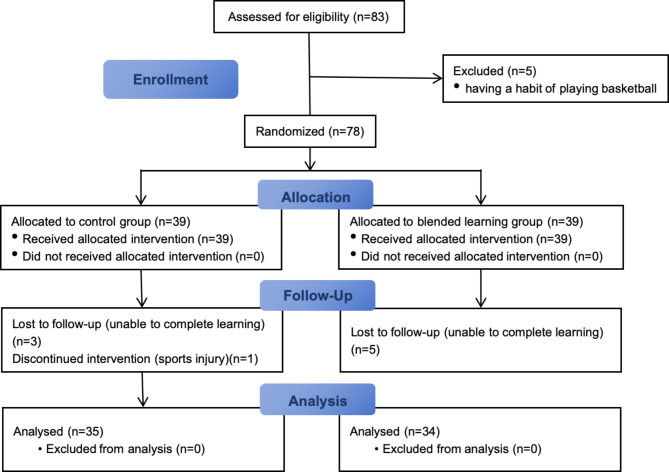
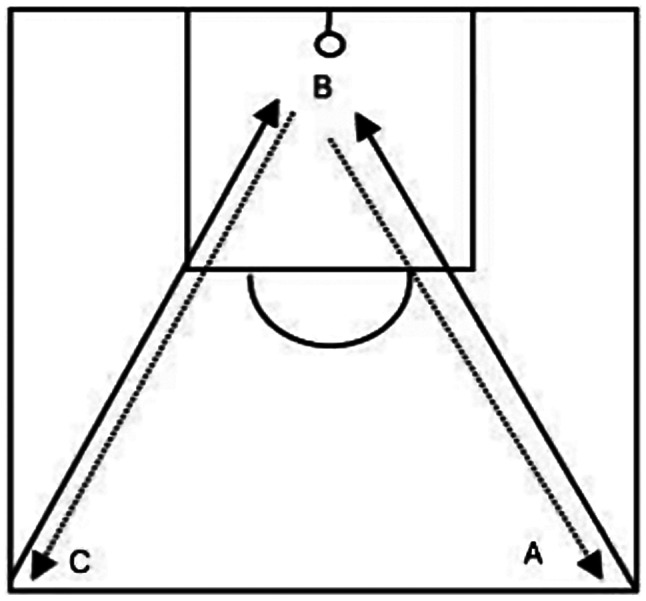
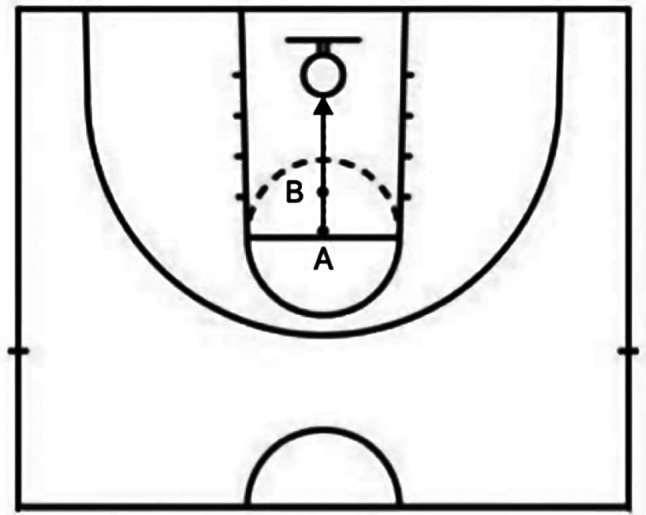
The research was conducted in 2022 at Luoyang Normal University in China, utilizing a cluster randomized controlled trial (CRCT) with 78 healthy first-year university students. Participants were randomly assigned to either the experimental group (blended learning) or the control group (traditional learning), and the intervention lasted 16 weeks. Exercise attitudes were assessed via the Exercise Attitude Scale, whereas basketball skills were evaluated via set shot and half-court dribbling and shooting tests.
Both instructional models improved students' exercise attitudes and basketball skills; however, the blended learning model demonstrated significantly superior outcomes. Effect sizes (d) ranging from 0.57 to 1.92 indicated that the experimental group showed greater improvements in behavior attitude, target attitude, behavior cognition, behavior intention, emotional experience, behavior control, and subjective standards. In basketball skills, the experimental group outperformed the control group in set shots (d = 0.56) and half-court dribbling and shooting (d = 0.46).
Compared with traditional methods, blended learning significantly enhances university students' exercise attitudes and basketball skills. Future research should explore the long-term effects and underlying mechanisms of blended learning in physical education, involving larger and more diverse samples to validate these findings.
体育教育在高等教育中的重要性已得到广泛认可,因为它不仅能提高运动态度和运动技能,还能提高身体素质、社交技能和学业成绩。然而,中国高校的体育课程面临着各种限制,如师资短缺、教学方法有限和资源不足,导致学生运动技能较低、对体育的消极态度和参与率低。本研究探讨了混合学习模式的有效性,该模式将传统的面对面教学与在线学习组件相结合,以提高大学生的运动态度和篮球技能。
该研究于 2022 年在中国洛阳师范学院进行,采用集群随机对照试验(CRCT),共有 78 名健康的大一学生参与。参与者被随机分配到实验组(混合学习)或对照组(传统学习),干预持续 16 周。运动态度通过运动态度量表进行评估,而篮球技能则通过定点投篮和半场运球投篮测试进行评估。
两种教学模式都提高了学生的运动态度和篮球技能;然而,混合学习模式的效果更为显著。效果大小(d)范围从 0.57 到 1.92 表明,实验组在行为态度、目标态度、行为认知、行为意向、情感体验、行为控制和主观标准方面表现出更大的改善。在篮球技能方面,实验组在定点投篮(d=0.56)和半场运球投篮(d=0.46)方面优于对照组。
与传统方法相比,混合学习显著提高了大学生的运动态度和篮球技能。未来的研究应探讨混合学习在体育教育中的长期效果和潜在机制,涉及更大和更多样化的样本,以验证这些发现。