• 文献检索
  • 文档翻译
  • 深度研究
  • 学术资讯
  • Suppr Zotero 插件Zotero 插件
  • 邀请有礼
  • 套餐&价格
  • 历史记录
应用&插件
Suppr Zotero 插件Zotero 插件浏览器插件Mac 客户端Windows 客户端微信小程序
定价
高级版会员购买积分包购买API积分包
服务
文献检索文档翻译深度研究API 文档MCP 服务
关于我们
关于 Suppr公司介绍联系我们用户协议隐私条款
关注我们

Suppr 超能文献

核心技术专利:CN118964589B侵权必究
粤ICP备2023148730 号-1Suppr @ 2026

文献检索

告别复杂PubMed语法,用中文像聊天一样搜索,搜遍4000万医学文献。AI智能推荐,让科研检索更轻松。

立即免费搜索

文件翻译

保留排版,准确专业,支持PDF/Word/PPT等文件格式,支持 12+语言互译。

免费翻译文档

深度研究

AI帮你快速写综述,25分钟生成高质量综述,智能提取关键信息,辅助科研写作。

立即免费体验

利用结香根提取物合成环境友好型氧化铁纳米粒子的潜在生物学应用。

Potential biological applications of environment friendly synthesized iron oxide nanoparticles using Sageretia thea root extract.

机构信息

Department of Botany, Bacha Khan University, Charsadda, 24420, Khyber Pakhtunkhwa, Pakistan.

Department of Botany, Rawalpindi Women University, 6th Road, Satellite Town, Rawalpindi, 46300, Pakistan.

出版信息

Sci Rep. 2024 Nov 16;14(1):28310. doi: 10.1038/s41598-024-79953-4.

DOI:10.1038/s41598-024-79953-4
PMID:39550505
原文链接:https://pmc.ncbi.nlm.nih.gov/articles/PMC11569125/
Abstract

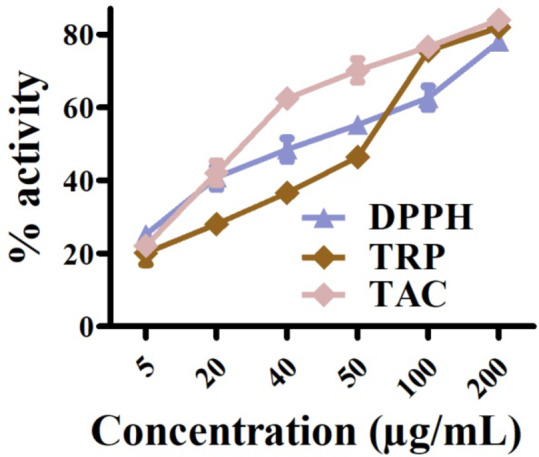
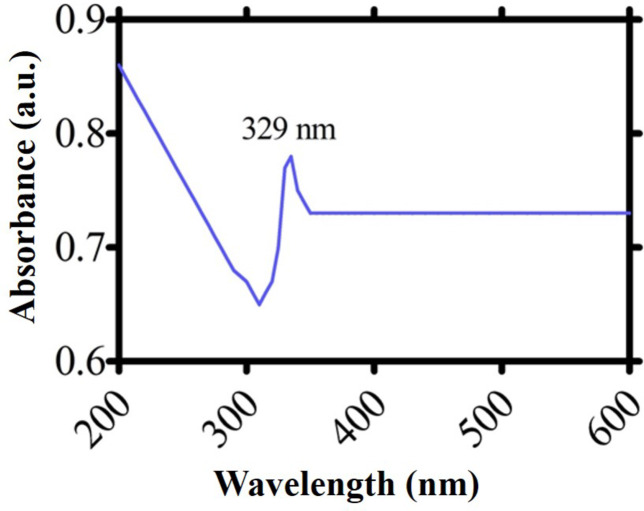
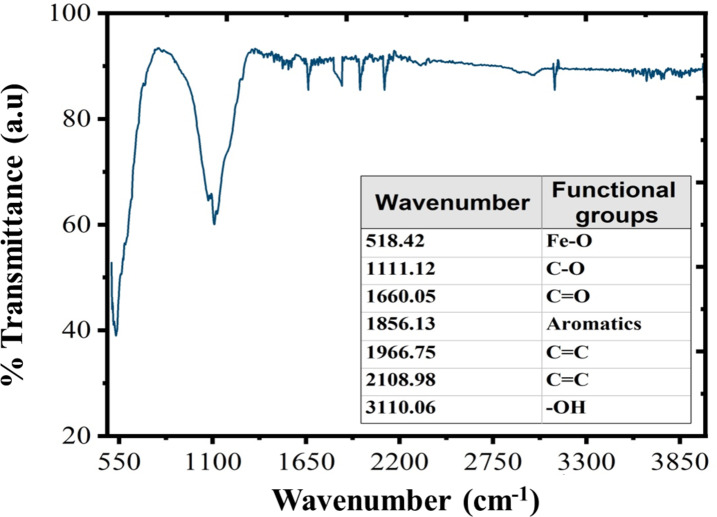
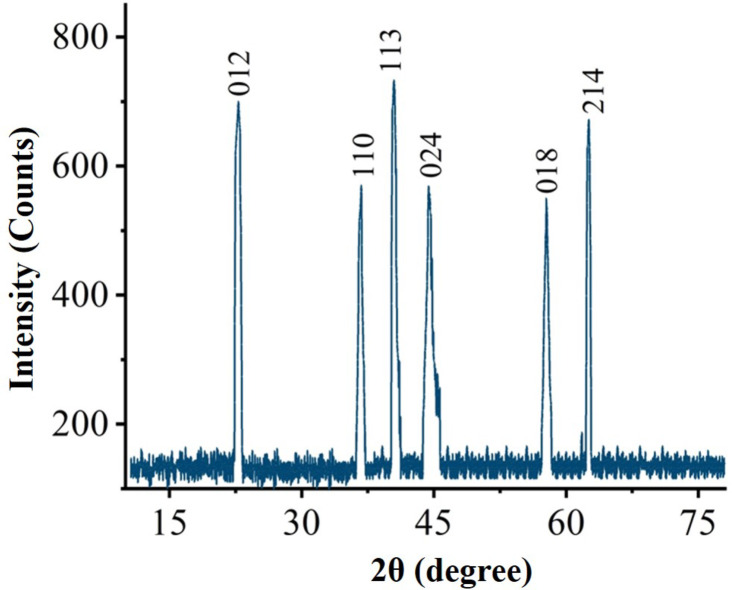
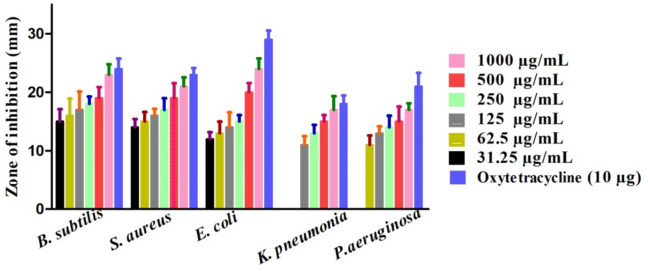
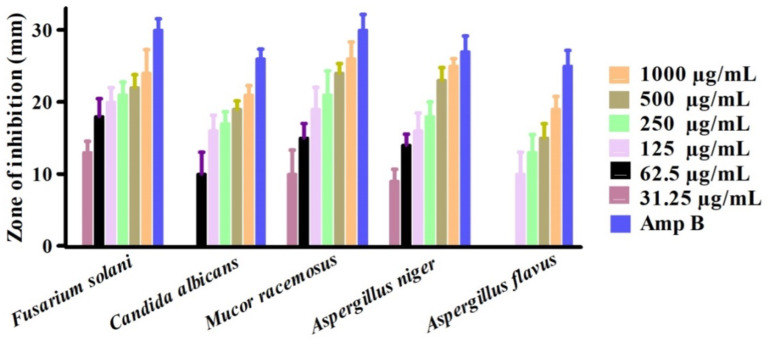
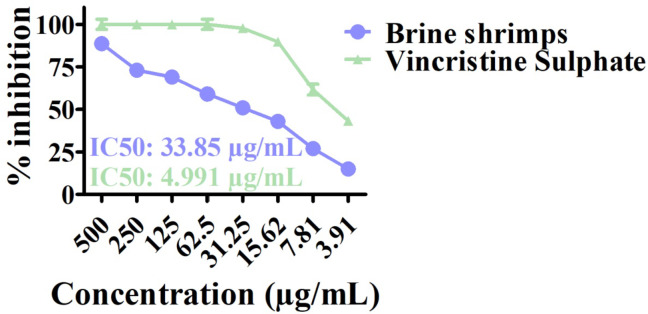
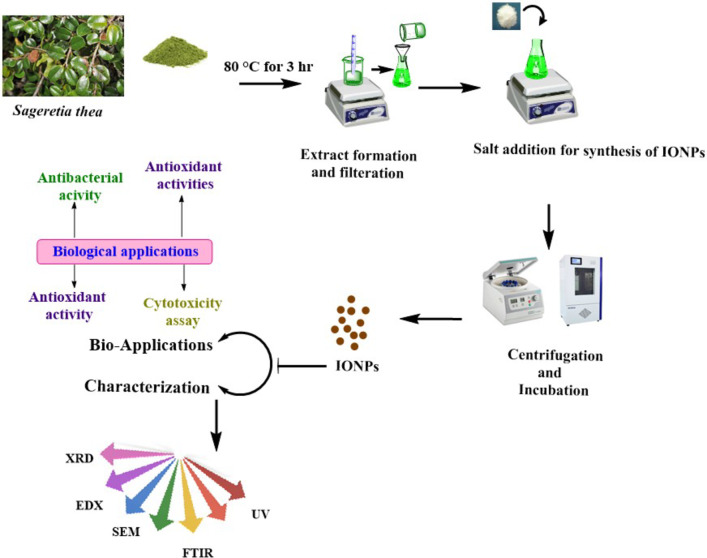
The green synthesis of Iron oxide nanoparticles (IONPs) has shown numerous advantages over conventional physical and chemical synthesis methods as these methods non-ecofriendly and uses toxic chemicals and complicated equipments. In present study, Iron oxide nanoparticles (IONPs) were created using simple, sustainable, eco-friendly and green chemistry protocol. The roots of novel medicinal plant Sageretia thea was used as a bio-template for the preparation of IONPs. Further, the synthesis of IONPs was confirmed using different analytical tools like UV-Vis, FT-IR, XRD, EDX, and SEM. The average sizes of (NPs) were found to be 16.04 nm. Further, asynthesized IONPs were evaluated for several biological potentials including antibacterial, antifungal Anti-radical potentials (DPPH) and cytotoxicity assays. Antibacterial potencies were investigated using bacterial strains (in the concentration range of 1000-31.25 µg/mL) revealing significant antibacterial potentials. ABA and SAU was reported to be least susceptible while KPN was observed to be most susceptible strain in bactericidal studies. Further, different fungal strains were used to investigate the antifungal potentials of IONPs (in the concentration range of 1000-31.25 µg/mL) and revealed strong antifungal potencies against different pathogenic strains. Furthermore, MRA, FA and ANI were most susceptible and ABA was least susceptible in fungicidal examination. Significant cytotoxicity potential was examined using brine shrimps cytotoxicity assay, thus revealing the cytotoxic potential of asynthesized IONPs. The IC for S. thea based IONPs was recorded as 33.85 µg/mL. Strong anti-radical potentials (DPPH) assay was performed to evaluate the ROS scavenging potential of S.T@IONPs. The highest scavenging potential was noted as 78.06%, TRP as 81.92% and TAC as 84% on maximum concentration of 200 µg/mL. In summary, our experimental results concluded, that asynthesized IONPs have strong antibacterial, antifungal, DPPH scavenging and cytotoxic potentials and can be used in different biological applications. In nutshell, our as-prepared nanoparticles have shown potential bioactivities and we recommend, different other in vitro and in vivo biological and bioactivities to further analyze the biological potentials.

摘要

采用简单、可持续、环保和绿色化学方法合成了氧化铁纳米粒子(IONPs),与传统的物理和化学合成方法相比具有许多优势。这些方法不环保,使用有毒化学物质和复杂的设备。在本研究中,使用新型药用植物扁担藤的根作为生物模板来制备 IONPs。此外,使用不同的分析工具,如 UV-Vis、FT-IR、XRD、EDX 和 SEM,确认了 IONPs 的合成。(NPs)的平均尺寸为 16.04nm。进一步,评估了合成的 IONPs 的几种生物学潜力,包括抗菌、抗真菌、抗自由基潜力(DPPH)和细胞毒性测定。使用细菌菌株(浓度范围为 1000-31.25μg/mL)研究了抗菌潜力,结果表明具有显著的抗菌潜力。ABA 和 SAU 被报道为最不易受影响的菌株,而 KPN 则被观察为杀菌研究中最敏感的菌株。此外,使用不同的真菌菌株研究了 IONPs 的抗真菌潜力(浓度范围为 1000-31.25μg/mL),结果表明对不同的致病菌具有很强的抗真菌潜力。此外,MRA、FA 和 ANI 是最敏感的,而 ABA 是杀菌试验中最不敏感的。使用卤虫细胞毒性试验研究了显著的细胞毒性潜力,从而揭示了合成 IONPs 的细胞毒性潜力。S. thea 基 IONPs 的 IC 记录为 33.85μg/mL。进行了强自由基潜力(DPPH)测定,以评估 S.T@IONPs 的 ROS 清除潜力。在最大浓度为 200μg/mL 时,记录到的最高清除率分别为 78.06%、TRP 为 81.92%和 TAC 为 84%。总之,我们的实验结果表明,合成的 IONPs 具有很强的抗菌、抗真菌、DPPH 清除和细胞毒性潜力,可用于不同的生物学应用。简而言之,我们制备的纳米粒子表现出潜在的生物活性,我们建议进行其他不同的体外和体内生物学和生物活性研究,以进一步分析其生物学潜力。
https://cdn.ncbi.nlm.nih.gov/pmc/blobs/5442/11569125/ec64a787ced0/41598_2024_79953_Fig10_HTML.jpg
https://cdn.ncbi.nlm.nih.gov/pmc/blobs/5442/11569125/661bae4b8a8e/41598_2024_79953_Fig1_HTML.jpg
https://cdn.ncbi.nlm.nih.gov/pmc/blobs/5442/11569125/1e00d7fa76aa/41598_2024_79953_Fig2_HTML.jpg
https://cdn.ncbi.nlm.nih.gov/pmc/blobs/5442/11569125/4082d5379103/41598_2024_79953_Fig3_HTML.jpg
https://cdn.ncbi.nlm.nih.gov/pmc/blobs/5442/11569125/2195222dc402/41598_2024_79953_Fig4_HTML.jpg
https://cdn.ncbi.nlm.nih.gov/pmc/blobs/5442/11569125/da877d0cb65b/41598_2024_79953_Fig5_HTML.jpg
https://cdn.ncbi.nlm.nih.gov/pmc/blobs/5442/11569125/3a08917abaaa/41598_2024_79953_Fig6_HTML.jpg
https://cdn.ncbi.nlm.nih.gov/pmc/blobs/5442/11569125/632c4fe6e3dc/41598_2024_79953_Fig7_HTML.jpg
https://cdn.ncbi.nlm.nih.gov/pmc/blobs/5442/11569125/b103d15e8828/41598_2024_79953_Fig8_HTML.jpg
https://cdn.ncbi.nlm.nih.gov/pmc/blobs/5442/11569125/916eb7d826ab/41598_2024_79953_Fig9_HTML.jpg
https://cdn.ncbi.nlm.nih.gov/pmc/blobs/5442/11569125/ec64a787ced0/41598_2024_79953_Fig10_HTML.jpg
https://cdn.ncbi.nlm.nih.gov/pmc/blobs/5442/11569125/661bae4b8a8e/41598_2024_79953_Fig1_HTML.jpg
https://cdn.ncbi.nlm.nih.gov/pmc/blobs/5442/11569125/1e00d7fa76aa/41598_2024_79953_Fig2_HTML.jpg
https://cdn.ncbi.nlm.nih.gov/pmc/blobs/5442/11569125/4082d5379103/41598_2024_79953_Fig3_HTML.jpg
https://cdn.ncbi.nlm.nih.gov/pmc/blobs/5442/11569125/2195222dc402/41598_2024_79953_Fig4_HTML.jpg
https://cdn.ncbi.nlm.nih.gov/pmc/blobs/5442/11569125/da877d0cb65b/41598_2024_79953_Fig5_HTML.jpg
https://cdn.ncbi.nlm.nih.gov/pmc/blobs/5442/11569125/3a08917abaaa/41598_2024_79953_Fig6_HTML.jpg
https://cdn.ncbi.nlm.nih.gov/pmc/blobs/5442/11569125/632c4fe6e3dc/41598_2024_79953_Fig7_HTML.jpg
https://cdn.ncbi.nlm.nih.gov/pmc/blobs/5442/11569125/b103d15e8828/41598_2024_79953_Fig8_HTML.jpg
https://cdn.ncbi.nlm.nih.gov/pmc/blobs/5442/11569125/916eb7d826ab/41598_2024_79953_Fig9_HTML.jpg
https://cdn.ncbi.nlm.nih.gov/pmc/blobs/5442/11569125/ec64a787ced0/41598_2024_79953_Fig10_HTML.jpg

相似文献

1
Potential biological applications of environment friendly synthesized iron oxide nanoparticles using Sageretia thea root extract.利用结香根提取物合成环境友好型氧化铁纳米粒子的潜在生物学应用。
Sci Rep. 2024 Nov 16;14(1):28310. doi: 10.1038/s41598-024-79953-4.
2
Phyto-assisted synthesis of zinc oxide nanoparticles using Bauhinia variegata buds extract and evaluation of their multi-faceted biological potentials.利用羊蹄甲花蕾提取物的植物辅助合成氧化锌纳米粒子及其多方面生物潜能的评价。
Sci Rep. 2024 Sep 11;14(1):21225. doi: 10.1038/s41598-024-72250-0.
3
Mediated Green Synthesis of Iron Oxide (FeO) Nanoparticles and Their Diverse In Vitro Bioactivities.介导的氧化铁(FeO)纳米粒子的绿色合成及其多种体外生物活性。
Molecules. 2023 Feb 23;28(5):2091. doi: 10.3390/molecules28052091.
4
Biogenic synthesis, characterization, and in vitro biological investigation of silver oxide nanoparticles (AgONPs) using Rhynchosia capitata.利用豨莶草合成、表征及体外生物学研究氧化银纳米粒子(AgONPs)
Sci Rep. 2024 May 7;14(1):10484. doi: 10.1038/s41598-024-60694-3.
5
Novel synthesis of Falcaria vulgaris leaf extract conjugated copper nanoparticles with potent cytotoxicity, antioxidant, antifungal, antibacterial, and cutaneous wound healing activities under in vitro and in vivo condition.新型合成的普通矢车菊叶提取物与铜纳米粒子缀合,具有强大的细胞毒性、抗氧化、抗真菌、抗菌和皮肤创伤愈合活性,在体外和体内条件下均如此。
J Photochem Photobiol B. 2019 Aug;197:111556. doi: 10.1016/j.jphotobiol.2019.111556. Epub 2019 Jul 15.
6
RETRACTED: Facile, eco-friendly and template free photosynthesis of cauliflower like ZnO nanoparticles using leaf extract of Tamarindus indica (L.) and its biological evolution of antibacterial and antifungal activities.撤回:利用罗望子(Tamarindus indica (L.))叶提取物简便、环保且无模板地光合作用合成菜花状氧化锌纳米颗粒及其抗菌和抗真菌活性的生物学评价
Spectrochim Acta A Mol Biomol Spectrosc. 2015 Feb 5;136 Pt B:1052-7. doi: 10.1016/j.saa.2014.09.129. Epub 2014 Oct 23.
7
Anabaena sp. A-1 mediated molybdenum oxide nanoparticles: A novel frontier in green synthesis, characterization and pharmaceutical properties.Anabaena sp. A-1 介导的氧化钼纳米粒子:绿色合成、表征和药物特性的新前沿。
Microsc Res Tech. 2024 Sep;87(9):1999-2012. doi: 10.1002/jemt.24572. Epub 2024 Apr 16.
8
Potential mechanism of gallic acid-coated iron oxide nanoparticles against associated genes of Klebsiella pneumoniae capsule, antibacterial and antibiofilm.没食子酸包覆氧化铁纳米粒子对抗肺炎克雷伯菌荚膜相关基因的作用机制、抗菌和抗生物膜作用
Microsc Res Tech. 2024 Nov;87(11):2774-2784. doi: 10.1002/jemt.24650. Epub 2024 Jul 10.
9
Bio-redox potential of Hyphaene thebaica in bio-fabrication of ultrafine maghemite phase iron oxide nanoparticles (FeO NPs) for therapeutic applications.射干麻黄汤对超顺磁性四氧化三铁纳米粒子(FeO NPs)生物合成的生物氧化还原电位及其在治疗中的应用。
Mater Sci Eng C Mater Biol Appl. 2020 Jul;112:110890. doi: 10.1016/j.msec.2020.110890. Epub 2020 Mar 21.
10
Characterization and anti-bacterial potential of iron oxide nanoparticle processed eco-friendly by plant extract.植物提取物绿色环保法制备的氧化铁纳米粒子的特性及抗菌潜力
Prep Biochem Biotechnol. 2020;50(10):1053-1062. doi: 10.1080/10826068.2020.1783678. Epub 2020 Jun 28.

引用本文的文献

1
Biogenic α-FeO nanoparticles from Sorghum bicolor leaf extracts and assessment of the anticancer and antioxidant properties.源自高粱叶片提取物的生物源α-FeO纳米颗粒及其抗癌和抗氧化性能评估。
Discov Nano. 2025 Jul 15;20(1):113. doi: 10.1186/s11671-025-04281-z.

本文引用的文献

1
Biogenic synthesis, characterization, and in vitro biological investigation of silver oxide nanoparticles (AgONPs) using Rhynchosia capitata.利用豨莶草合成、表征及体外生物学研究氧化银纳米粒子(AgONPs)
Sci Rep. 2024 May 7;14(1):10484. doi: 10.1038/s41598-024-60694-3.
2
Boosting Solanum tuberosum resistance to Alternaria solani through green synthesized ferric oxide (FeO) nanoparticles.通过绿色合成氧化铁(FeO)纳米粒子来提高马铃薯对茄链格孢的抗性。
Sci Rep. 2024 Jan 29;14(1):2375. doi: 10.1038/s41598-024-52704-1.
3
Revisiting the Green Synthesis of Nanoparticles: Uncovering Influences of Plant Extracts as Reducing Agents for Enhanced Synthesis Efficiency and Its Biomedical Applications.
重新审视纳米粒子的绿色合成:揭示植物提取物作为还原剂对提高合成效率的影响及其在生物医学中的应用。
Int J Nanomedicine. 2023 Aug 18;18:4727-4750. doi: 10.2147/IJN.S419369. eCollection 2023.
4
Combined application of plant growth-promoting bacteria and iron oxide nanoparticles ameliorates the toxic effects of arsenic in Ajwain ( L.).植物促生细菌与氧化铁纳米颗粒的联合应用减轻了阿育吠陀(Ajwain)中砷的毒性作用。
Front Plant Sci. 2022 Dec 28;13:1098755. doi: 10.3389/fpls.2022.1098755. eCollection 2022.
5
Biosynthesis and characterization of iron oxide nanoparticles from and screening its combating potential against .从……合成氧化铁纳米颗粒并进行表征,以及筛选其对……的对抗潜力。 (你提供的原文不完整,缺少具体的来源等信息,这只是按现有内容翻译)
Front Plant Sci. 2022 Sep 26;13:1001499. doi: 10.3389/fpls.2022.1001499. eCollection 2022.
6
Phytochemistry, biological activities and in silico molecular docking studies of L. compounds against SARS-CoV-2.L. 化合物对新型冠状病毒 2 的植物化学、生物活性及计算机辅助分子对接研究
J King Saud Univ Sci. 2022 Aug;34(6):102136. doi: 10.1016/j.jksus.2022.102136. Epub 2022 May 30.
7
Rhamnella gilgitica functionalized green synthesis of ZnONPs and their multiple therapeutic properties.吉尔吉特鼠李功能性绿色合成 ZnONPs 及其多种治疗特性。
Microsc Res Tech. 2022 Jun;85(6):2338-2350. doi: 10.1002/jemt.24090. Epub 2022 Mar 16.
8
Antioxidant and antimicrobial activities of extracts and biogenic selenium nanoparticles against selected pathogenic bacteria and fungi.提取物和生物源硒纳米颗粒对所选病原菌和真菌的抗氧化及抗菌活性
Saudi J Biol Sci. 2022 Feb;29(2):1197-1209. doi: 10.1016/j.sjbs.2021.09.046. Epub 2021 Sep 17.
9
Antioxidant, antibacterial, and catalytic performance of biosynthesized silver nanoparticles of , , and .、和生物合成的银纳米颗粒的抗氧化、抗菌及催化性能。
Saudi J Biol Sci. 2022 Feb;29(2):894-904. doi: 10.1016/j.sjbs.2021.10.016. Epub 2021 Oct 11.
10
Nanoencapsulated Lippia rotundifolia antimicrobial peptide: synthesis, characterization, antimicrobial activity, and cytotoxicity evaluations.纳米包裹的圆叶薄荷抗菌肽:合成、表征、抗菌活性和细胞毒性评价。
Arch Microbiol. 2022 Feb 18;204(3):184. doi: 10.1007/s00203-022-02787-z.