Guayazán Palacios Natalia, Imaizumi Takato, Steinbrenner Adam D
Department of Biology, University of Washington, Seattle, WA, USA.
bioRxiv. 2024 Nov 8:2024.11.06.622352. doi: 10.1101/2024.11.06.622352.
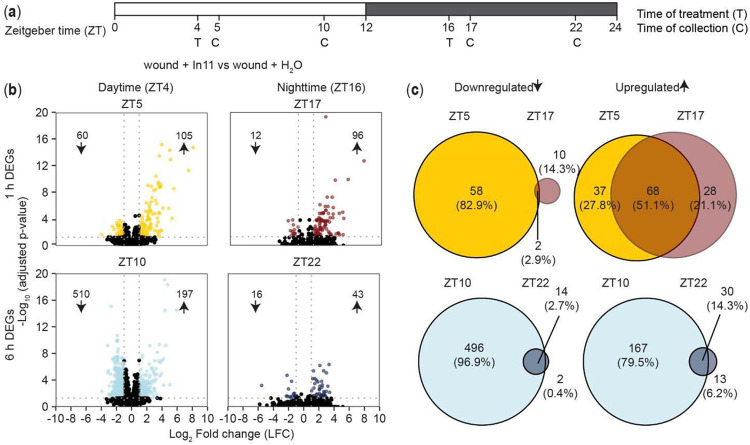
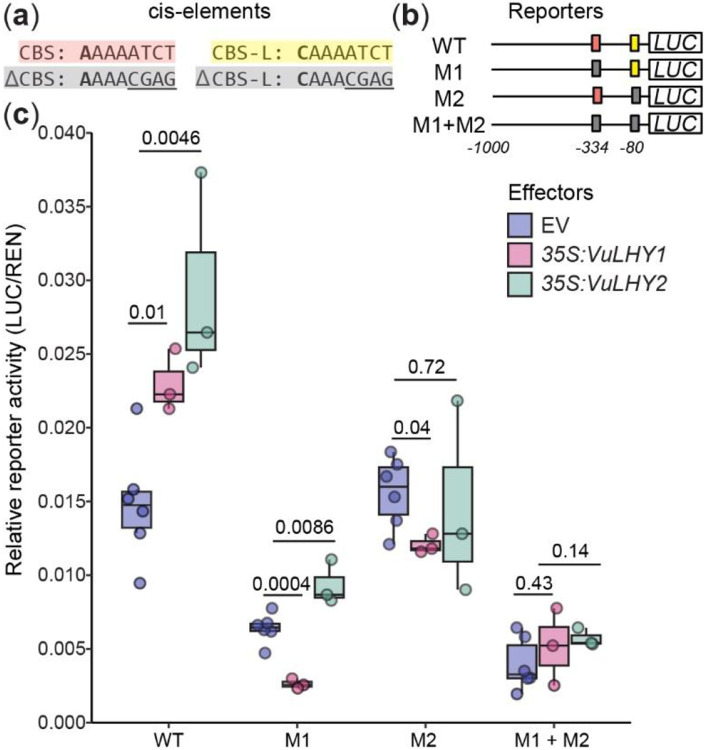
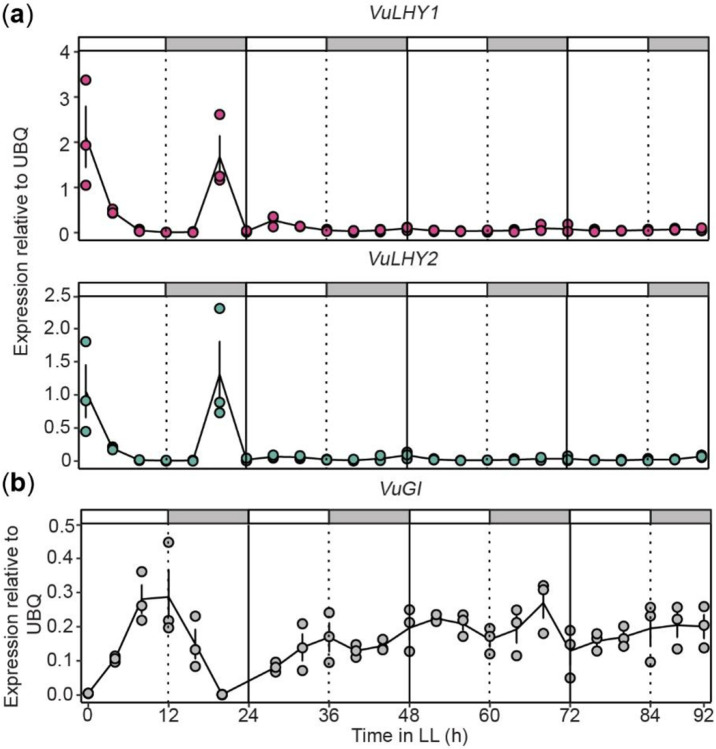
Plants activate induced defenses through the recognition of molecular patterns. Like pathogen-associated molecular patterns (PAMPs), herbivore-associated molecular patterns (HAMPs) can be recognized by cell surface pattern recognition receptors leading to defensive transcriptional changes in host plants. Herbivore-induced defensive outputs are regulated by the circadian clock, but the underlying molecular mechanisms remain unknown. To investigate how the plant circadian clock regulates transcriptional reprogramming of a specific HAMP-induced pathway, we characterized the daytime and nighttime transcriptional response to caterpillar-derived In11 peptide, in the legume crop cowpea (). Using diurnal and free-running conditions, we found that daytime In11 elicitation resulted in stronger late-induced gene expression than nighttime. Plants with a conditional arrhythmic phenotype in constant light (LL) conditions lost time-of-day dependent responses to In11 treatment, and this was associated with arrhythmic expression of circadian clock core transcription factor and . Reporter assays with VuLHY homologs indicated that they interact with the promoter of daytime In11-induced via a canonical and a polymorphic CCA1/LHY Binding Site (CBS), consistent with a mechanism of direct regulation by circadian clock transcription factors. This study improves our understanding of the time-dependent mechanisms that regulate herbivore-induced gene expression.
植物通过识别分子模式来激活诱导防御。与病原体相关分子模式(PAMPs)一样,食草动物相关分子模式(HAMPs)可被细胞表面模式识别受体识别,从而导致宿主植物发生防御性转录变化。食草动物诱导的防御输出受生物钟调控,但其潜在分子机制仍不清楚。为了研究植物生物钟如何调节特定HAMPs诱导途径的转录重编程,我们对豆科作物豇豆中毛虫来源的In11肽的白天和夜间转录反应进行了表征。利用昼夜和自由运行条件,我们发现白天In11诱导比夜间诱导产生更强的晚期诱导基因表达。在持续光照(LL)条件下具有条件性无节律表型的植物失去了对In11处理的日依赖性反应,这与生物钟核心转录因子和的无节律表达有关。对VuLHY同源物的报告基因分析表明,它们通过一个典型的和一个多态性的CCA1/LHY结合位点(CBS)与白天In11诱导的启动子相互作用,这与生物钟转录因子直接调控的机制一致。这项研究增进了我们对调节食草动物诱导基因表达的时间依赖性机制的理解。