Parthasarathy Haritha, Modak Akshara, Yarmunja Mahabala Karuna, Natarajan Srikant, Baliga Shrikala, Thomas Manuel, Rao Ashwin, Nayak Anupama
Manipal College of Dental Sciences, Mangalore, Manipal Academy of Higher Education, Manipal, Karnataka, 576104, India.
Department of Pediatric and Preventive Dentistry, Manipal College of Dental Sciences, Mangalore, Manipal Academy of Higher Education, Manipal, Karnataka, 576104, India.
BDJ Open. 2024 Nov 24;10(1):86. doi: 10.1038/s41405-024-00271-y.
Mineral Trioxide Aggregate (MTA) is a calcium silicate-based cement that potentially exhibits improved washout resistance when carboxymethyl chitosan or gelatin is incorporated. Gel-form MTA is a novel mineral trioxide aggregate formulated using construction industry-based technology. The present study was conducted to comparatively evaluate the sealing ability and adaptation to dentinal walls of gel-form MTA.
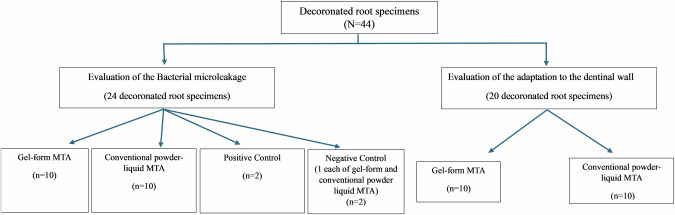
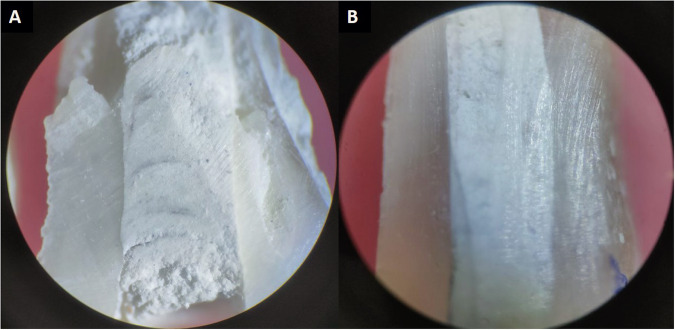
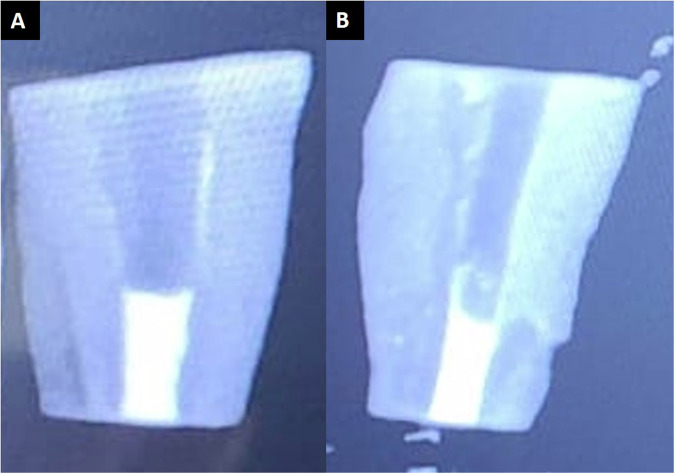
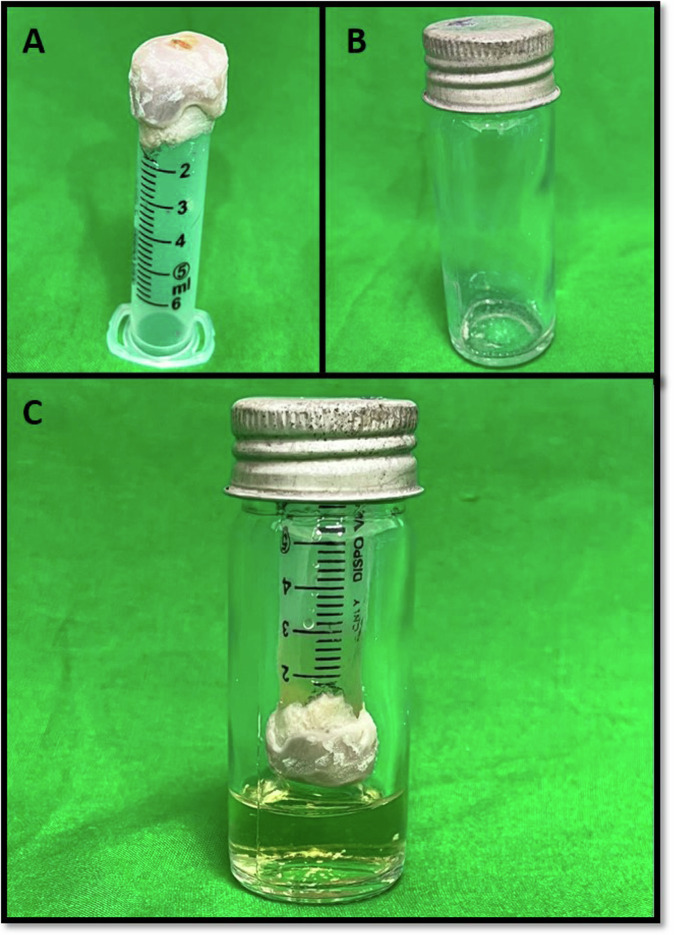
This in-vitro study consisted of two groups: gel-form MTA and the conventional powder-liquid MTA. 10 samples per group were used for each of the tested parameters. Adaptation of the MTA to the dentinal walls was tested under the light microscope and measured using Image J software. Sealing ability was evaluated using a single aerobic bacterial leakage model. Appropriate statistical analysis was done for the obtained data. Adaptation of the MTA was analyzed using independent t-test and Friedman test, whereas the bacterial leakage was analyzed using chi-square test.
On comparison of the adaptation property at coronal and apical thirds, there was no statistically significant difference between the groups (p = 0.071 and p = 0.638, respectively). However, while comparing the same in the middle one-third of the root, lesser gaps were identified in the gel-form MTA group (p = 0.013). One sample belonging to the conventional powder-liquid MTA group showed significant turbidity during bacteria leakage evaluation (p = 0.001) with the presence of E. faecalis in the count of 10 colony forming units/milliliter.
The gel-form MTA shows a better adaptation to the dentinal walls at the middle third of the root and exhibits better sealing ability against bacterial leakage when tested for E. faecalis. The adaptation of gel-form MTA at coronal and apical third of the root was comparable to the conventional powder-liquid MTA.
三氧化矿物凝聚体(MTA)是一种硅酸钙基水门汀,当加入羧甲基壳聚糖或明胶时,其抗冲洗性可能会提高。凝胶状MTA是一种采用建筑行业技术配制的新型三氧化矿物凝聚体。本研究旨在比较评估凝胶状MTA的封闭能力和对牙本质壁的适应性。
本体外研究分为两组:凝胶状MTA组和传统粉液型MTA组。每组10个样本用于每个测试参数。在光学显微镜下测试MTA对牙本质壁的适应性,并使用Image J软件进行测量。使用单一需氧菌渗漏模型评估封闭能力。对获得的数据进行适当的统计分析。使用独立t检验和Friedman检验分析MTA的适应性,而使用卡方检验分析细菌渗漏情况。
比较冠部和根尖三分之一处的适应性时,两组之间无统计学显著差异(分别为p = 0.071和p = 0.638)。然而,在比较牙根中三分之一处时,凝胶状MTA组的间隙较小(p = 0.013)。在细菌渗漏评估期间,属于传统粉液型MTA组的一个样本出现明显浑浊(p = 0.001),粪肠球菌计数为每毫升10个菌落形成单位。
凝胶状MTA在牙根中三分之一处对牙本质壁的适应性更好,在针对粪肠球菌进行测试时,对细菌渗漏表现出更好的封闭能力。凝胶状MTA在牙根冠部和根尖三分之一处的适应性与传统粉液型MTA相当。