Armit Ian, Fischer Claire-Elise, Koon Hannah, Nicholls Rebecca, Olalde Iñigo, Rohland Nadin, Buckberry Jo, Montgomery Janet, Mason Philip, Črešnar Matija, Büster Lindsey, Reich David
Department of Archaeology, University of York, King's Manor, York, United Kingdom YO1 7EP.
School of Archaeological and Forensic Sciences, University of Bradford, Bradford, West Yorkshire, United Kingdom BD7 1DP.
Antiquity. 2023 Apr;97(392):403-418. doi: 10.15184/aqy.2023.2. Epub 2023 Feb 17.
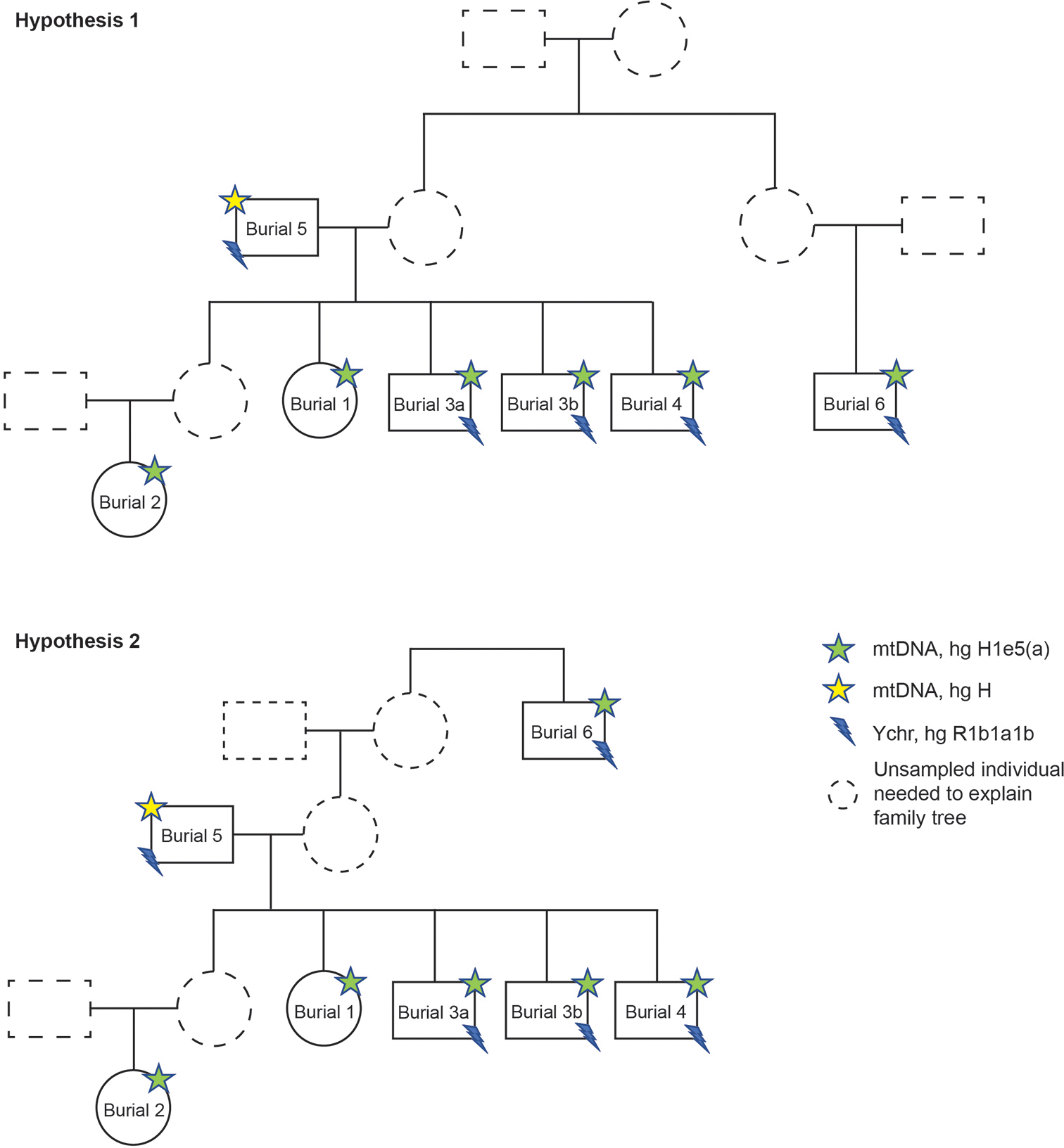
DNA analysis demonstrates that all seven individuals buried in an Early Iron Age barrow at Dolge njive, southeast Slovenia, are close biological relatives. Although group composition does not suggest strict adherence to a patrilineal or matrilineal kinship system, the funerary tradition appears highly gendered, with family links through both the male and female line being important in structuring communities. We explore the implications for our understandings of kinship and funerary practices in Early Iron Age southeast Europe.
DNA分析表明,埋葬在斯洛文尼亚东南部多尔格尼耶夫的一座早期铁器时代古墓中的所有七个人都是近亲。尽管群体构成并不表明严格遵循父系或母系亲属制度,但丧葬传统似乎具有很强的性别特征,通过父系和母系的家族联系在构建社区方面都很重要。我们探讨了这对我们理解早期铁器时代东南欧亲属关系和丧葬习俗的意义。