Department of Historical Studies, University of Gothenburg, Gothenburg, Sweden.
Department of Genetics, Harvard Medical School, Boston, MA, United States of America.
PLoS One. 2020 Nov 16;15(11):e0241278. doi: 10.1371/journal.pone.0241278. eCollection 2020.
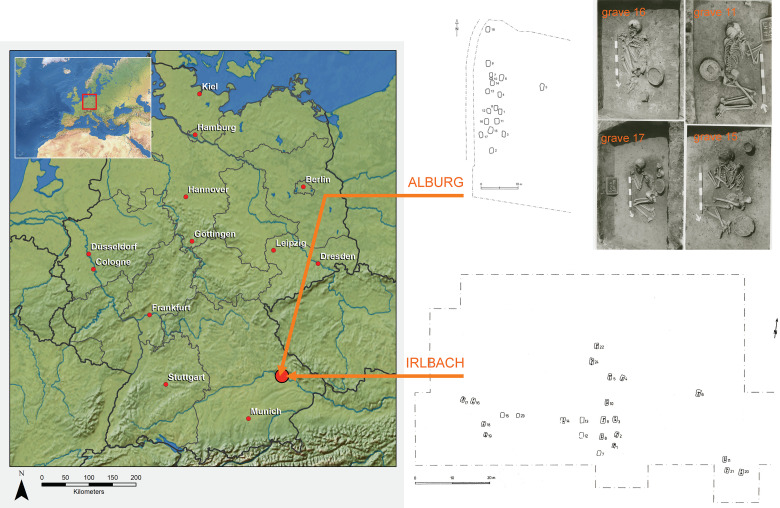
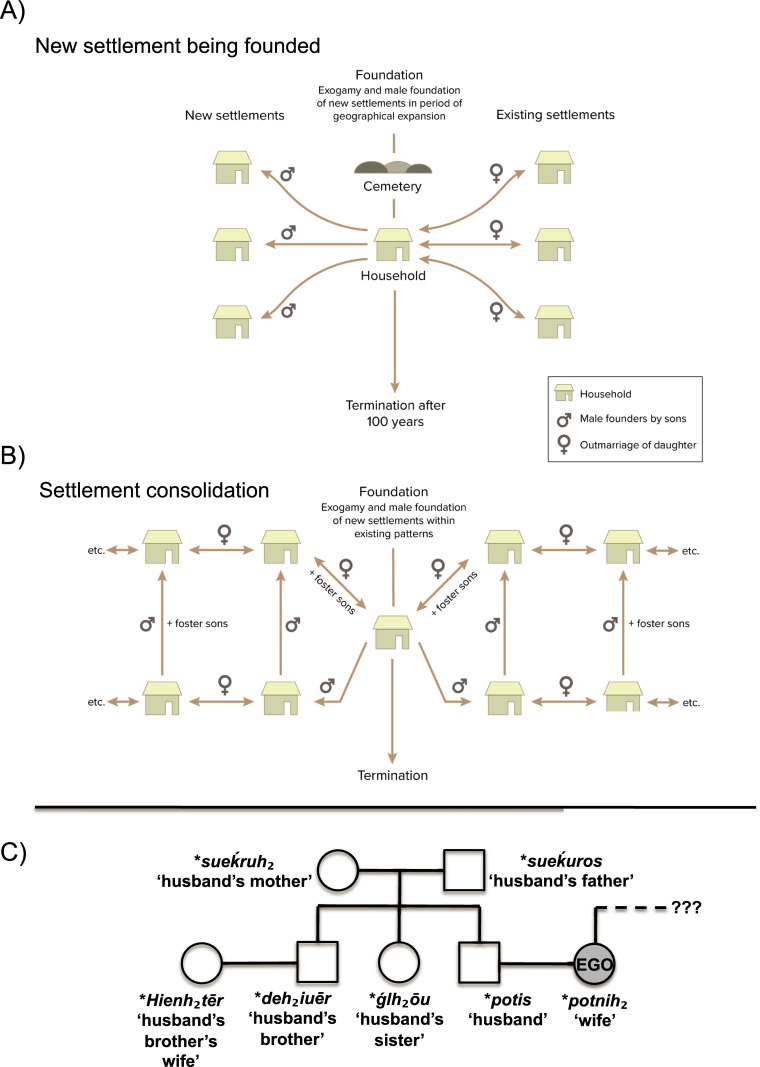
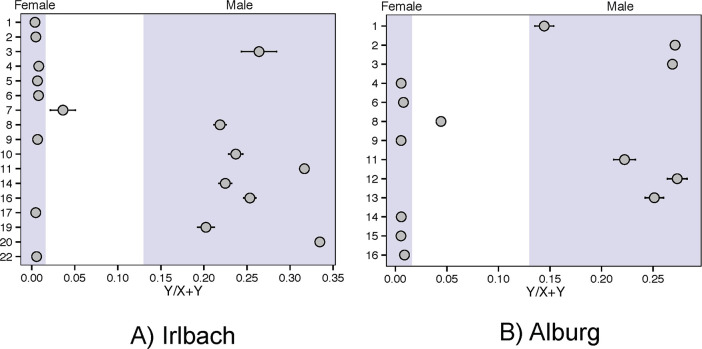
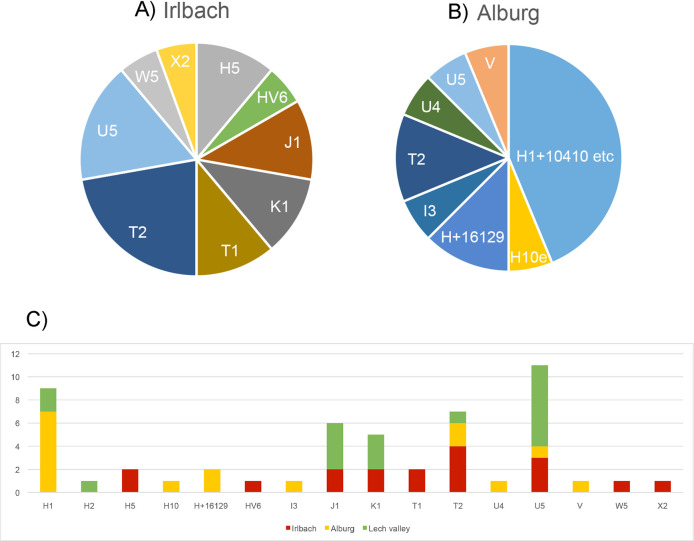
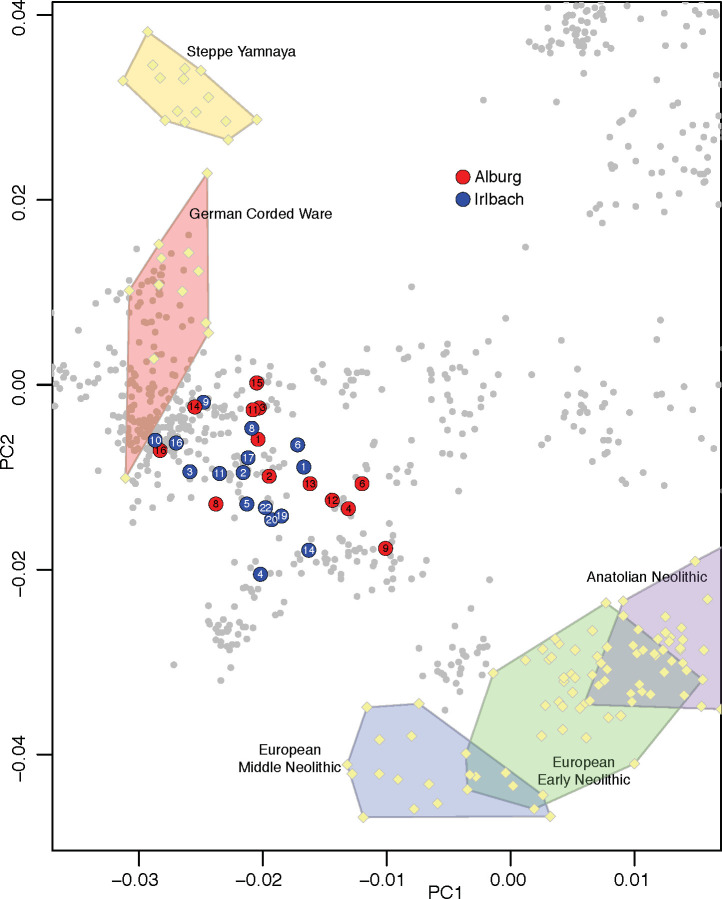
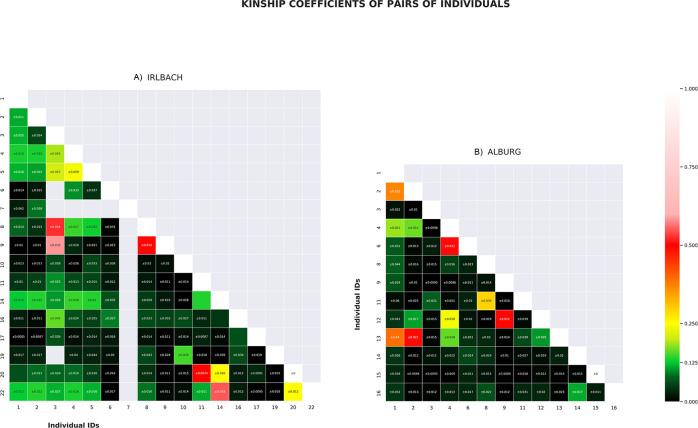
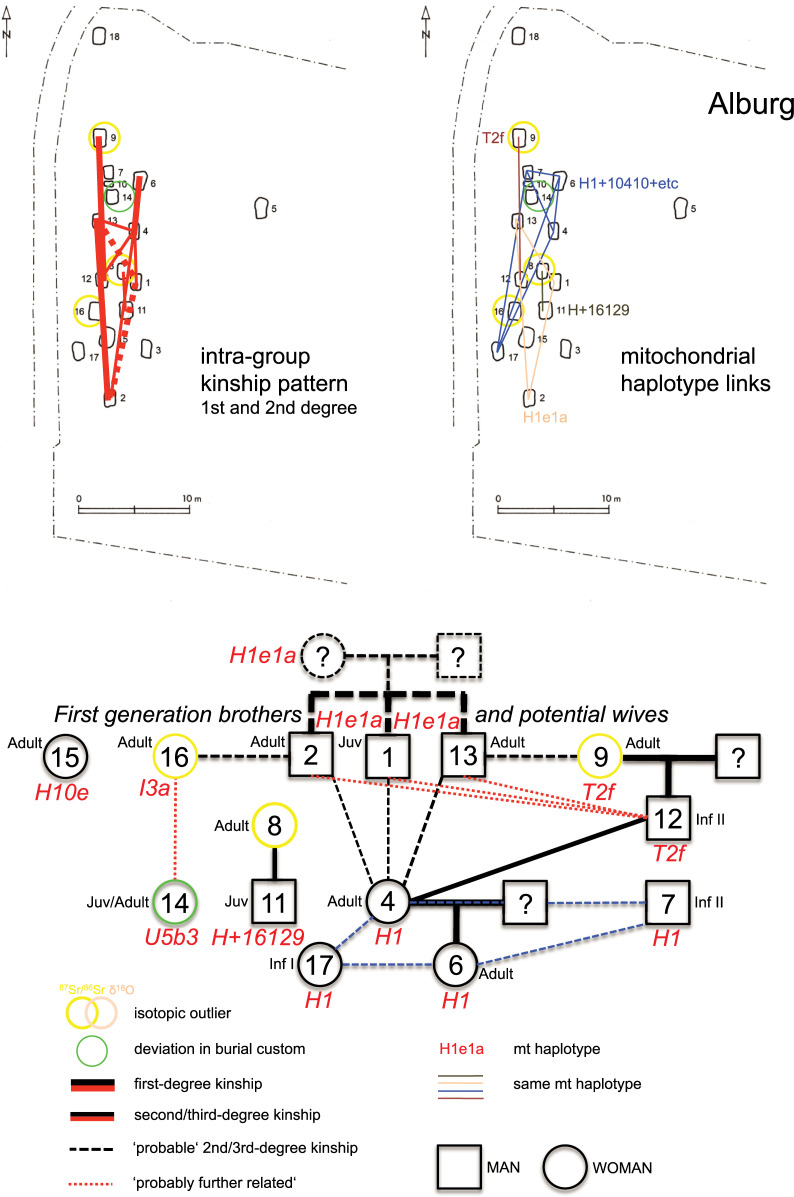
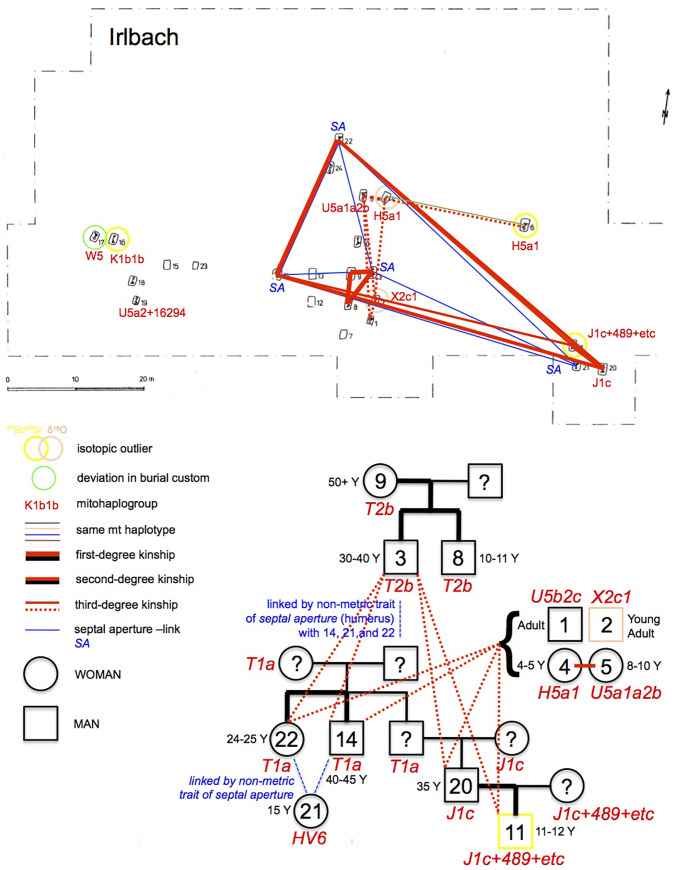
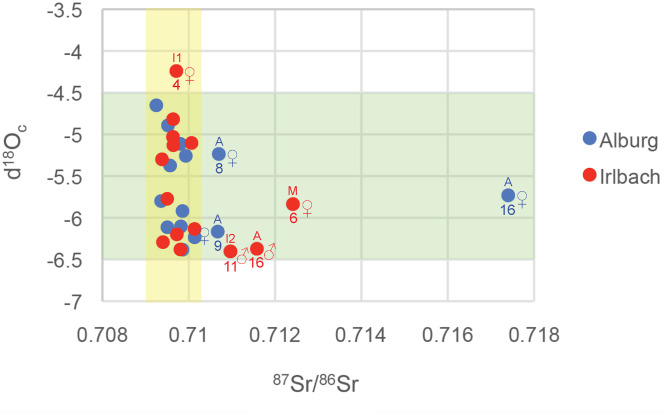
We present a high-resolution cross-disciplinary analysis of kinship structure and social institutions in two Late Copper Age Bell Beaker culture cemeteries of South Germany containing 24 and 18 burials, of which 34 provided genetic information. By combining archaeological, anthropological, genetic and isotopic evidence we are able to document the internal kinship and residency structure of the cemeteries and the socially organizing principles of these local communities. The buried individuals represent four to six generations of two family groups, one nuclear family at the Alburg cemetery, and one seemingly more extended at Irlbach. While likely monogamous, they practiced exogamy, as six out of eight non-locals are women. Maternal genetic diversity is high with 23 different mitochondrial haplotypes from 34 individuals, whereas all males belong to one single Y-chromosome haplogroup without any detectable contribution from Y-chromosomes typical of the farmers who had been the sole inhabitants of the region hundreds of years before. This provides evidence for the society being patrilocal, perhaps as a way of protecting property among the male line, while in-marriage from many different places secured social and political networks and prevented inbreeding. We also find evidence that the communities practiced selection for which of their children (aged 0-14 years) received a proper burial, as buried juveniles were in all but one case boys, suggesting the priority of young males in the cemeteries. This is plausibly linked to the exchange of foster children as part of an expansionist kinship system which is well attested from later Indo-European-speaking cultural groups.
我们呈现了对德国南部两个晚期铜器时代有柄杯文化墓地(分别包含 24 个和 18 个墓穴,其中 34 个提供了遗传信息)的亲属结构和社会制度的高分辨率跨学科分析。通过结合考古学、人类学、遗传学和稳定同位素证据,我们能够记录墓地的内部亲属关系和居住结构,以及这些地方社区的社会组织原则。这些埋葬的个体代表了两个家庭群体的四到六代人,一个在阿尔堡墓地的核心家庭,另一个在伊尔巴赫似乎更扩展。虽然可能是一夫一妻制,但他们实行外婚制,因为 8 个非本地人中有 6 个是女性。母系遗传多样性很高,34 个人中有 23 个不同的线粒体单倍型,而所有男性都属于一个单一的 Y 染色体单倍群,没有任何可检测到的来自该地区数百年前唯一居民农民的 Y 染色体的贡献。这为社会是父系的提供了证据,也许是保护男性后代财产的一种方式,而来自许多不同地方的婚姻内婚制则确保了社会和政治网络,并防止了近亲繁殖。我们还发现了一些证据,表明这些社区对他们的孩子(0-14 岁)中谁将得到适当的埋葬进行了选择,因为除了一个案例外,所有埋葬的青少年都是男孩,这表明在墓地中年轻男性的优先权。这可能与寄养儿童的交换有关,这是后来讲印欧语系的文化群体中得到充分证明的扩张亲属制度的一部分。