Li Chao, Tan Zizheng, Li Hongdou, Yao Xiaoying, Peng Chuyue, Qi Yue, Wu Bo, Zhao Tongjin, Li Chentao, Shen Jianfeng, Wang Hongyan
Obstetrics and Gynecology Hospital, State Key Laboratory of Genetic Engineering, Children's Hospital, and.
Shanghai Key Laboratory of Metabolic Remodeling and Health, Institute of Metabolism and Integrative Biology, Fudan University, Shanghai, China.
J Clin Invest. 2024 Nov 25;135(1):e178355. doi: 10.1172/JCI178355.
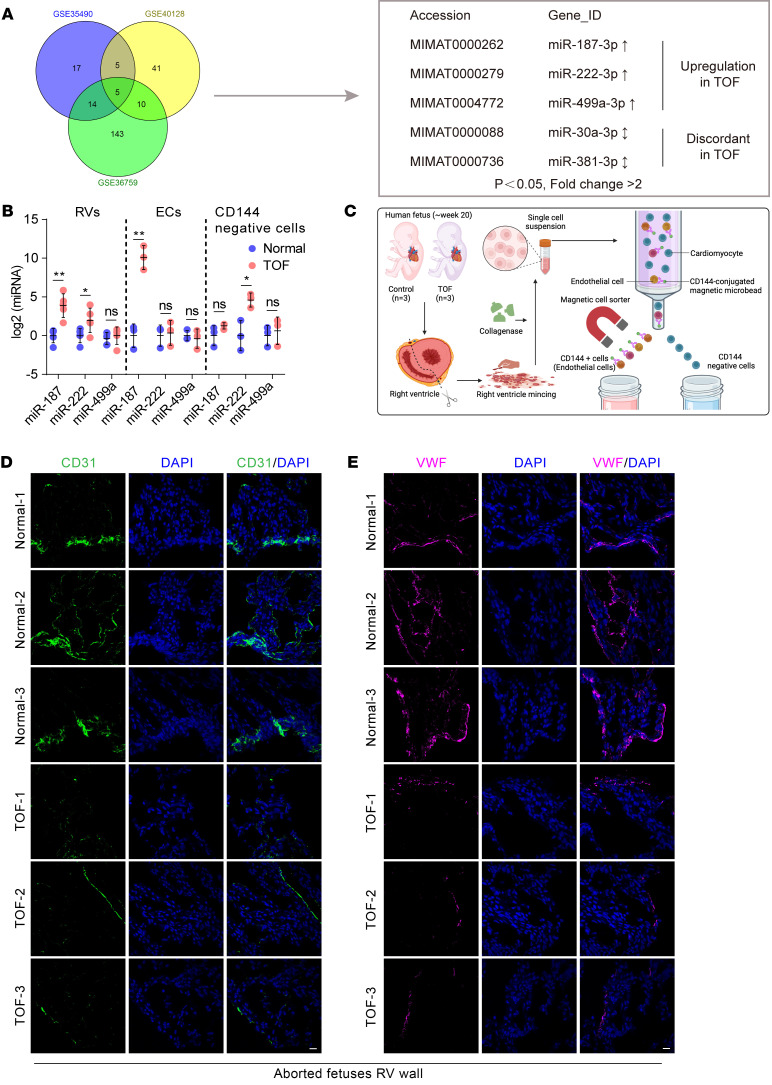
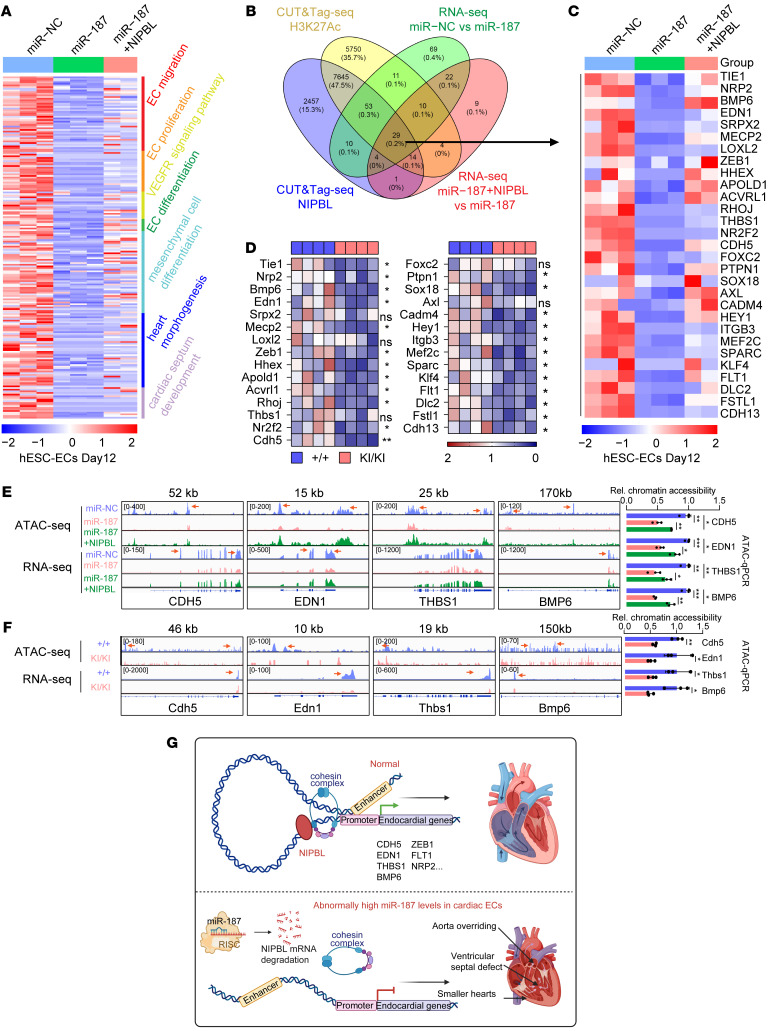
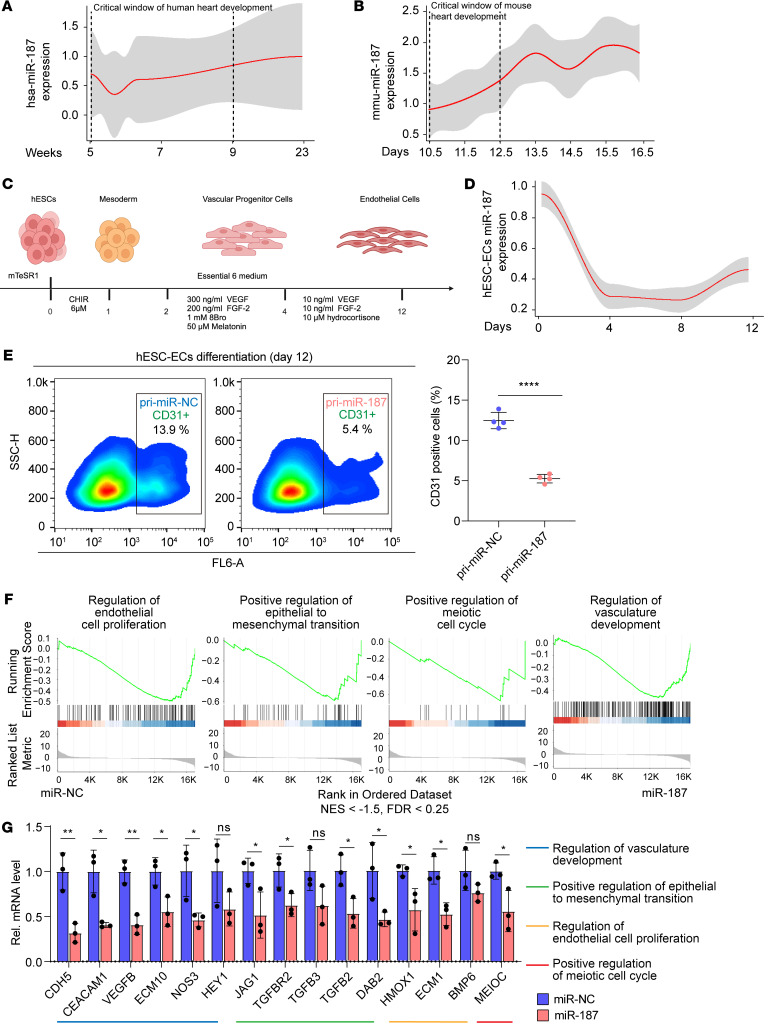
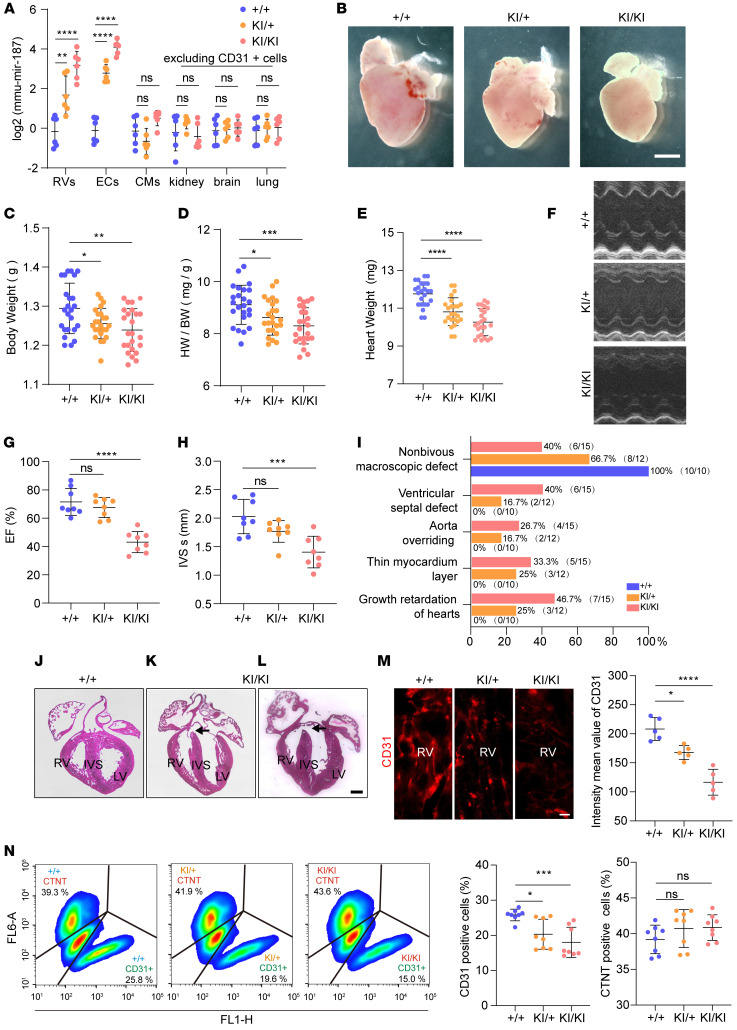
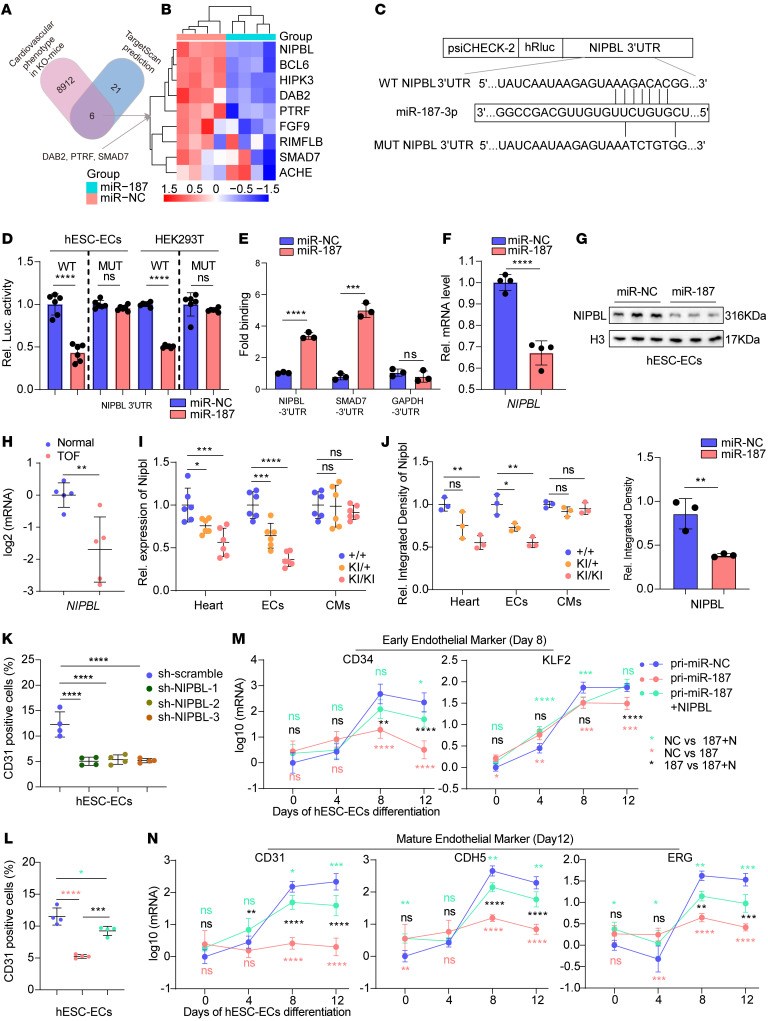
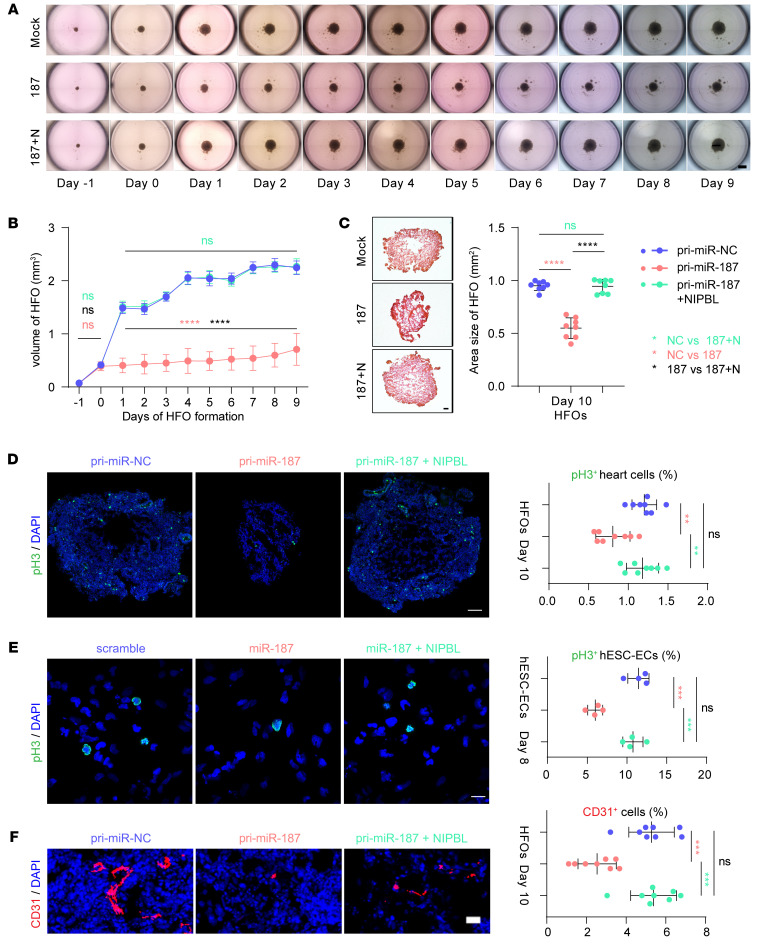
Cardiac endothelial cells are essential for heart development, and disruption of this process can lead to congenital heart disease (CHD). However, how microRNAs influence cardiac endothelial cells in CHD remains unclear. This study identified elevated microRNA-187 (miR-187) expression in embryonic heart endothelial cells from CHD fetuses. Using a conditional knockin model, we showed that increased miR-187 levels in embryonic endothelial cells induce CHD in homozygous fetal mice, closely mirroring human CHD. Mechanistically, miR-187 targets NIPBL, which is responsible for recruiting the cohesin complex and facilitating chromatin accessibility. Consequently, the endothelial cell-specific upregulation of miR-187 inhibited NIPBL, leading to reduced chromatin accessibility and impaired gene expression, which hindered endothelial cell development and ultimately caused heart septal defects and reduced heart size both in vitro and in vivo. Importantly, exogenous miR-187 expression in human cardiac organoids mimicked developmental defects in the cardiac endothelial cells, and this was reversible by NIPBL replenishment. Our findings establish the miR-187/NIPBL axis as a potent regulator that inhibits cardiac endothelial cell development by attenuating the transcription of numerous endothelial genes, with our mouse and human cardiac organoid models effectively replicating severe defects from minor perturbations. This discovery suggests that targeting the miR-187/NIPBL pathway could offer a promising therapeutic approach for CHD.
心脏内皮细胞对心脏发育至关重要,这一过程的破坏可导致先天性心脏病(CHD)。然而,微小RNA如何影响CHD中的心脏内皮细胞仍不清楚。本研究发现CHD胎儿胚胎心脏内皮细胞中微小RNA-187(miR-187)表达升高。使用条件性敲入模型,我们表明胚胎内皮细胞中miR-187水平升高会在纯合子胎鼠中诱发CHD,与人类CHD极为相似。从机制上讲,miR-187靶向NIPBL,NIPBL负责募集黏连蛋白复合物并促进染色质可及性。因此,miR-187在内皮细胞中的特异性上调抑制了NIPBL,导致染色质可及性降低和基因表达受损,从而阻碍了内皮细胞发育,并最终在体外和体内导致心脏间隔缺损和心脏尺寸减小。重要的是,人心脏类器官中外源miR-187的表达模拟了心脏内皮细胞中的发育缺陷,而通过补充NIPBL可使其逆转。我们的研究结果确立了miR-187/NIPBL轴作为一种强大的调节因子,它通过减弱众多内皮基因的转录来抑制心脏内皮细胞发育,我们的小鼠和人心脏类器官模型有效地从微小扰动中复制出严重缺陷。这一发现表明,靶向miR-187/NIPBL途径可能为CHD提供一种有前景的治疗方法。