Li Zhengzhong, Luo Weizhu, Zhou Qunlan, Sun Cunxin, Zheng Xiaochuan, Liu Bo, Mpange Kaunda, Zhu Aimin, Wang Aimin
Key Laboratory of Freshwater Fisheries and Germplasm Resources Utilization, Ministry of Agriculture and Rural Affairs, Freshwater Fisheries Research Center, Chinese Academy of Fishery Sciences, Wuxi 214081, China.
Wuxi Fisheries College, Nanjing Agricultural University, Wuxi 214081, China.
Antioxidants (Basel). 2024 Nov 5;13(11):1355. doi: 10.3390/antiox13111355.
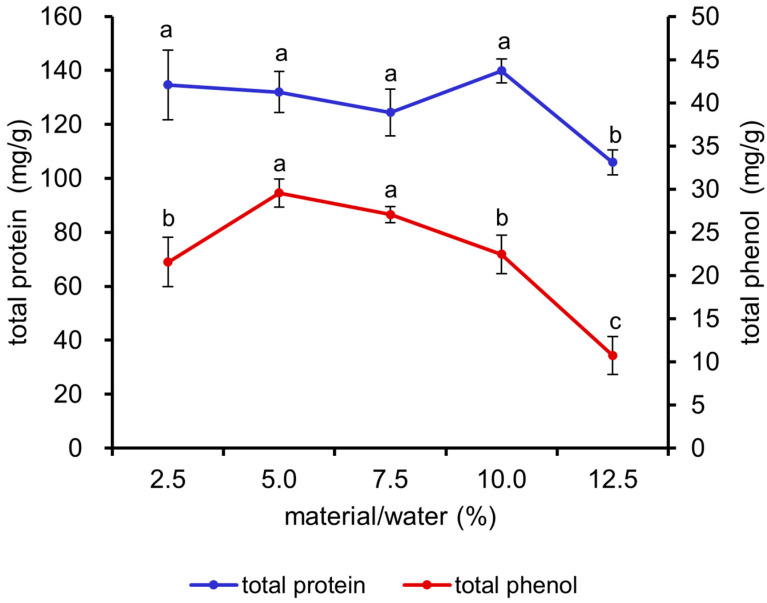
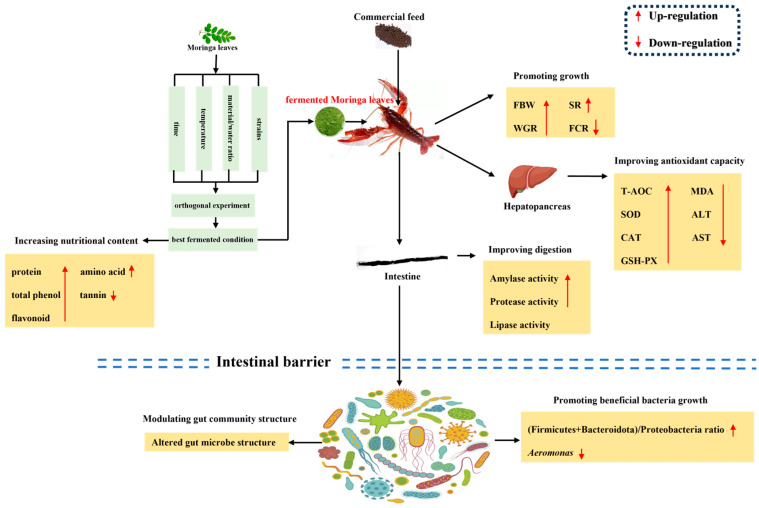
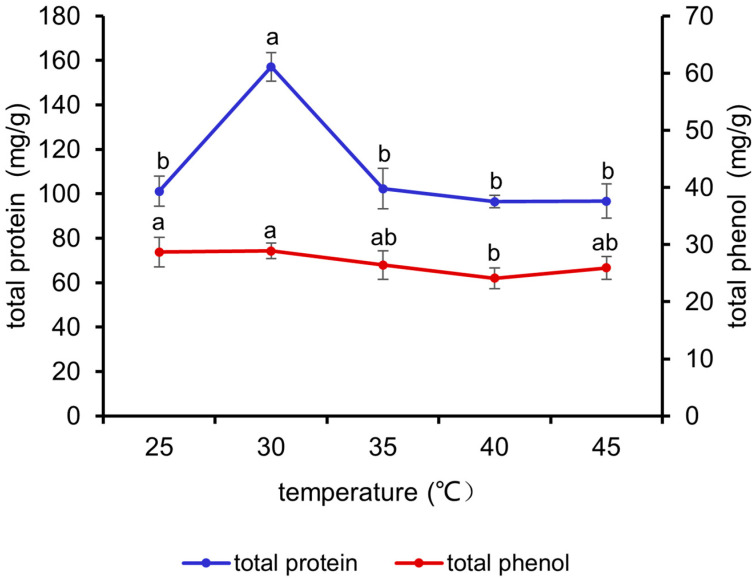
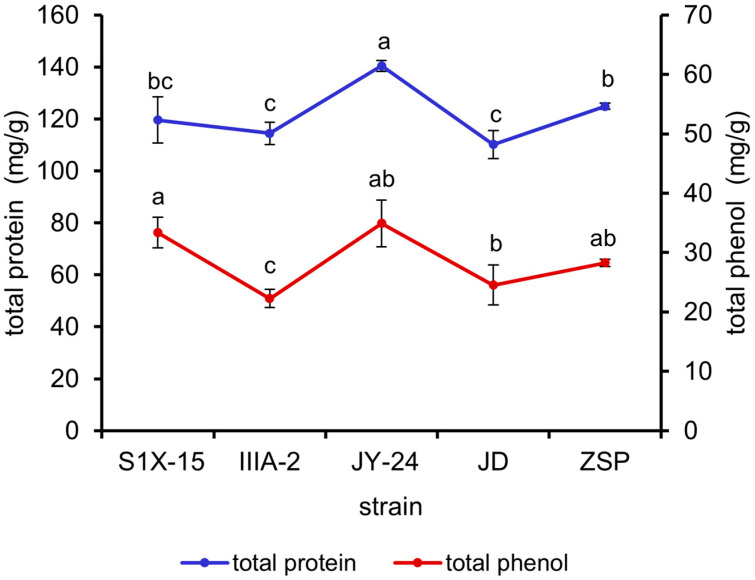
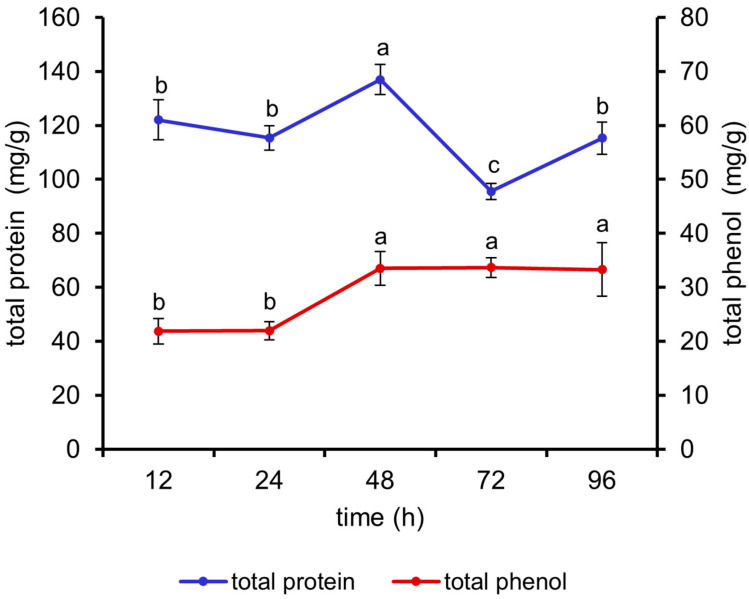
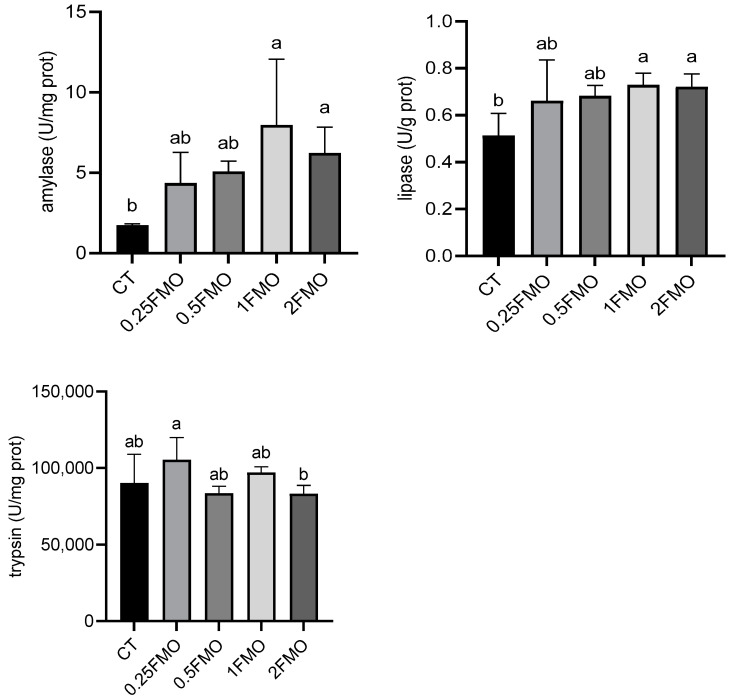
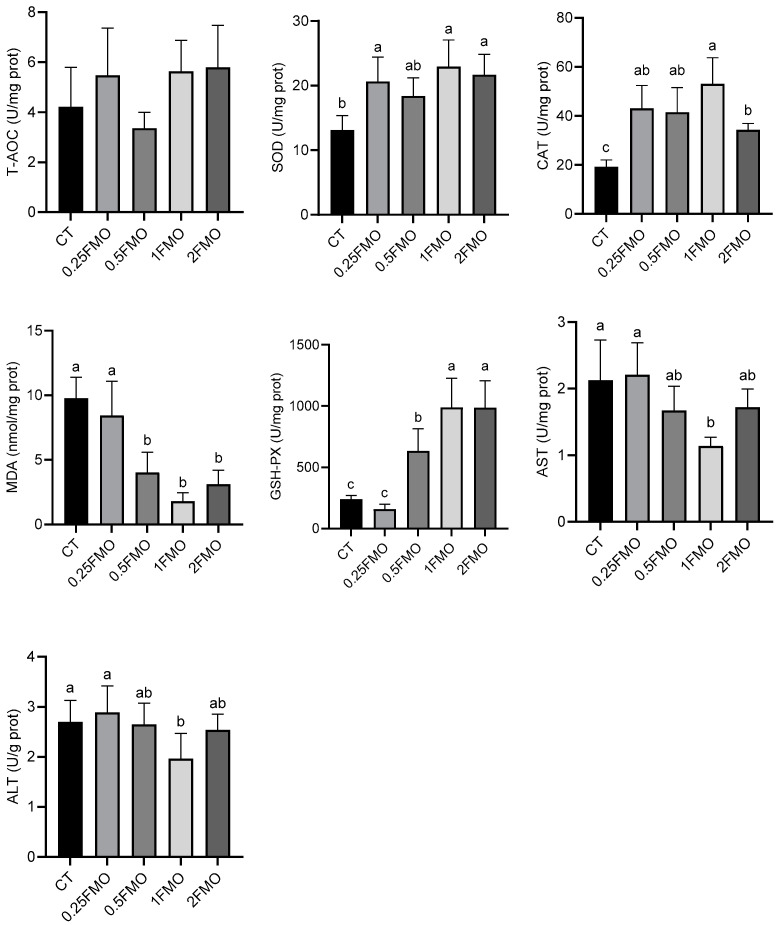
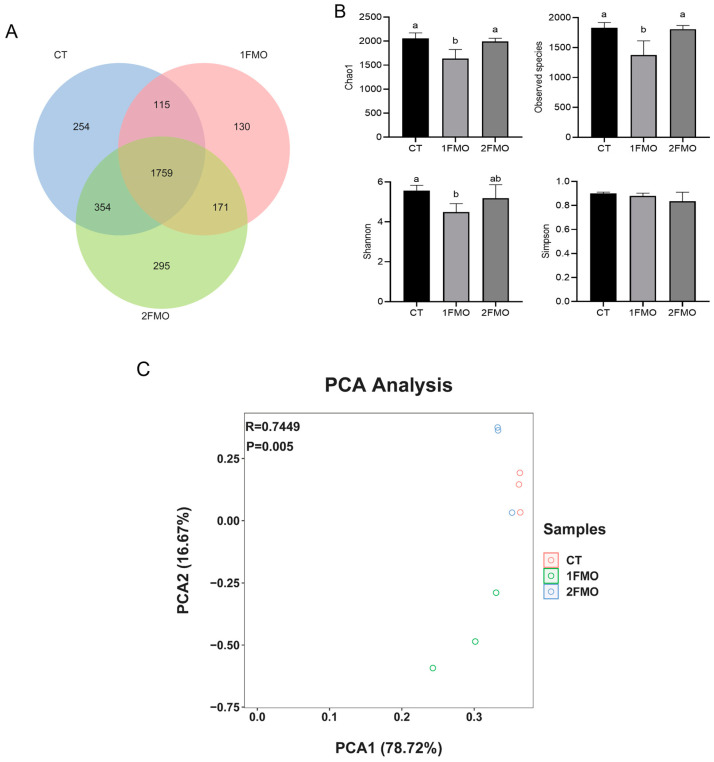
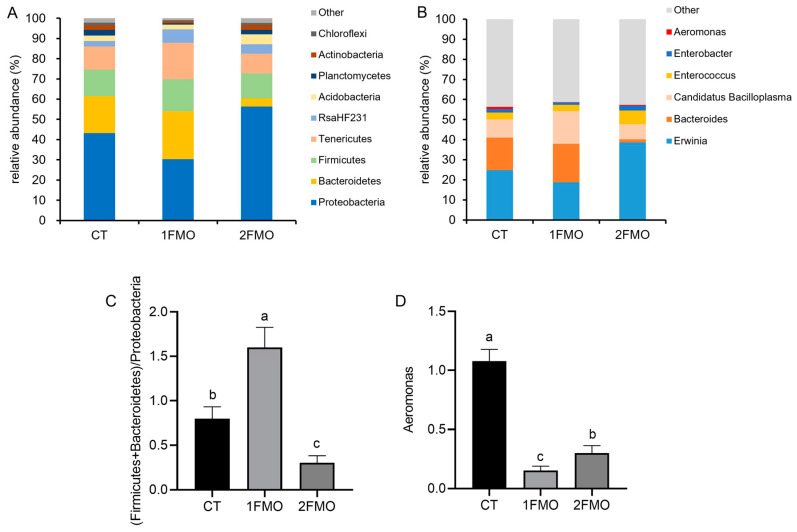
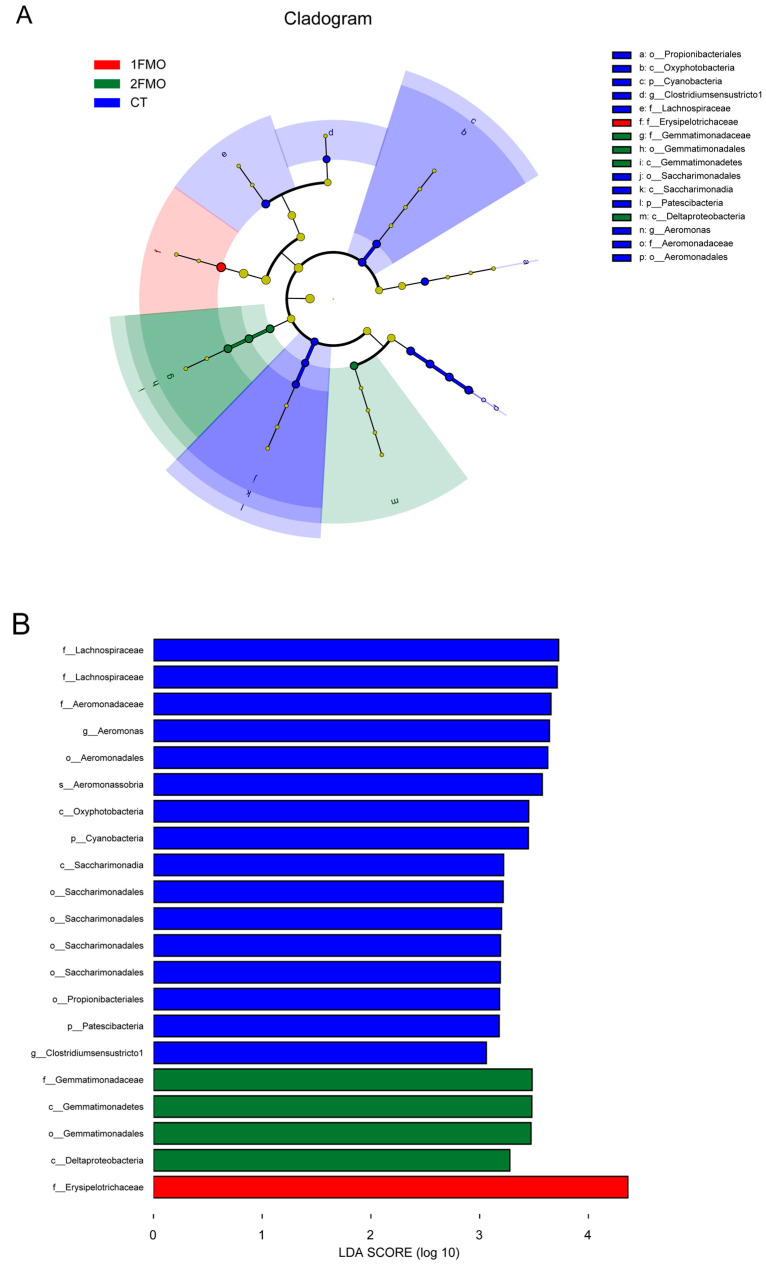
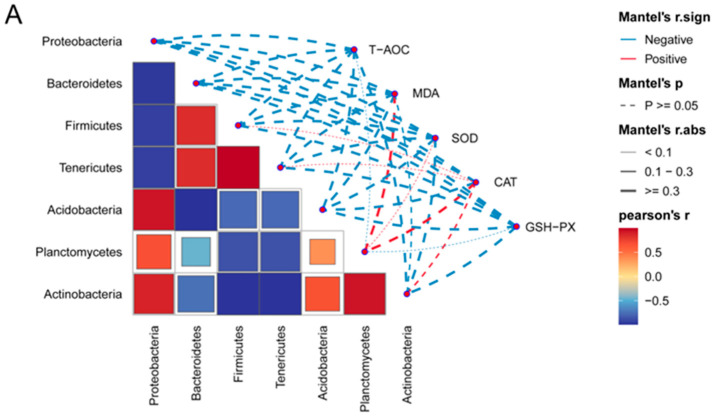
is renowned for its high antioxidant activity. However, few studies have been conducted on its effects on aquatic animals. The aim of this experiment was to investigate the optimal fermentation process of leaves and to evaluate the effects of fermented leaves on crayfish (9.11 ± 0.3 g) in terms of growth performance, antioxidant capacity, and gut microbiological parameters. By optimizing the fermenting material/water ratio, fermentation time, temperature, and strain, the optimal fermentation conditions of a 10% water ratio + 48 h + 30 °C + inoculation with 2% (10 CFU mL) were obtained. These conditions resulted in notable increases in the contents of the total protein, total phenols, flavonoids, and amino acids ( < 0.05) while also leading to a notable decrease in the content of tannins in contrast to those of unfermented leaves ( < 0.05). The fermented (FMO) leaves were incorporated at five concentrations, including 0% (control (CT)), 0.25% (0.25FMO), 0.5% (0.5FMO), 1% (1FMO), and 2% (2FMO). The results showed that the 1FMO group performed better in terms of the final body weight (FBW), weight gain rate (WGR), and specific weight gain rate (SGR) compared with the CT group ( < 0.05). In addition, amylase and lipase activities were significantly higher in the 1FMO and 2FMO groups compared with the other groups ( < 0.05). The fermented leaves significantly increased the catalase (CAT) activity in the crayfish ( < 0.05). The superoxide dismutase (SOD) activity was significantly increased in the 0.25FMO, 1FMO, and 2FMO groups, and the malondialdehyde (MDA) content was significantly decreased while the glutathione peroxidase (GSH-Px) content was significantly increased in the 0.5FMO, 1FMO, and 2FMO groups ( < 0.05). Furthermore, the 1FMO group was observed to significantly increase the abundance of Firmicutes while simultaneously reducing the abundance of ( < 0.05) and adjusting the structure of the intestinal microbiome. In conclusion, this study established the optimal fermentation conditions for and obtained a product with high nutrient and low tannin contents. Furthermore, the incorporation of 1% FMO was demonstrated to facilitate growth, enhance the antioxidant capacity, and optimize the gut microbiology in crayfish.
以其高抗氧化活性而闻名。然而,关于其对水生动物影响的研究却很少。本实验的目的是研究[植物名称]叶的最佳发酵工艺,并从生长性能、抗氧化能力和肠道微生物参数方面评估发酵[植物名称]叶对小龙虾(9.11±0.3克)的影响。通过优化发酵物料/水比例、发酵时间、温度和菌株,获得了水比例10%+48小时+30℃+接种2%[菌株名称](10CFU/mL)的最佳发酵条件。与未发酵的[植物名称]叶相比,这些条件导致总蛋白、总酚、黄酮类化合物和氨基酸含量显著增加(P<0.05),同时单宁含量显著降低(P<0.05)。将发酵[植物名称](FMO)叶以五种浓度掺入,包括0%(对照(CT))、0.25%(0.25FMO)、0.5%(0.5FMO)、1%(1FMO)和2%(2FMO)。结果表明,与CT组相比,1FMO组在最终体重(FBW)、增重率(WGR)和特定增重率(SGR)方面表现更好(P<0.05)。此外,1FMO和2FMO组的淀粉酶和脂肪酶活性显著高于其他组(P<0.05)。发酵[植物名称]叶显著提高了小龙虾体内的过氧化氢酶(CAT)活性(P<0.05)。超氧化物歧化酶(SOD)活性在0.25FMO、1FMO和2FMO组中显著增加,丙二醛(MDA)含量显著降低,而谷胱甘肽过氧化物酶(GSH-Px)含量在0.5FMO、1FMO和2FMO组中显著增加(P<0.05)。此外,观察到1FMO组显著增加了厚壁菌门的丰度,同时降低了[某种菌门名称]的丰度(P<0.05),并调整了肠道微生物群的结构。总之,本研究确定了[植物名称]的最佳发酵条件,并获得了一种营养高、单宁含量低的产品。此外,证明掺入1%FMO有助于小龙虾生长、增强抗氧化能力并优化肠道微生物群。