Connor Chloe, Kranert Michael, Mckelvie Sara, Clutterbuck Donna, McFarland Sammie, Alwan Nisreen A
Faculty of Medicine, School of Primary Care, Population Sciences and Medical Education, University of Southampton, Southampton, United Kingdom.
Department of Languages, Cultures and Linguistics, University of Southampton, Southampton, United Kingdom.
PLOS Glob Public Health. 2024 Nov 27;4(11):e0003126. doi: 10.1371/journal.pgph.0003126. eCollection 2024.
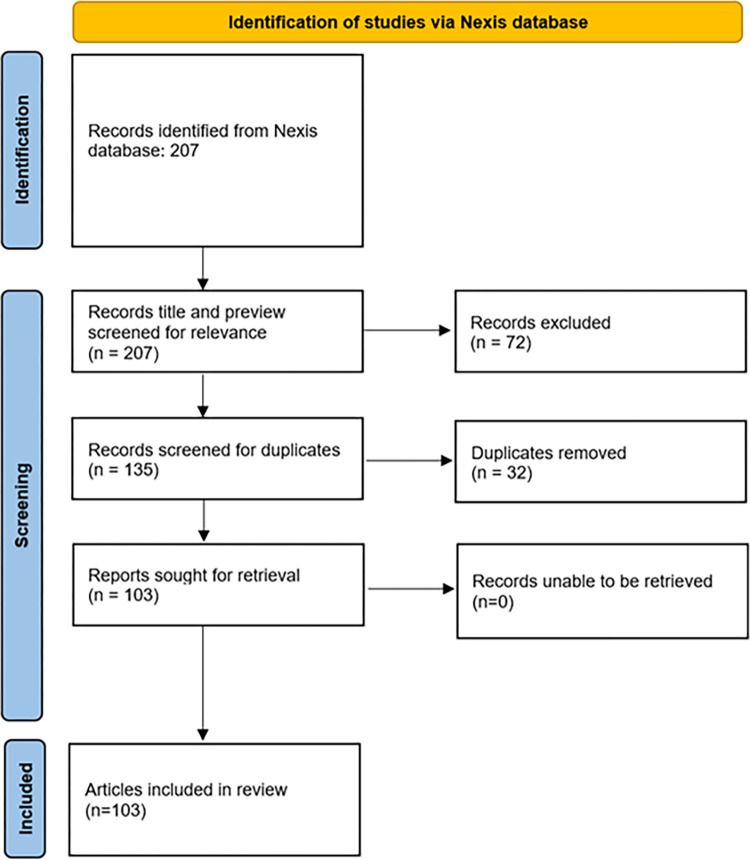
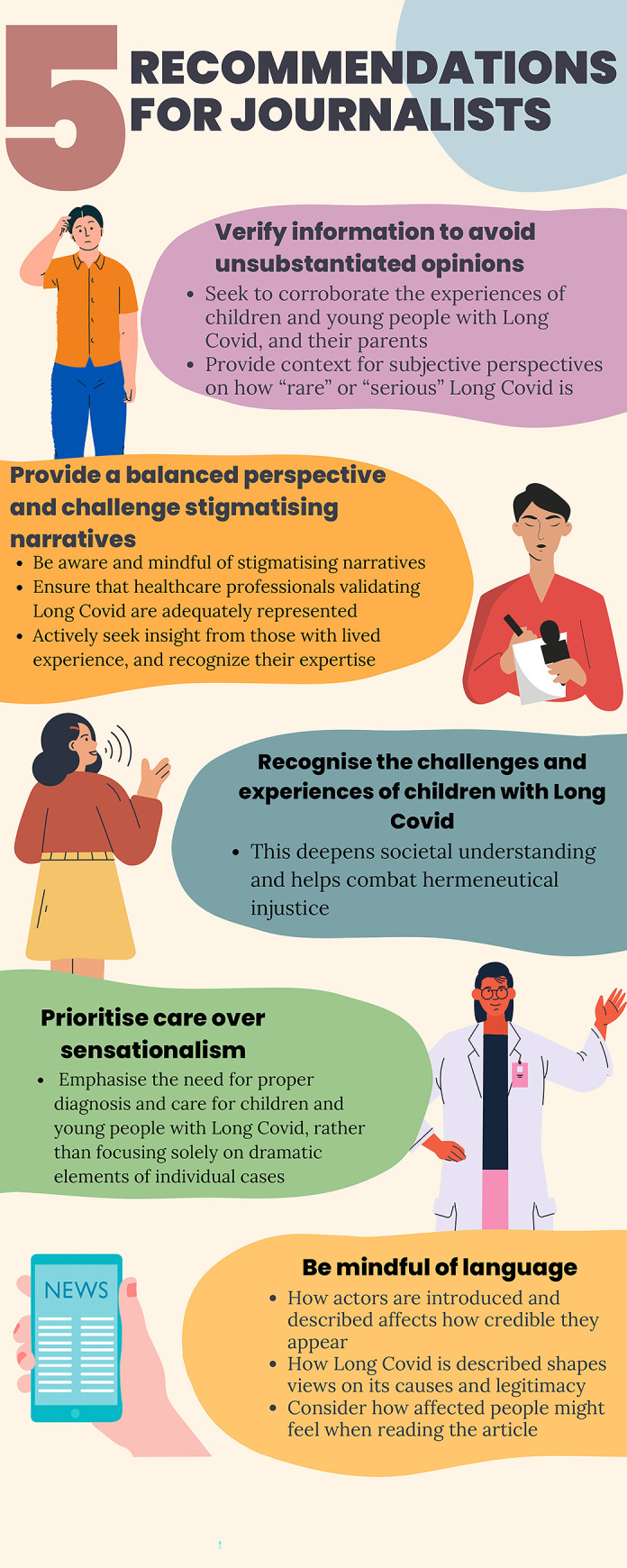
Long Covid is the continuation or development of symptoms related to a SARSCoV2 infection. Those with Long Covid may face epistemic injustice, where they are unjustifiably viewed as unreliable evaluators of their own illness experiences. Media articles both reflect and influence perception and subsequently how people regard children and young people (CYP) with Long Covid, and may contribute to epistemic injustice. We aimed to explore how the UK media characterises Long Covid in CYP through examining three key actor groups: parents, healthcare professionals, and CYP with Long Covid, through the lens of epistemic injustice. A systematic search strategy resulted in the inclusion of 103 UK media articles. We used an adapted corpus-assisted Critical Discourse Analysis in tandem with thematic analysis. Specifically, we utilised search terms to locate concordances of key actor groups. In the corpus, parents highlighted minimisation of Long Covid, barriers to care, and experiences of personal attacks. Mothers were presented as also having Long Covid. Fathers were unmentioned. Healthcare professionals emphasised the rarity of Long Covid in CYP, avoided pathologising Long Covid, and overemphasised psychological components. CYP were rarely consulted in media articles but were presented as formerly very able. Manifestations of Long Covid in CYP were validated or invalidated in relation to adults. Media characterisations contributed to epistemic injustice. The disempowering portrayal of parents promotes stigma and barriers to care. Healthcare professionals' narratives often contributed to negative healthcare experiences and enacted testimonial injustice, where CYP and parents' credibility was diminished due to unfair identity prejudice, in their invalidation of Long Covid. Media characterisations reveal and maintain a lack of societal framework for understanding Long Covid in CYP. The findings of this study illustrate the discursive practices employed by journalists that contribute to experiences of epistemic injustice. Based on our findings, we propose recommendations for journalists.
长新冠是与SARS-CoV-2感染相关症状的持续或发展。患有长新冠的人可能面临认知不公正,即他们被无端视为对自身疾病经历不可靠的评估者。媒体文章既反映又影响认知,进而影响人们对患有长新冠的儿童和年轻人(CYP)的看法,可能会导致认知不公正。我们旨在通过认知不公正的视角,研究英国媒体如何通过审视三个关键行为主体群体(父母、医疗保健专业人员和患有长新冠的CYP)来描述长新冠在CYP中的情况。系统的搜索策略导致纳入了103篇英国媒体文章。我们结合主题分析使用了改编后的语料库辅助批评话语分析。具体而言,我们使用搜索词来查找关键行为主体群体的语料库。在语料库中,父母强调了对长新冠的轻视、护理障碍以及个人攻击的经历。母亲也被描述为患有长新冠。未提及父亲。医疗保健专业人员强调长新冠在CYP中很罕见,避免将长新冠病态化,并过度强调心理因素。媒体文章很少征求CYP的意见,但将他们描述为以前非常健康。CYP中长新冠的表现相对于成年人被证实或否定。媒体的描述导致了认知不公正。对父母的贬低性描述加剧了耻辱感和护理障碍。医疗保健专业人员的叙述往往导致负面的医疗经历,并造成证言论不公正,即由于不公平的身份偏见,CYP和父母的可信度在他们否定长新冠时被削弱。媒体的描述揭示并维持了社会在理解CYP中的长新冠方面缺乏框架。这项研究的结果说明了记者所采用的话语实践如何导致认知不公正的经历。基于我们的研究结果,我们为记者提出了建议。