Ye Mao, Chao Xiaohuan, Ye Chutian, Guo Lijin, Fan Zhexia, Ma Xuerong, Liu Aijun, Liang Weiming, Chen Shuya, Fang Cheng, Zhang Xiquan, Luo Qingbin
College of Animal Science, South China Agricultural University, Guangzhou, PR China; State Key Laboratory of Livestock and Poultry Breeding, South China Agricultural University, Guangzhou, PR China; Guangdong Provincial Key Lab of Agro-Animal Genomics and Molecular Breeding and Key Lab of Chicken Genetics, Breeding and Reproduction, Ministry of Agriculture, Guangzhou, PR China.
State Key Laboratory of Livestock and Poultry Breeding, South China Agricultural University, Guangzhou, PR China; Guangdong Provincial Key Lab of Agro-Animal Genomics and Molecular Breeding and Key Lab of Chicken Genetics, Breeding and Reproduction, Ministry of Agriculture, Guangzhou, PR China.
Poult Sci. 2025 Jan;104(1):104533. doi: 10.1016/j.psj.2024.104533. Epub 2024 Nov 12.
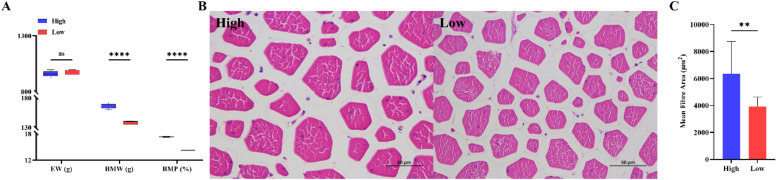
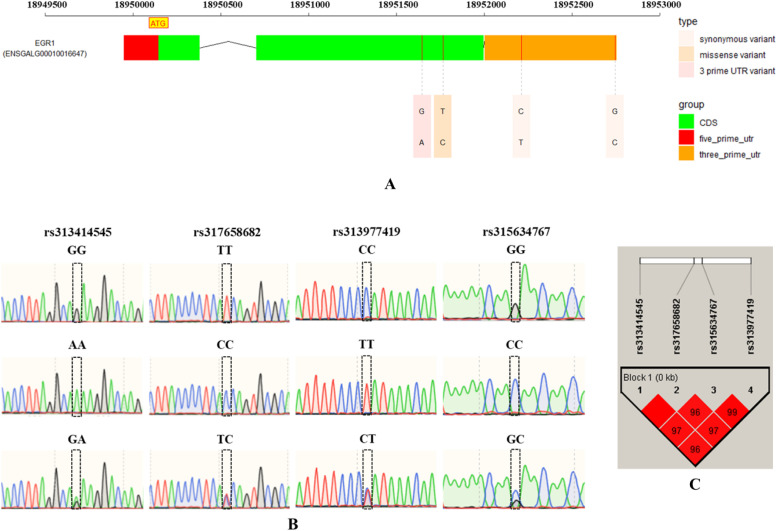
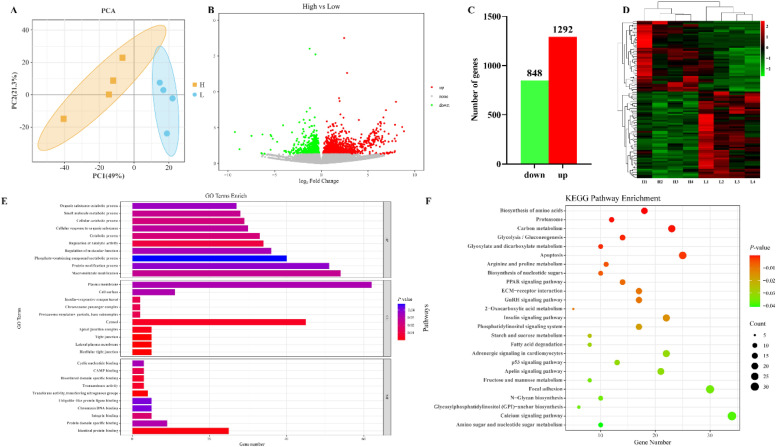
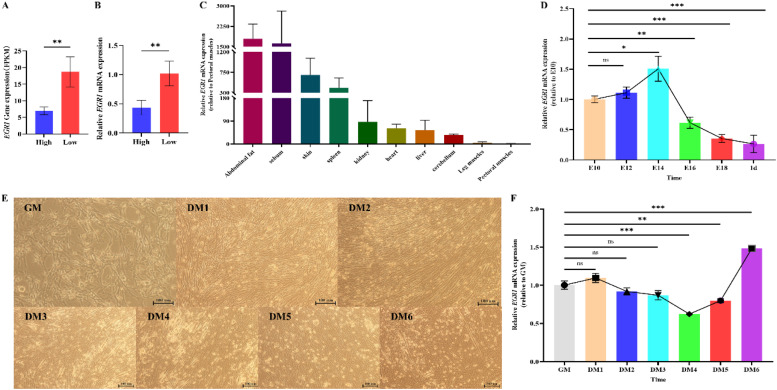
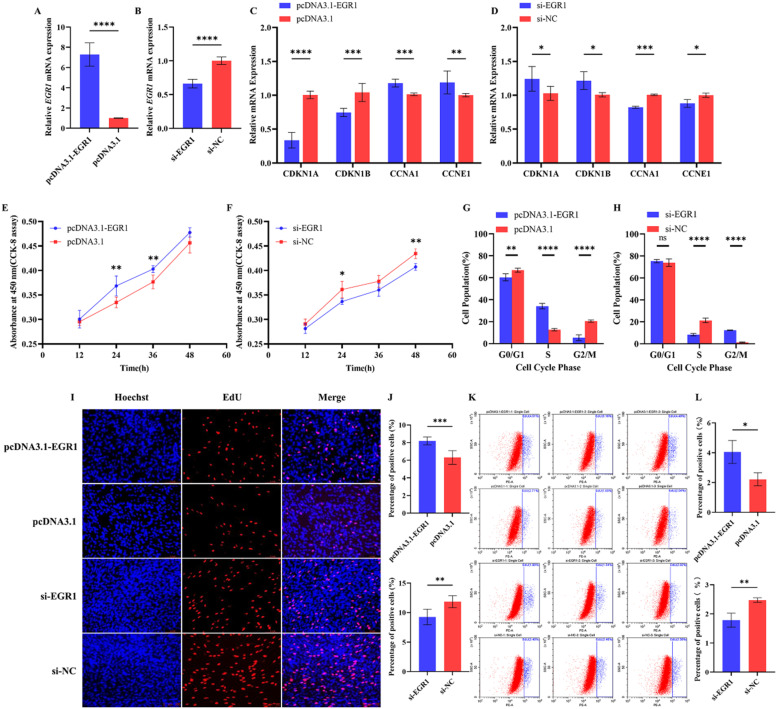
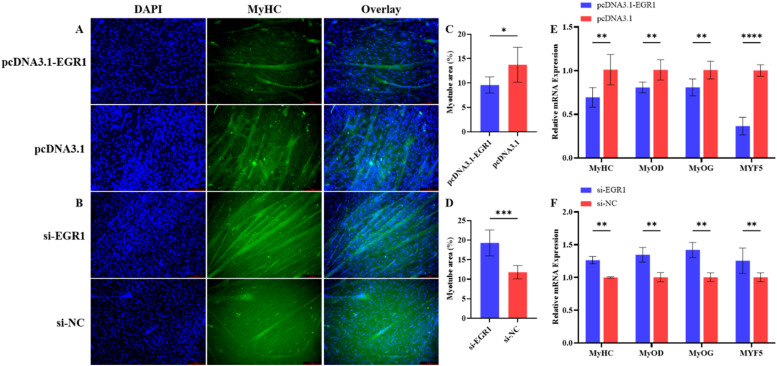
With the implementation of the policy of "centralized slaughtering and chilled to market" and the development of the livestock processing industry, numerous researchers have begun to focus on the selection and breeding of broilers bred for slaughter. The selection of breeds with excellent slaughtering performance and high meat production performance has become one of the most important selective breeding goals. In our previous study, we conducted transcriptome sequencing on chicken breast tissues with high and low breast muscle rates and found higher early growth response protein 1 (EGR1) expression in breast tissues with a low breast muscle ratio, thus hypothesizing that the EGR1 gene is involved in the growth and development process of chicken muscle tissues. Therefore, we analyzed the gene functions and polymorphisms of EGR1 to investigate its association with slaughter traits. We used various experimental methods, including RT-qPCR, Cell Counting Kit 8, 5-ethynyl-2'-deoxyuridine, western blot, flow cytometry, and immunofluorescence, to validate EGR1's role in chicken primary myoblasts. The results of our functional validation experiments indicate that EGR1 is highly expressed in breast tissues with a low breast muscle content and plays a key role in regulating of muscle growth and development by promoting proliferation and inhibiting the differentiation of chicken primary myoblasts. In addition, we explored the relationship between the EGR1 gene polymorphisms and slaughter traits using mixed linear models for the first time. In a population of Jiangfeng M3 lineage partridge chickens, we identified 4 EGR1 single-nucleotide polymorphisms, 2 of which were significantly associated with slaughter traits, including live weight, slaughter weight, semi-eviscerated weight, eviscerated weight, leg weight, wing weight, and breast muscle rate. In summary, ectopic expression of EGR1 promotes the proliferation and differentiation of chicken primary myoblasts. In addition, polymorphisms in EGR1 were associated with slaughter performance, providing a potential basis for further utilization of EGR1 as a breeding marker.
随着“集中屠宰、冷链上市”政策的实施以及畜禽加工业的发展,众多研究人员开始关注肉用型肉鸡的选育。选择具有优良屠宰性能和高肉产性能的品种已成为最重要的选育目标之一。在我们之前的研究中,我们对胸肌率高和低的鸡胸肉组织进行了转录组测序,发现在胸肌率低的胸肉组织中早期生长反应蛋白1(EGR1)表达较高,因此推测EGR1基因参与鸡肌肉组织的生长发育过程。因此,我们分析了EGR1的基因功能和多态性,以研究其与屠宰性状的关联。我们使用了各种实验方法,包括RT-qPCR、细胞计数试剂盒8、5-乙炔基-2'-脱氧尿苷、蛋白质免疫印迹、流式细胞术和免疫荧光,来验证EGR1在鸡原代成肌细胞中的作用。我们功能验证实验的结果表明,EGR1在胸肌含量低的胸肉组织中高表达,并通过促进鸡原代成肌细胞的增殖和抑制其分化在调节肌肉生长发育中起关键作用。此外,我们首次使用混合线性模型探索了EGR1基因多态性与屠宰性状之间的关系。在江丰M3系鹧鸪鸡群体中,我们鉴定出4个EGR1单核苷酸多态性,其中2个与屠宰性状显著相关,包括活重、屠宰重、半净膛重、全净膛重、腿重、翅重和胸肌率。总之,EGR1的异位表达促进了鸡原代成肌细胞的增殖和分化。此外,EGR1的多态性与屠宰性能相关,为进一步将EGR1用作育种标记提供了潜在依据。