Wiehe Sarah E, Nelson Tammie L, Hawryluk Bridget, Andres Unai Miguel, Aalsma Matthew C, Rosenman Marc B, Butler Michael S, Harris Michelle, Moore Kem, Scott C Dana, Gharbi Sami, Parks Lisa, Lynch Dustin, Silverman Ross D, Fortenberry J Dennis
Division of Children's Health Services Research, Department of Pediatrics, Indiana University School of Medicine, 410 W. 10th Street, HS2000, Indianapolis, IN, 46202, USA.
Research Jam, Indiana Clinical and Translation Sciences Institute, Indianapolis, IN, USA.
Res Involv Engagem. 2024 Nov 28;10(1):127. doi: 10.1186/s40900-024-00657-0.
Though social determinants are the primary drivers of health, few studies of people living with HIV focus on non-clinical correlates of insecure and/or fragmented connections with the care system. Our team uses linked clinical and multisector non-clinical data to study how residential mobility and connection to social services influence the HIV care continuum. We engage a diverse group of individuals living with HIV and other invested community members to guide and inform this research. Our objective is to generate consultant-informed, research-based interventions that are relevant to the community, and to share our engagement approach and findings so that other researchers can do the same.
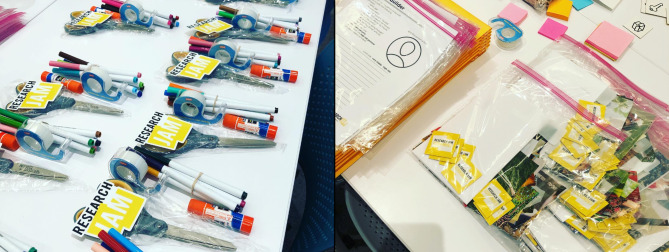
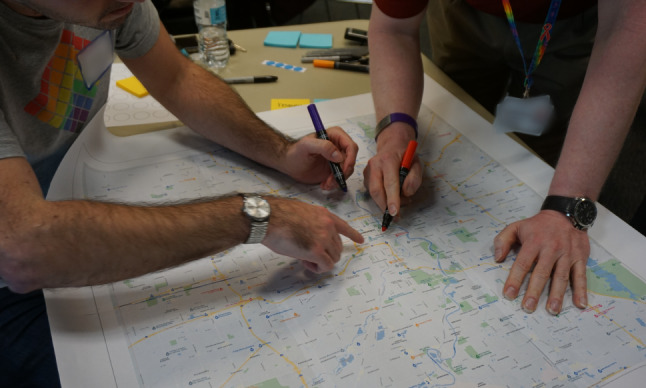
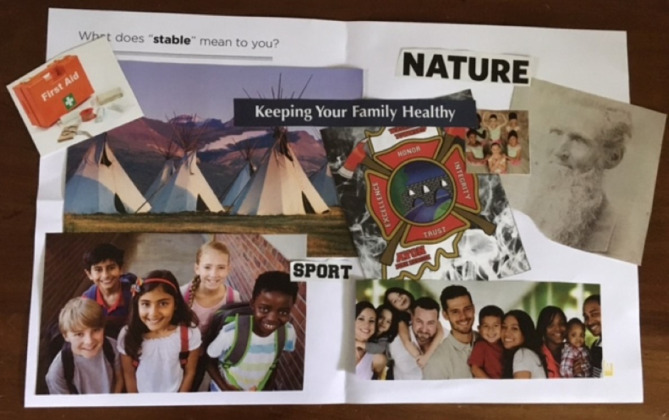
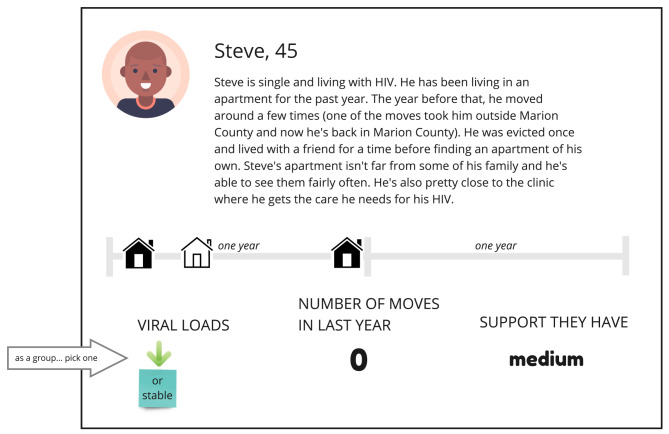
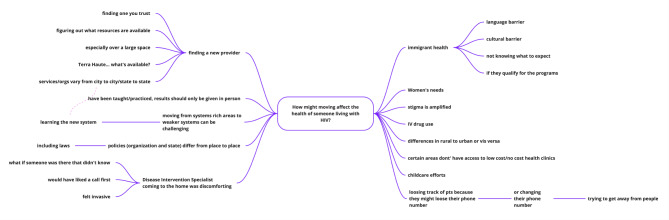
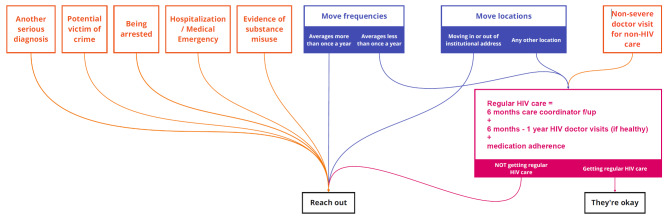
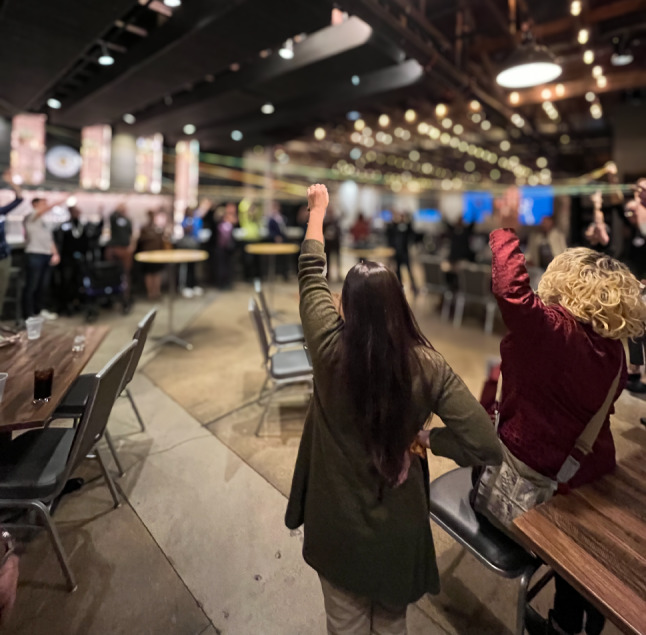
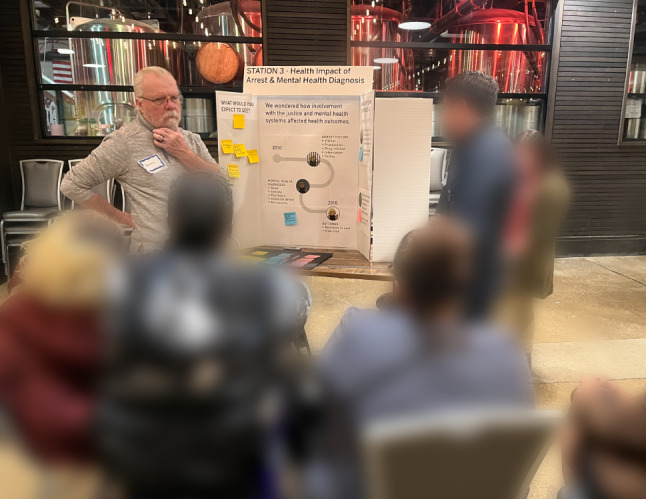
Our research team partnered with the Indiana Clinical and Translational Sciences Institute's Research Jam to develop and implement a human-centered design research plan to engage individuals with experience relevant to our research. We recruited a panel of consultants composed of people living with HIV and/or clinicians and individuals from agencies that provide medical and non-medical services to people living with HIV in Marion County, Indiana. To date, we have used a variety of human-centered design tools and activities to engage individuals during six sessions, with results informing our future engagement and research activities.
Since the inception of the project, 48 consultants have joined the panel. Thirty-five continue to be actively engaged and have participated in one or more of the six sessions conducted to date. Consultants have helped guide and prioritize analyses, aided in identification of data missing from our ecosystem, helped interpret results, provided feedback on future interventions, and co-presented with us at a local health equity conference.
We utilize community engagement to expand the scope of our research and find that the process provides value to both consultants and the research team. Human-centered design enhances this partnership by keeping it person-centered, developing empathy and trust between consultants and researchers, increasing consultant retention, and empowering consultants to collaborate meaningfully with the research team. The use of these methods is essential to conduct relevant, impactful, and sustainable research. We anticipate that these methods will be important for academic and public health researchers wishing to engage with and integrate the ideas of community consultants.
尽管社会决定因素是健康的主要驱动因素,但针对艾滋病毒感染者的研究中,很少有研究关注与医疗系统联系不安全和/或不完整的非临床相关因素。我们的团队使用临床和多部门非临床关联数据,来研究居住流动性和与社会服务的联系如何影响艾滋病毒护理连续过程。我们邀请了一群不同的艾滋病毒感染者和其他相关社区成员来指导和为这项研究提供信息。我们的目标是生成基于研究且经顾问指导的、与社区相关的干预措施,并分享我们的参与方式和研究结果,以便其他研究人员也能这样做。
我们的研究团队与印第安纳临床与转化科学研究所的研究研讨会合作,制定并实施了一项以人为本的设计研究计划,以吸引具有与我们研究相关经验的个人参与。我们招募了一个顾问小组,成员包括艾滋病毒感染者和/或临床医生,以及来自印第安纳州马里恩县为艾滋病毒感染者提供医疗和非医疗服务的机构的人员。迄今为止,我们在六次会议期间使用了各种以人为本的设计工具和活动来吸引个人参与,结果为我们未来的参与和研究活动提供了参考。
自项目启动以来,已有48名顾问加入了该小组。35人继续积极参与,并参加了迄今为止举行的六次会议中的一次或多次。顾问们帮助指导分析并确定优先次序,协助识别我们生态系统中缺失的数据,帮助解释结果,为未来的干预措施提供反馈,并与我们一起在当地的健康公平会议上共同展示。
我们利用社区参与来扩大研究范围,并发现这个过程对顾问和研究团队都有价值。以人为本的设计通过保持以人为主、在顾问和研究人员之间培养同理心和信任、提高顾问留存率以及使顾问有能力与研究团队进行有意义的合作,增强了这种伙伴关系。使用这些方法对于开展相关、有影响力和可持续的研究至关重要。我们预计这些方法对于希望与社区顾问互动并整合其想法的学术和公共卫生研究人员将很重要。