Shanghai Key Laboratory of Functional Materials Chemistry, Key Laboratory for Advanced Materials, School of Chemistry and Molecular Engineering, East China University of Science and Technology, Shanghai, 200237 China.
State Key Laboratory of Natural Medicines, School of Pharmacy, China Pharmaceutical University, Nanjing 210009, China.
Sci Adv. 2024 Nov 29;10(48):eadr5145. doi: 10.1126/sciadv.adr5145.
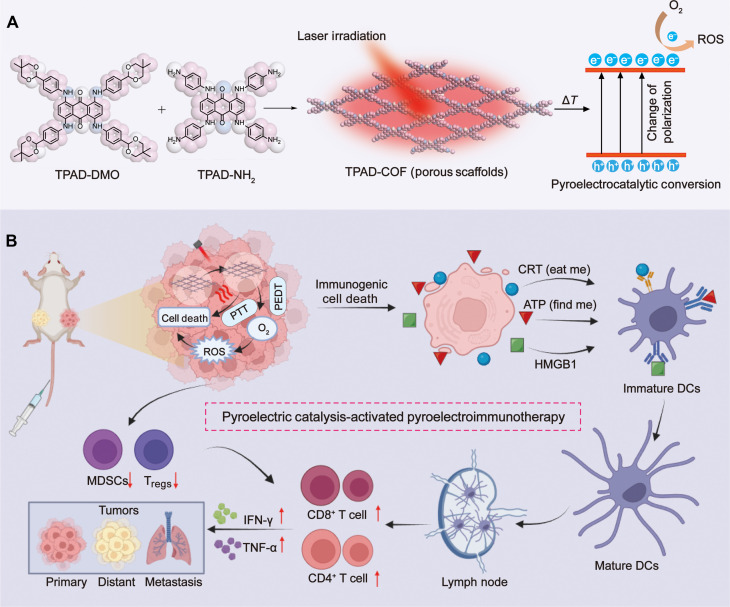
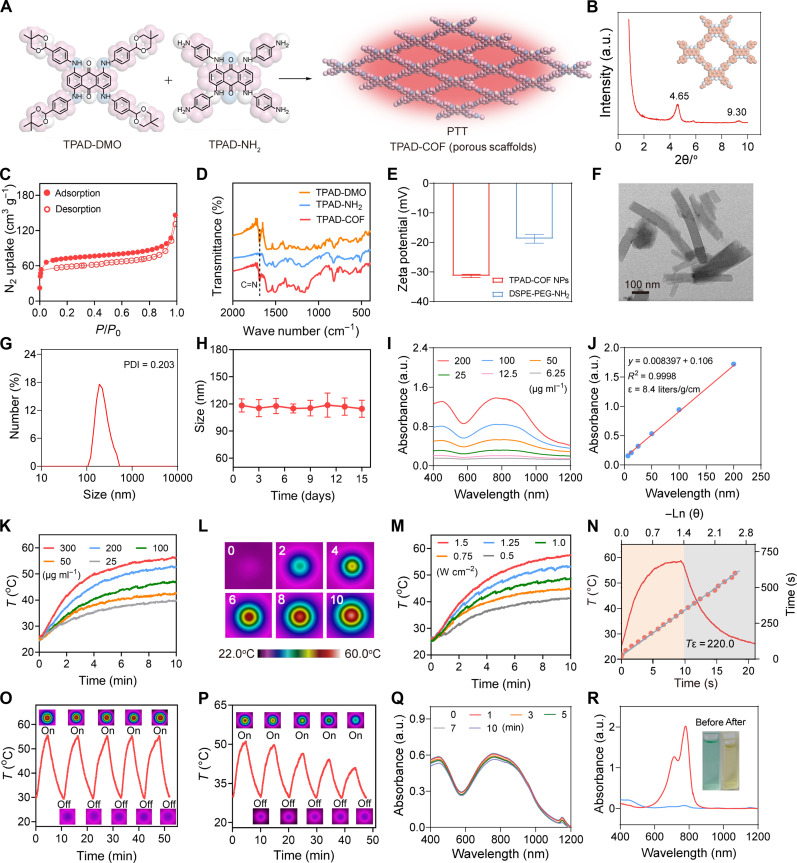
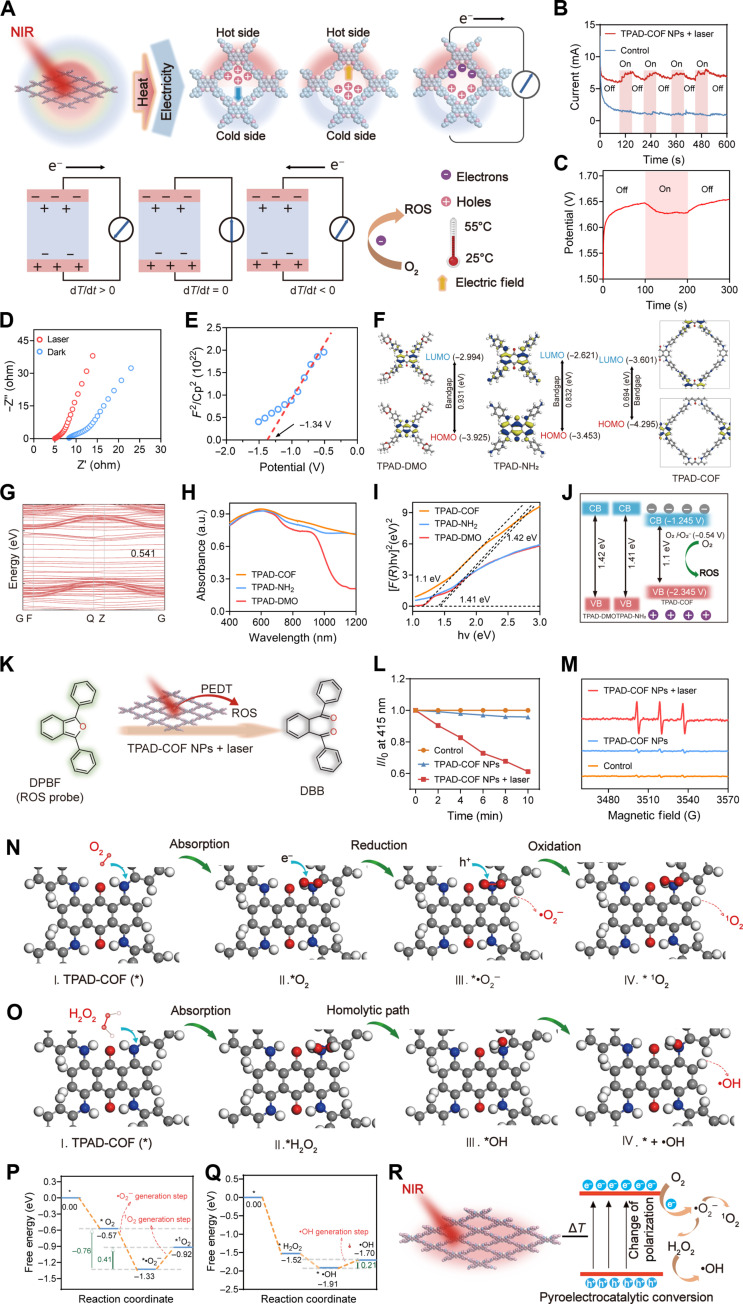
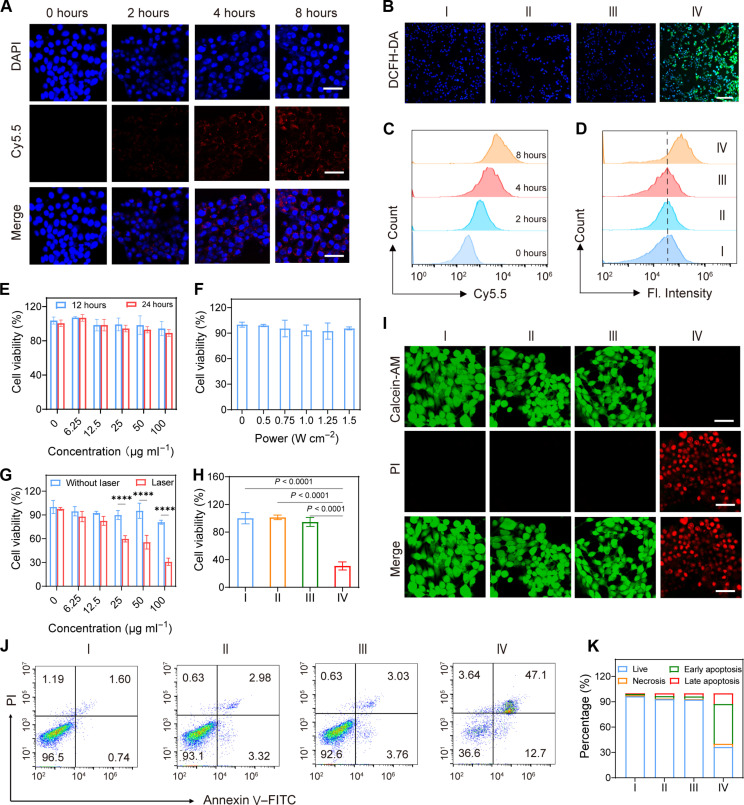
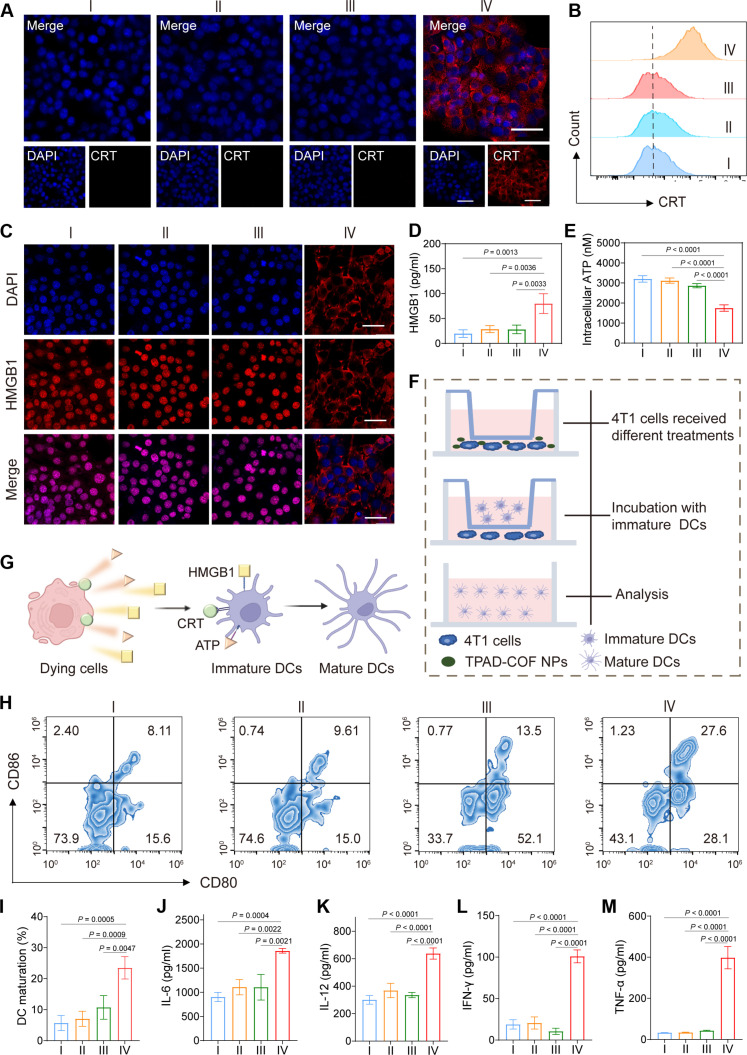
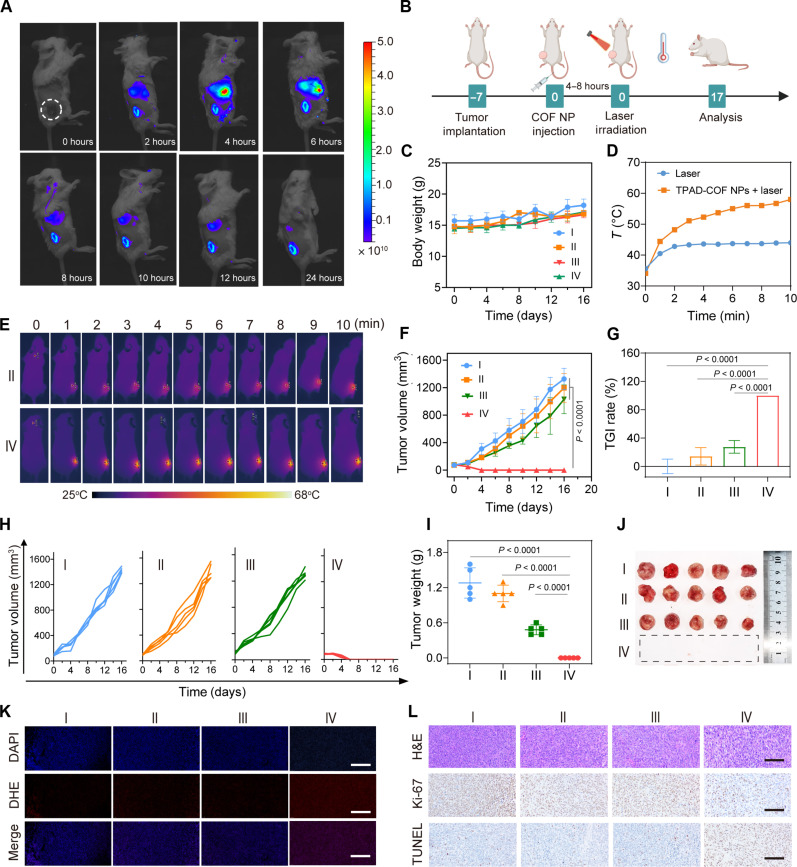
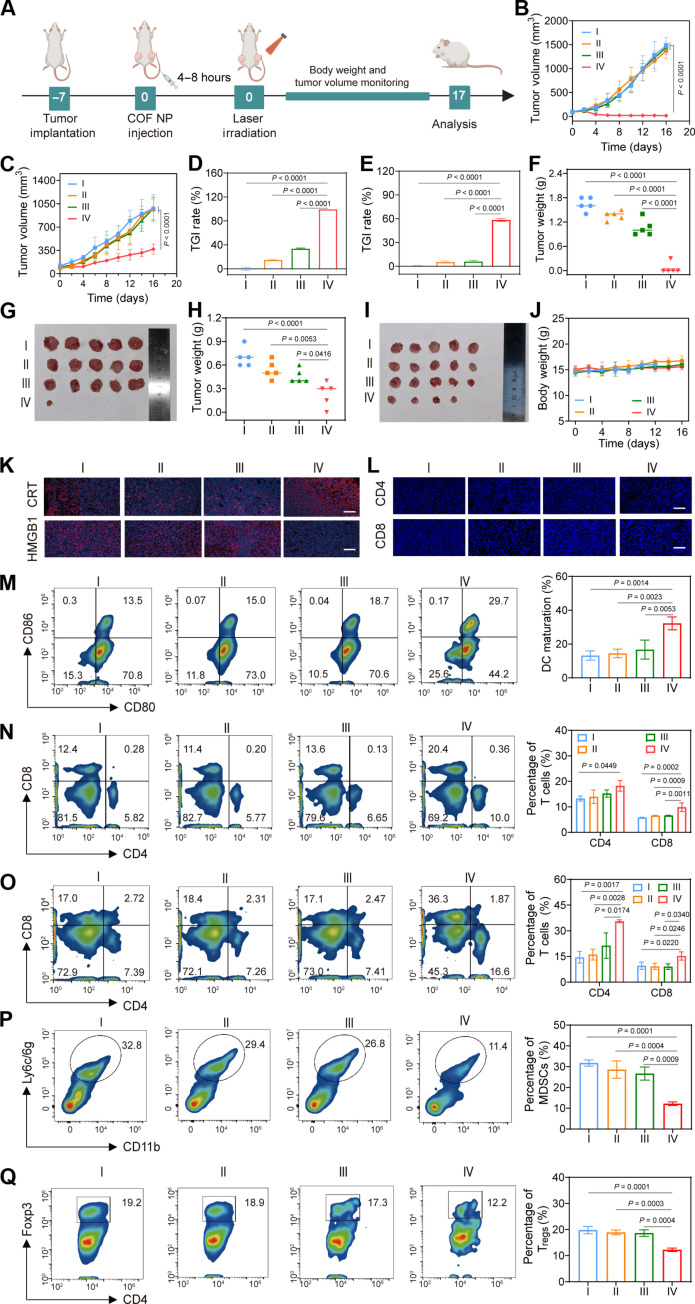
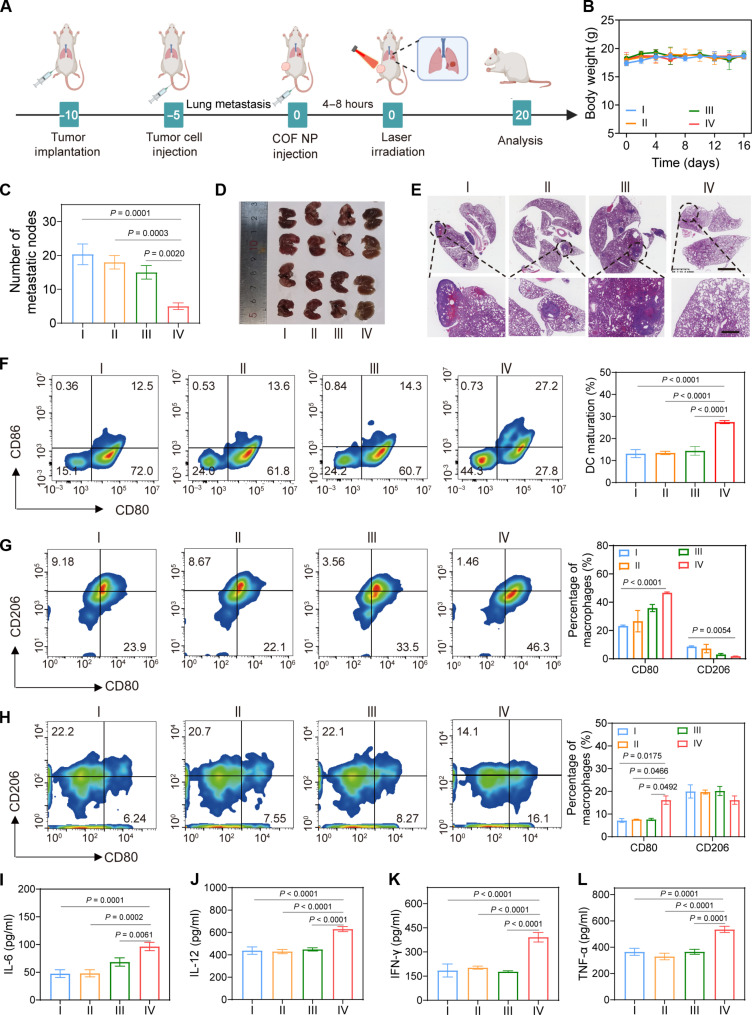
The conventional molecular immunogenic cell death (ICD) inducers suffer from poor biocompatibility and unsatisfactory efficacy. Here, a biocompatible nanosized covalent organic framework (nCOF)-based pyroelectric catalyst (denoted as TPAD-COF NPs) is designed for pyroelectric catalysis-activated in situ immunotherapy. TPAD-COF NPs confine organic pyroelectric molecules to rigid TPAD-COF NPs to substantially reduce aggregation and enhance biocompatibility, thus improving pyroelectrocatalytic efficiency. After tumor internalization, TPAD-COF NPs facilitate photothermal tumor ablation under near-infrared (NIR) laser exposure, resulting in effective ICD induction. In addition, TPAD-COF NPs effectively catalyze the conversion of temperature changes to pyroelectric changes, which subsequently react with adjacent O to generate reactive oxygen species, thus triggering robust ICD activation. In vivo evaluation using mouse models confirmed that TPAD-COF NPs evidently inhibited the proliferation of primary and distant tumors and prevented lung metastasis under NIR laser illumination. Therefore, this study opens an avenue for designing nCOF-based catalysts for pyroelectric catalysis-activated in situ immunotherapy.
传统的分子免疫原性细胞死亡(ICD)诱导剂存在生物相容性差和疗效不理想的问题。在这里,设计了一种基于生物相容性纳米尺寸共价有机框架(nCOF)的热释电催化剂(表示为 TPAD-COF NPs),用于热释电催化激活原位免疫疗法。TPAD-COF NPs 将有机热释电分子限制在刚性的 TPAD-COF NPs 中,从而大大减少了聚集并提高了生物相容性,从而提高了热释电催化效率。在肿瘤内化后,TPAD-COF NPs 在近红外(NIR)激光照射下促进光热肿瘤消融,从而有效诱导 ICD。使用小鼠模型的体内评估证实,TPAD-COF NPs 在 NIR 激光照射下明显抑制了原发和远处肿瘤的增殖,并防止了肺转移。因此,本研究为设计用于热释电催化激活原位免疫疗法的 nCOF 基催化剂开辟了一条途径。