Department of Surgery, Faculty of Medicine, Al-Baha University, Alaqiq, Saudi Arabia.
Department of Anesthesia and Surgical ICU, Caen University Hospital, Caen, France.
Medicine (Baltimore). 2024 Nov 29;103(48):e40762. doi: 10.1097/MD.0000000000040762.
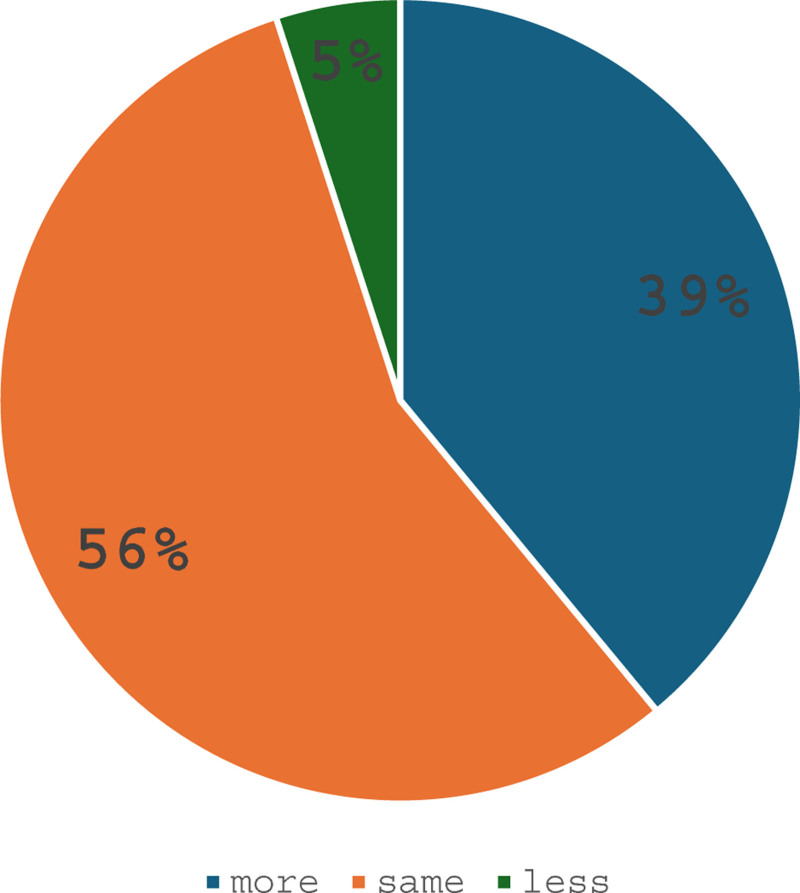
It is a common preconception in France that anesthesiologists consume the largest amounts of coffee. This study is aimed to evaluate the relation between working in anesthesiology and increased coffee consumption. Cross-sectional, multicentric study carried out on anesthesiology professionals in France including anesthesiologists (residents and seniors) and Certified Registered Nurse Anesthetists (nurses and students). We performed a paper-based and a web-based survey among participants in the period from January 31, 2020, until March 31, 2020. Data were recorded for each participant including, demographics, function, place of work, and details of coffee consumption. Coffee consumption. We considered the hypothesis to be statistically significant if P < .01. F test was performed to evaluate the variance between different populations. A total of 690 anesthesiology professionals participated in this survey. Average caffeine consumption within anesthesiology team is 308 ± 168 mg/d in the daily operating room and 359 ± 200 in on-call duties. The is a statistically significant increase in caffeine consumption during work in anesthesiology (P < .001). Evolution of coffee consumption were more important in daily operating room than in on-call duties with F test of 118.54 and 205.14, respectively. The majority of respondents (74%) enjoyed coffee for pleasure, while 12% drank it to boost alertness. However, 71% noticed no improvement in attention after consumption. Caffeine dependence symptoms were seen in only 5% of all respondents and 11% of those who consumed 600 mg or more of caffeine daily. Working in the field of anesthesiology seems to be associated with increased coffee consumption, however average coffee consumption among anesthesiologist in France is considered safe. These findings underscore the importance of carefully managing working conditions, shift schedules, and working hours for anesthesiologists to lessen potential risks associated with excessive caffeine intake.
在法国,人们普遍认为麻醉师喝咖啡最多。本研究旨在评估麻醉工作与咖啡摄入量增加之间的关系。这是一项在法国进行的麻醉科专业人员(包括住院医师和资深医师以及注册护士麻醉师(护士和学生))的横断面、多中心研究。我们在 2020 年 1 月 31 日至 3 月 31 日期间通过纸质和网络调查了参与者。为每位参与者记录了数据,包括人口统计学、功能、工作地点和咖啡消费细节。我们认为,如果 P 值<0.01,则假设具有统计学意义。F 检验用于评估不同人群之间的差异。共有 690 名麻醉科专业人员参与了这项调查。在日常手术室中,麻醉科团队的平均咖啡因摄入量为 308±168mg/d,在值班时为 359±200mg/d。在麻醉工作期间,咖啡因摄入量显著增加(P<0.001)。F 检验分别为 118.54 和 205.14,咖啡消费的变化在日常手术室中比值班时更大。大多数受访者(74%)享受咖啡是为了愉悦,而 12%喝咖啡是为了提神。然而,71%的人在饮用后注意到注意力没有提高。只有 5%的受访者出现咖啡因依赖症状,而每天摄入 600mg 或更多咖啡因的受访者中,有 11%出现了这种症状。在麻醉领域工作似乎与咖啡摄入量增加有关,但法国麻醉师的平均咖啡摄入量被认为是安全的。这些发现强调了仔细管理麻醉师工作条件、轮班时间表和工作时间的重要性,以减轻与过量咖啡因摄入相关的潜在风险。