Laboratory of Molecular Signaling and Stem Cells Therapy, Beijing Key Laboratory for Tooth Regeneration and Function Reconstruction of Oral Tissues, School of Stomatology, Beijing Stomatological Hospital, Capital Medical University, Beijing, China.
Department of Periodontics, School of Stomatology, Beijing Stomatological Hospital, Capital Medical University, Beijing, China.
Int J Oral Sci. 2024 Dec 1;16(1):65. doi: 10.1038/s41368-024-00328-6.
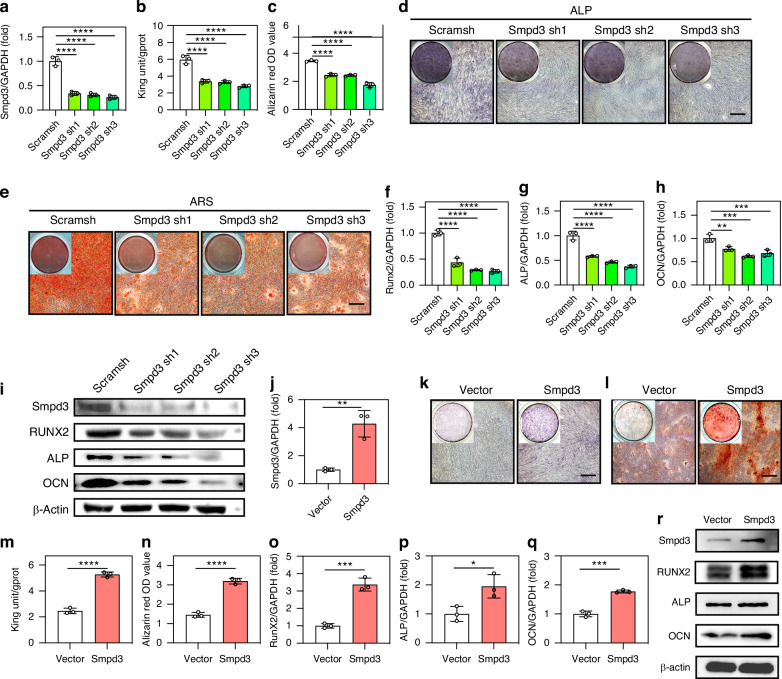
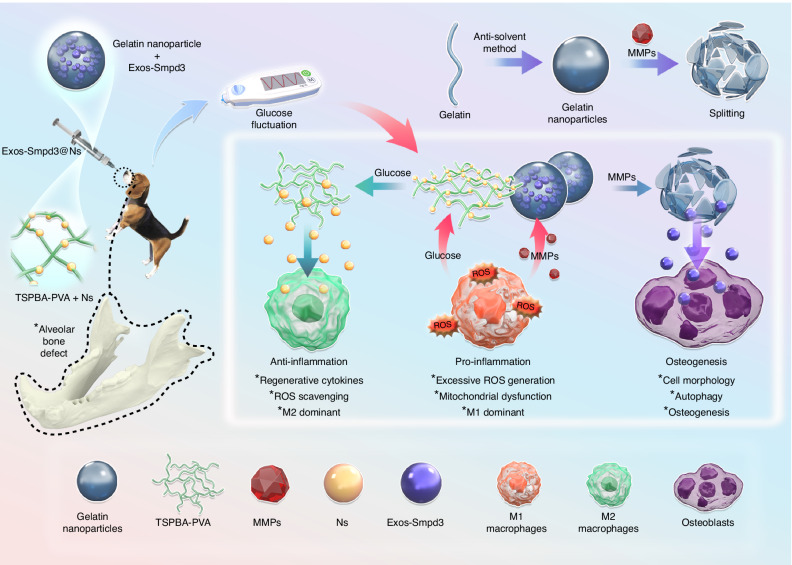
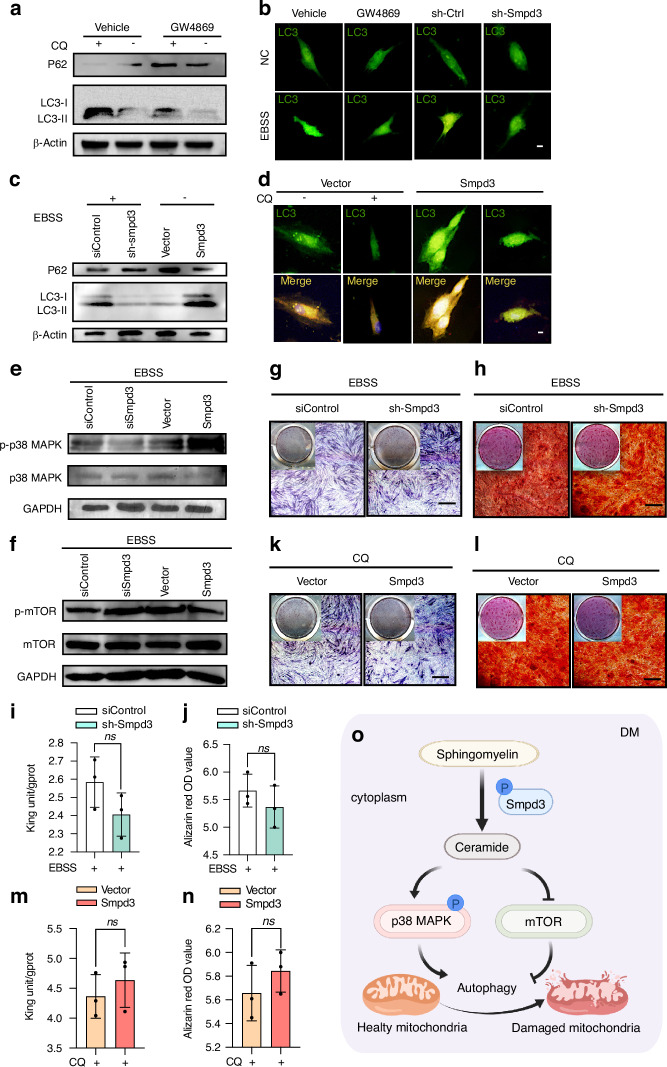
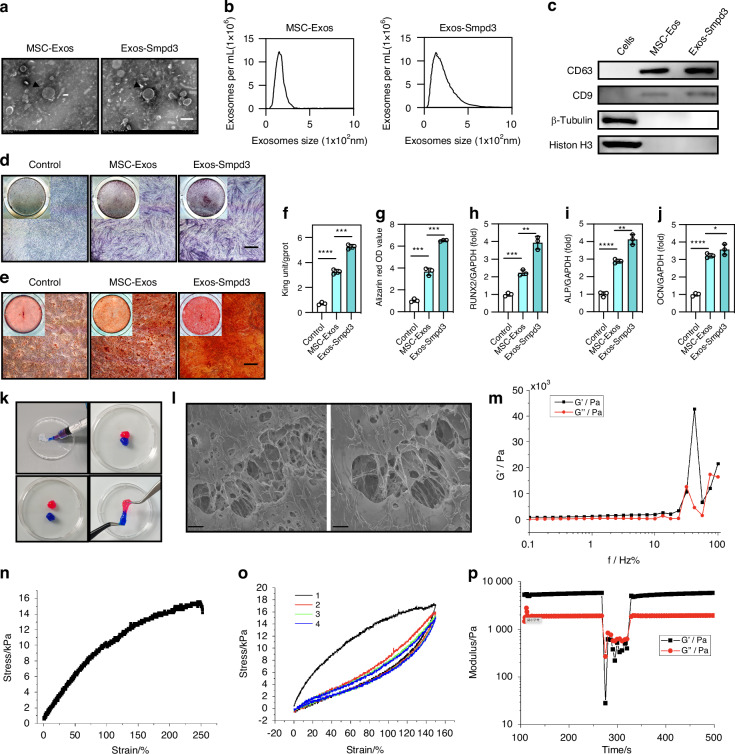
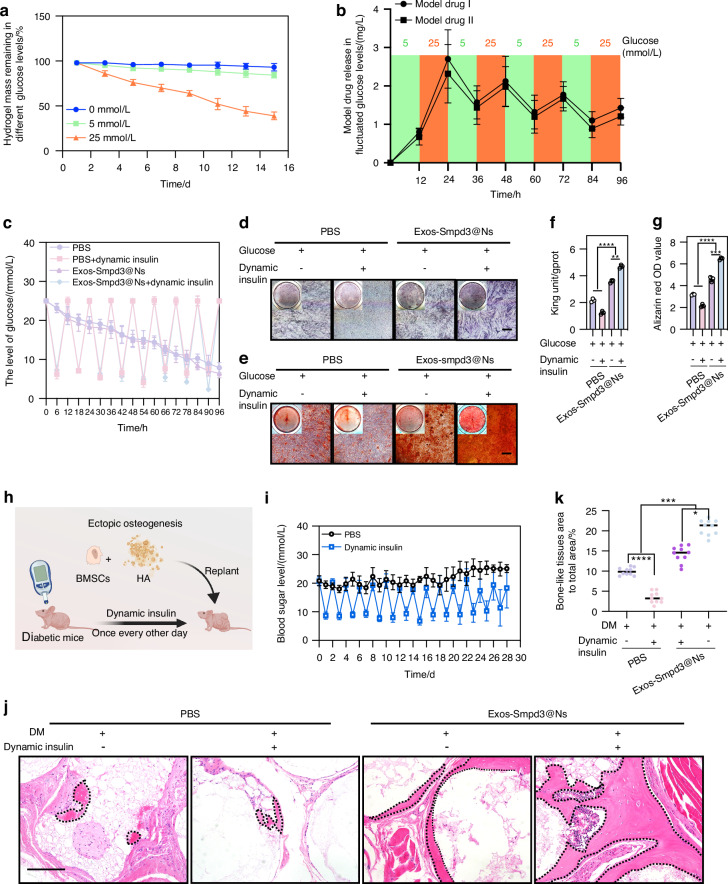
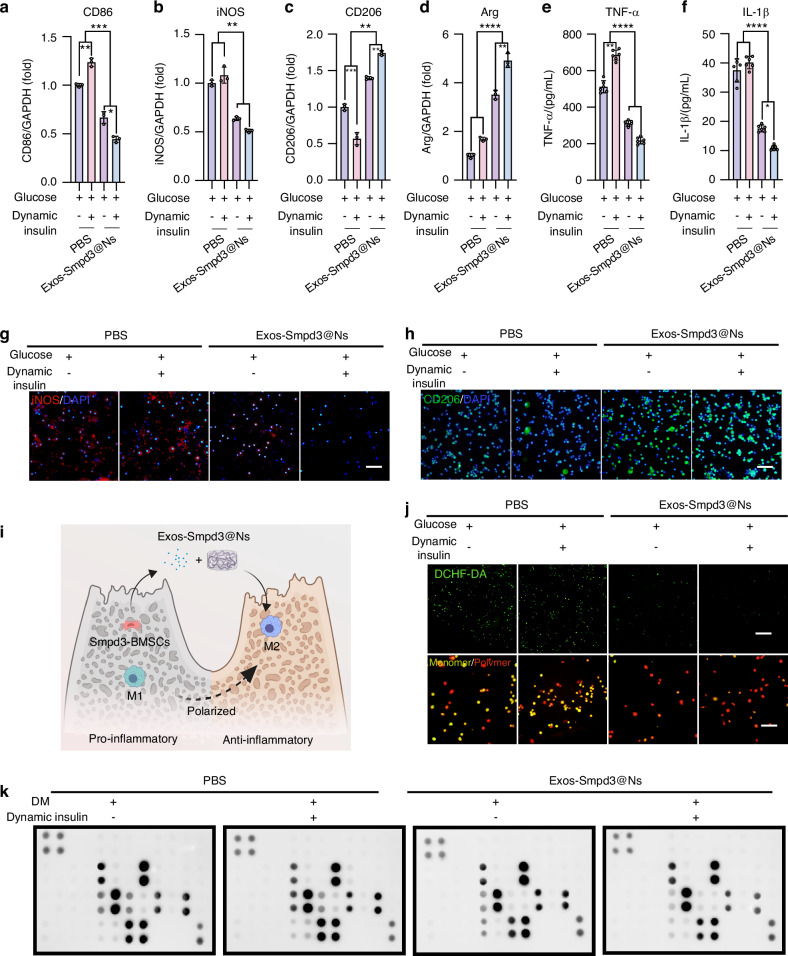
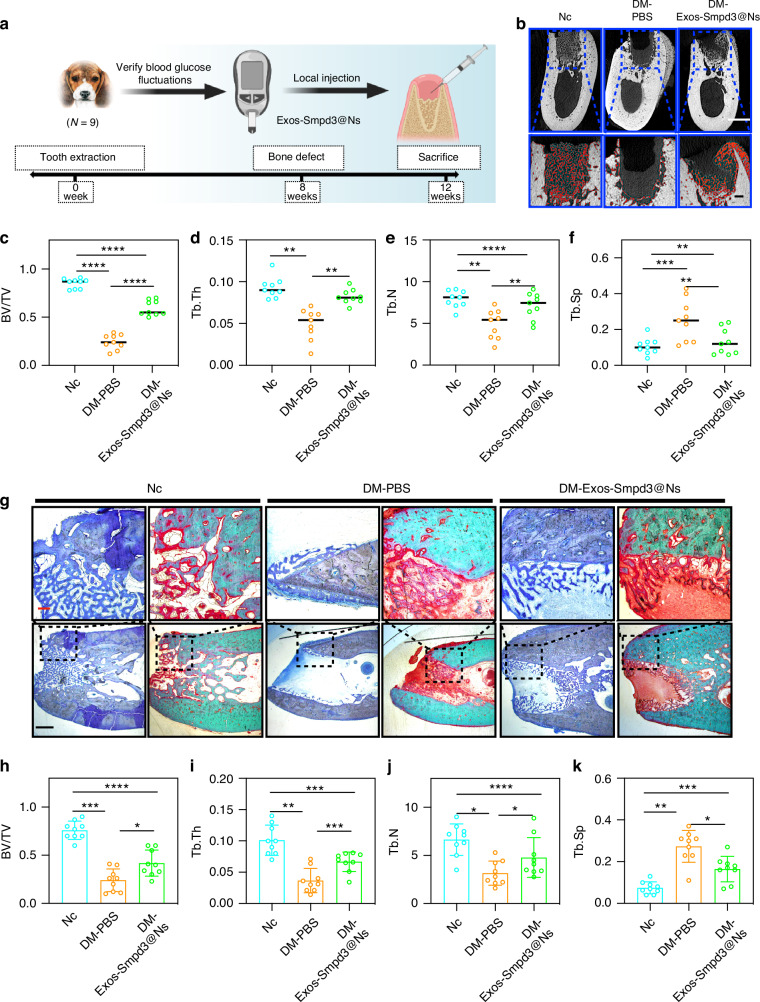
Blood glucose fluctuation leads to poor bone defect repair in patients with type 2 diabetes (T2DM). Strategies to safely and efficiently improve the bone regeneration disorder caused by blood glucose fluctuation are still a challenge. Neutral sphingophospholipase 2 (Smpd3) is downregulated in jawbone-derived bone marrow mesenchymal stem cells (BMSCs) from T2DM patients. Here, we investigated the effect of Smpd3 on the osteogenic differentiation of BMSCs and utilized exosomes from stem cells overexpressing Smpd3 as the main treatment based on the glucose responsiveness of phenylboronic acid-based polyvinyl alcohol crosslinkers and the protease degradability of gelatin nanoparticles. The combined loading of Smpd3-overexpressing stem cell-derived exosomes (Exos-Smpd3) and nanosilver ions (Ns) to construct a hydrogel delivery system (Exos-Smpd3@Ns) promoted osteogenesis and differentiation of BMSCs in a glucose-fluctuating environment, ectopic osteogenesis of BMSCs in a glucose-fluctuating environment and jawbone regeneration of diabetic dogs in vitro. Mechanistically, Smpd3 promoted the osteogenesis and differentiation of jawbone-derived BMSCs by activating autophagy in the jawbone and inhibiting macrophage polarization and oxidative stress caused by blood glucose fluctuations. These results reveal the role and mechanism of Smpd3 and the Smpd3 overexpression exosome delivery system in promoting BMSC function and bone regeneration under blood glucose fluctuations, providing a theoretical basis and candidate methods for the treatment of bone defects in T2DM patients.
血糖波动导致 2 型糖尿病(T2DM)患者骨缺损修复不良。寻找安全、有效的策略来改善血糖波动引起的骨再生障碍仍然是一个挑战。中性鞘磷脂酶 2(Smpd3)在 T2DM 患者颌骨来源的骨髓间充质干细胞(BMSCs)中下调。在这里,我们研究了 Smpd3 对 BMSCs 成骨分化的影响,并利用基于苯硼酸的聚乙烯醇交联剂的葡萄糖响应性和明胶纳米粒的蛋白酶可降解性,将过表达 Smpd3 的干细胞来源的外体作为主要治疗方法。过表达 Smpd3 的干细胞衍生外体(Exos-Smpd3)和纳米银离子(Ns)的联合装载构建水凝胶递送系统(Exos-Smpd3@Ns),促进了 BMSCs 在血糖波动环境中的成骨分化、BMSCs 在血糖波动环境中的异位成骨和糖尿病犬的颌骨再生。在机制上,Smpd3 通过激活颌骨中的自噬,抑制由血糖波动引起的巨噬细胞极化和氧化应激,促进颌骨来源的 BMSCs 的成骨和分化。这些结果揭示了 Smpd3 和 Smpd3 过表达外体递送系统在促进 BMSC 功能和血糖波动下骨再生中的作用和机制,为 T2DM 患者骨缺损的治疗提供了理论依据和候选方法。