Feng Chen, Li Pingping, Liu Pengtao, Wang Bo, Li Juan, Liu Peijun
Center for Translational Medicine, The First Affiliated Hospital of Xi'an Jiaotong University, Xi'an, China.
Department of Oncology, Shaanxi Provincial Corps Hospital, Xi'an, China.
Cancer Med. 2024 Dec;13(23):e70448. doi: 10.1002/cam4.70448.
Breast cancer (BC) is the most prevalent malignancy among women worldwide. Lectin, mannose-binding 2 (LMAN2) is a cargo receptor engaged in the transport and sorting of glycoproteins. Despite its ubiquity, the function and underlying mechanisms of LMAN2 in BC continue to elude understanding.
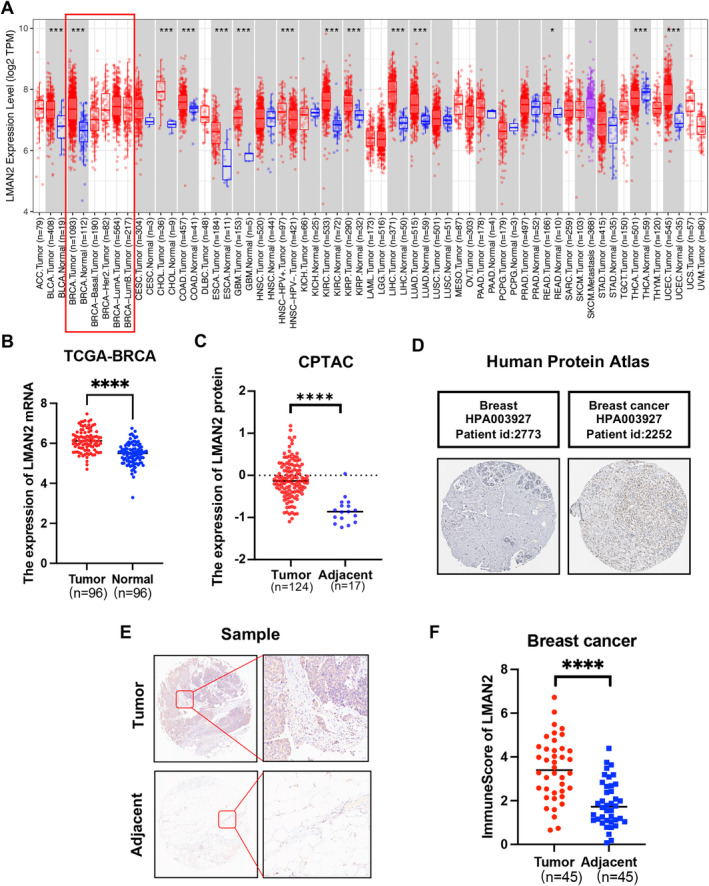
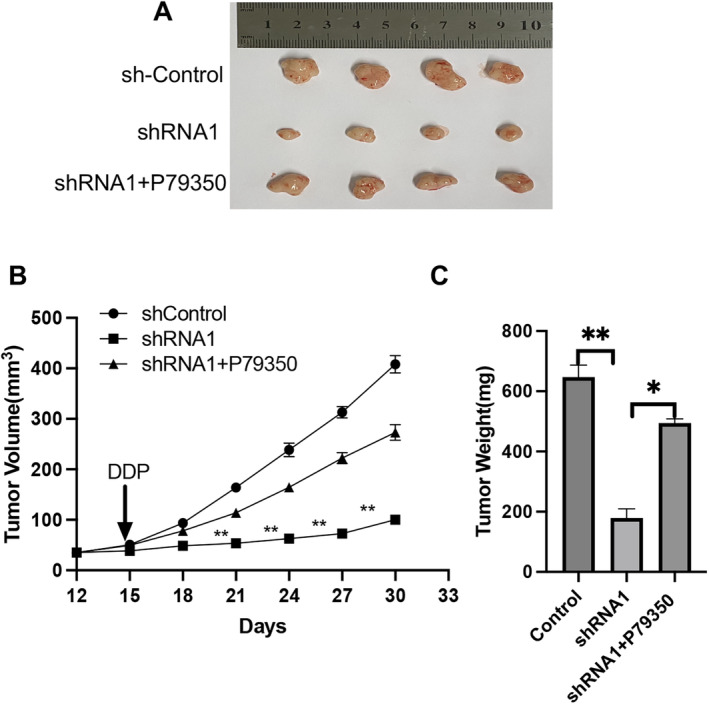
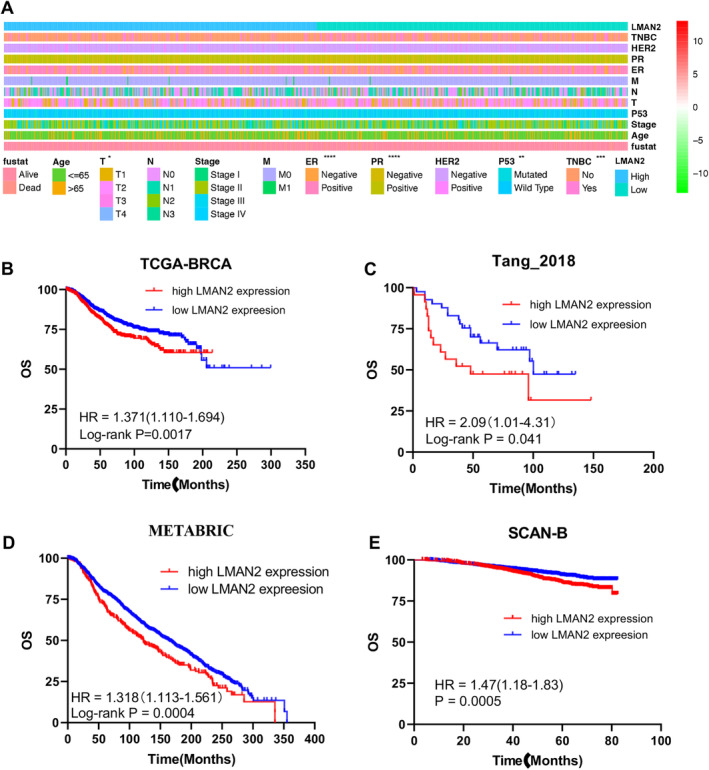
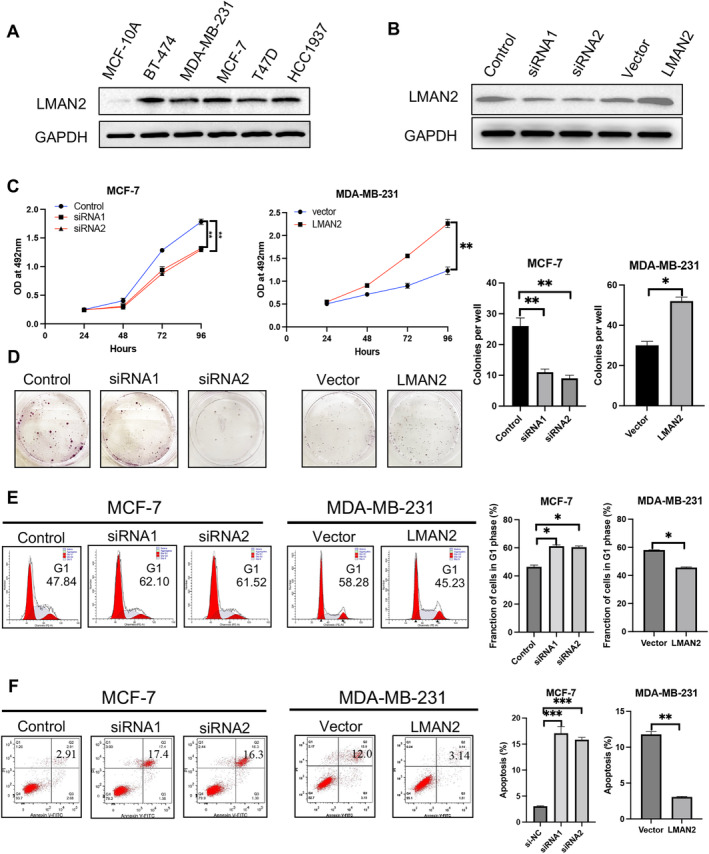
Multiple databases were employed to examine the expression of LMAN2 in breast cancer. Immunohistochemistry(IHC), qRT-PCR, and Western blot were performed to quantify LMAN2 expression in BC cell lines and clinical samples. Heat map analysis and Kaplan-Meier analysis were used to analyze the correlation between LMAN2 and clinicopathological features. SiRNAs and overexpression plasmids were transfected into two BC cells to assess the effect of LMAN2 on malignant phenotypes. Coimmunoprecipitation and immunofluorescence were used to screen for potential interacting proteins. Additionally, tumor subcutaneous xenograft mode was constructed to explore tumor chemoresistance.
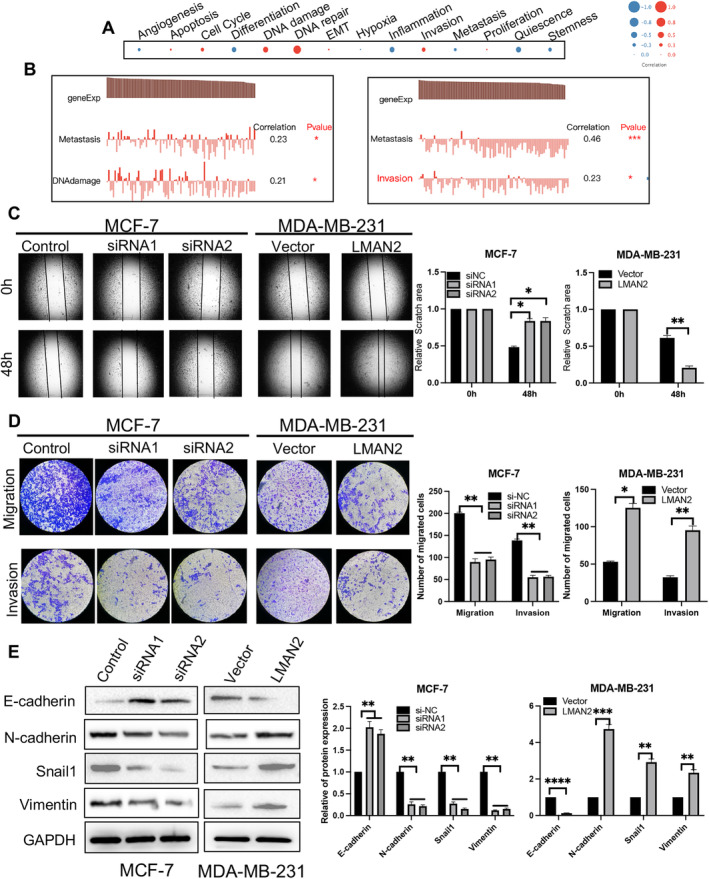
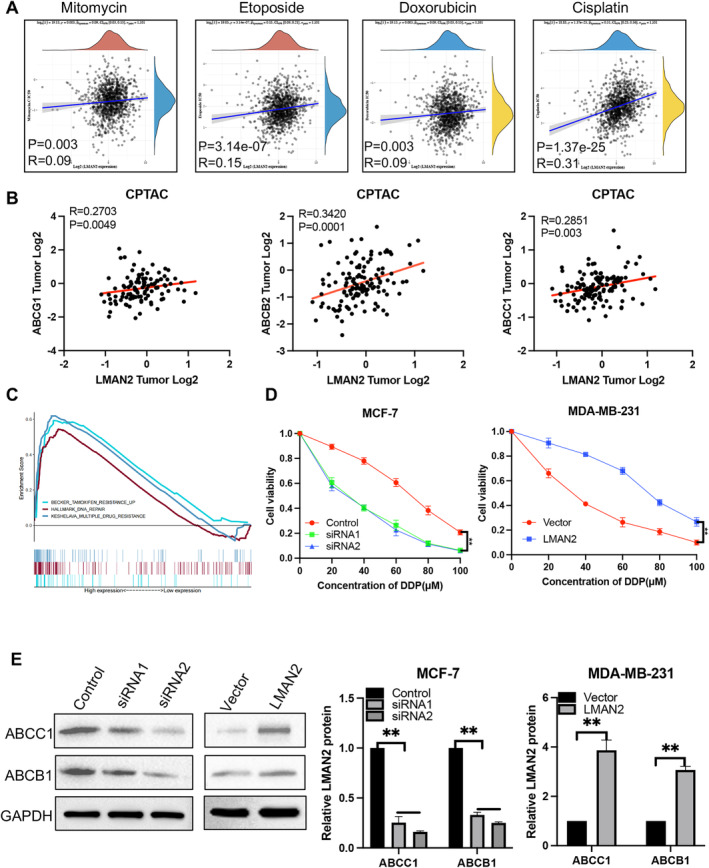
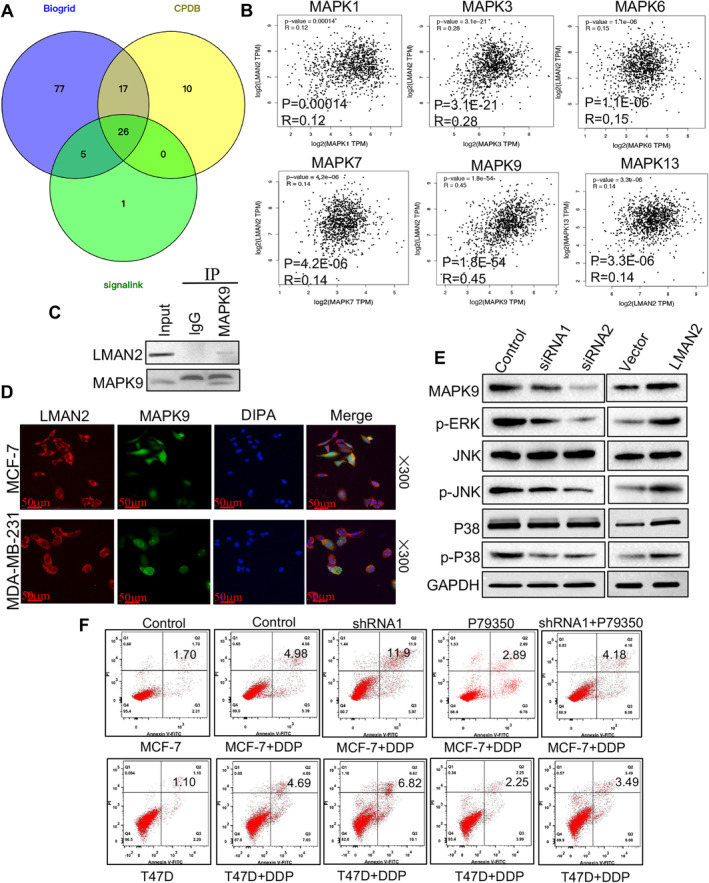
LMAN2 expression was significantly higher in BC compared to that in matched, adjacent normal tissues, and its higher expression level was correlated with worse patient prognosis. In vitro, we found that LMAN2 functions as an oncogene, promoting BC cell proliferation, cell cycle progression, invasion, and chemoresistance while preventing apoptosis. Coimmunoprecipitation and colocalization experiments confirmed the direct binding of LMAN2 to MAPK9 in BC cells. Our investigation of signaling pathways suggested that LMAN2 is involved in the regulation of the MAPK signaling pathway, utilizing this pathway to confer cisplatin resistance. Furthermore, knockdown of LMAN2 improves the sensitivity of drug-resistant BC cells to cisplatin (DDP) in vivo.
LMAN2 was a novel diagnostic and prognostic biomarker for BC that promotes chemoresistance via interaction with MAPK9 and activation of the MAPK pathway.
乳腺癌(BC)是全球女性中最常见的恶性肿瘤。凝集素甘露糖结合2(LMAN2)是一种参与糖蛋白运输和分选的货物受体。尽管LMAN2广泛存在,但其在乳腺癌中的功能及潜在机制仍不清楚。
利用多个数据库检测LMAN2在乳腺癌中的表达。采用免疫组织化学(IHC)、qRT-PCR和蛋白质免疫印迹法对乳腺癌细胞系和临床样本中的LMAN2表达进行定量分析。通过热图分析和Kaplan-Meier分析来分析LMAN2与临床病理特征之间的相关性。将小干扰RNA(SiRNAs)和过表达质粒转染到两种乳腺癌细胞中,以评估LMAN2对恶性表型的影响。采用免疫共沉淀和免疫荧光法筛选潜在的相互作用蛋白。此外,构建肿瘤皮下异种移植模型以探索肿瘤化疗耐药性。
与配对的相邻正常组织相比,乳腺癌中LMAN2的表达显著更高,其较高的表达水平与患者预后较差相关。在体外,我们发现LMAN2作为一种癌基因发挥作用,促进乳腺癌细胞增殖、细胞周期进程、侵袭和化疗耐药性,同时抑制细胞凋亡。免疫共沉淀和共定位实验证实LMAN2与乳腺癌细胞中的丝裂原活化蛋白激酶9(MAPK9)直接结合。我们对信号通路的研究表明,LMAN2参与丝裂原活化蛋白激酶(MAPK)信号通路的调控,利用该通路赋予顺铂耐药性。此外,敲低LMAN2可提高体内耐药乳腺癌细胞对顺铂(DDP)的敏感性。
LMAN2是一种新的乳腺癌诊断和预后生物标志物,它通过与MAPK9相互作用并激活MAPK通路来促进化疗耐药性。