Yoon Mi-Jeong, Lim Seong Hoon
Department of Rehabilitation Medicine, St. Vincent's Hospital, College of Medicine, The Catholic University of Korea, Seoul, Korea.
Department of Rehabilitation Medicine, Seoul St. Mary's Hospital, College of Medicine, The Catholic University of Korea, Seoul, Korea.
Brain Neurorehabil. 2024 Nov 20;17(3):e21. doi: 10.12786/bn.2024.17.e21. eCollection 2024 Nov.
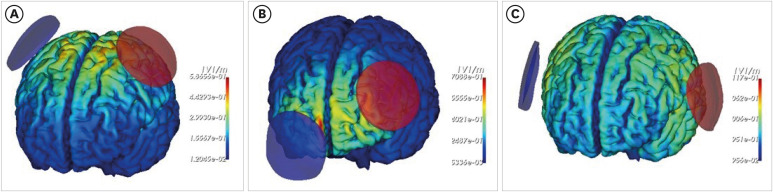
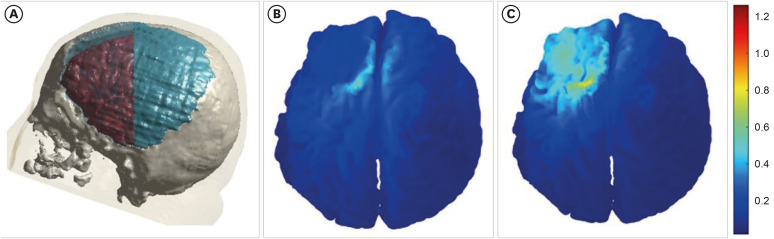
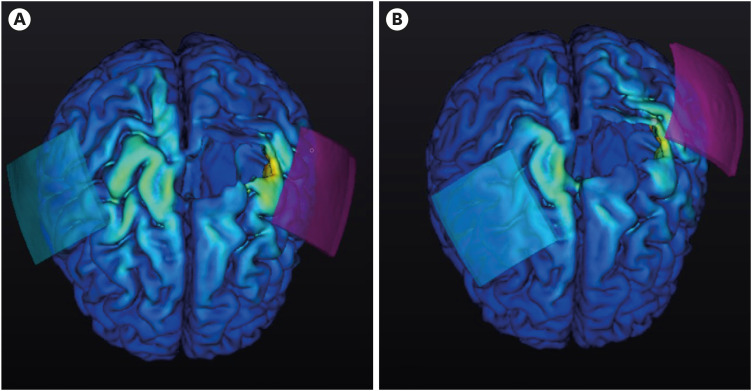
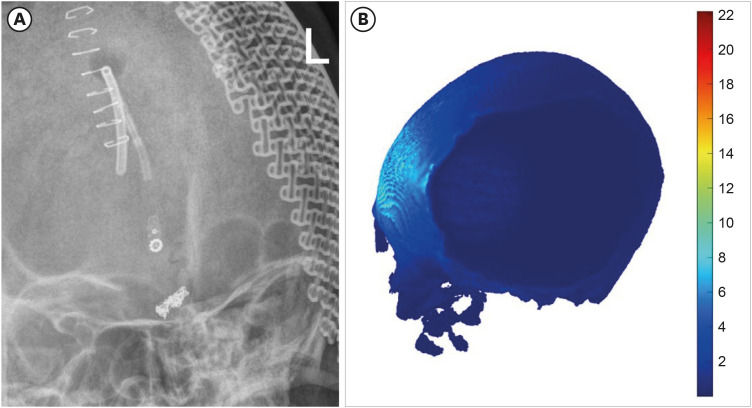
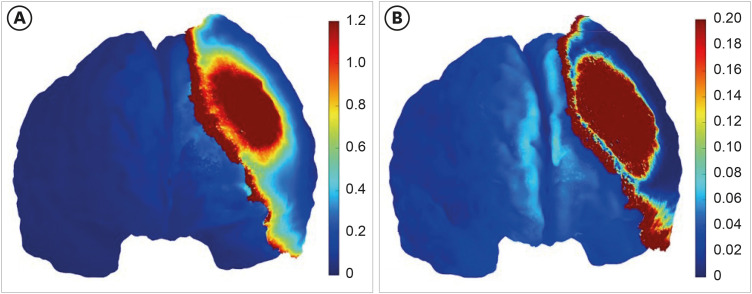
Transcranial direct current stimulation (tDCS) has emerged as a valuable neuromodulation technique. Many clinical conditions are associated with brain damage, and in severe cases, structural changes such as skull defects are common. These clinical characteristics result in distinct electrical flow patterns during tDCS application compared to cases without brain damage. Recently, notable advancements have been made in both the medical and engineering fields pertaining to the use of in silico modelling and simulation with the aid of magnetic resonance imaging (MRI). As a result, it is now possible to conduct simulations tailored to the unique structural anatomy of an individual's brain, using their own MRI data, to provide targeted tDCS. We have developed software that performs both segmentation and simulation, and have conducted randomized controlled trials using optimized tDCS for stroke and disorders of consciousness. Additionally, we have carried out simulation-related research on stroke and burr hole surgery. This review examines various articles related to simulation and optimized tDCS, evaluating their clinical implications. We believe that these insights will provide valuable guidance for both current and future applications of tDCS.
经颅直流电刺激(tDCS)已成为一种有价值的神经调节技术。许多临床病症与脑损伤相关,在严重情况下,诸如颅骨缺损等结构变化很常见。与无脑损伤的情况相比,这些临床特征导致在应用tDCS期间出现独特的电流模式。最近,在医学和工程领域,借助磁共振成像(MRI)进行计算机模拟方面取得了显著进展。因此,现在可以利用个体自身的MRI数据,针对其大脑的独特结构解剖进行模拟,以提供靶向性tDCS。我们开发了执行分割和模拟的软件,并使用优化的tDCS对中风和意识障碍进行了随机对照试验。此外,我们还开展了与中风和钻孔手术相关的模拟研究。本综述审视了与模拟和优化tDCS相关的各类文章,评估它们的临床意义。我们相信,这些见解将为tDCS的当前及未来应用提供有价值的指导。